Rocket City Precision: Expert Cleaning for Huntsville’s Aerospace Sector
In Huntsville, AL, aerospace innovators rely on meticulous industrial cleaning to banish microscopic contaminants that threaten component performance and flight safety. Our specialized aerospace cleaning services expertly combine precision cleaning for critical parts with comprehensive facility upkeep, ensuring strict regulatory adherence and extending equipment life.
This guide explores the essential processes, cutting-edge technologies, compliance mandates, cleanroom protocols, facility maintenance solutions, and local industry dynamics shaping aerospace cleaning right here in the Rocket City. Discover how techniques like vapor degreasing and dry ice blasting, alongside ISO-rated cleanrooms and specialized janitorial support, empower NASA, defense contractors, and commercial aerospace operations.
By the end, you’ll see why teaming up with certified local experts in Huntsville is key to boosting compliance, reliability, and efficiency throughout your aerospace manufacturing and MRO lifecycle.
What Exactly Are Aerospace Industrial Cleaning Services, and Why Are They Non-Negotiable?
Aerospace industrial cleaning services meticulously remove microscopic oils, machining debris, and chemical residues from components and facilities, guaranteeing flight-critical reliability and safety. Through targeted methods—from degreasing turbine blades to sanitizing hangar floors—we prevent corrosion, electrical failures, and foreign object damage. Rigorous cleaning also ensures regulatory compliance, significantly reducing the risk of production delays and costly rework.
Aerospace cleaning seamlessly integrates facility-wide maintenance with precision part treatment, upholding quality across all manufacturing and repair operations. By eliminating contaminants at both macro and micro levels, our services enhance component endurance and promote consistent assembly yields. The outcome? Reduced downtime, lower scrap rates, and improved overall asset utilization.
Aerospace industrial cleaning encompasses several fundamental processes vital for component integrity and facility hygiene:
- Eliminate residual machining oils and cutting fluids to prevent corrosion on metal and composite surfaces.
- Remove particulate matter that could obstruct fluid pathways or damage sensitive electronic assemblies.
- Neutralize chemical residues that might compromise adhesive bonds or seal integrity.
- Sanitize work areas and cleanrooms to maintain controlled environments for delicate assemblies.
These core processes collectively uphold the highest safety standards and component performance, setting the stage for a deeper dive into precision cleaning methods and the unique challenges faced in Huntsville.
What Sets Industrial Cleaning Apart in the Aerospace Industry?
Industrial cleaning within the aerospace sector means the systematic removal of contaminants from both expansive facilities and minute components to guarantee operational integrity. This demands specialized equipment—like high-pressure washers, HEPA-filtered vacuums, and robotic sprayers—to achieve uniform cleanliness across all surfaces and internal passages. By targeting oil films, metal swarf, and ultrafine particulates, aerospace cleaning ensures parts meet exacting tolerances and maintain peak aerodynamic performance.
The process follows a meticulous multi-step protocol: initial bulk debris removal, targeted chemical or mechanical treatment for embedded contaminants, precise rinsing or neutralizing agents to prevent residues, and final inspection under magnification to verify stringent cleanliness standards. This layered approach not only enhances component lifespan but also preserves the pristine conditions essential for advanced manufacturing and assembly environments.
How Does Precision Cleaning Guarantee Aerospace Component Reliability?
Precision cleaning meticulously removes sub-micron particles and chemical films from components, safeguarding against fatigue cracks, electrical shorts, and seal failures. By employing advanced techniques such as solvent immersion, ultrasonic agitation, or dry ice blasting, precision methods target intricate geometries—like turbine blade cooling holes and electronic circuit boards—to eliminate hidden contaminants that conventional cleaning might miss. Ensuring component reliability through precision cleaning directly minimizes the probability of in-flight malfunctions and costly maintenance recalls.
Precision cleaning also accelerates turnaround times for MRO facilities. Automated ultrasonic tanks and vapor degreasers deliver consistent, repeatable results batch after batch, significantly reducing labor costs. The integration of in-line monitoring and digital record-keeping further enhances traceability, satisfying rigorous audit requirements and reinforcing confidence across critical aerospace supply chains.
What Are the Distinct Cleaning Challenges in Huntsville, AL’s Aerospace Hub?
Huntsville’s thriving aerospace cluster—anchored by NASA Marshall Space Flight Center and leading defense contractors—presents unique cleaning challenges that blend cleanroom precision with heavy-equipment maintenance. High-volume production of rocket components demands both delicate solvent-based degreasing and robust dry ice blasting for large structures. Furthermore, seasonal humidity fluctuations in North Alabama necessitate controlled drying environments to prevent corrosion following hydro cleaning cycles.
Logistics within Huntsville also shape service delivery: frequent expansions at manufacturing plants and hangars require flexible scheduling and mobile cleanroom units to support on-site maintenance. Balancing contamination control in mission-critical facilities with the high-throughput demands of local aerospace OEMs underscores the critical need for tailored cleaning protocols and advanced monitoring systems.
Which Advanced Cleaning Technologies Elevate Aerospace Component Care?
Aerospace components benefit immensely from a spectrum of advanced cleaning technologies, each meticulously chosen to match the sensitivity and complexity of the specific part. Methods like vapor degreasing, ultrasonic cleaning, dry ice blasting, and water based solutions target specific contaminants while rigorously preserving material integrity. Selecting the optimal technology ensures thorough contaminant removal without any risk of surface damage, thereby promoting reliability and regulatory compliance.
| Technology | Mechanism | Ideal Applications | Key Benefit |
|---|---|---|---|
| Vapor Degreasing | Immersion in solvent vapor to dissolve oils | Turbine blades, landing gear components | Uniform cleaning without mechanical abrasion |
| Ultrasonic Cleaning | High-frequency sound waves in liquid bath | Electronic enclosures, fuel system parts | Penetrates minute crevices for thorough cleaning |
| Dry Ice Blasting | Solid CO₂ pellets propelled at high speed | Delicate composites, injection-molded parts | Dry process with no secondary residue |
| Hydro Cleaning | Water-based detergents with agitation | General facility equipment, tooling surfaces | Eco-friendly with simplified waste handling |
How Does Vapor Degreasing Excel for Aerospace Parts?
Vapor degreasing utilizes heated solvent vapors that condense on cooler part surfaces, effectively dissolving oils and light organic residues without any mechanical contact. The process begins with submerged rinse cycles, followed by vapor exposure and a final drying phase, all within the same closed-loop chamber. This system ensures efficient solvent recovery and operator safety while achieving consistent surface cleanliness levels that meet stringent aerospace tolerance requirements.
When Is Dry Ice Cleaning the Perfect Choice for Delicate Aerospace Surfaces?
Dry Ice cleaning is the ideal solution when fragile materials—such as composite skins, adhesives, and optical lenses—require contaminant removal without immersion or chemical exposure. Solid CO₂ pellets sublimate instantly upon contact, lifting debris without leaving any residue and crucially avoiding moisture introduction that could corrode sensitive alloys. This low-temperature, non-abrasive process is essential for maintaining mission-critical sensors and high-precision assemblies.
How Do Water Based Cleaning Solutions Empower Aerospace Maintenance?
Water based cleaning solutions combine specialized detergents, surfactants, and deionized water in ultrasonic or spray washers to effectively remove oils, particulates, and ionic residues from both parts and tooling. Their adjustable chemistries allow for precise customization for different substrates, and integrated rinse cycles minimize waste. Facilities adopting water based methods benefit from reduced volatile organic compound emissions and significantly simplified waste treatment compared to traditional solvent-based alternatives.
How Do Huntsville’s Aerospace Cleanroom Services Meet Stringent Industry Standards?
Aerospace cleanroom services in Huntsville are meticulously designed to comply with ISO 14644 standards for particulate control, ensuring that manufacturing and assembly environments consistently maintain their designated class-rated cleanliness levels. These services encompass expert cleanroom design consultation, installation of advanced HEPA-filtered airflows, strict gowning protocols, and continuous routine contamination monitoring. By aligning with these critical industry standards, our providers support defect-free production and rigorously protect high-value components from environmental risks.
Our cleanroom service providers also integrate ESD-safe flooring and localized air showers to prevent electrostatic discharge and particle ingress. Regular validation, certification audits, and comprehensive environmental monitoring guarantee ongoing compliance with the demanding quality requirements of the aerospace sector. This holistic approach ensures that Huntsville’s aerospace facilities operate precisely within defined particle count and humidity parameters.
How Are Cleanrooms Constructed and Maintained for Aerospace Applications?
Aerospace cleanrooms are expertly constructed using modular wall panels, seamless stainless steel surfaces, and advanced laminar airflow ceilings equipped with high-efficiency HEPA filters. Maintenance protocols include scheduled filter replacements, precise particle count monitoring, thorough surface disinfection, and meticulous gowning system management. Dedicated cleanroom maintenance teams perform regular deep cleans and rapid response interventions to address any contamination events swiftly, ensuring minimal disruption to ongoing production.
What Contamination Control Strategies Are Absolutely Essential in Aerospace Cleanrooms?
Contamination control in aerospace cleanrooms relies on a sophisticated combination of strict gowning procedures, optimized unidirectional airflow designs, and continuous environmental monitoring to maintain precise class-rated conditions. Key strategies include separate entry airlocks, specialized sticky-mat stations, and clearly defined movement pathways to prevent particle transfer. Continuous particle counters and differential pressure sensors provide real-time alerts for any deviations, triggering immediate corrective cleaning actions to uphold production integrity.
Why Are ESD-Safe Cleaning Protocols Absolutely Critical in Aerospace Environments?
ESD-safe cleaning protocols are indispensable for preventing electrostatic discharge, a phenomenon that can critically damage sensitive electronic assemblies and sensors. These protocols involve the use of conductive mops, anti-static wipes, and properly grounded cleaning equipment to safely dissipate electrical charge. Implementing ESD-controlled cleaning environments significantly enhances component yield rates and prevents latent failures in vital avionics and satellite systems.
What Regulatory Certifications and Compliance Standards Govern Aerospace Cleaning?
Aerospace cleaning services must navigate and comply with a comprehensive spectrum of certifications—including Nadcap, FAA, EASA, ITAR, DFARS, and OSHA—to validate process control, material handling, and workplace safety. Strict adherence to these standards ensures that cleaning methods meet special process requirements, maintain regulatory traceability, and uphold personnel protection guidelines. Demonstrated compliance significantly reduces audit findings and supports uninterrupted operations across both defense and commercial aerospace sectors.
| Certification | Scope | Key Requirement | Impact on Cleaning Services |
|---|---|---|---|
| Nadcap | Special processes in aerospace | Process documentation and audit readiness | Confirms capability for controlled cleaning |
| FAA & EASA | Aircraft maintenance and repair | Approved procedures and technical data | Ensures global regulatory acceptance |
| ITAR & DFARS | Defense article handling | Controlled access and record keeping | Mandates secure practices for classified work |
| OSHA | Occupational safety and health | Hazardous material handling and PPE | Protects workforce and maintains liability |
What FAA and EASA Requirements Pertain to MRO Cleaning Services?
FAA and EASA regulations mandate that maintenance, repair, and overhaul (MRO) facilities strictly follow approved cleaning procedures detailed in technical manuals and supplemental inspection criteria. Compliance involves meticulously documented cleaning cycles, approved solvent lists, and comprehensive cleaning records to support airworthiness directives and ensure audit readiness.
How Do ITAR and DFARS Influence Cleaning Services for Defense-Related Work?
ITAR and DFARS impose stringent controls on foreign access, material handling, and record retention for defense-related cleaning programs. Service providers must implement secure facilities, employ credentialed personnel, and maintain rigorous record-keeping practices to ensure the integrity of classified components and comply with national security regulations.
What OSHA Safety Standards Must Industrial Cleaning Providers Strictly Adhere To?
OSHA standards mandate the proper handling of hazardous chemicals, effective ventilation controls, the use of appropriate personal protective equipment (PPE), and comprehensive employee training. Strict adherence to OSHA requirements protects cleaning personnel from chemical exposure, noise hazards, and ergonomic risks, while simultaneously maintaining liability coverage and ensuring safe work practices.
What Industrial Facility Maintenance and Janitorial Services Support Aerospace Operations in Huntsville?
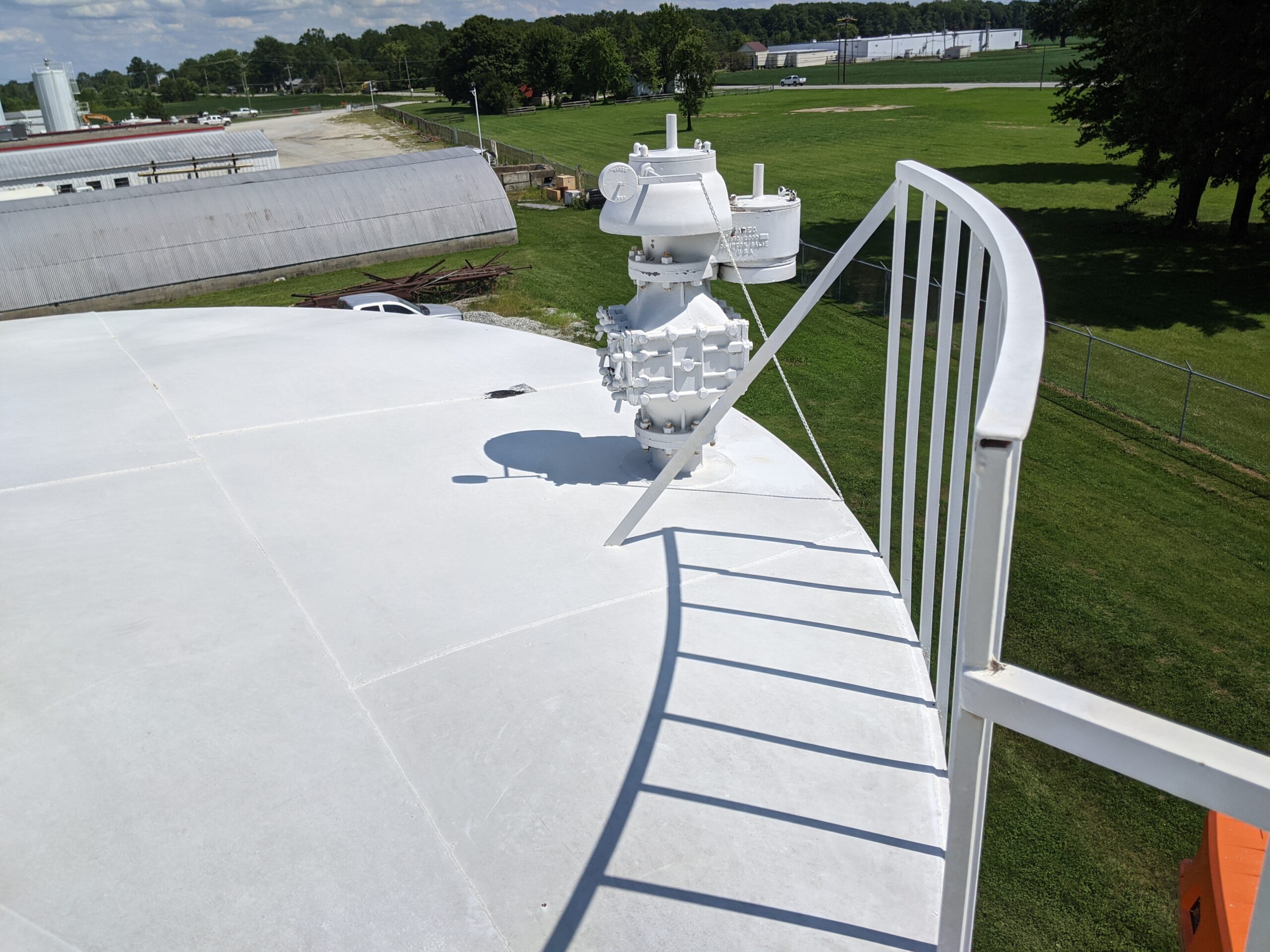
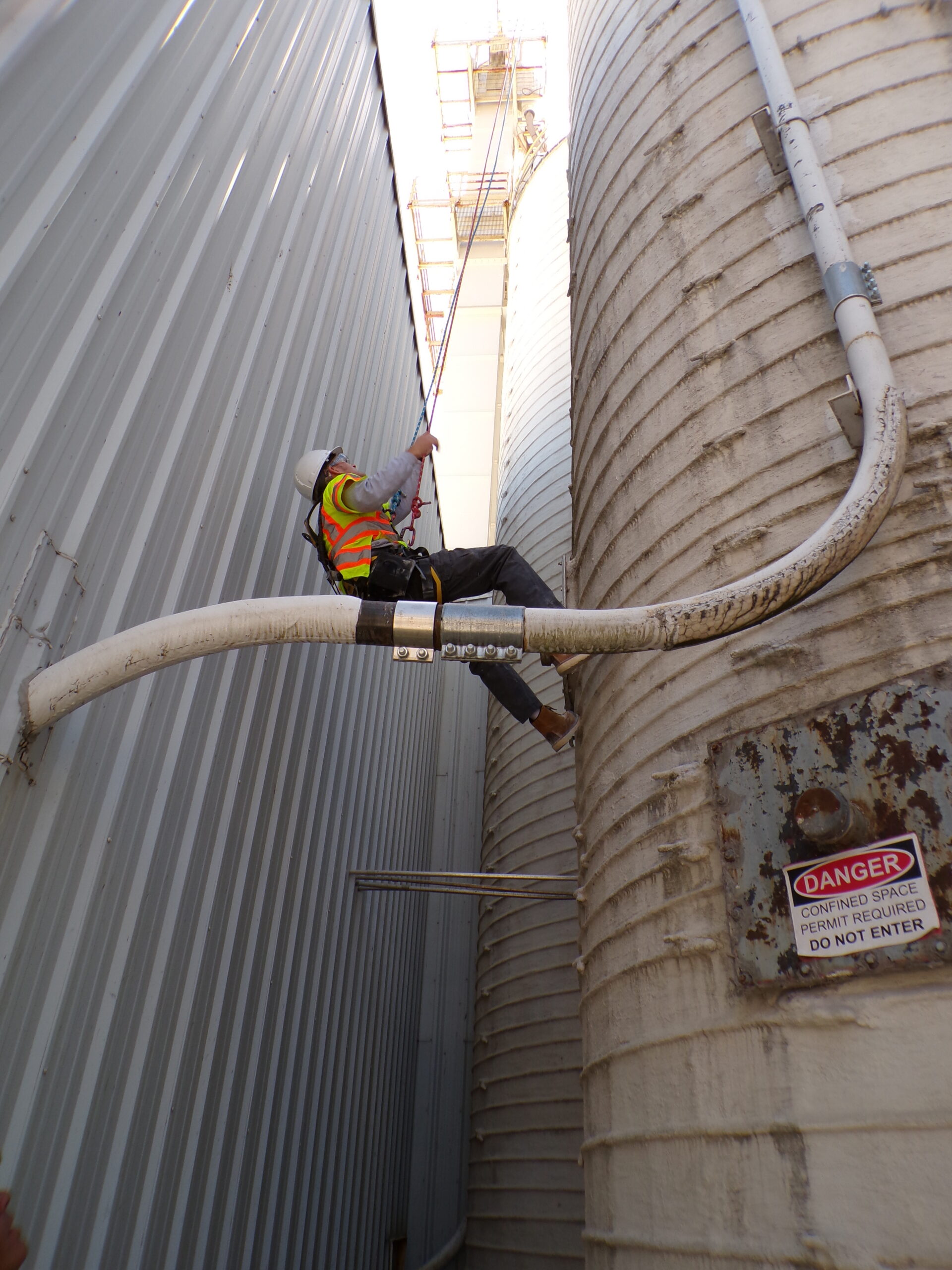
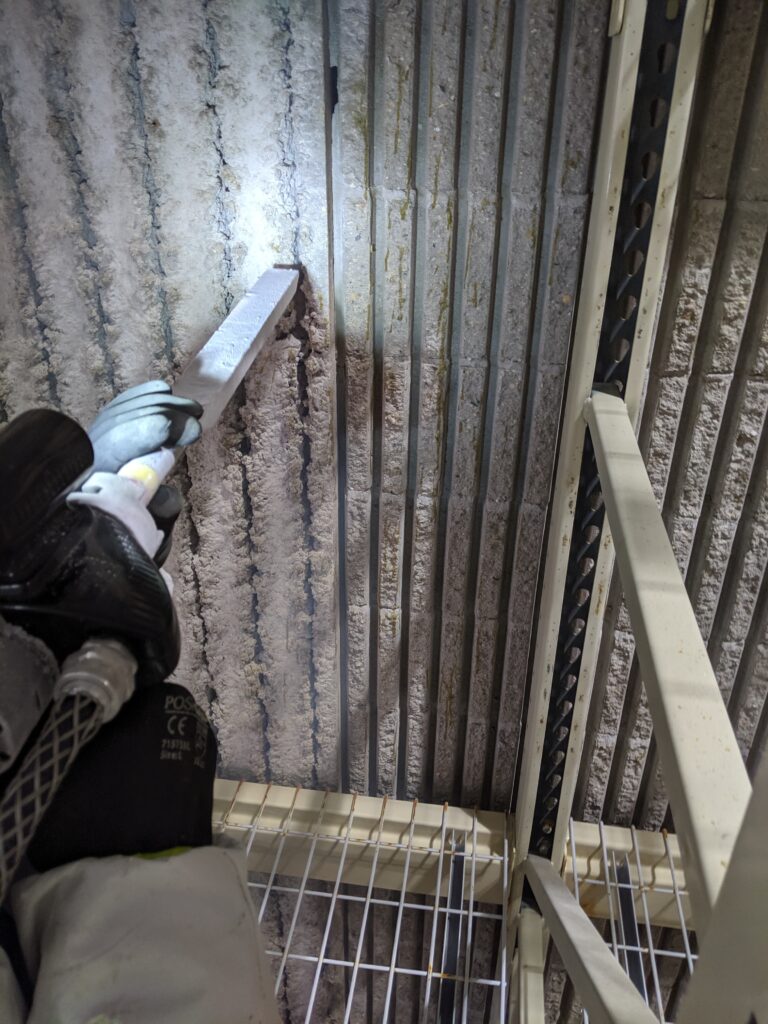
Beyond precision component cleaning, aerospace operations depend on comprehensive facility maintenance and janitorial services to preserve hangars, manufacturing plants, and essential support buildings. These services include specialized hangar janitorial protocols, durable epoxy floor coatings, efficient dry ice blasting for heavy equipment, and thorough tank and silo cleaning for critical storage systems. Integrating facility care with component cleaning creates a holistic maintenance solution that significantly promotes safety and operational efficiency.
Which Specialized Janitorial Services Are Essential for Aerospace Hangars and Plants?
Specialized janitorial services for aerospace hangars encompass high-reach dusting of overhead cranes, meticulous cleaning of aircraft docking bays, and thorough sanitization of personnel change rooms. Our technicians utilize HEPA-filtered vacuums and electrostatic sprayers to effectively remove particulate matter without generating airborne contaminants, ensuring ready access for ongoing assembly and testing operations.
How Does Industrial Floor Care and Epoxy Coatings Protect Aerospace Facilities?
Industrial floor care employs robust mechanical scrubbing and protective epoxy coatings designed to resist chemical spills, abrasion from heavy tugs, and the rigors of frequent forklift traffic. Epoxy coatings create seamless, impervious surfaces that simplify cleaning cycles and significantly extend floor lifespan. This essential protection minimizes slip hazards and consistently maintains facility cleanliness standards.
When Are Dry Ice Blasting and Sandblasting Deployed for Aerospace Equipment?
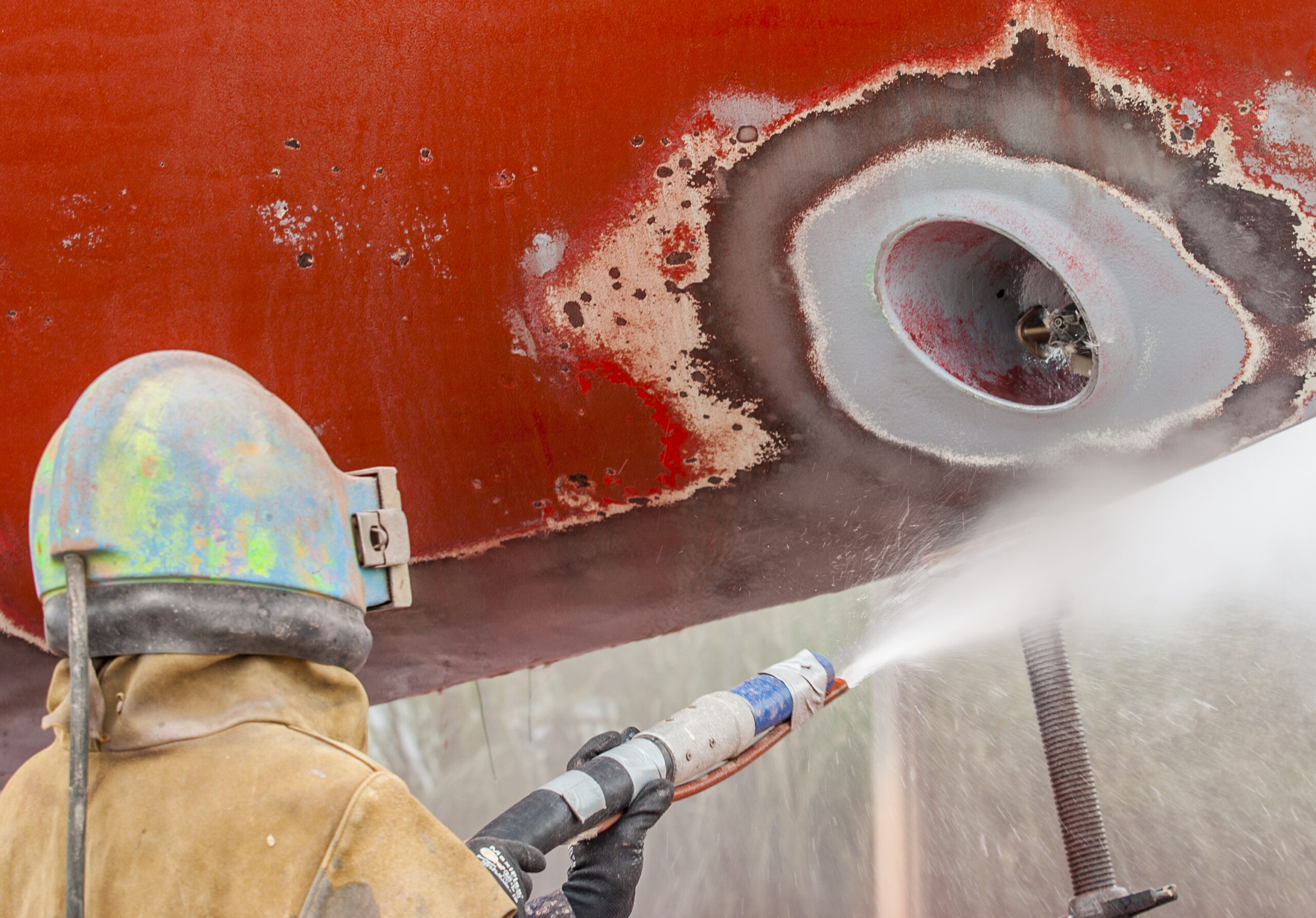
Dry ice blasting and sandblasting are deployed for heavy-duty cleaning requirements on engine stands, tooling fixtures, and large production equipment. Dry ice blasting effectively removes paint, grease, and corrosion without introducing moisture, while sandblasting efficiently strips stubborn residues from metal surfaces. Both methods expertly restore equipment to a near-new condition, supporting reliable maintenance cycles.
How Does Huntsville’s Aerospace Ecosystem Shape Cleaning Service Demands?
Huntsville’s prominent status as a leading aerospace and defense hub dictates unique cleaning requirements for local OEMs, government contractors, and research institutions. The significant presence of NASA Marshall Space Flight Center drives demand for ultra-low particulate environments and large-scale launch hardware cleaning. Companies supporting Redstone Arsenal require highly secure cleaning protocols for classified equipment. Meanwhile, commercial and subcontractor shops face intense throughput pressures and manage diverse part portfolios.
What Cleaning Challenges Do NASA Marshall Space Flight Center Contractors Confront?
NASA Marshall contractors must maintain ultra-clean launch vehicle structures and payload components under exceptionally strict contamination budgets. This critical task involves handling cryogenic propellant systems, delicate instrumentation, and composite fairings without introducing any particulates or outgassing contaminants that could compromise mission performance.
How Do Redstone Arsenal Support Companies Benefit from Specialized Cleaning?
Companies supporting Redstone Arsenal handle defense-grade systems that demand strict ITAR-compliant procedures and fully traceable cleaning records. Specialized providers deliver mobile cleanrooms and secure workflow chains, ensuring sensitive components remain within controlled environments throughout the entire cleaning and inspection process.
What Are the Primary Aerospace Manufacturing Cleaning Challenges in North Alabama?
North Alabama manufacturers grapple with a wide array of challenges—from high-volume runs of sheet-metal parts requiring rapid cleaning to precision electronic assemblies demanding meticulous solvent immersion. Seasonal humidity and temperature fluctuations necessitate adaptable drying solutions and controlled environment transitions to effectively prevent corrosion and maintain strict adherence to cleanliness specifications.
Why Partner with Specialized Aerospace Cleaning Providers in Huntsville, AL?
Partnering with specialized aerospace cleaning providers in Huntsville guarantees access to certified technicians, state-of-the-art technologies, and invaluable local expertise precisely tailored to the region’s unique ecosystem. These dedicated providers expertly blend precision component services with comprehensive facility care to deliver end-to-end solutions that ensure regulatory compliance, minimize downtime, and significantly enhance operational efficiency.
How Do Certified Technicians Ensure Both Safety and Compliance?
Certified technicians meticulously follow documented procedures and utilize calibrated equipment to meet stringent Nadcap, FAA, EASA, and ISO cleanroom standards. Their specialized training in hazardous material handling, ESD protocols, and process validation ensures that all cleaning tasks align perfectly with audit requirements and maintain impeccably safe work environments.
What Are the Advantages of Collaborating with Local Aerospace Cleaning Experts?
Local experts offer unparalleled rapid response times, flexible mobile service units, and an intimate understanding of Huntsville’s specific logistics and regulatory landscape. Their close proximity to major aerospace facilities enables seamless, integrated scheduling with production cycles, minimizing facility disruptions and effectively supporting just-in-time maintenance demands.
How Have Case Studies Demonstrated Proven Success in Aerospace Cleaning Projects?
Recent projects right here in Huntsville vividly illustrate dramatic reductions in rework and downtime achieved through advanced ultrasonic cleaning of turbine components, consistently meeting sub-micron cleanliness and complying with ISO Class 7 criteria. Furthermore, dry ice blasting campaigns on critical launch support equipment have expertly restored metal surfaces without any corrosion, significantly extending service life and reinforcing mission readiness.
Aerospace cleaning in Huntsville, AL demands a sophisticated blend of precision, unwavering compliance, and deep local insight to safeguard critical programs. By leveraging certified technicians, advanced methodologies, and comprehensive facility services, aerospace manufacturers and MRO providers can ensure reliable operations, meet the most stringent regulations, and promote long-term asset performance. Partnering with specialized cleaning experts elevates safety, efficiency, and quality across every vital stage of aerospace production and maintenance.