Whether you’re storing fuel, chemicals, agricultural inputs, or processed food products, the tanks and vessels that hold your materials are among the most critical — and most overlooked — assets on your property. Industrial tank inspections aren’t just a regulatory checkbox. They’re the difference between a safe, efficient operation and a costly disaster that shuts down your facility, endangers your workers, and damages your reputation.
At Mid America Service Solutions, we provide professional tank inspection services across a wide range of industries throughout the nation. In this post, we’ll break down what industrial tank inspections involve, why they matter, and how the needs vary across key sectors.
What Is an Industrial Tank Inspection?
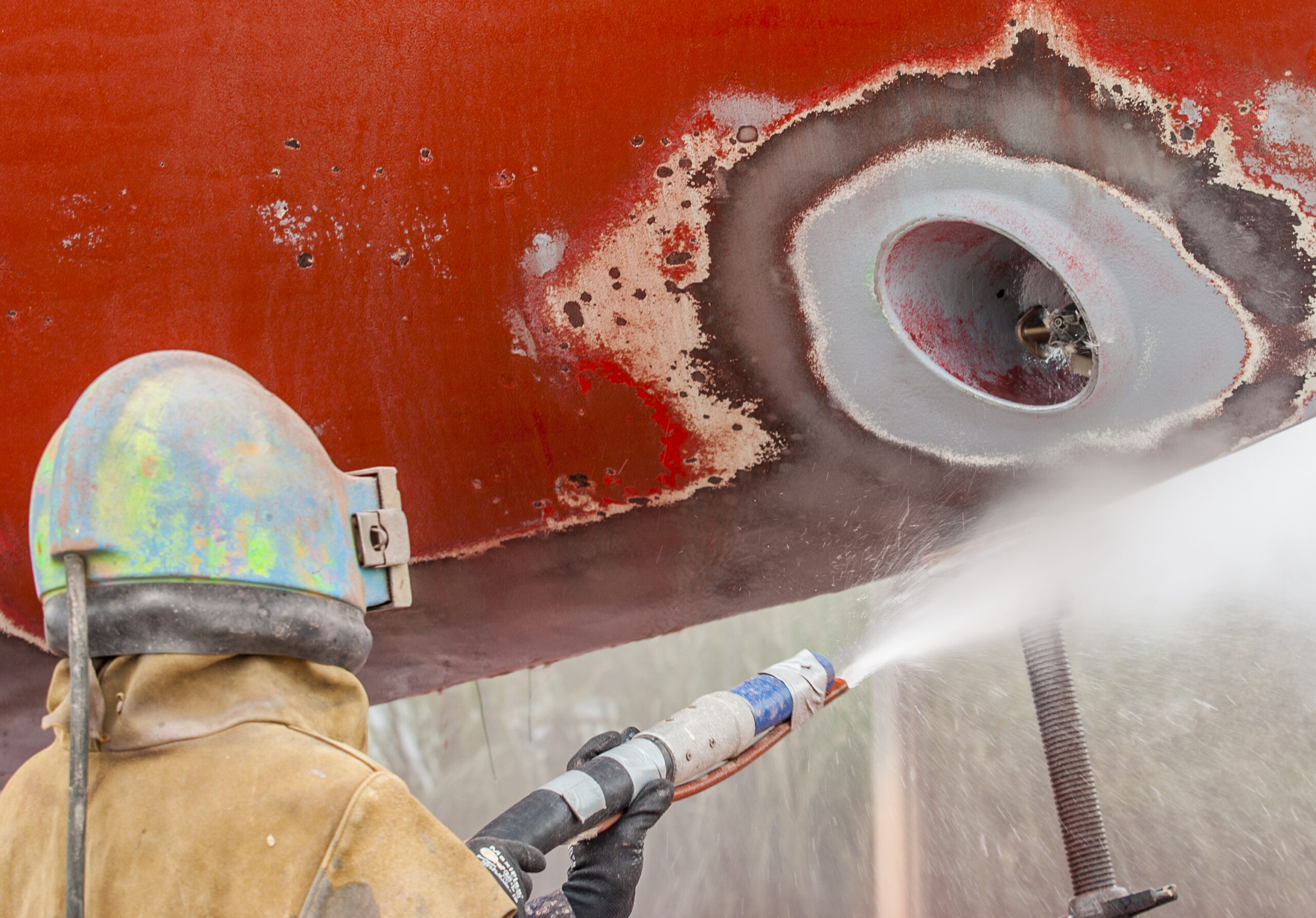
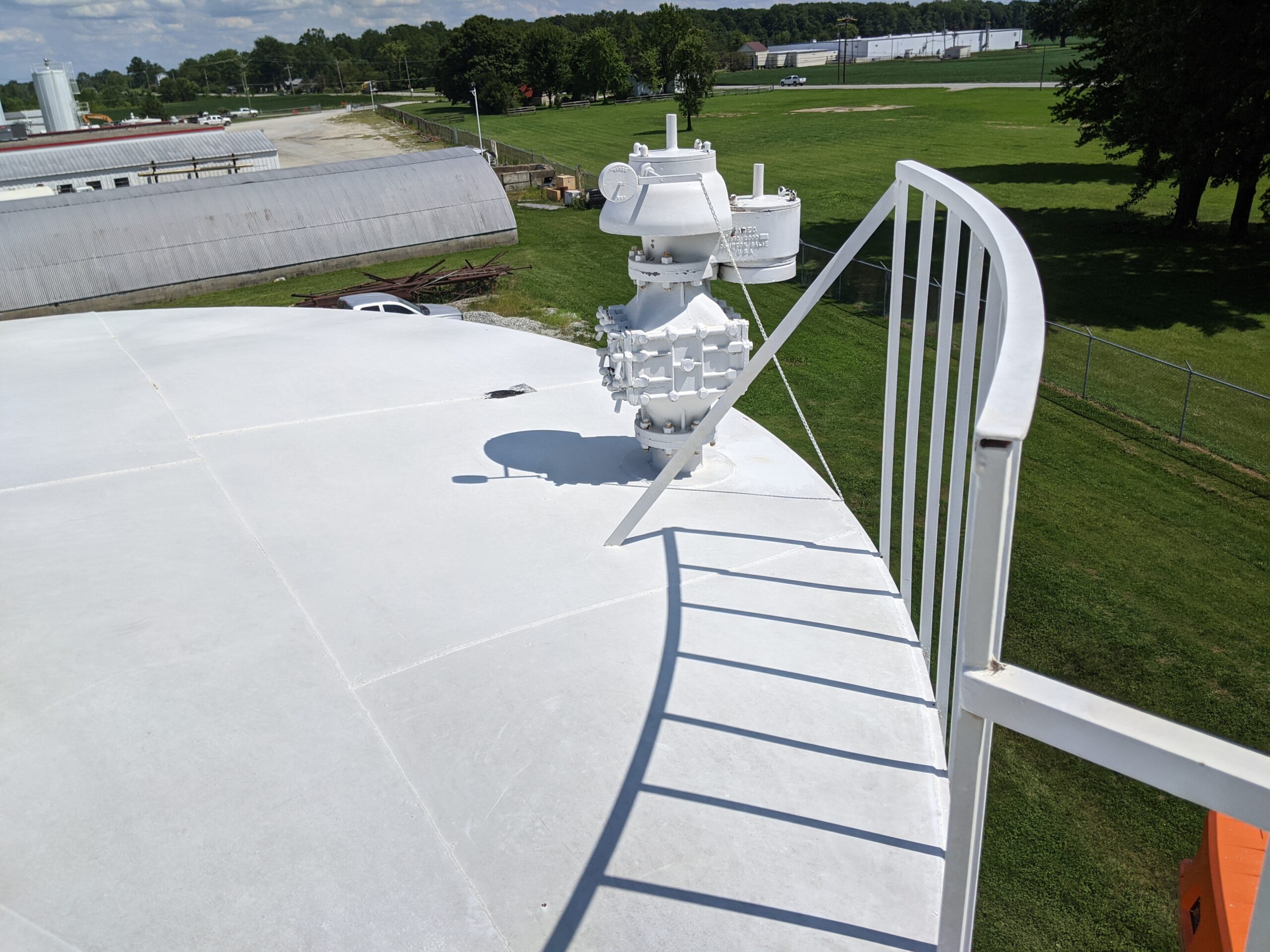
An industrial tank inspection is a systematic evaluation of a storage tank’s structural integrity, coating condition, welds, floor, shell, roof, and associated components. Inspections may include:
- Visual inspections — Interior and exterior surface examination
- Ultrasonic thickness testing (UTT) — Measuring wall thickness without cutting into the tank
- Vacuum box testing — Checking weld seams for leaks
- Holiday (spark) testing — Identifying coating defects
Inspections are conducted in accordance with standards set by the American Petroleum Institute (API), NFPA, OSHA, and other relevant regulatory bodies depending on your industry.
Why Industrial Tank Inspections Matter
The consequences of skipping or delaying tank inspections are severe:
- Structural failures and leaks that contaminate soil and groundwater
- Regulatory fines and permit violations from the EPA, OSHA, or state environmental agencies
- Product loss and costly emergency repairs
- Unplanned downtime that disrupts production schedules
- Worker injuries or fatalities from hazardous material exposure or tank collapse
Proactive inspection programs save money in the long run by catching small issues — a corroded weld, a failing coating, minor floor pitting — before they become catastrophic problems.
Industrial Tank Inspections Across Key Industries
Every industry has unique storage demands, regulatory requirements, and risk profiles. Here’s how regular tank inspections play a critical role across several sectors:
 Automotive Industry
Auto manufacturing store large volumes of fuels, lubricants, hydraulic fluids, and chemical compounds. Underground storage tanks (USTs) and aboveground storage tanks (ASTs) at these facilities are subject to strict EPA regulations, including leak detection and spill prevention requirements under 40 CFR Part 280.
Regular tank inspections in the automotive sector help prevent:
- Fuel contamination and soil remediation liability
- UST compliance violations
- Hydraulic fluid leaks that create fire hazards on the shop floor
For fleet maintenance facilities and auto manufacturers alike, a failed tank inspection can mean significant fines and business interruption.
 Chemical Industry
No sector demands more rigorous tank integrity management than the chemical industry. Facilities storing acids, caustics, solvents, and other hazardous chemicals operate under a complex web of OSHA Process Safety Management (PSM) standards, EPA Risk Management Program (RMP) requirements, and industry-specific codes.
A compromised tank in a chemical plant can release toxic vapors, trigger explosions, or contaminate water supplies. Tank inspections here go beyond routine checks — they include:
- Compatibility assessments between stored chemicals and tank materials
- Secondary containment integrity evaluations
- Inspection of linings and coatings rated for aggressive chemical environments
- Documentation for PSM and RMP compliance packages
Mid America Service Solutions understands the zero-tolerance environment chemical storage demands and provides thorough, code-compliant inspection services for these high-stakes facilities.
 Agriculture Industry
Agriculture relies heavily on bulk storage for fertilizers, pesticides, herbicides, anhydrous ammonia, and fuel. Tanks on farm operations and agricultural co-ops are often exposed to harsh outdoor conditions — UV degradation, freeze-thaw cycles, and chemical corrosion from nitrogen-based fertilizers.
Anhydrous ammonia storage, in particular, is tightly regulated due to its extreme toxicity and flammability. Routine tank inspections on agricultural operations help ensure:
- Fertilizer tanks meet state department of agriculture standards
- Anhydrous ammonia vessels are inspected per OSHA 29 CFR 1910.111
- Fuel storage tanks on farm sites remain EPA compliant
- Co-op storage facilities avoid costly product contamination from failing tanks
For co-ops and ag retailers serving rural communities, a safe storage operation is fundamental to trust and continued business.
 Coal & Energy Industry
Coal preparation plants, power generation facilities, and energy producers store a range of materials including coal slurry, fly ash, diesel fuel, and process water. These tanks and impoundments face extreme conditions — abrasion from slurry, chemical attack from acidic byproducts, and heavy sediment buildup.
Tank inspections in the coal and energy sector often include:
- Internal inspection for abrasion wear and liner deterioration
- Sedimentation and sludge volume assessments
- Corrosion mapping on carbon steel tanks exposed to acidic environments
- Evaluation of settling tanks and clarifiers for structural soundness
Given the environmental sensitivity of coal ash and slurry impoundments, inspection and maintenance programs are not just good practice — they’re an operational and regulatory necessity.
 Food & Beverage Industry
In food and beverage production, tank inspections take on an additional dimension: sanitation and food safety. Stainless steel tanks used for fermentation, blending, syrup storage, dairy products, and beverage processing must meet FDA and USDA standards in addition to structural integrity requirements.
Key inspection concerns in this industry include:
- Surface finish degradation — Pitting or crevices that harbor bacteria and compromise sanitation
- Weld inspection — Ensuring hygienic welds with no cracks or surface irregularities
- Coating and lining integrity — FDA-approved linings must remain intact to prevent contamination
- Gasket and seal condition — Critical for preventing microbial ingress
A tank failure or sanitation breakdown in a food production facility can trigger a product recall, regulatory shutdown, or permanent damage to a brand. Routine inspection is an investment in product quality and consumer safety.
 Wastewater & Municipal Water Treatment
Water and wastewater treatment facilities depend on a network of tanks, clarifiers, digesters, and storage vessels that operate continuously under demanding conditions. Concrete tanks, steel reservoirs, and fiberglass vessels all degrade over time from chemical exposure, biological activity, and physical stress.
Inspection services for wastewater facilities typically include:
- Digester tank inspections — Checking for hydrogen sulfide corrosion in anaerobic digesters
- Clarifier and settling tank assessments — Evaluating structural integrity and coating condition
- Potable water storage tank inspections — Meeting AWWA (American Water Works Association) standards
- Wet well and lift station evaluations — Identifying corrosion from hydrogen sulfide and microbial-induced corrosion (MIC)
Municipalities and water utilities face public trust obligations. A compromised storage tank in a water treatment facility isn’t just an engineering problem — it’s a public health issue.
 Other Industries We Serve
In addition to the industries above, Mid America Service Solutions provides industrial tank inspection services for:
- Oil & Gas — Crude oil storage, produced water tanks, and pipeline facilities
- Pharmaceutical — FDA-compliant process vessel inspections
- Pulp & Paper — Black liquor tanks, chemical storage, and process vessels
- Mining — Tailings storage, reagent tanks, and leach pads
- Power Generation — Fuel oil storage, cooling water tanks, and ash handling systems
What to Expect from a Mid America Service Solutions Tank Inspection
When you partner with Mid America Service Solutions, you get more than a clipboard and a signature. Our inspection process includes:
- Pre-inspection planning — Review of tank history, previous inspection reports, and applicable standards
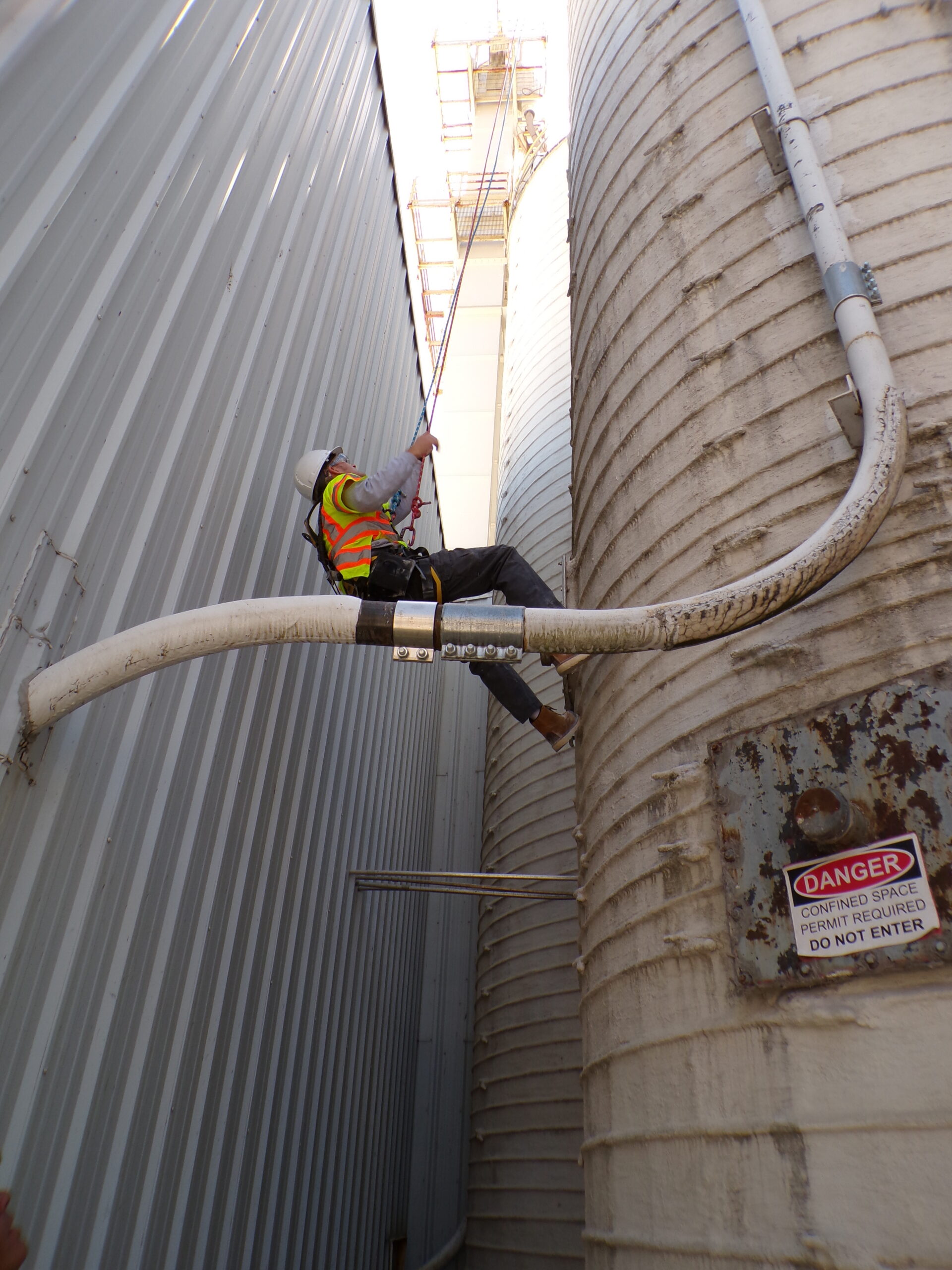
- Thorough on-site evaluation — Conducted by trained inspectors with API certification and confined space entry qualifications
- Non-destructive testing (NDT) — Where applicable, including UT scanning and weld inspection
- Detailed written report — Findings documented with photos, measurements, and condition ratings
- Actionable recommendations — Prioritized repair and maintenance guidance
- Regulatory compliance documentation — Reports formatted for permit and compliance submissions
We work with your schedule to minimize downtime and get you back in operation as quickly as possible.
How Often Should Industrial Tanks Be Inspected?
Inspection frequency depends on tank type, stored material, age, and applicable codes. General guidelines include:
| Tank Type | Standard | Typical Inspection Interval |
| Aboveground Storage Tanks (ASTs) | API 653 | Every 5–10 years (internal); annually (external) |
| Underground Storage Tanks (USTs) | EPA 40 CFR 280 | Annual operational checks; periodic tightness testing |
| Pressure Vessels | ASME Section VIII | Varies; per state boiler/pressure vessel regulations |
| Water Storage Tanks | AWWA D100/D103 | Every 3–5 years |
| Chemical Process Tanks | OSHA PSM / API 510 | Risk-based intervals |
Older tanks, tanks with history of corrosion, or tanks storing aggressive materials should be inspected more frequently. Don’t wait for a visible problem — by then, the damage is already done.
The Cost of Skipping a Tank Inspection
It’s tempting to defer inspections when budgets are tight. But consider the real costs of a tank failure:
- Environmental cleanup: Soil and groundwater remediation can run into the hundreds of thousands of dollars
- Regulatory fines: EPA violations for unpermitted releases can reach $70,000+ per day
- Litigation: Third-party liability from contamination events can be devastating
- Downtime: Emergency repairs take far longer than planned maintenance
- Product loss: A failing tank can destroy entire batches of raw material or finished product
A proactive inspection program is one of the smartest investments an industrial facility can make.
Schedule Your Industrial Tank Inspection Today
Whether you operate a single storage tank or manage a complex multi-vessel facility, Mid America Service Solutions has the expertise, equipment, and industry knowledge to keep your tanks safe, compliant, and operational.
We serve clients in the automotive, chemical, agriculture, coal, food and beverage, wastewater, and energy sectors — and many more.
 Contact Mid America Service Solutions today to schedule an inspection or learn more about our industrial services. Don’t wait for a problem to find you.