Silo structural integrity is crucial for ensuring safety and operational efficiency in various industries, particularly in agriculture and manufacturing. This article delves into the importance of comprehensive silo inspection services, highlighting the methods and technologies used to assess structural integrity, the best practices for preventative maintenance, and the safety standards that govern these inspections. Readers will learn how to identify potential risks and implement effective strategies to maintain silo integrity, ultimately preventing costly failures and ensuring compliance with safety regulations. The discussion will cover key components of silo structures, various inspection methods, and emerging trends in silo monitoring, providing a thorough understanding of the subject.
What is Silo Structural Integrity Assessment and Why is it Essential?
Silo structural integrity assessment involves evaluating the physical condition of silo structures to ensure they can safely store materials without risk of failure. This process is essential because it helps identify weaknesses that could lead to catastrophic failures, ensuring the safety of personnel and the operational efficiency of facilities. Regular assessments can prevent costly repairs and downtime, making it a vital aspect of silo management.
Key Components of Silo Structures: Walls, Roof, and Foundation
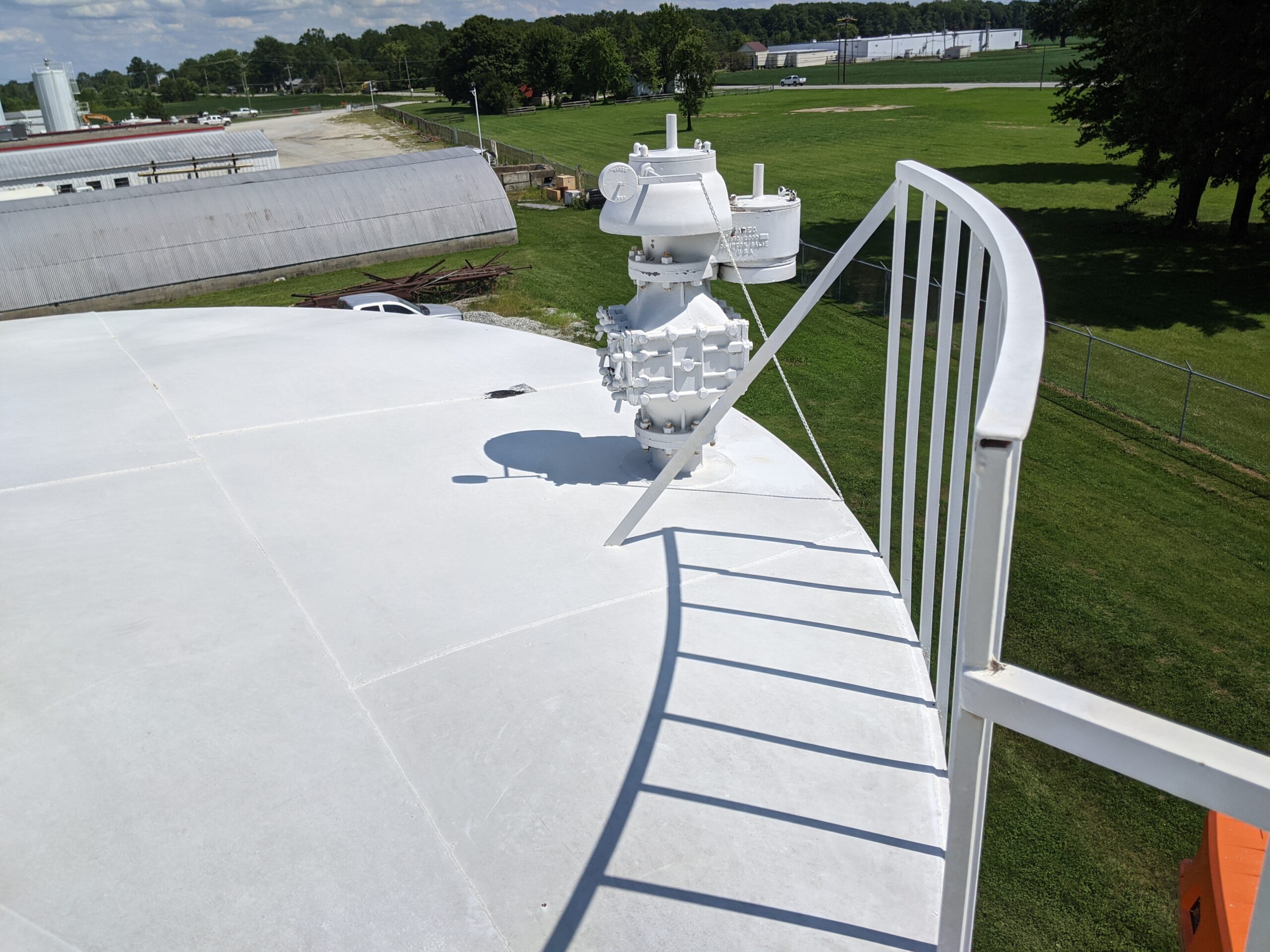
The primary components of silo structures include the walls, roof, and foundation. Each of these elements plays a critical role in maintaining the overall integrity of the silo. The walls must withstand the pressure of stored materials, while the roof protects against environmental factors. The foundation provides stability, ensuring that the silo remains upright and secure. Common issues related to these components include cracks, corrosion, and structural defects, which can compromise the silo’s safety.
How Structural Integrity Impacts Safety and Operational Efficiency
Structural integrity directly impacts both safety and operational efficiency. A compromised silo can lead to material spills, structural collapses, and even injuries to personnel. For instance, a failure in a silo’s wall can lead to significant operational halts, costing the company thousands in repairs and lost productivity. By maintaining structural integrity, facilities can ensure safe operations and minimize the risk of accidents.
Which Inspection Methods and Technologies Ensure Accurate Silo Evaluations?
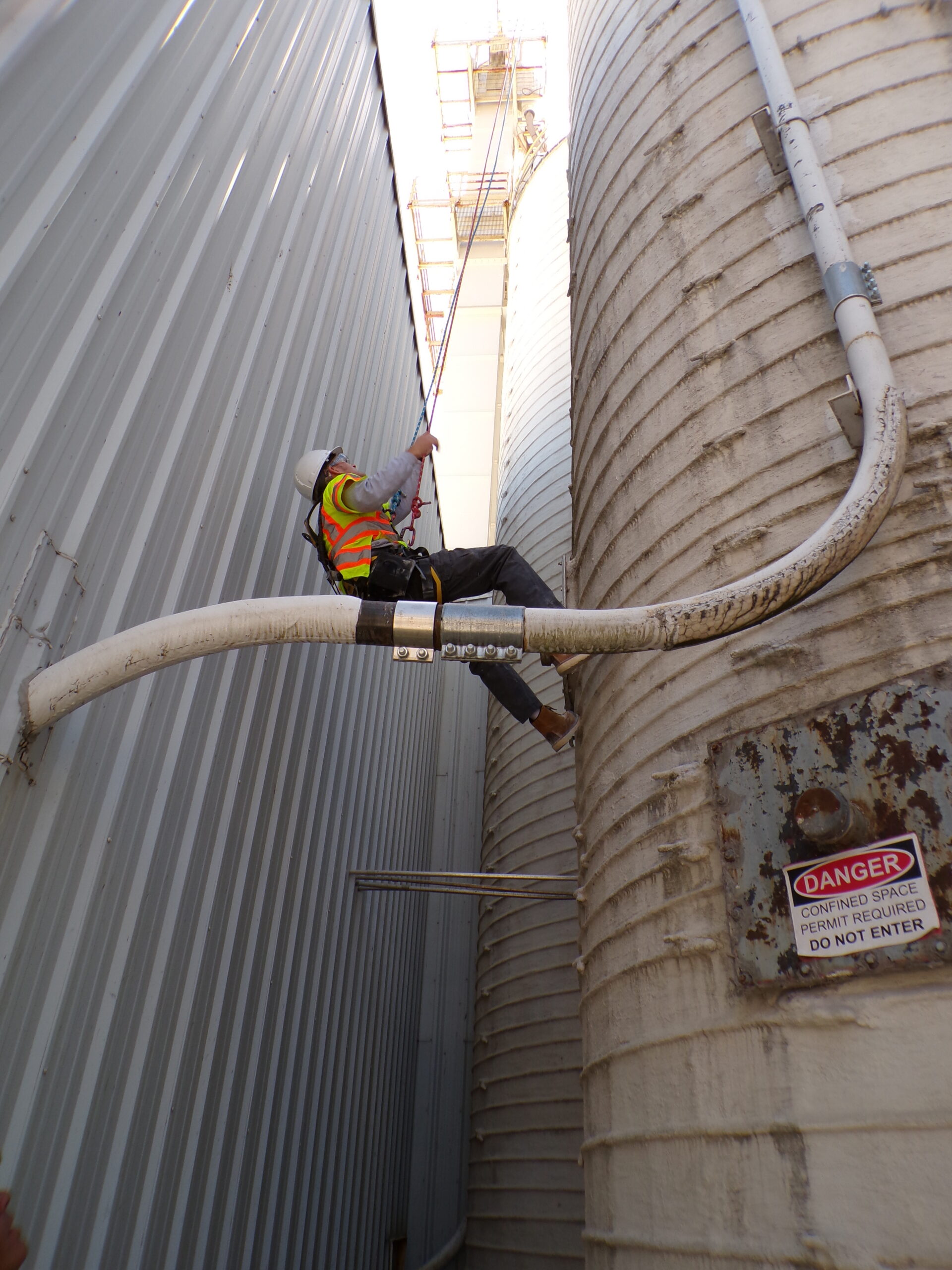
Various inspection methods and technologies are employed to ensure accurate evaluations of silo conditions. These methods help identify potential issues before they escalate into serious problems.
Non-Destructive Testing
Technologies, such as non-destructive testing (NDT), are revolutionizing silo inspections. NDT methods allow for thorough evaluations without damaging the structure. This integration enables proactive maintenance strategies, allowing facilities to address issues before they lead to failures.
How to Develop and Implement Preventative Maintenance Best Practices for Silos?
Implementing effective preventative maintenance practices is essential for prolonging the life of silo structures and ensuring safety. Regular maintenance can prevent corrosion and damage, which are common issues in silo management.
Scheduling and Conducting Regular Maintenance to Prevent Corrosion and Damage
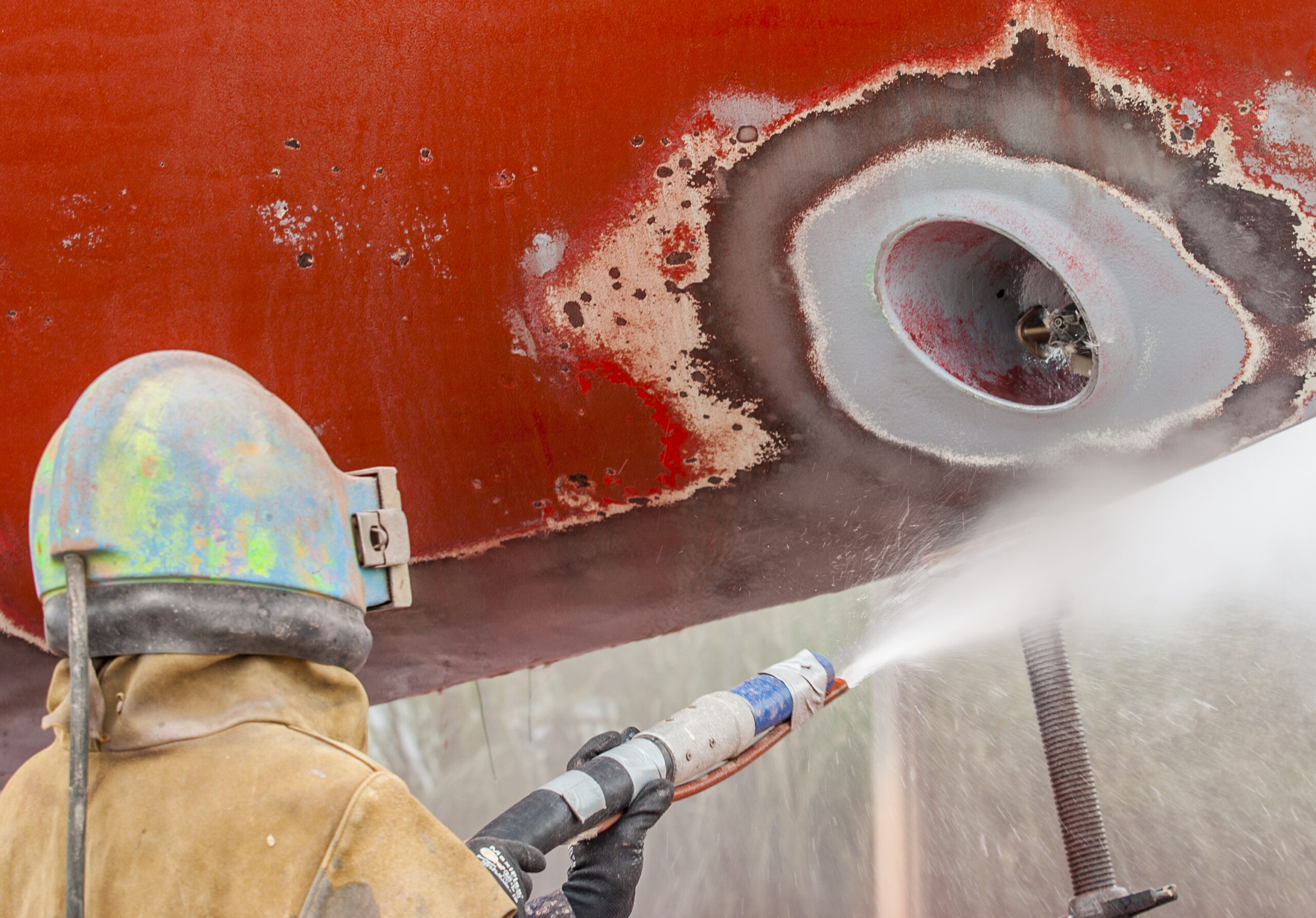
Regular maintenance should include scheduled inspections and repairs to address any signs of wear. Key tasks include checking for corrosion, ensuring proper sealing, and maintaining structural components. Documentation of maintenance activities is crucial for tracking the condition of the silo and ensuring compliance with safety standards.
Effective Repair Strategies for Common Silo Failure Modes
Common failure modes in silos include wall cracks, roof leaks, and foundation settling. Effective repair strategies involve timely interventions, such as patching cracks, replacing damaged sections, and reinforcing foundations. Addressing these issues promptly can prevent more extensive damage and costly repairs in the future.
What Safety Standards and Compliance Requirements Govern Silo Inspections?
Safety standards and compliance requirements play a significant role in silo inspections, ensuring that facilities adhere to regulations designed to protect workers and the environment.
Ensuring Compliance Through Documentation and Reporting
Proper documentation and reporting are critical for ensuring compliance with safety standards. Facilities must maintain records of inspections, maintenance activities, and any incidents that occur. This documentation not only helps in regulatory compliance but also serves as a valuable resource for future inspections and maintenance planning.
What Are Common Causes of Silo Failures and How Can Inspections Prevent Them?
Understanding the common causes of silo failures is essential for implementing effective inspection and maintenance strategies.
Identifying Corrosion, Structural Defects, and Environmental Risks
Corrosion, structural defects, and environmental factors are primary causes of silo failures. Regular inspections can help identify these issues early, allowing for timely interventions. For example, corrosion monitoring can detect early signs of deterioration, enabling facilities to take corrective action before significant damage occurs.
Case Studies Demonstrating Successful Prevention and Repair
Several case studies illustrate the importance of inspections in preventing silo failures. In one instance, a facility that implemented regular inspections and maintenance was able to avoid a catastrophic failure that could have resulted in significant financial losses. These examples highlight the value of proactive management in maintaining silo integrity.
What Emerging Trends and Technologies Are Shaping the Future of Silo Monitoring?
The future of silo monitoring is being shaped by emerging trends and technologies that enhance inspection capabilities and improve safety.
Adoption of Real-Time Monitoring
The adoption of sensors for real-time monitoring is transforming how facilities manage silo integrity. These sensors provide continuous data on structural conditions, allowing for immediate responses to potential issues. This proactive approach enhances safety and operational efficiency, reducing the likelihood of failures.
Advancements in Inspection Equipment and Data Analytics
Advancements in inspection equipment and data analytics are also playing a crucial role in the future of silo monitoring. New technologies enable more accurate assessments and better data interpretation, leading to improved decision-making regarding maintenance and repairs. As these technologies continue to evolve, they will further enhance the effectiveness of silo inspections.