Get Effective Industrial Cleaning Services in Knoxville, TN
Knoxville’s industrial sites demand cleaning solutions that are both swift and thorough, safeguarding valuable equipment while keeping operational downtime to an absolute minimum. Dry ice blasting and hydroblasting are precisely the advanced methods that deliver on both fronts. This guide dives into what dry ice blasting and hydroblasting entail, how each technique functions technically, and why these industrial cleaning approaches are indispensable for Knoxville’s manufacturing, food processing, wastewater treatment, and power generation sectors. You’ll gain insights into their comparative strengths—from non-abrasive cryogenic cleaning to the sheer power of high-pressure water jetting—along with practical advice on safety, regulatory compliance, cost factors, and planning for a strong return on investment, all tailored for Knoxville operations. We’ll help you match the right method to specific applications, outline best practices for challenging environments like confined spaces and preparing surfaces for epoxy coatings, and provide structured cost-benefit analyses and sample service packages to guide your procurement decisions. Throughout, we’ve woven in essential keywords like “dry ice blasting in Knoxville TN,” “hydroblasting,” “CO2 blasting Knoxville,” and “industrial cleaning” to align with what facility managers are searching for and to enhance visibility for critical decision-making queries.
Dry Ice Blasting in Knoxville: How It Works & Benefits
Dry ice blasting is a cutting-edge cryogenic cleaning process that uses solid CO₂ pellets, propelled at high speeds, to obliterate contaminants through a combination of kinetic impact and rapid sublimation. The beauty of this method is its minimal secondary waste. The process leverages three key mechanisms: kinetic energy to dislodge stubborn deposits, thermal shock from the extreme cold of the CO₂ to fracture residues, and sublimation, where the dry ice turns directly into gas, lifting the dislodged material away. This significantly reduces the need for manual scrubbing and protects the integrity of the underlying surfaces. Industrial cleaning teams opt for dry ice blasting when preserving delicate surface tolerances and eliminating chemical residues are paramount, as the CO₂ pellets vanish without leaving behind any messy slurry that requires disposal. Understanding the mechanics and advantages of dry ice blasting naturally leads to exploring the detailed cryogenic process and the specific benefits it offers to Knoxville’s diverse industrial landscape, which we’ll explore further in the following sections.
What Exactly Is Dry Ice Blasting and Its Cryogenic Cleaning Process?
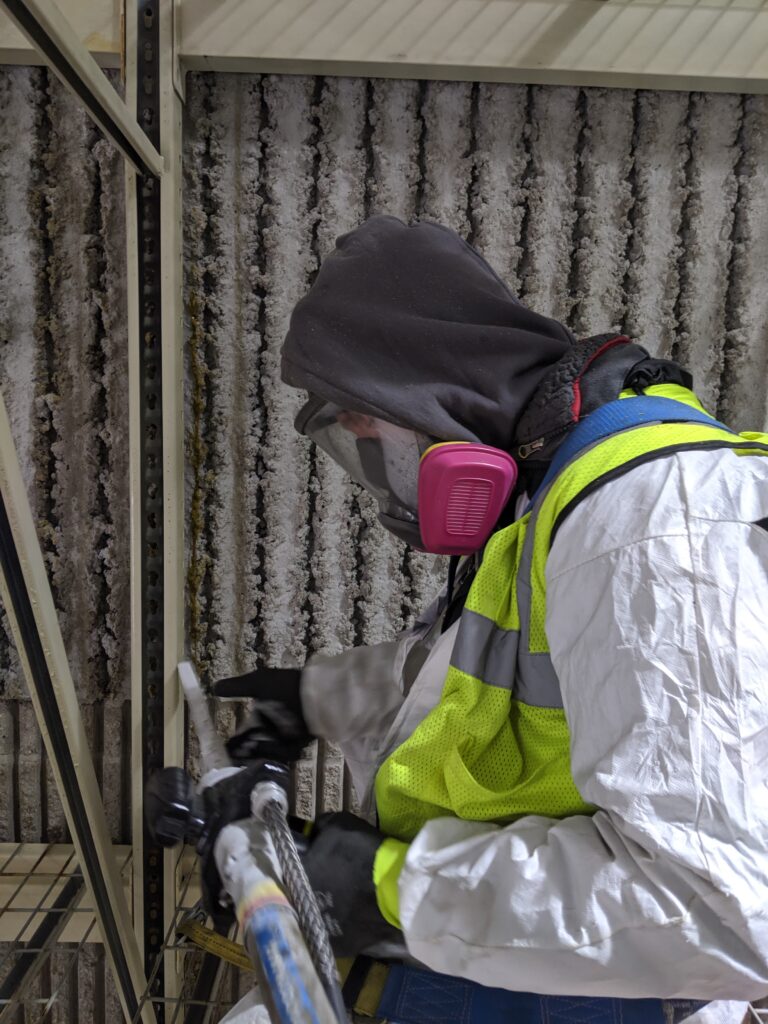
Dry ice blasting employs compressed air to accelerate solid CO₂ pellets through a specialized nozzle, directing them at a surface. Upon impact, these pellets create both kinetic and thermal effects, effectively dislodging contaminants while simultaneously sublimating into harmless gas. The typical equipment setup includes a system for feeding the CO₂ pellets (either a pelletizer or a pre-manufactured pellet supply), a robust air compressor capable of handling blasting pressures, specialized dry ice blasting nozzle assemblies, and adjustable flow controls to fine-tune both pellet feed rate and air pressure. Our skilled operators meticulously select the appropriate pellet size and nozzle configuration based on the specific type of contamination and the sensitivity of the surface being cleaned, ensuring a balance between effective cleaning power and gentle treatment to prevent any damage. Because CO₂ transitions directly from a solid to a gas state, there’s no liquid secondary waste, unlike many wet cleaning methods. This translates to faster cleanup and often eliminates the need for extensive containment measures.
What Are the Key Benefits of Dry Ice Blasting for Industrial Cleaning?
Dry ice blasting delivers significant operational and environmental advantages that frequently translate into reduced downtime and lower overall costs for industrial operators. Its key benefits include non-abrasive cleaning, which meticulously preserves the surface tolerances of your valuable equipment; chemical-free removal, eliminating concerns about hazardous residues; and the ability to perform cleaning in place, often negating the need for extensive disassembly. Furthermore, dry ice blasting dramatically minimizes secondary waste, as the sublimation of CO₂ means no messy mud or slurry requires disposal. The process can also be considerably faster than manual scrubbing, especially for intricate assemblies. These compelling advantages make dry ice blasting an exceptionally attractive option for industries like food processing and precision manufacturing, where stringent contamination control and surface integrity are absolutely critical.
The distinct advantages of dry ice blasting are instrumental in supporting facility uptime and peak performance. In the next section, we’ll examine real-world applications within Knoxville’s industries where these benefits translate into tangible, measurable value.
How Is Dry Ice Blasting Applied in Knoxville Industries?
Knoxville’s diverse industries leverage dry ice blasting across manufacturing, food and beverage, restoration, and power generation sectors to effectively remove oils, coatings, stubborn carbon deposits, and soot without causing any harm to the underlying components. Within food processing facilities, our teams expertly remove baked-on proteins and oils from conveyors, ovens, and packaging equipment, all while strictly avoiding chemical residues that could compromise product safety. In manufacturing settings, dry ice blasting revitalizes production line fixtures and motors by efficiently clearing grease and thermal buildup without introducing abrasive wear, thereby supporting tighter tolerances and enabling quicker restarts. Restoration specialists frequently employ CO₂ blasting to meticulously clean smoke and soot from structural surfaces during fire remediation efforts, as it significantly reduces secondary cleanup challenges and minimizes damage to delicate substrates.
These practical application examples vividly illustrate the wide range of use cases that naturally lead into a direct comparison with more traditional cleaning methods, providing essential guidance for procurement teams to make informed decisions.
How Does Dry Ice Blasting Compare to Traditional Cleaning Methods?
When substrate preservation and minimal secondary waste are top priorities, dry ice blasting stands out favorably against abrasive blasting, chemical cleaning, and manual scrubbing, even though its per-hour equipment costs might be higher. Compared to abrasive blasting, dry ice is entirely non-abrasive, safeguarding surface tolerances. In contrast to chemical cleaning, it eliminates hazardous residues and the associated regulatory disposal complexities. And when compared to manual cleaning, it drastically reduces labor requirements and often shortens overall downtime. The optimal choice hinges on factors like contamination hardness, accessibility, and acceptable cleanup procedures. While conventional approaches remain suitable for heavy mill-scale or exceptionally thick coatings, dry ice blasting excels in delicate, contamination-specific removal tasks. Next, we’ll delve into the mechanics of hydroblasting and identify scenarios where high-pressure water jetting is the superior option.
After understanding the operational principles and benefits of dry ice blasting, Knoxville operations seeking on-site service expertise can readily request local specialists for comprehensive assessments. Industrial Dry Ice Blasting and Hydroblasting Services in Knoxville, TN are readily available to provide detailed quotes or conduct on-site evaluations precisely tailored to your facility’s unique constraints and specific contamination profiles.
What Is Industrial Hydroblasting and Its Role in Knoxville’s Commercial Cleaning?
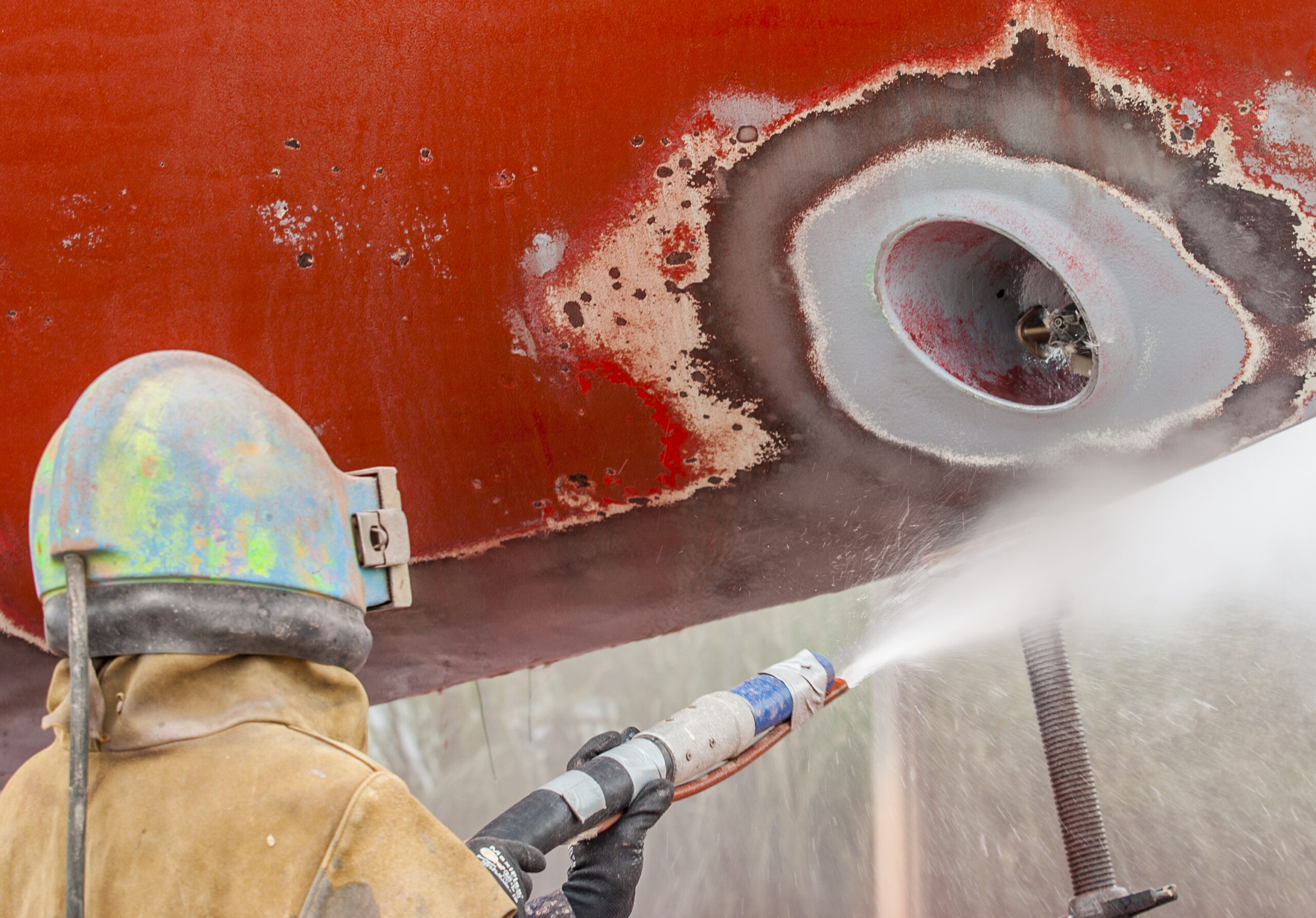
Industrial hydroblasting harnesses the power of high-pressure water jetting to meticulously remove heavy deposits, stubborn coatings, and persistent blockages. It achieves this by converting water energy into a focused mechanical force that effectively strips material from surfaces without the introduction of any chemicals. Typical systems integrate a high-pressure pump, robust, reinforced water jetting hoses, specialized nozzle assemblies calibrated for specific pressure regimes, and intuitive operator controls to regulate PSI for safe and highly effective cleaning. Hydroblasting is the method of choice when dealing with large-volume removal requirements or particularly tenacious scaling—common in tanks, pipes, heat exchangers, and wastewater lines—as it efficiently restores both flow and surface condition. The subsequent subsections will detail the pump and nozzle mechanics, highlight specific benefits for tank and pipe work, and identify which Knoxville industries reap the most significant advantages from hydroblasting.
How Does Hydroblasting Use High-Pressure Water Jetting for Industrial Cleaning?
Hydroblasting systems are engineered to generate water pressures that span a wide spectrum, from low pressures (under 10,000 PSI) suitable for general surface cleaning to ultra-high pressures (>30,000 PSI) capable of precision cutting. The selection of the appropriate nozzle is critical, as it shapes the water jet’s pattern and impact force. Pumps are rated based on their flow rate (GPM) and pressure (PSI), and skilled operators meticulously match the nozzle orifice size and rotation patterns to the specific task at hand, carefully balancing cutting power with substrate safety. Common contaminants effectively removed include rust, scale, various polymeric coatings, and sludge. Stringent safety protocols are non-negotiable, mandating the use of pressure-rated hoses, anti-kickback controls, and thoroughly trained operators to prevent injuries and equipment damage. Essential safety measures also include appropriate Personal Protective Equipment (PPE), rigorous lockout/tagout procedures, and effective area containment. These operational controls seamlessly transition into the significant benefits hydroblasting offers for tanks, pipes, and large-surface cleaning applications within industrial environments.
What Are the Benefits of Hydroblasting for Industrial and Tank Cleaning?
Hydroblasting provides exceptionally powerful removal capabilities for heavy buildup and coatings, frequently leading to significantly shortened project timelines for large-volume cleaning tasks. This efficiency translates directly into reduced manual labor and the associated safety risks. It excels at restoring flow in pipes and drains by effectively cutting through grease, stubborn roots, and mineral scale. Furthermore, it meticulously prepares metal surfaces for inspection and subsequent coating application by eliminating corroded layers and deposits. Utilizing water-only cleaning often bypasses the complexities of chemical handling and disposal, although robust wastewater containment is essential to capture all dislodged materials. These potent capabilities make hydroblasting an exceptionally efficient and safe choice for cleaning the interiors of tanks and large equipment where mechanical or manual cleaning would be considerably slower and far more hazardous.
The distinct operational strengths of hydroblasting point directly to specific industries within Knoxville that benefit most significantly, a topic we will explore in the following section.
Which Knoxville Industries Benefit Most from Hydroblasting Services?
Knoxville’s vital wastewater treatment plants, power generation facilities, petrochemical operations, food processors, and heavy manufacturing enterprises routinely rely on hydroblasting to eliminate disruptive sludge, stubborn scale, and performance-impeding fouling that can significantly impair throughput and overall efficiency. Wastewater plants utilize hydroblasting extensively in clarifiers and sludge lines; power plants benefit immensely from condenser and heat-exchanger cleaning to optimize heat transfer efficiency; and manufacturers depend on high-pressure cleaning for critical tank and vessel maintenance. The broad cross-industry relevance of hydroblasting naturally leads into its indispensable utility for tackling challenging pipe and drain cleaning issues, which we will address in the subsequent section.
How Does Hydroblasting Address Pipe and Drain Cleaning Challenges?
Hydro jetting is the definitive solution for restoring optimal flow in industrial pipes and drains. It achieves this by delivering precisely pressurized water that effectively dislodges grease, scale, and intrusive roots, all without introducing abrasive media into the pipeline. Our technicians expertly select nozzle and PSI combinations meticulously matched to the specific pipe material and diameter. While typical service durations can vary significantly based on the severity of the blockage, many medium-scale industrial line cleanings are efficiently completed within a few hours, minimizing system downtime when properly planned and isolated. Crucial safety precautions include the use of pressure-rated fittings, downstream isolation, and thorough pre-inspection to prevent any risk of rupturing older or more fragile pipe materials. Operators frequently perform a verification pass using CCTV technology to confirm the complete effectiveness of the cleaning. These meticulous practices prepare teams for seamlessly integrating hydroblasting into their preventative maintenance schedules, a topic we will elaborate on next.
Following our detailed description of hydroblasting capabilities and essential safety practices, local operators can confidently schedule assessments or services through recognized, reputable providers. For Knoxville-specific scheduling and seamless mobilization, Industrial Dry Ice Blasting and Hydroblasting Services in Knoxville, TN offer expert on-site evaluation and convenient booking options.
How Do Dry Ice Blasting and Hydroblasting Services Support Knoxville’s Industrial Maintenance?
Both dry ice blasting and hydroblasting are indispensable tools for bolstering industrial maintenance programs. They achieve this by significantly reducing equipment downtime, minimizing the need for extensive disassembly, and preserving component lifespan through targeted, highly effective cleaning strategies that seamlessly integrate with preventive maintenance cycles. Dry ice blasting stands out for its minimal secondary waste and its non-abrasive nature, enabling efficient in-place cleaning of even the most sensitive assemblies. Hydroblasting, on the other hand, excels at restoring flow and efficiently removing heavy deposits from large surfaces. These complementary methods are crucial for optimizing maintenance planning, reducing the duration of scheduled outages, and accelerating turnaround times during unplanned shutdowns, ultimately supporting consistent uptime and predictable process performance. The following subsections will quantify the impacts on downtime, summarize applicable safety and environmental standards, and explain the distinct advantages of partnering with local Knoxville experts.
How Do These Cleaning Methods Reduce Downtime and Preserve Equipment?
Dry ice blasting frequently slashes disassembly and reassembly time because contaminants can be effectively removed without needing to take adjacent equipment offline. This can save valuable hours, or even days, compared to traditional manual methods that necessitate complete teardown. Hydroblasting, meanwhile, can complete large-scale cleaning tasks in a fraction of the time required by manual scraping or chemical soaking, rapidly restoring throughput and enabling earlier equipment restarts. Critically, both methods excel at preserving surface tolerances—dry ice by its non-abrasive nature and hydroblasting by avoiding chemical etching when meticulously controlled—which directly extends component life and reduces the frequency of costly repairs. These combined time and preservation benefits are fundamental to establishing more predictable maintenance cycles and improving the overall total cost of ownership.
What Safety and Environmental Standards Are Followed in Knoxville?
Industrial cleaning projects undertaken in Knoxville rigorously adhere to established regulatory frameworks and best practices. This includes strict compliance with OSHA safety regulations for confined-space entry and Personal Protective Equipment (PPE), as well as applicable industry guidance, such as NACE/AMPP standards for surface preparation and coating inspection where relevant. Environmental controls are paramount, particularly considering EPA regulations surrounding wastewater discharge when hydroblasting generates liquid effluent. For cleaning in food or beverage facilities, compliance with USDA/FDA expectations regarding residue and sanitation is essential before production can safely resume. Our operators meticulously implement containment, filtration, and disposal plans as required. Comprehensive training in lockout/tagout procedures, pressure-system safety, and confined-space protocols is fundamental to ensuring both regulatory compliance and the unwavering safety of our crews. These robust safety measures set the stage for understanding why local expertise is so critical when scheduling and executing industrial cleaning projects.
Why Choose Local Knoxville Experts for Industrial Cleaning Services?
Partnering with local providers offers distinct advantages, including significantly faster mobilization times, an intimate understanding of regional industries, and familiarity with Knoxville’s specific permitting processes and environmental considerations. These factors collectively streamline project startup and minimize logistical friction. Proximity inherently reduces travel time and mobilization costs, and local teams often possess a nuanced understanding of plant-specific constraints, such as operational shift schedules, available power resources, and established waste disposal routes. Choosing local expertise also ensures more responsive emergency cleanup services and better coordination with planned maintenance windows, which directly translates to reduced downtime and improved project outcomes. These practical, tangible advantages underscore the immense value of selecting experienced local partners for complex industrial cleaning work.
What Specialized Industrial Cleaning Solutions Are Available in Knoxville?
Knoxville’s facilities require highly specialized solutions for a range of critical applications, including tanks and silos, industrial floor preparation and epoxy coatings, wastewater treatment plant components, and power generation equipment. Each of these demands tailored methods, stringent safety controls, and precise inspection steps. Method selection is a careful balance of contamination type, substrate sensitivity, and access constraints: hydroblasting is commonly employed for heavy deposit removal and tank interiors, while dry ice blasting is the preferred choice for sensitive mechanical components and electrical equipment. The following subsections provide specific techniques and best-practice checklists for each application, followed by a concise table mapping common applications to recommended methods.
How Are Industrial Tanks and Silos Cleaned Using Hydroblasting?
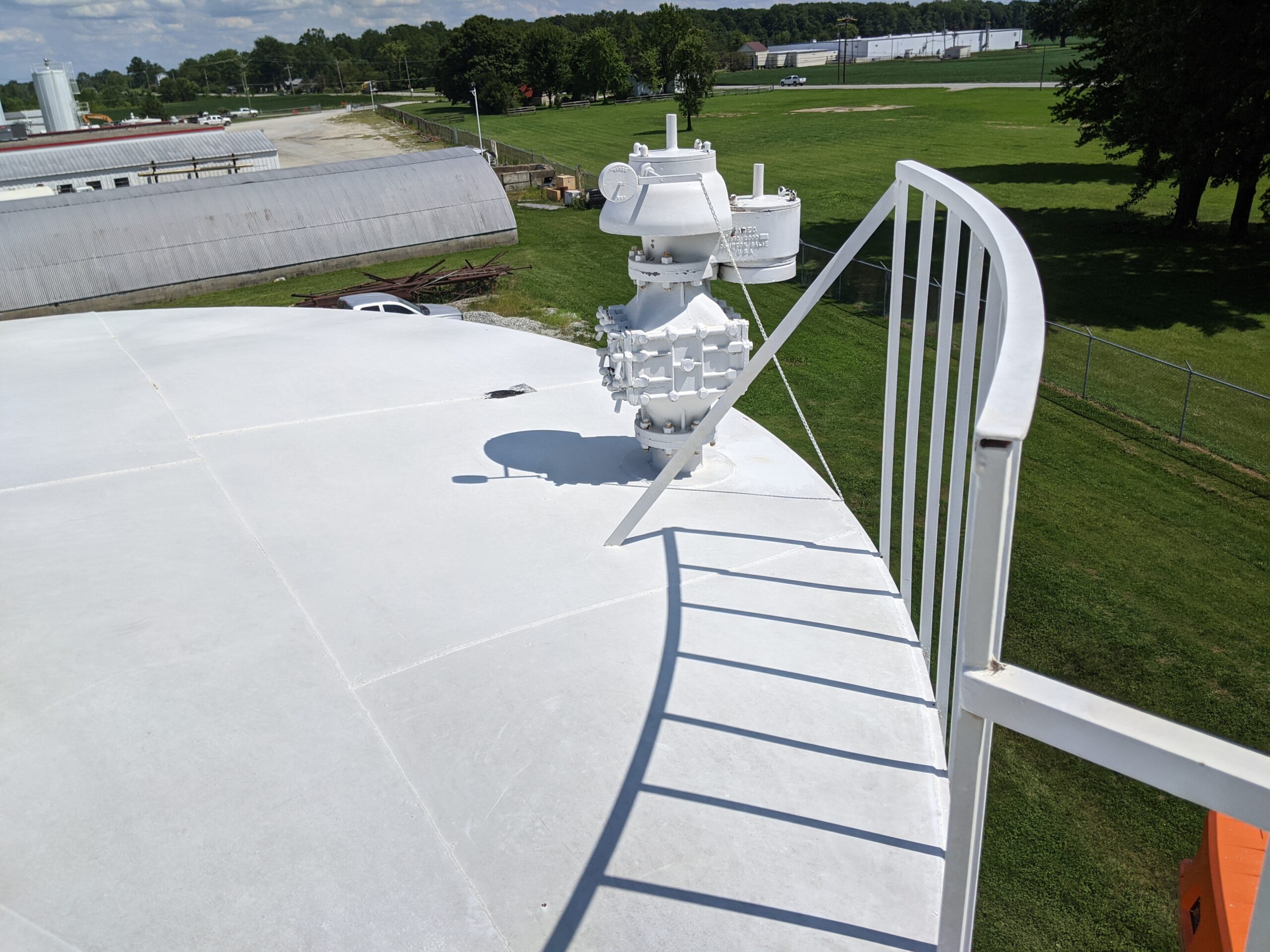
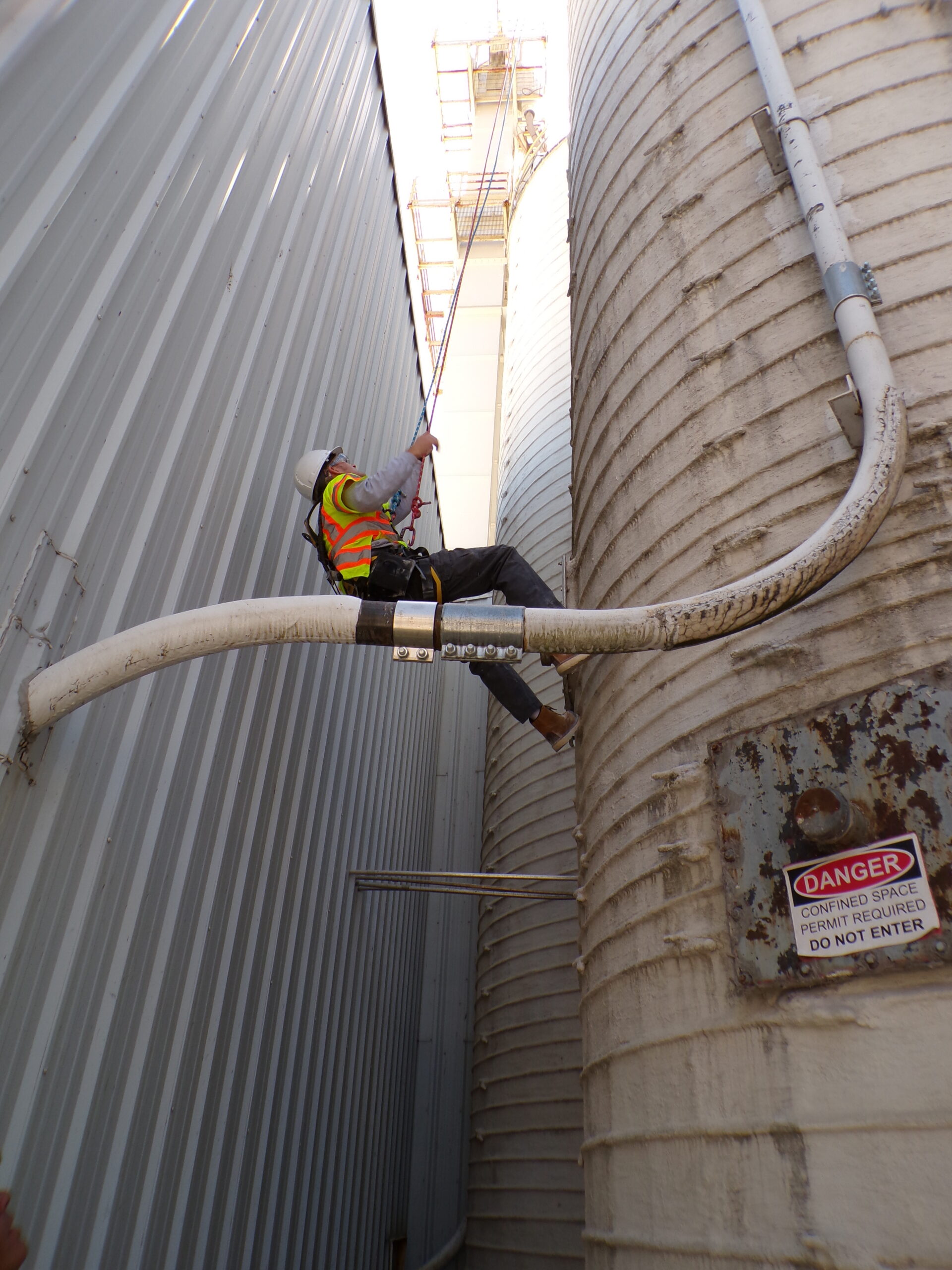
The process of cleaning industrial tanks and silos typically commences with a thorough confined-space risk assessment and the issuance of necessary entry permits. This is followed by the careful selection of pressure settings and nozzle strategies designed to effectively remove adhered solids and residues from interior walls and floors. Our operators meticulously isolate the tanks, ensure proper ventilation, and assess the atmosphere before employing specialized hydroblasting patterns that avoid concentrated scouring near critical seams or instrumentation. Interior residue is then efficiently flushed to designated collection points and captured for proper disposal. Post-cleaning inspection often includes detailed visual checks and, where corrosion is a concern, ultrasonic thickness testing. Follow-up procedures may encompass drying and preparing the surface for subsequent coating applications. These comprehensive steps reinforce the crucial interplay between safe execution and inspection-driven verification before the tank or silo is returned to service.
What Are the Best Practices for Industrial Floor Cleaning and Epoxy Coatings?
Achieving optimal floor preparation for epoxy coatings necessitates the thorough removal of all contaminants, ensuring an appropriate surface profile, and verifying moisture content and adhesion characteristics before application. This meticulous approach is vital to prevent premature delamination. While hydroblasting can effectively remove heavy deposits and texture concrete surfaces, mechanical grinding may be employed when a highly precise surface profile is required. It’s important to note that dry ice blasting is generally not suitable for large-scale concrete surface preparation. Critical pre-application steps include rigorous moisture testing, degreasing, and verifying the substrate’s structural integrity. Neglecting these essential checks significantly increases the risk of coating failure, leading to higher maintenance costs down the line. Adhering to these best practices ensures that coatings bond properly and achieve their expected lifespan.
How Is Wastewater Treatment Plant Cleaning Performed with Hydroblasting?
Cleaning operations within wastewater treatment plants focus on critical components such as clarifiers, sludge transfer lines, digesters, and clarifier arms. Hydroblasting is employed using specialized patterns designed to dislodge and flush accumulated solids while minimizing any disruption to ongoing treatment processes. Comprehensive containment and dewatering plans are implemented to capture dislodged material for appropriate treatment, and cleaning operations are carefully coordinated with plant operators during periods of low flow to prevent any process upsets. Safety protocols are stringent, encompassing atmospheric monitoring, confined-space controls, and precautions against biological exposure for crews. Coordination for the disposal of removed solids is managed in strict accordance with the facility’s established treatment capabilities. These robust operational controls ensure that cleaning enhances hydraulic performance without compromising regulatory compliance.
How Does Industrial Cleaning Support Power Generation Facilities?
Within the power generation sector, cleaning essential components like heat exchangers, condensers, and turbine parts is crucial for restoring thermal efficiency and can lead to reduced fuel consumption by improving heat transfer rates. Controlled cleaning performed during scheduled outages significantly shortens downtime. Method selection is dictated by component sensitivity: hydroblasting can effectively remove fouling from condensers and heat-exchanger tubes when meticulously controlled, while dry ice blasting may be utilized on auxiliary equipment where non-abrasive cleaning is a strict requirement. Comprehensive outage planning involves coordinating cleaning activities with inspections and rotary equipment maintenance to maximize value during these critical scheduled downtime periods. These integrated practices translate cleaning activities into measurable benefits in terms of efficiency and operational reliability.
The following table maps common applications to recommended methods and key considerations for Knoxville facilities.
What Are the Typical Costs and ROI of Dry Ice Blasting and Hydroblasting in Knoxville?
The costs associated with dry ice blasting and hydroblasting are influenced by several factors, including mobilization, the complexity of the job, site accessibility, containment requirements, specific PSI demands, and the overall project duration. The return on investment (ROI) is primarily driven by reduced downtime, lower labor costs associated with disassembly, and extended equipment lifespan. Key cost drivers encompass site preparation, stringent confined-space entry controls, the use of specialized nozzles or blasting tips, the responsible disposal of removed materials, and post-cleaning inspection protocols. Estimating ROI involves a careful comparison of upfront cleaning costs against avoided production losses and deferred capital expenditures. Scoped-package options, which bundle assessment, cleaning, and verification services, can significantly simplify the procurement process. The following subsections will compare costs against other methods, present illustrative ROI scenarios, and describe typical package templates designed for Knoxville clients.
How Does Dry Ice Blasting Cost Compare to Other Cleaning Methods?
While dry ice blasting typically involves higher per-hour equipment and consumable costs compared to manual scrubbing or basic pressure washing, it frequently results in lower overall project costs. This is achieved by significantly reducing downtime, eliminating secondary waste disposal expenses, and minimizing the need for rework. Abrasive blasting might appear cheaper per hour for heavy coating removal, but it generates extensive waste and can cause substrate wear, ultimately increasing repair costs over time. Chemical cleaning, while potentially having lower labor rates, can introduce significant disposal and regulatory compliance costs that offset initial savings. In numerous scenarios where preserving equipment integrity and achieving a rapid return to service are paramount, dry ice blasting ultimately delivers net savings despite its higher initial rates. These comparative cost dynamics are crucial for informing accurate ROI calculations and making informed package selections.
Is Dry Ice Blasting Safe for Sensitive Industrial Equipment?
Yes, dry ice blasting is generally considered safe for sensitive industrial equipment. This is because the CO₂ pellets are non-conductive and non-abrasive when appropriate settings are used. However, it is crucial to conduct equipment-specific testing and ensure the operator possesses the necessary skill to avoid potential damage. For delicate electronics or precision surfaces, operators will perform test patches, carefully adjust pellet size and pressure, and utilize tailored nozzle distances to precisely control impact energy. Exceptions may include very thin or friable materials where any form of kinetic cleaning might prove too aggressive; in such cases, alternative, lower-energy methods are recommended. Pre-job testing and the expertise of experienced operators significantly reduce risk and provide essential assurance before commencing full-scale cleaning operations.
What Industries Use Dry Ice Blasting and Hydroblasting in Knoxville?
Several key Knoxville industries routinely employ these advanced methods to maintain operational cleanliness and ensure effective maintenance. These include manufacturing, food and beverage processing, wastewater treatment, power generation, and restoration services. In manufacturing, dry ice blasting is used to clean production lines and motors; in food processing, it’s essential for sanitizing ovens and conveyors; wastewater facilities rely heavily on hydroblasting for sludge removal; power plants utilize both methods for heat-exchanger and auxiliary equipment maintenance; and restoration teams frequently use dry ice blasting for efficient soot removal. This broad industry coverage helps illustrate how these methods effectively map to diverse facility needs and naturally leads into discussions about scheduling and duration planning.
How Long Does Industrial Cleaning Take with These Methods?
Typical durations for industrial cleaning projects can vary widely. Small, targeted dry ice cleaning jobs might be completed within a few hours. Medium-scale hydroblasting tasks, such as cleaning pipe runs, could take half a day. For larger projects like cleaning major tanks or during significant outage work, the process may extend over multiple days, depending heavily on access constraints and the required containment measures. Key variables influencing duration include the severity of contamination, the necessity for confined-space permitting, the need for post-cleaning inspections, and any required drying or curing times for subsequent coating applications. A pre-job assessment is unequivocally the single most important factor in achieving accurate scheduling. Operations should always plan for contingency, anticipating unforeseen findings that may be revealed during the cleaning process. Understanding these scheduling variables is crucial for facilities aiming to minimize operational disruption.
How Environmentally Friendly Are Dry Ice Blasting and Hydroblasting?
Dry ice blasting is considered environmentally friendly primarily because it completely avoids the use of chemical cleaners and generates minimal secondary waste, as the CO₂ simply sublimates into the atmosphere. However, the source of the CO₂ and its overall lifecycle should be factored into comprehensive sustainability assessments. Hydroblasting is inherently water-based and eliminates the need for chemical use; however, it does generate wastewater that must be meticulously contained, filtered, and disposed of in strict accordance with environmental regulations to prevent offsite contamination. Best practices for both methods include capturing and treating wash water, utilizing recycled or responsibly sourced CO₂, and implementing plans to reduce transport and mobilization impacts. These environmental considerations are increasingly important factors in method selection, particularly for compliance-sensitive facilities.