Florida Epoxy Flooring: Types, Installation, Benefits & Costs
Epoxy flooring delivers a robust, resinous surface engineered to protect and enhance concrete across industrial and commercial environments throughout Florida. This comprehensive guide clarifies the essence of epoxy flooring, details how advanced resinous systems safeguard substrates, and illuminates why professional epoxy floor installation projects in Florida yield significant advantages like superior chemical resistance, robust abrasion protection, and simplified maintenance. Readers will gain insights into the primary epoxy and polyaspartic system types—including metallic, flake, quartz, and polyaspartic—and learn how to strategically match system selection to diverse applications such as warehouses, showrooms, and garages. The guide also meticulously outlines surface preparation protocols, layer build-ups, and realistic timelines for epoxy floor installation in Florida’s unique climate, alongside best practices for maintenance and key cost drivers for accurate epoxy flooring cost Florida estimates. Finally, practical comparisons, ROI considerations, and FAQs address warranty expectations, projected lifespan, and how to rigorously vet resinous flooring contractors in Florida, empowering you to plan your project with absolute confidence.
Epoxy Flooring Services: A Critical Investment for Florida Facilities
Epoxy flooring services provide the installation of advanced resinous flooring systems that chemically bond a multi-part epoxy resin to concrete, creating a seamless, exceptionally hard, and protective surface. This sophisticated mechanism—involving epoxy polymerization and mechanical interlock with a meticulously profiled substrate—produces a surface engineered to resist abrasion, a wide array of chemicals, and relentless vehicle or foot traffic, thereby delivering substantial long-term value for industrial and commercial operations. Florida facilities frequently contend with high humidity, significant temperature fluctuations, and heavy industrial loads that rapidly degrade untreated concrete. Consequently, professional epoxy coatings are indispensable for reducing maintenance downtime and preventing costly surface failures. The subsequent section delves into epoxy composition and precisely details how these bonded resin layers effectively distribute loads and seal pores, offering unparalleled protection against contamination and moisture ingress.
Understanding Epoxy Flooring: The Power Behind Concrete Surface Protection
Epoxy flooring represents a specialized class of resinous flooring where a two-component epoxy (comprising resin and hardener) undergoes a chemical cure to form a continuous, thermoset polymer that permanently bonds to concrete. This chemical curing process establishes a robust, cross-linked network that adheres tenaciously to mechanically profiled concrete, effectively sealing capillaries and preventing the ingress of oils, water, and corrosive agents. This impermeable layer strategically distributes point loads across the substrate, significantly reducing microfracture propagation and wear, ensuring floors maintain their structural integrity and pristine appearance even under the most demanding use. A thorough understanding of epoxy’s superior bonding and barrier functions is crucial for appreciating why meticulous surface preparation and precise resin selection are foundational to achieving long-term, uncompromising performance.
Epoxy Resin Systems: Curing Agents for Industrial and Architectural Coatings
Epoxy resins are frequently used in electrical devices, castings, packaging, adhesive, corrosion resistance, and dip coating. In the presence of curing agents, epoxy resins become rigid and infusible. Eco-friendliness and mechanical functionality have emerged as vulcanization properties. Curing agents are used for surface modification, thermodynamic properties, functional approaches to therapeutic procedures, and recent advances in a variety of fields such as commercial and industrial levels. The curing agent has superior construction and mechanical properties when compared to the commercial one, which suggests that it has the potential for use as the architectural and industrial coatings.
The Imperative of Professional Epoxy Floor Contractors in Florida
Engaging professional epoxy floor contractors ensures precise moisture mitigation, optimal profile generation, and controlled application conditions—each a critical factor for guaranteeing epoxy systems perform exactly as engineered. Industrial-grade techniques, such as shot blasting or diamond grinding, are employed to establish a consistent, ICRI-compliant surface profile essential for superior adhesion, while rigorous moisture testing proactively prevents inter-coat delamination in Florida’s high-humidity regions. Experienced installers meticulously control mix ratios, pot life, and environmental parameters to expertly circumvent common failures like pinholes, blush, or incomplete cure. Hiring a professional significantly mitigates risk and substantially enhances the expected lifespan of your flooring, making thorough contractor vetting an indispensable step before committing to an epoxy flooring investment.
Navigating Florida Climate: Optimizing Epoxy Flooring Performance
Florida’s diverse climate profoundly impacts epoxy cure rates, moisture vapor transmission, and UV exposure, all of which critically influence system selection and project scheduling. Elevated humidity and substrate moisture can prolong cure times or necessitate the use of specialized moisture-tolerant primers, while intense sunlight and pervasive UV exposure demand UV-stable topcoats or high-performance polyaspartic alternatives for exterior applications. Thermal expansion in expansive, heat-exposed concrete slabs requires meticulous attention to joint detailing and the strategic application of crack-bridging products to maintain system continuity. Proactive planning of installation windows around seasonal humidity and the judicious selection of formulations optimized for UV stability are paramount to minimizing rework and consistently delivering superior results in challenging Florida conditions.
Selecting the Optimal Epoxy Flooring Systems for Florida Properties
Our comprehensive range of epoxy and related resinous flooring options includes sophisticated metallic systems, robust flake broadcast systems, heavy-duty quartz/sand-reinforced systems, solid pigmented epoxy, rapid-cure polyaspartic coatings, and ultra-durable urethane cement. Each system is meticulously engineered to balance durability, aesthetics, cure time, and UV tolerance, ensuring specific choices are optimally suited for demanding warehouses and high-traffic retail environments. The table below provides a strategic comparison of common systems against practical attributes highly relevant to Florida properties, empowering owners to make informed decisions based on durability, cure speed, UV resistance, and typical use-cases.
| System Type | Key Performance Attribute | Ideal Application |
|---|---|---|
| Metallic Epoxy | Striking Aesthetics, Seamless Finish | Showrooms, Lobbies, Hospitality |
| Flake Broadcast Epoxy | Enhanced Abrasion Resistance, Slip Control | Garages, Commercial Kitchens, Light Industrial |
| Quartz/Aggregate Epoxy | Extreme Durability, Superior Load Distribution | Warehouses, Manufacturing Facilities |
| Polyaspartic Coatings | Rapid Cure, UV Stability, Outdoor Suitability | Exterior Slabs, Time-Sensitive Commercial Projects |
This strategic comparison empowers you to align resinous flooring choices with your specific Florida applications and operational priorities.
Beyond system types, epoxy and polyaspartic solutions are built from essential components like primer coats, base epoxy layers, aggregate broadcasts, and durable topcoats. Understanding these elements is key to specifying the optimal build-up for your project.
Unlocking the Strategic Benefits of Metallic Epoxy Flooring in Florida
Metallic epoxy creates a visually transformative, continuous surface through the strategic incorporation of iron oxide pigments and metallic additives, which produce exceptional depth and sheen after the application of clear topcoats. This sophisticated mechanism involves the intricate scattering and reflection of light within the cured resin layers, dramatically enhancing showroom or lobby aesthetics while rigorously maintaining the protective functions inherent to a high-performance resinous system. Metallic finishes are engineered to resist routine scuffs when meticulously sealed and offer effortless cleaning for dynamic retail environments, though they are less suited to heavy chemical exposure or abrasive loading without the reinforcement of a robust topcoat. For projects where brand image and impactful visitor impressions are paramount, metallic epoxy delivers both unparalleled form and uncompromising function when specified with precision.
Flake Epoxy Systems: Elevating Industrial and Commercial Floor Performance
Flake epoxy systems involve broadcasting decorative flakes into a colored base coat, which is then meticulously sealed with a clear polyaspartic or urethane topcoat, resulting in a textured, highly slip-resistant surface. The broadcast flakes serve as a sacrificial, replaceable layer that effectively conceals wear and strategically scatters traffic patterns, while the sealed topcoat provides superior chemical and abrasion resistance. This system proves exceptionally valuable in garages, high-traffic food service areas, and light-industrial bays where both sophisticated aesthetics and critical functional slip control are non-negotiable requirements. The meticulously layered build-up—comprising primer, base coat, broadcast, flush coat, and topcoat—also significantly simplifies future localized repairs, optimizing long-term maintenance.
Polyaspartic Coatings: A High-Performance Alternative to Traditional Epoxy
Polyaspartic coating is a rapidly curing aliphatic polyurea derivative that offers exceptionally fast recoat windows and superior UV stability when compared to many standard epoxy systems. Its mechanism—driven by rapid cross-linking chemistry—enables a swift return-to-service in mere hours rather than days, providing a significant operational advantage for businesses requiring minimal downtime. While traditional epoxies excel in adhesion and cost-effectiveness for indoor industrial applications, polyaspartics are engineered for superior performance in outdoor exposures and fast-track commercial projects where UV yellowing and expedited project turnaround are critical. Choosing between these advanced systems necessitates a strategic evaluation of cure speed, UV resistance, specific adhesion demands, and budgetary considerations.
Superior Properties of Epoxy Resins in Coatings: Heat, Chemical Resistance, and Curing
Epoxy resins are usually more expensive than their rivals, such as phenolic resins for coatings or laminates. Therefore, epoxy resins find application because of their superior properties, which include both processing and those of the cured resin. The processing is convenient since it is possible to formulate compositions with the required rheological properties, such as low viscosity, and there is also a wide choice of hardeners so that it is possible to cure at ambient as well as elevated temperatures. Because epoxy resins can be cross-linked without the formation of low molecular weight products, volatiles are not evolved during cure, and the resins have only a relatively low shrinkage during curing. Their mechanical and electrical properties are superior to other resins and they have good heat and chemical resistance.
Engineered Industrial Epoxy Flooring Solutions for Florida Warehouses and Manufacturing
Industrial facilities demand high-build epoxy or urethane cement systems meticulously engineered to withstand the relentless forklift traffic, heavy pallet loads, and aggressive chemical spills commonly encountered in manufacturing environments. These robust solutions frequently incorporate reinforced quartz or aggregate layers, advanced crack-bridging primers, and abrasion-resistant topcoats, all specified to meet measurable standards for wear and hardness. Proactive moisture mitigation measures—such as high-performance vapor barriers or moisture-tolerant primers—are absolutely essential in slab-on-grade conditions to prevent adhesive failure. Precisely specifying system attributes like abrasion resistance (Taber), chemical compatibility, and projected lifecycle critically supports informed procurement decisions and strategic long-term asset management.
Optimizing Operations: The Benefits of Commercial Epoxy Flooring for Florida Retail and Restaurants
Commercial epoxy flooring delivers seamless, highly stain-resistant surfaces that significantly simplify cleaning protocols and robustly support stringent sanitation programs in restaurants and retail establishments. Integrated texture and slip-resistant additives can be precisely tailored to meet local safety expectations, while a diverse range of aesthetic options strategically supports brand identity through custom color and pattern choices. The inherently low-porosity surface dramatically reduces the harboring of dirt and bacteria, making daily maintenance faster, more efficient, and ultimately less costly. For discerning retail and hospitality operators, this reduction in cleaning time and the assurance of a consistently pristine appearance directly translate to tangible operational savings and an elevated customer experience.
Precision Surface Preparation: The Foundation for Durable Epoxy Floors
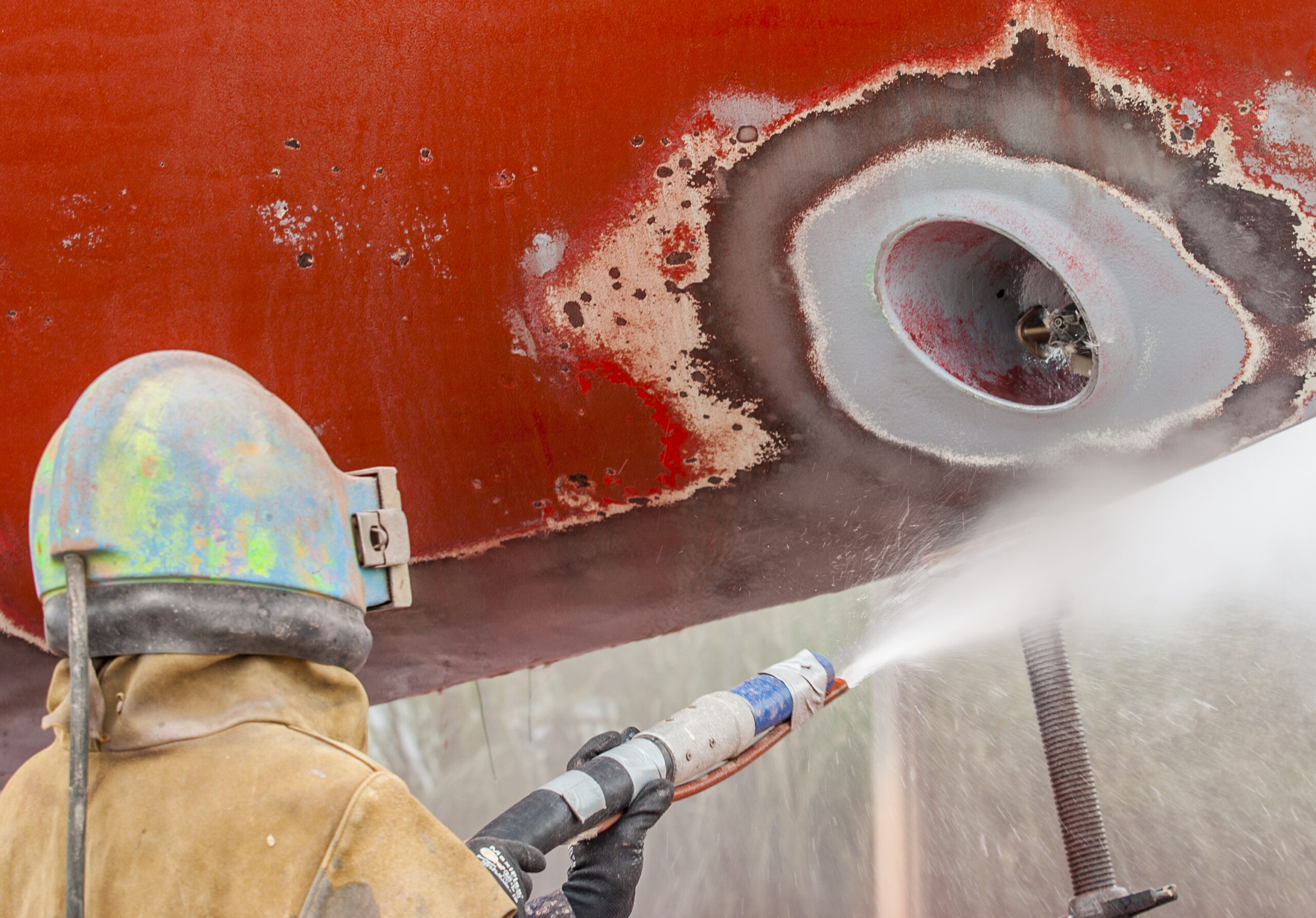
Meticulous surface preparation for epoxy floors employs advanced mechanical profiling techniques—such as diamond grinding or shot blasting—to thoroughly remove contaminants, expose aggregate, and create a consistent, ICRI-compliant profile that ensures optimal epoxy bonding. Concrete repairs meticulously address spalls, cracks, and surface defects using high-performance polymer-modified repair mortars, while comprehensive moisture testing precisely quantifies vapor drive risks that could lead to costly delamination. Proper preparation is paramount; it precisely controls the adhesion mechanism and proactively prevents common failures like pinholing or adhesive failure. Therefore, strategically allocating sufficient time and budget to this critical prep phase yields substantial long-term savings. Following preparation, thorough cleaning and vacuuming meticulously remove all dust and residues, ensuring primers can penetrate deeply and bond effectively.
The Systematic Application Process for Optimal Epoxy Coatings
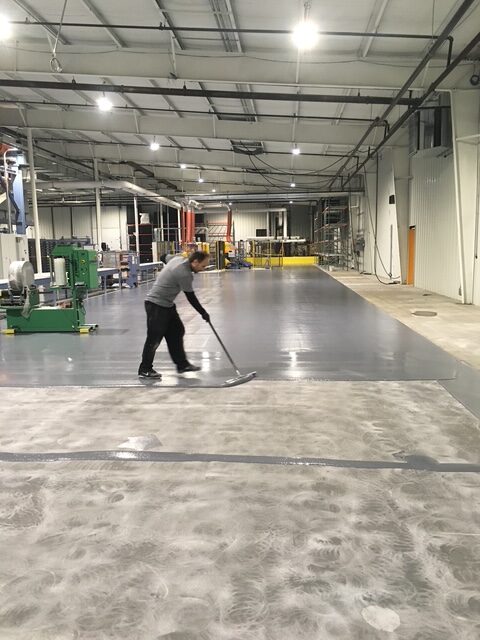
The application sequence for epoxy coatings typically follows a precise protocol: primer, base coat, optional aggregate broadcast, flush coat, and a final topcoat, all executed with stringent control over mix ratios and pot life to ensure a complete and robust cure. Environmental factors like temperature and humidity significantly influence pot life and cure rates, necessitating that our expert installers meticulously adjust schedules or strategically select alternative chemistries (e.g., polyaspartic) to meet project timelines. Broadcast aggregates, when specified for texture, are applied while the base coat remains tacky and are subsequently sealed to create a continuous, integrated surface. Rigorous quality inspections are conducted to meticulously evaluate adhesion, film thickness, and overall surface appearance before the final handover to operations, ensuring uncompromising standards.
Proactive Maintenance Strategies for Extended Epoxy Floor Longevity
Routine maintenance for epoxy floors involves consistent sweeping, wet mopping with pH-neutral cleaners, and immediate cleanup of any chemical spills to meticulously preserve the topcoat and proactively prevent substrate attack. Periodic, thorough inspections are crucial for identifying any chips, delamination, or joint failures that may necessitate localized repairs; readily available touch-up kits and precise patch procedures enable swift remediation without the need for full system replacement. It is imperative to avoid harsh acids or solvent cleaners, which can degrade the polymer; instead, always utilize manufacturer-recommended products. Implementing a predictable and proactive maintenance schedule significantly reduces lifecycle costs and substantially extends the service life of your resinous flooring investment.
Engineered Resilience: Durability and Chemical Resistance of Epoxy Floors in Florida Industrial Settings
Epoxy floors are meticulously engineered to resist oils, solvents, and a broad spectrum of alkaline or acidic solutions commonly found in manufacturing environments, provided they are precisely formulated for chemical compatibility. Their exceptional wear resistance is derived from the inherent hardness of the cured polymer and the strategic reinforcement of aggregates. Selecting a chemically resistant base and topcoat, and rigorously confirming compatibility with specific site chemicals, is paramount to preventing premature degradation. Industry best practice dictates evaluating resistance through comprehensive exposure tests and a proven service history; proper specification, meticulously aligned to the anticipated chemical environment, yields predictable performance and an optimized lifecycle.
Maximizing Return: Long-Term Savings and ROI of Epoxy Flooring in Florida
Substantial long-term savings are realized through significantly reduced maintenance labor, lower consumption of cleaning chemistry, fewer floor replacements, and minimized operational downtime for repairs. When lifecycle costs are meticulously modeled—factoring in projected lifespan and anticipated maintenance needs—durable resinous systems consistently outperform cheaper floor overlays over a strategic 5–15 year horizon. Investing in precise specifications for load capacity, chemical exposure, and UV environment critically optimizes the total cost of ownership and robustly supports predictable capital planning for facilities, ensuring a superior financial return.
Mid America Service Solutions: Comprehensive Epoxy Flooring Coverage Across Florida
Mid America Service Solutions proudly serves multiple key Florida markets, with Jacksonville, Miami, Tampa, and Orlando prominently listed among our core service areas for epoxy flooring projects. Our strategic local availability across these major metropolitan regions ensures timely site assessments, expertly coordinated surface-preparation work, and meticulously scheduled installations that precisely account for regional climate nuances and complex logistical factors. For discerning owners seeking local estimates, requesting a comprehensive site visit is paramount; it enables accurate moisture testing and precise prep-scoping, which are foundational to generating reliable proposals and realistic project timelines.
Tailored Epoxy Flooring Solutions: Serving Jacksonville, Miami, Tampa, Orlando, and surrounding areas
In Jacksonville, Miami, Tampa, and Orlando, our comprehensive epoxy services commonly encompass high-performance commercial and industrial coatings, sophisticated decorative flake systems for garages, and heavy-duty quartz or urethane cement systems engineered for demanding warehouses and manufacturing facilities. Local projects frequently necessitate strategic scheduling that meticulously accounts for seasonal humidity in Houston or the intense summer temperatures prevalent in Austin and Dallas, both of which significantly influence cure profiles and logistical planning. Our service offerings in these dynamic cities are precisely tailored to match common industry demands—including warehousing, food service, retail, and light manufacturing—through expert system selection and uncompromising professional installation.
The Strategic Advantage of Local Expertise in Florida Epoxy Flooring
Local expertise significantly accelerates correct scheduling, facilitates the precise selection of UV-stable or moisture-tolerant chemistries, and ensures immediate access to regional supply chains for aggregates and specialty coatings. Contractors intimately familiar with local substrate conditions can proactively anticipate common slab issues and recommend preemptive repairs that effectively prevent costly delays. Furthermore, faster response times for service calls and localized knowledge of municipal permitting or site-access norms collectively reduce project friction and enable a smoother, more efficient execution, providing a distinct strategic advantage.
Demonstrating Success: Florida Case Studies and Project Examples
Exceptional case studies meticulously detail the initial challenge, the strategically chosen resinous system, the precise surface-preparation methods employed, the project timeline, and measurable outcomes such as significant downtime reduction or improved safety metrics; compelling before-and-after imagery further enhances credibility and understanding. Prospective customers should actively seek examples that closely match their industry and project scale to gain invaluable insights into how similar constraints were expertly addressed. Reviewing detailed project examples is crucial for translating technical specifications into expected field performance and for informing critical procurement decisions with confidence.
Expert Answers: Frequently Asked Questions About Florida Epoxy Flooring Services
This comprehensive FAQ section provides succinct, expert answers to common inquiries, offering strategic guidance for your Florida epoxy flooring projects. Each snippet-ready response is followed by a brief elaboration to support informed planning and contractor evaluation.
Maximizing Lifespan: Epoxy Flooring Durability in Florida Conditions
The projected lifespan of epoxy flooring ranges from approximately 7–15 years for decorative systems to an impressive 10–25 years or more for industrial-grade, meticulously maintained resinous floors. Longevity is critically dependent on correct system selection, the quality of surface preparation, exposure to chemicals and UV radiation, and consistent, proactive maintenance. Regular inspections and timely, targeted repairs are essential for extending service life and safeguarding your initial investment.
Optimized Solutions: Epoxy Flooring Suitability for Florida Industrial Facilities
Yes—epoxy flooring is exceptionally suitable for industrial facilities when the system is precisely matched to the specific conditions: flake or quartz systems are ideal for garages, while heavy-duty epoxy or urethane cement systems are engineered for demanding industrial loads. Moisture-prone slabs necessitate rigorous testing and mitigation to ensure uncompromising adhesion. Choosing the right chemistry and application method is paramount for determining optimal suitability and long-term performance.
Strategic Evaluation: Pros and Cons of Diverse Epoxy Flooring Types
Each resinous type presents distinct trade-offs: metallic epoxy delivers unparalleled aesthetics but may offer less chemical resistance without a robust topcoat; flake systems expertly balance appearance with critical slip control; quartz systems prioritize extreme durability for heavy loads; and polyaspartics provide rapid cure times and superior UV stability. Strategic selection among these options requires a meticulous balancing of cost, cure time, UV exposure, and long-term maintenance expectations. A precise specification that aligns system properties with your operational demands consistently yields the most favorable outcome.
Strategic Selection: Choosing the Right Epoxy Flooring Contractor in Florida
Select contractors through rigorous vetting, evaluating their proven experience with similar projects, demonstrable evidence of proper surface-preparation capabilities, verifiable references or detailed project case studies, and transparent proposals that meticulously describe moisture testing, repair scope, and cure timelines. Always request detailed scope documents and clear inspection criteria to proactively avoid hidden costs. As a strategic partner, Mid America Service Solutions proudly lists epoxy flooring among its core services, integrating comprehensive industrial cleaning and coating capabilities to expertly manage both preparation and coating workflows for Florida projects; interested owners are encouraged to request local estimates or review our case studies to compare our uncompromising approach.