Professional Cement Silo Cleaning: Safety, Methods & Benefits
Did you know hardened cement buildup can cut silo storage capacity by up to 50% and drive unexpected downtime? Professional cement silo cleaning restores full material flow, maximizes storage efficiency, and enforces strict safety protocols. In this guide, you’ll discover the most effective cleaning methods, why safety is non-negotiable, optimal cleaning schedules, top advantages of professional services, how to select the right contractor, the equipment involved, and the most common concerns related to cement silo cleaning.
What Are the Most Effective Cement Silo Cleaning Methods?
Professional cement silo cleaning methods combine mechanical, pneumatic, hydraulic, and robotic technologies to dislodge and remove compacted material buildup. Each approach targets specific blockage types, restoring silo capacity and preventing downtime.
How Does Whip Cleaning Remove Hardened Cement Buildup?
Whip cleaning systems use a rotating flexible head fitted with high-strength cables (“whips”) to strike and break up adherent material on silo walls and floors.
- High-speed rotation generates impact energy to crack and dislodge cement crust.
- Adjustable whip length adapts to varying silo diameters and buildup densities.
- Non-entry operation reduces confined-space risk and accelerates cleanup.
Whip cleaning effectively tackles bridging and rat-holing by continuously agitating material, paving the way for pneumatic removal.
What Are the Advantages of Pneumatic Silo Cleaning Systems?
Pneumatic cleaning systems leverage bursts of compressed air delivered through lances or nozzles to fluidize and eject hardened deposits.
- Rapid pressure waves fracture compacted material without manual entry.
- Minimal water usage prevents moisture-induced caking and corrosion.
- Targeted airflow reaches dead zones at the hopper and discharge outlets.
Pneumatic cleaning enhances safety by keeping personnel outside the silo and boosts efficiency by clearing blockages in minutes.
When Should Hydroblasting and CO2 Blasting Be Used for Silos?
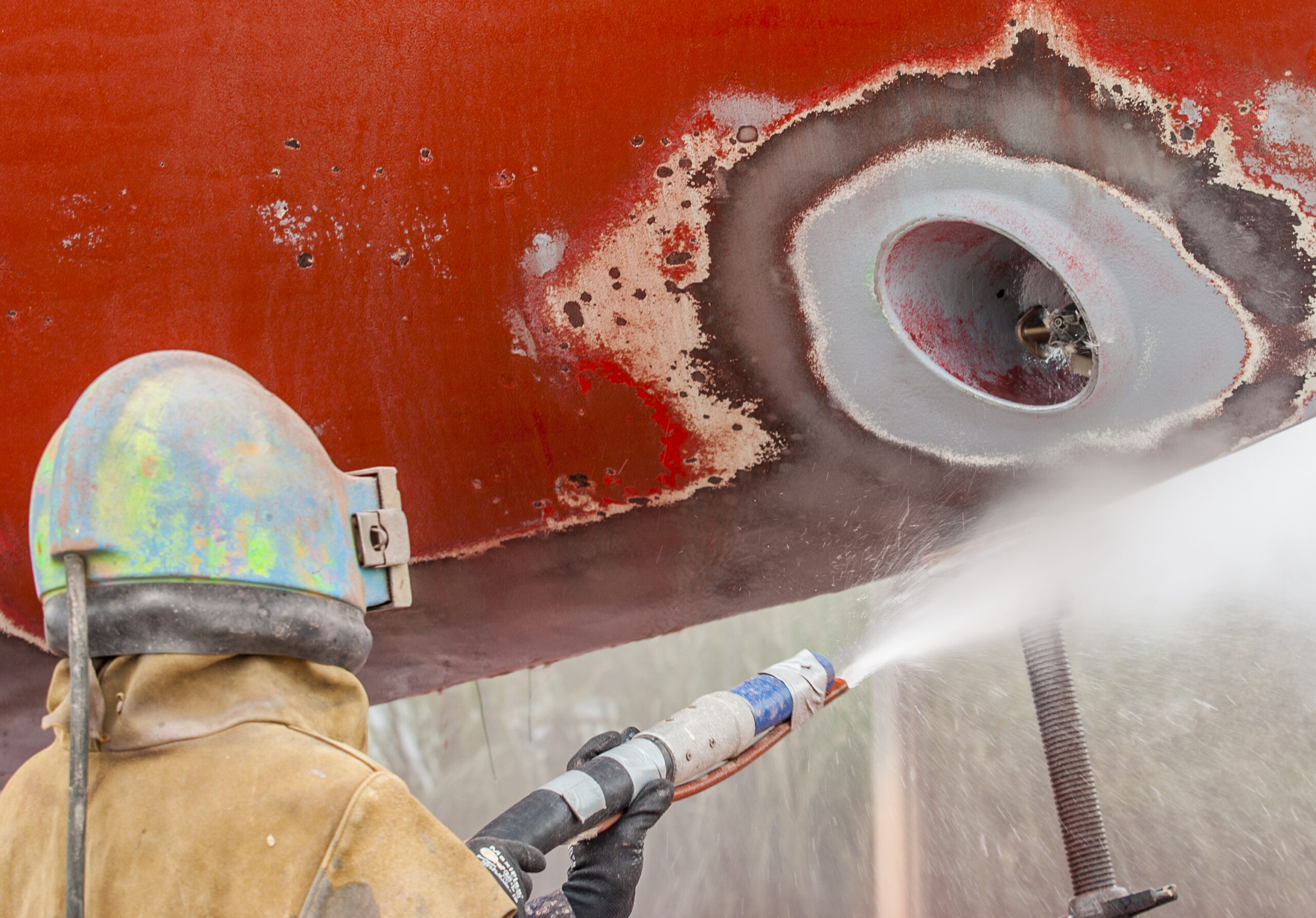
High-pressure hydroblasting and CO₂ blasting serve as heavy-duty options for thick, stubborn cement buildup that resists mechanical methods.
| Method | Pressure Medium | Ideal Use Case | Benefit |
|---|---|---|---|
| Hydroblasting | Water (10,000–30,000 psi) | Thick, cementitious liner removal | Cleans deep deposits without chemicals |
| CO₂ Blasting | Solid CO₂ Pellets | Delicate surfaces or moisture-sensitive coatings | Leaves no secondary waste |
Hydroblasting restores wall integrity after prolonged neglect, while CO₂ blasting prevents water intrusion and residue.
How Does Robotic Cleaning Improve Silo Maintenance Safety and Efficiency?
Robotic silo cleaning employs remote-controlled crawlers equipped with whips, sprayers, or pneumatic tools to perform non-entry cleaning.
- Eliminates all confined-space entry, cutting engulfment hazards.
- Provides high-definition camera feedback for real-time monitoring.
- Operates continuously with programmed cleaning patterns.
Robotic systems boost operational uptime by cleaning large silos overnight without human intervention.
What Are the Safety Protocols for Manual Confined Space Entry Cleaning?
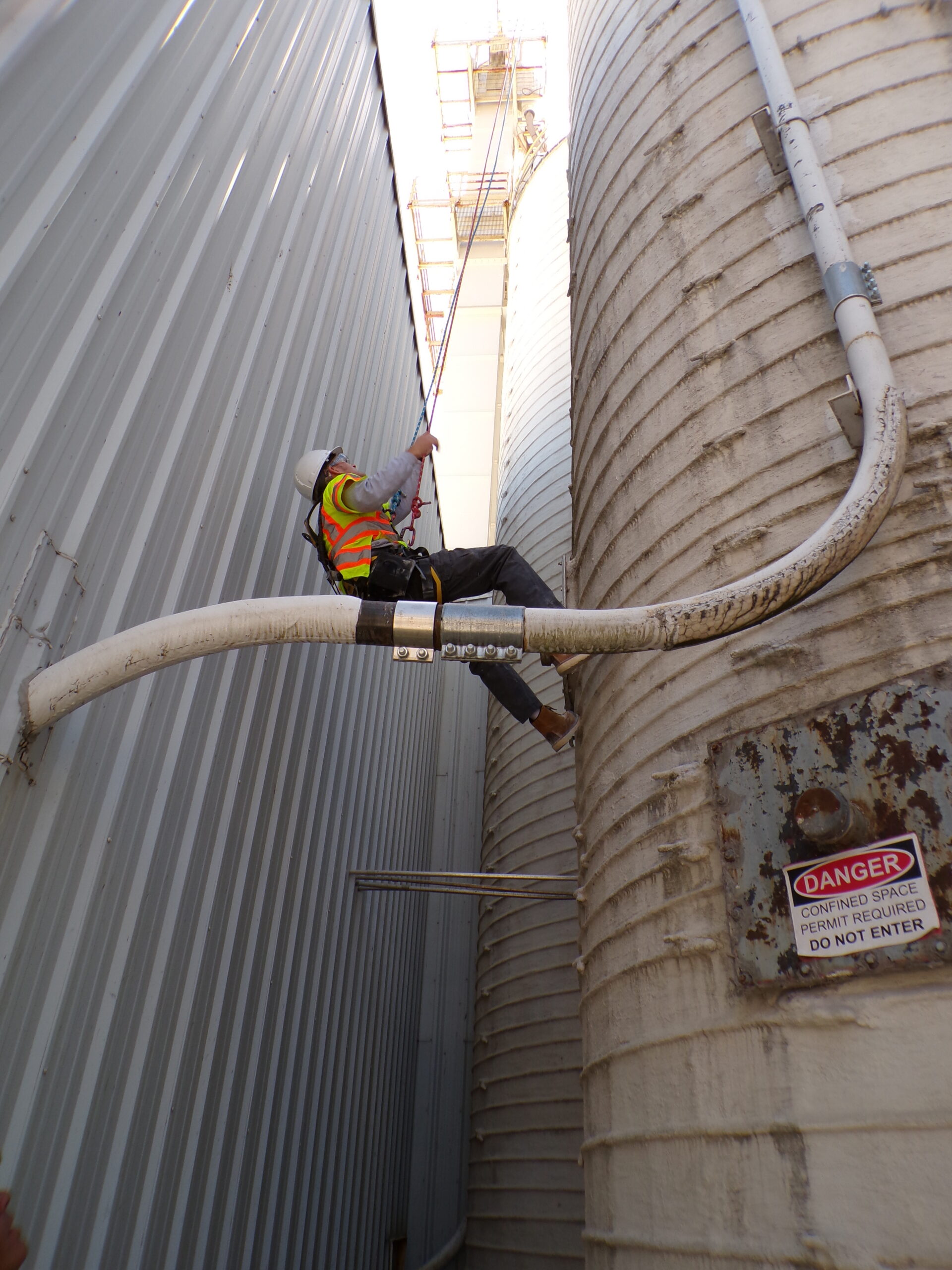
In situations where non-entry methods are insufficient, manual entry follows rigorous confined space procedures to protect workers.
- Perform a comprehensive permit-required confined space assessment.
Confined Space DefinitionOSHA defines a confined space as one that is large enough for an employee to enter and perform work, has limited or restricted means of entry or exit, and is not designed for continuous employee occupancy. These spaces pose risks that require specific safety protocol. - Test for toxic or combustible gases using calibrated detectors.
- Establish continuous communication and standby rescue teams.
- Require full-body harnesses, self-contained breathing apparatus, and gas monitors.
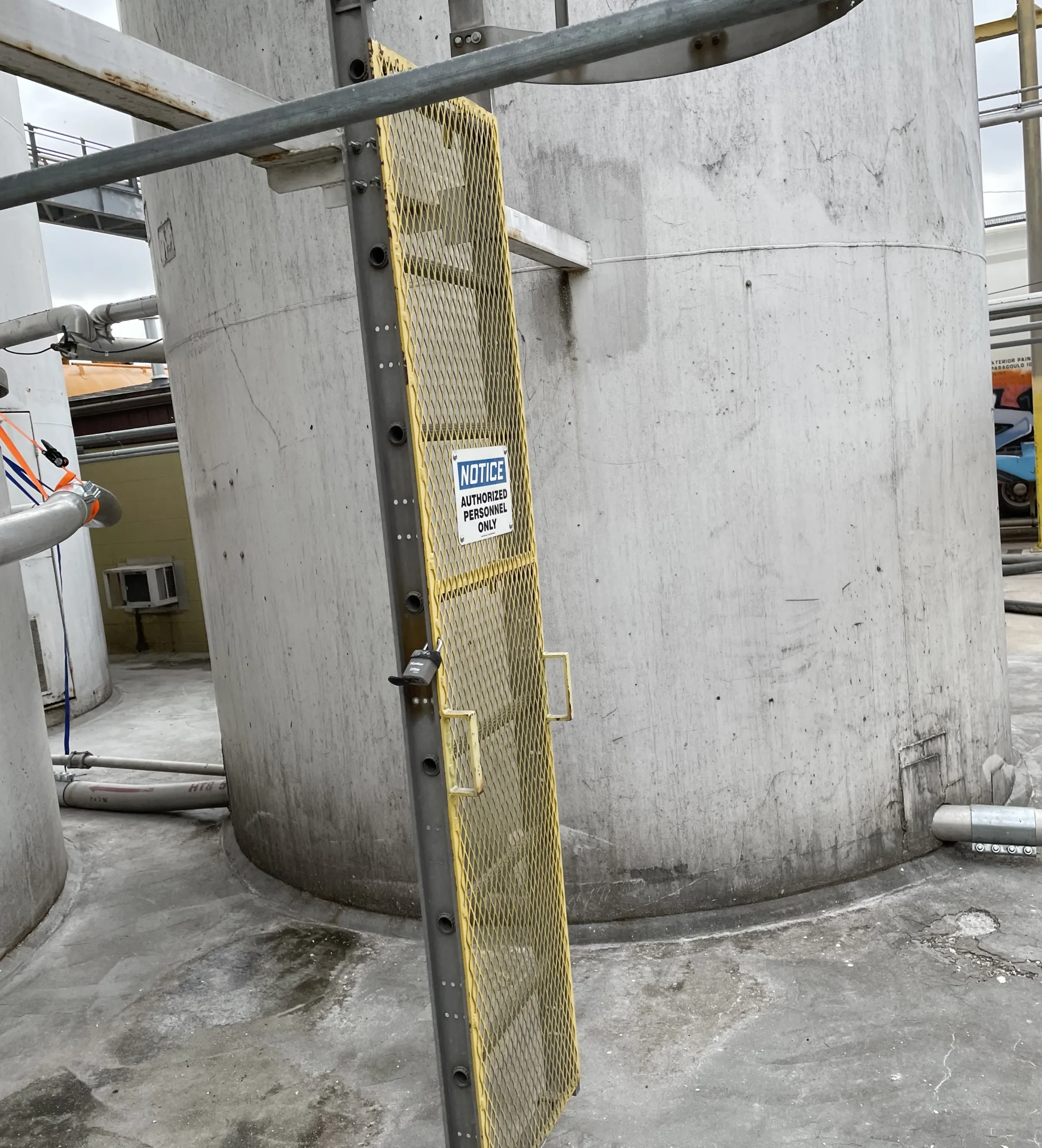
- Enforce lock-out/tag-out of all materials feed and discharge lines.
Strict adherence to these protocols ensures manual interventions proceed without compromise to worker safety.
Why Is Safety Critical in Cement Silo Cleaning?
Cement silo cleaning involves confined-space entry, airborne dust, and engulfment risks that demand compliance with OSHA and MSHA regulations. Proper hazard management and protective measures prevent fatalities and maintain regulatory standing.
of adhering to safety regulations during cement silo cleaning.
How Are Hazards Like Gases and Engulfment Identified in Silos?
Hazard identification relies on systematic risk assessment:
- Gas testing for oxygen deficiency, carbon monoxide, and combustible atmospheres.
- Physical inspection for bridging and rat-holing to detect collapse or engulfment zones.
- Dust sampling to evaluate respirable crystalline silica levels.
Health Hazards of Cement Dust
Cement dust exposure can lead to various health issues, including respiratory problems like bronchitis, silicosis, and lung cancer [3, 6, 8, 11]. The dust can irritate the eyes, skin, and respiratory system, and prolonged exposure can cause severe and irreversible lung diseases [1, 6, 8, 11].
Dustcontrol UK, “Is Cement Dust Harmful?” (2024-08-05)
This citation highlights the health risks associated with cement dust, emphasizing the need for safety measures during cleaning.
What Personal Protective Equipment (PPE) Is Required for Silo Cleaning?
Essential PPE minimizes exposure to physical, chemical, and atmospheric hazards:
- Full-face respirators with P100 filters for silica dust.
- Intrinsically safe headlamps and communication radios.
- Chemical-resistant coveralls and steel-toe boots.
- Fall-arrest harness with dual lanyards.
This gear integrates into a hierarchy of controls to shield workers during cleaning.
Why Is Professional Training Essential for Safe Silo Cleaning?
Specialized training certifies personnel in confined-space rescue, hazard recognition, and equipment operation:
- Confined Space Entry and Rescue Certification aligns with OSHA standards.
- Competency in gas-monitor calibration and interpretation.
- Hands-on instruction for mechanical, pneumatic, and hydroblasting systems.
Trained teams execute complex cleaning projects efficiently while mitigating every recognized hazard.
How Often Should Cement Silos Be Cleaned to Maintain Efficiency?
Regular cleaning prevents material compaction and maximizes throughput. Scheduling depends on cement properties, environmental conditions, and production cycles.
What Causes Material Buildup in Cement Silos?
Material buildup originates from several factors:
- Moisture and condensation promote cement particle adhesion.
- Fine cement fractions create dense cake when stored long term.
- Temperature fluctuations induce wall shrinkage and bridging.
Addressing these root causes informs proactive maintenance schedules.
What Are the Consequences of Neglecting Regular Silo Cleaning?
Ignoring buildup leads to severe operational and safety impacts:
- Blockages reduce storage capacity and trigger unplanned shutdowns.
- Rat-holing deprives discharge outlets of material flow, causing uneven feeding.
- Dust ejections during unblocking create respiratory hazards.
Persistent neglect multiplies downtime costs and amps up safety liabilities.
How Does Regular Cleaning Prevent Operational Downtime and Material Loss?
Routine cleaning restores free-flow conditions and preserves system integrity:
- Eliminates obstructions before bridging solidifies.
- Recovers trapped product, boosting material yield.
- Reduces emergency response calls, cutting overtime expenses.
A proactive maintenance interval of three to six months balances safety and efficiency.
What Are the Key Benefits of Professional Cement Silo Cleaning?
Hiring specialists ensures complete removal of buildup under full safety controls, delivering measurable operational gains.
How Does Cleaning Maximize Silo Storage Capacity and Material Flow?
Professional cleaning restores original silo volume and uniform flow:
Benefits of Professional Cleaning
Professional cement silo cleaning maximizes storage capacity and material flow by removing buildup, which can restore original silo volume and uniform flow [5, 12, 15, 17]. This can lead to higher throughput and reduced waste [5, 12, 15, 17].
Environmental Remedies, “Silo Cleaning: Cut Contamination and Boost Efficiency”
This citation supports the advantages of professional cleaning services in terms of operational efficiency.
- Improves downstream equipment performance by preventing surges.
- Ensures consistent material feed rates, optimizing production scheduling.
Maximized capacity directly translates into higher throughput and reduced waste.
In What Ways Does Cleaning Reduce Downtime and Increase Profitability?
Expert cleaning teams minimize unplanned stops and labor costs:
- Rapid non-entry methods complete jobs in hours, not days.
- Avoids emergency manual entry expenses and associated liability.
- Recovers product that would otherwise be discarded.
Cost savings from prevented shutdowns and material recovery boost profit margins.
How Does Silo Cleaning Enhance Worker Safety and Product Quality?
Effective cleaning promotes a safer, contamination-free environment:
- Eliminates dust hazards that can spark respiratory illnesses.
- Prevents cross-contamination between different cement formulations.
- Reduces manual entry, cutting fall and engulfment risks.
Safer conditions and consistent product quality reinforce brand reputation and compliance.
How Do You Choose the Right Cement Silo Cleaning Service Provider?
Selecting the ideal contractor involves evaluating certifications, technology offerings, and service flexibility.
What Experience and Certifications Should a Silo Cleaning Company Have?
Look for teams with:
- OSHA and MSHA confined-space entry credentials.
- Proven track record handling cement, fly ash, and slag silos.
- Documented safety records and client references.
Certified experience underpins reliable, compliant service delivery.
Why Is Technology and Emergency Response Capability Important?
Advanced providers offer rapid mobilization with specialized equipment:
- Standby vacuum trucks, hydroblasting units, and robotic crawlers.
- 24/7 emergency response to minimize unplanned downtime.
- Real-time monitoring systems for on-site progress updates.
Technology readiness and quick reaction times protect operations from extended interruptions.
How Can Customized Solutions Improve Your Silo Cleaning Outcomes?
Tailored approaches address unique facility needs:
- Custom nozzle configurations for odd-shaped silos.
- Variable pressure settings for different cement grades.
- Integrated inspection and maintenance plans.
Bespoke solutions ensure thorough cleaning with minimal production impact.
What Equipment Is Used in Cement Silo Cleaning?
A combination of specialized machinery and tools delivers efficient, safe cleaning outcomes.
How Do Industrial Vacuum Trucks Support Silo Cleaning Operations?
Vacuum trucks deploy high-powered suction to extract dislodged debris and residual dust.
- Large debris hoppers facilitate continuous removal.
- HEPA-filtered systems maintain air quality around the silo.
- Quick-connect hoses adapt to various discharge openings.
Industrial vacuums complete non-entry cleanup and prepare silos for inspection.
What Are Silo Cleaning Whips and Lances?
Whips are rotating flexible cables; lances are rigid air or water-injection nozzles.
- Whips mechanically shatter buildup with impact force.
- Pneumatic lances route compressed air to fluidize deposits.
- Hydro lances direct pressurized water for stubborn residues.
These tools combine to remove all grades of cement buildup safely.
How Are Specialized Robots Used for Non-Entry Silo Cleaning?
Robotic crawlers integrate onboard cleaning heads and sensors for remote operation.
- Programmable cleaning patterns adapt to varying wall geometries.
- High-definition cameras guide operators and document progress.
- Modular attachments switch between whips, brushes, or sprayers.
Specialized robots eliminate human entry, ensuring maximum safety and precision.
What Are Common Questions About Cement Silo Cleaning?
Project planners frequently inquire about methods, frequency, risks, costs, and equipment.
- Primary Methods: Whip cleaning, pneumatic blow-through, hydroblasting, CO₂ blasting, and remote robotic systems excel at removing hardened cement deposits.
- Ideal Frequency: Cleaning every three to six months prevents buildup for most cement types in moderate humidity conditions.
- Key Dangers: Confined-space hazards include toxic gases, engulfment, falls, and respirable silica dust exposure.
- Cost Factors: Pricing depends on silo size, method selected, access complexity, and emergency response needs.
- Typical Equipment: Common tools include vacuum trucks, rotating whip heads, pneumatic lances, hydroblasting units, and robotic crawlers.
Cement silo cleaning restores full storage capacity, ensures reliable material flow, and safeguards personnel through regulated safety controls. By choosing trained professionals equipped with advanced technology and rigorous protocols, operators can prevent costly downtime and protect worker health while maximizing profitability. Continuous proactive cleaning schedules cement the foundation for long-term operational excellence.