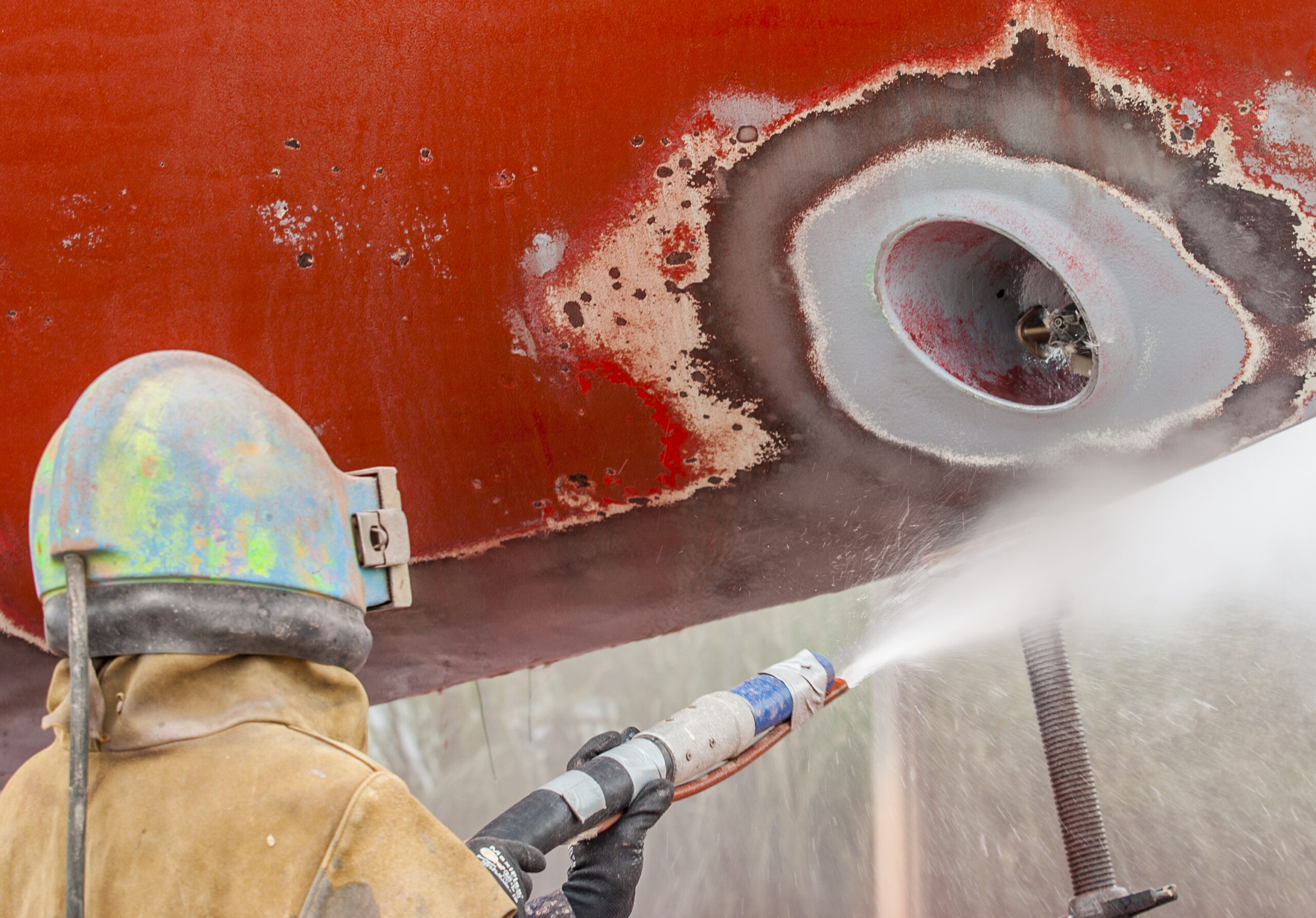
Sandblasting vs. Hydro Blasting vs. Dry Ice Blasting: Which Surface…
When it comes to industrial surface preparation, coating removal, and equipment cleaning, not all blasting methods are created equal. The right choice depends on your…

Not Sure Where to Start? Check Out Our Case Studies to Get an Inside Look!
When it comes to industrial surface preparation, coating removal, and equipment cleaning, not all blasting methods are created equal. The right choice depends on your…
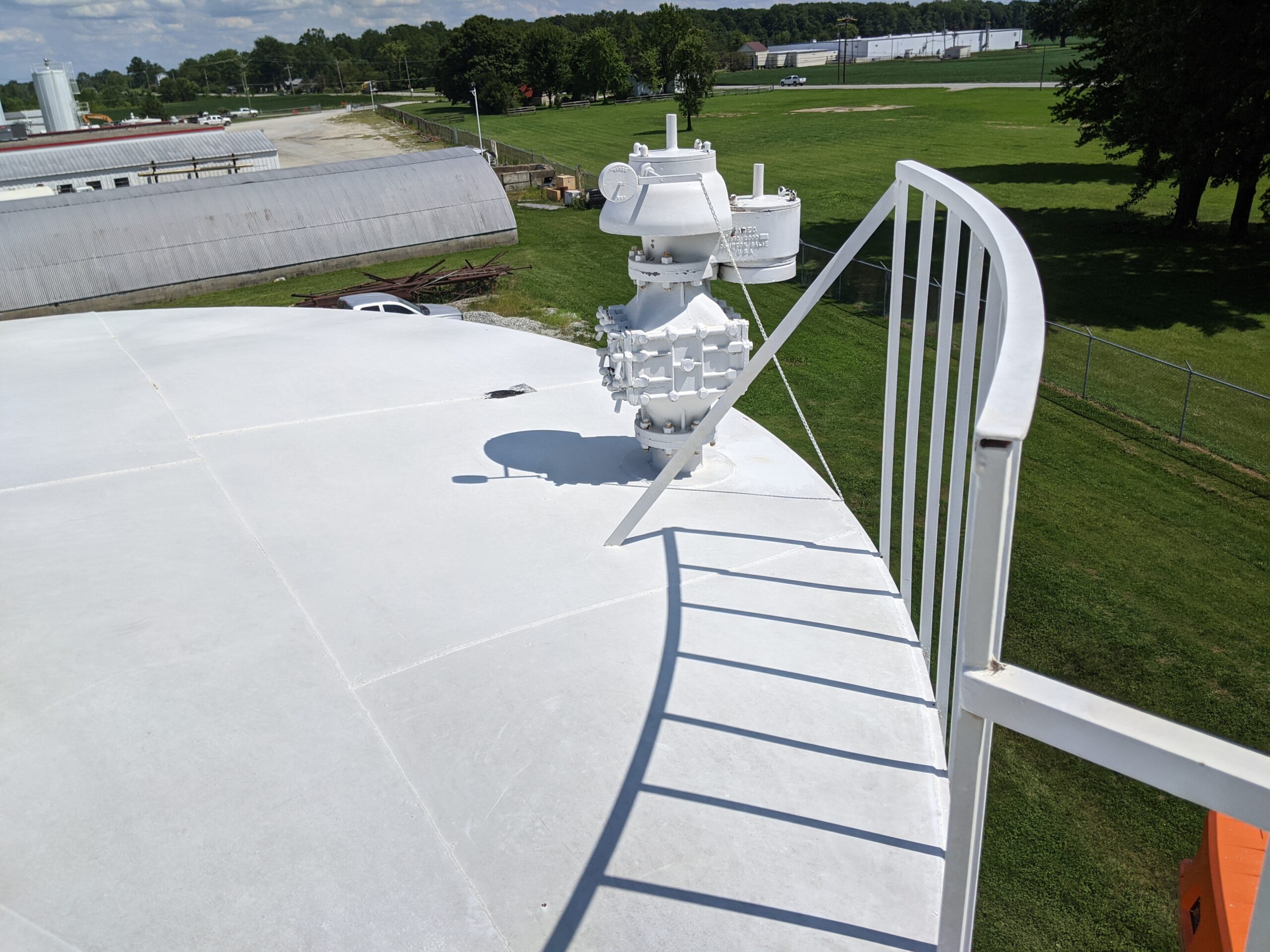
Whether you’re storing fuel, chemicals, agricultural inputs, or processed food products, the tanks and vessels that hold your materials are among the most critical —…
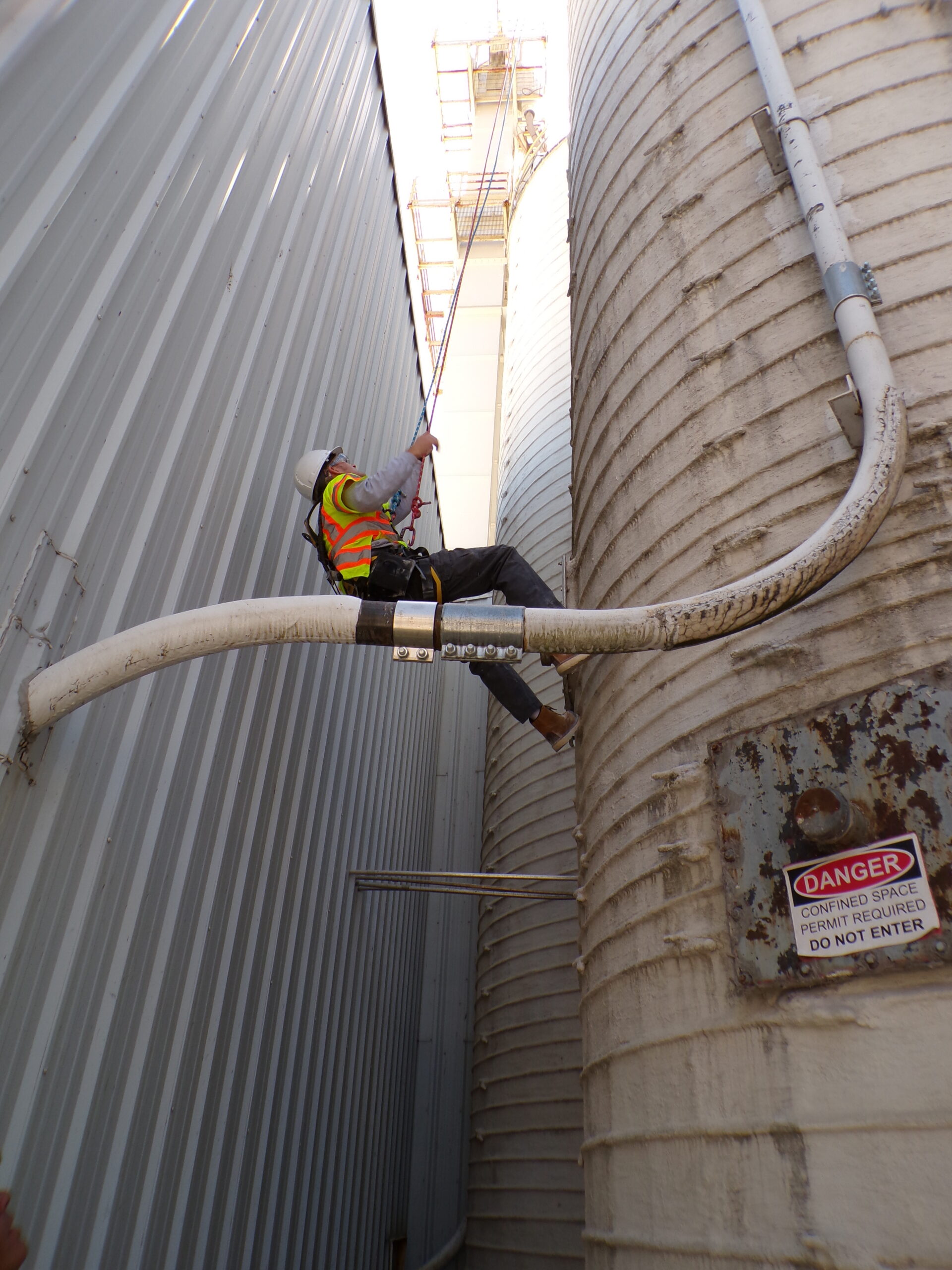
Silo structural integrity is crucial for ensuring safety and operational efficiency in various industries, particularly in agriculture and manufacturing. This article delves into the importance…
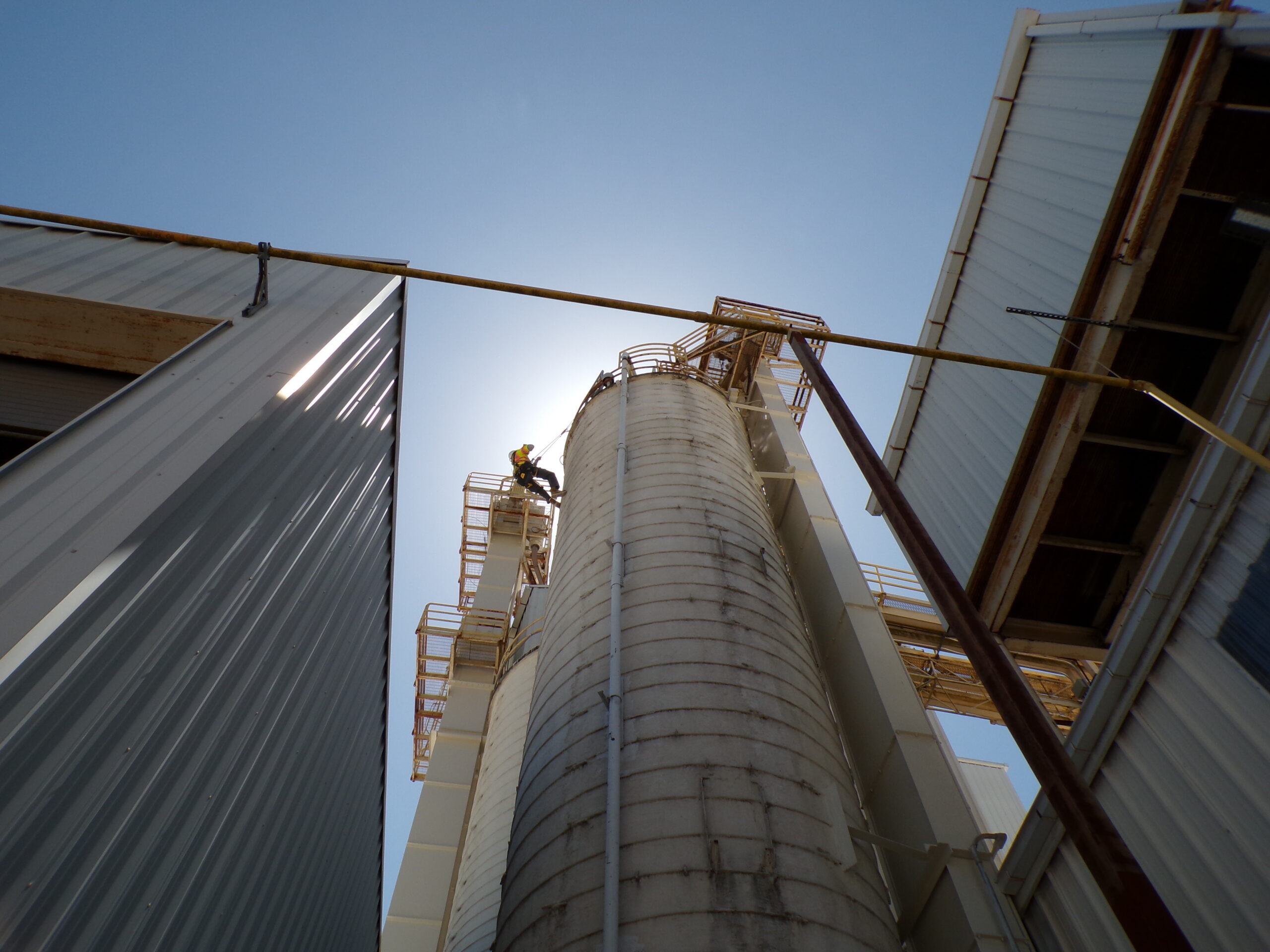
Professional silo cleaning is essential for maintaining safe, efficient, and compliant operations across a wide range of industries. Whether storing flour, sugar, cement, coal, resin,…
Dry ice cleaning uses solid carbon dioxide pellets to remove contaminants without harming surfaces. This article reviews the applications, benefits and technology behind dry ice cleaning services. As industries…
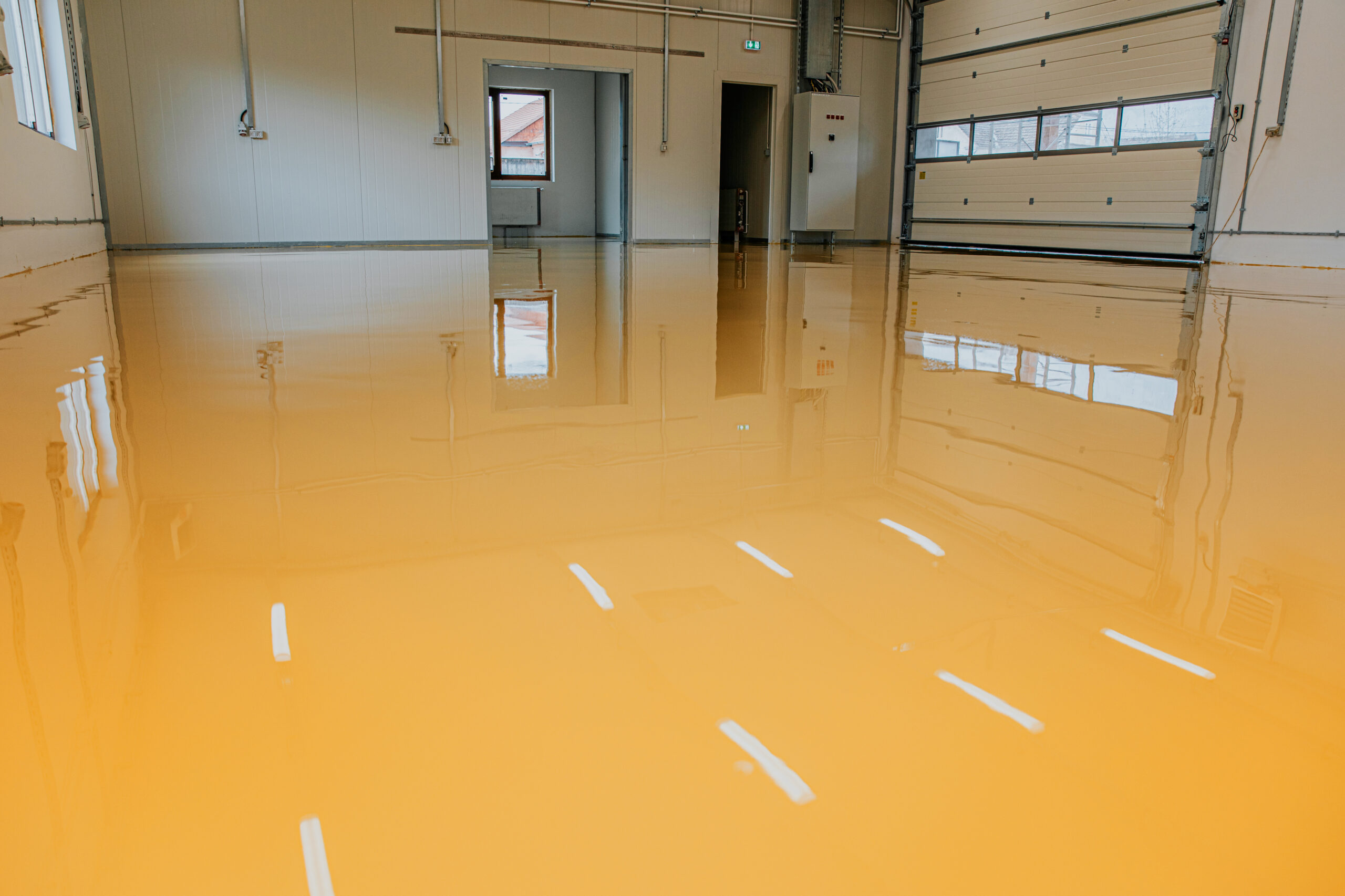
In Florida, industrial and commercial epoxy flooring means using resin-based coatings over concrete to create a seamless, hard-wearing surface that stands up to heavy traffic, chemicals, and frequent…
Understanding the various options available for tank linings is essential for maintaining safety and efficiency in industrial operations. This guide covers the different types of linings, their applications, and the benefits they offer to various industries.
From polyurea to epoxy coatings, each type of tank lining serves a unique purpose. For example, polyurea linings are known for their rapid curing time and durability, making them ideal for environments that require quick turnaround times and robust protection against corrosive materials.
Regular maintenance of tanks is crucial to ensure their longevity and operational efficiency. Neglecting tank upkeep can lead to serious safety hazards and costly repairs, underscoring the need for routine inspections and cleaning.
For instance, scheduled tank cleaning can help prevent contamination and buildup of harmful substances, which can compromise the integrity of the tank and the quality of stored materials. Implementing a maintenance schedule can significantly reduce the risk of operational downtime and enhance overall safety.
The landscape of industrial cleaning is evolving with the introduction of innovative technologies. These advancements not only improve cleaning efficiency but also enhance safety protocols within various industrial sectors.
Technologies like CO2 cleaning and hydroblasting are gaining traction due to their effectiveness and eco-friendliness. For example, CO2 cleaning utilizes dry ice to remove contaminants without the use of harmful chemicals, making it a preferred choice for many environmentally conscious businesses.
Exploring real-world case studies provides valuable insights into the effectiveness of different tank lining solutions. These examples showcase how businesses have successfully implemented tank linings to improve safety and efficiency.
For instance, a recent case study highlighted a manufacturing facility that adopted polyurea linings, resulting in a 30% increase in operational efficiency and a significant reduction in maintenance costs. Such evidence underscores the importance of selecting the right tank lining for specific industrial needs.