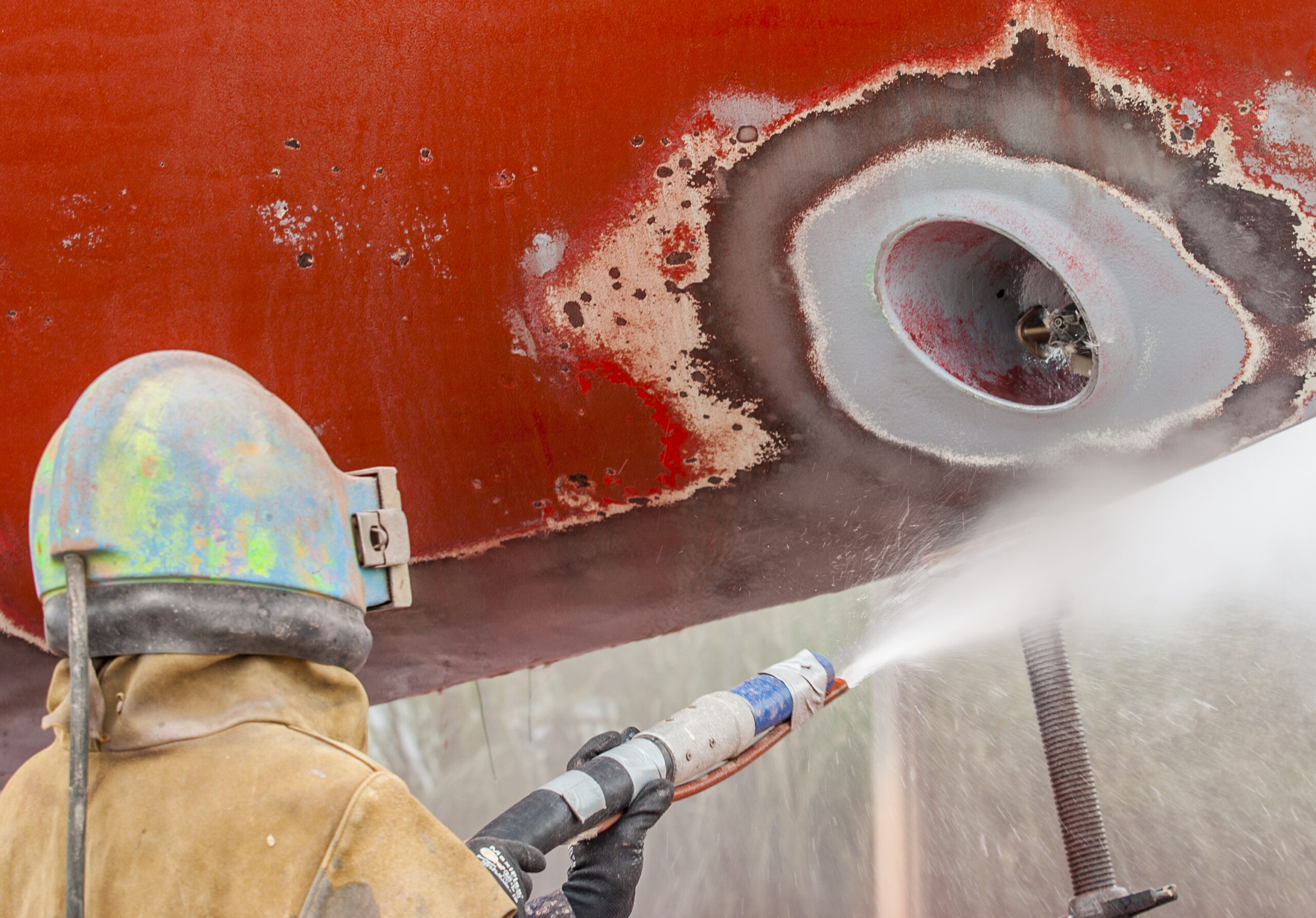
Sandblasting vs. Hydro Blasting vs. Dry Ice Blasting: Which Surface…
When it comes to industrial surface preparation, coating removal, and equipment cleaning, not all blasting methods are created equal. The right choice depends on your…

Not Sure Where to Start? Check Out Our Case Studies to Get an Inside Look!
When it comes to industrial surface preparation, coating removal, and equipment cleaning, not all blasting methods are created equal. The right choice depends on your…
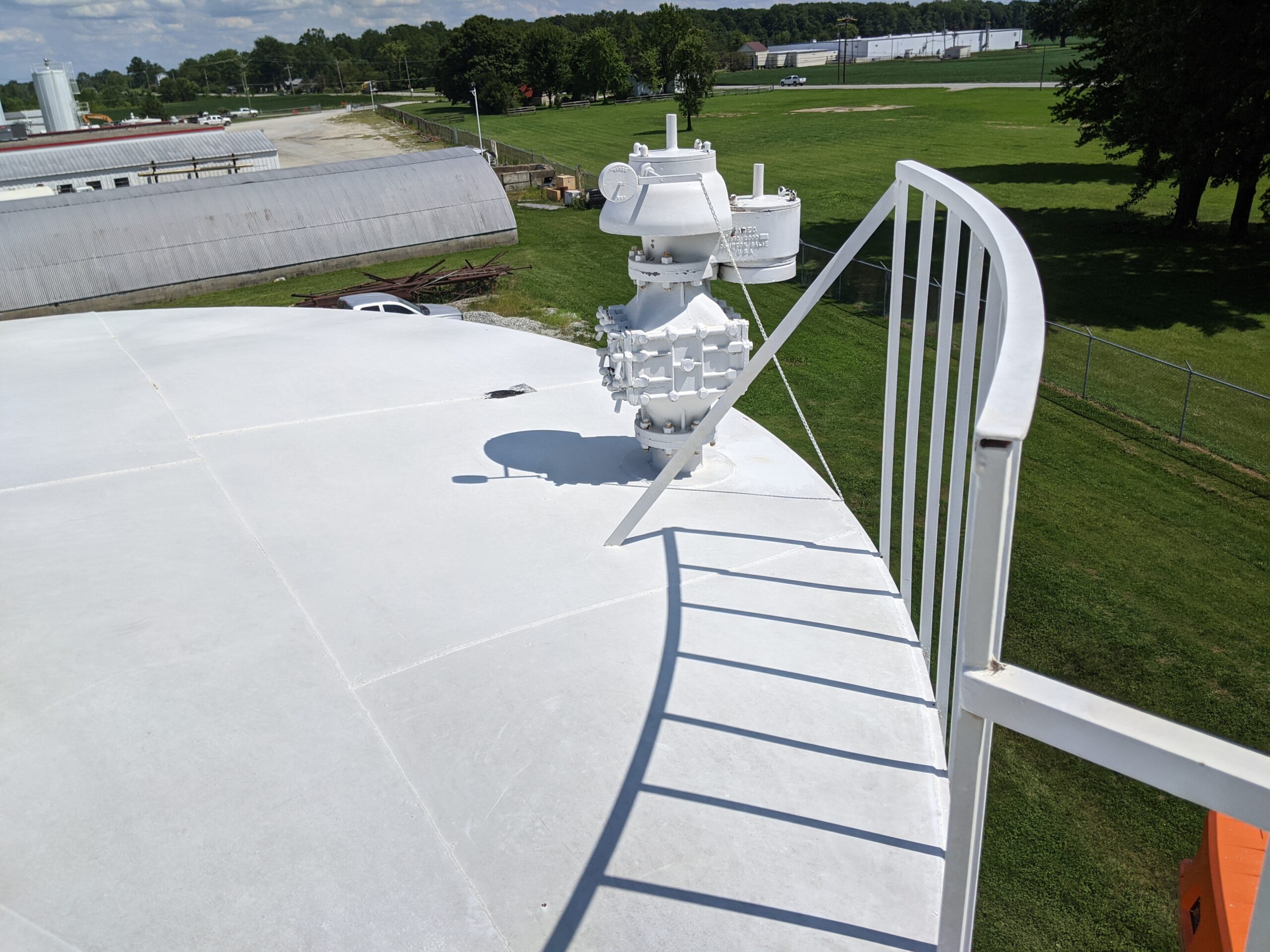
Whether you’re storing fuel, chemicals, agricultural inputs, or processed food products, the tanks and vessels that hold your materials are among the most critical —…
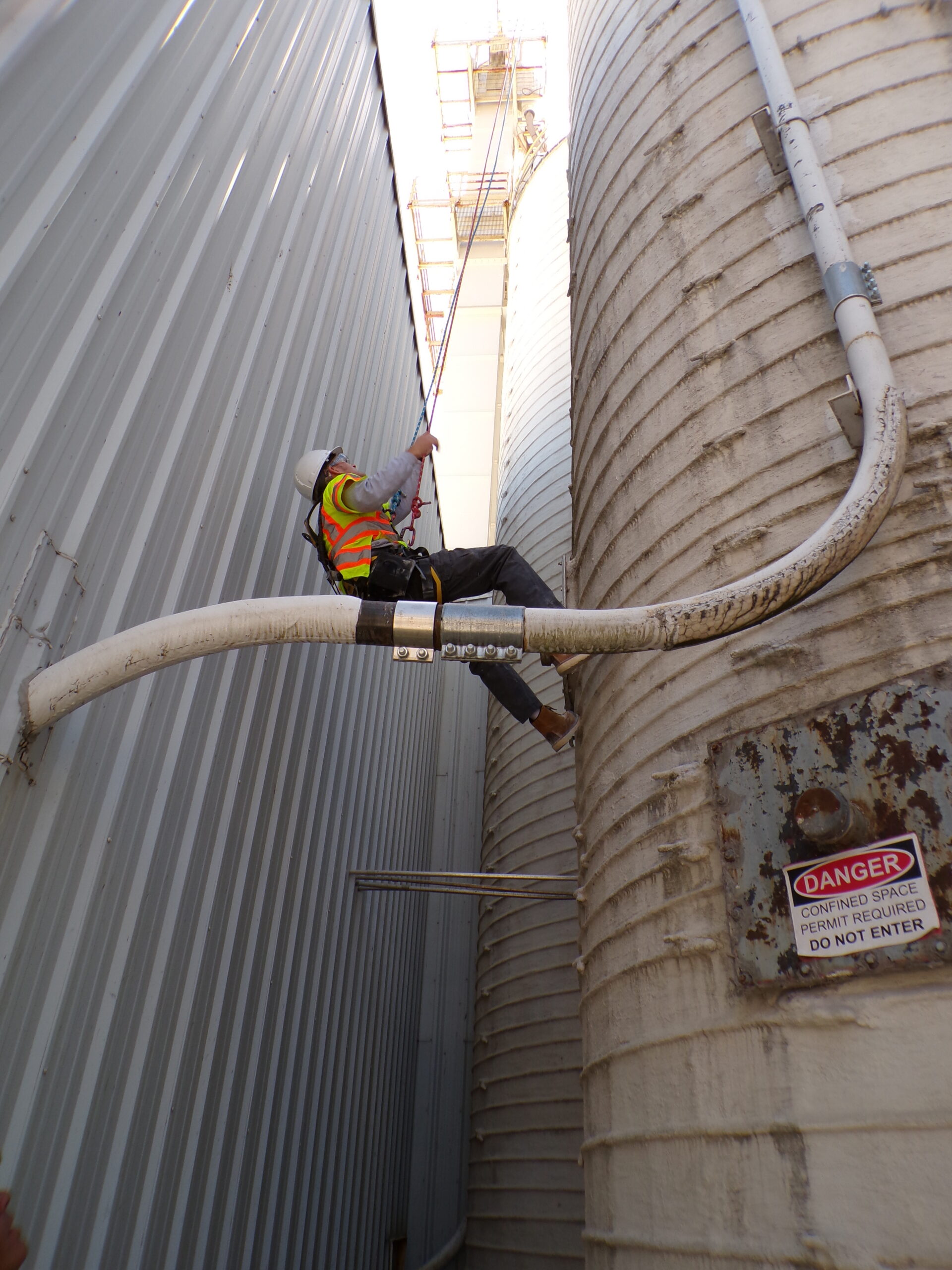
Silo structural integrity is crucial for ensuring safety and operational efficiency in various industries, particularly in agriculture and manufacturing. This article delves into the importance…
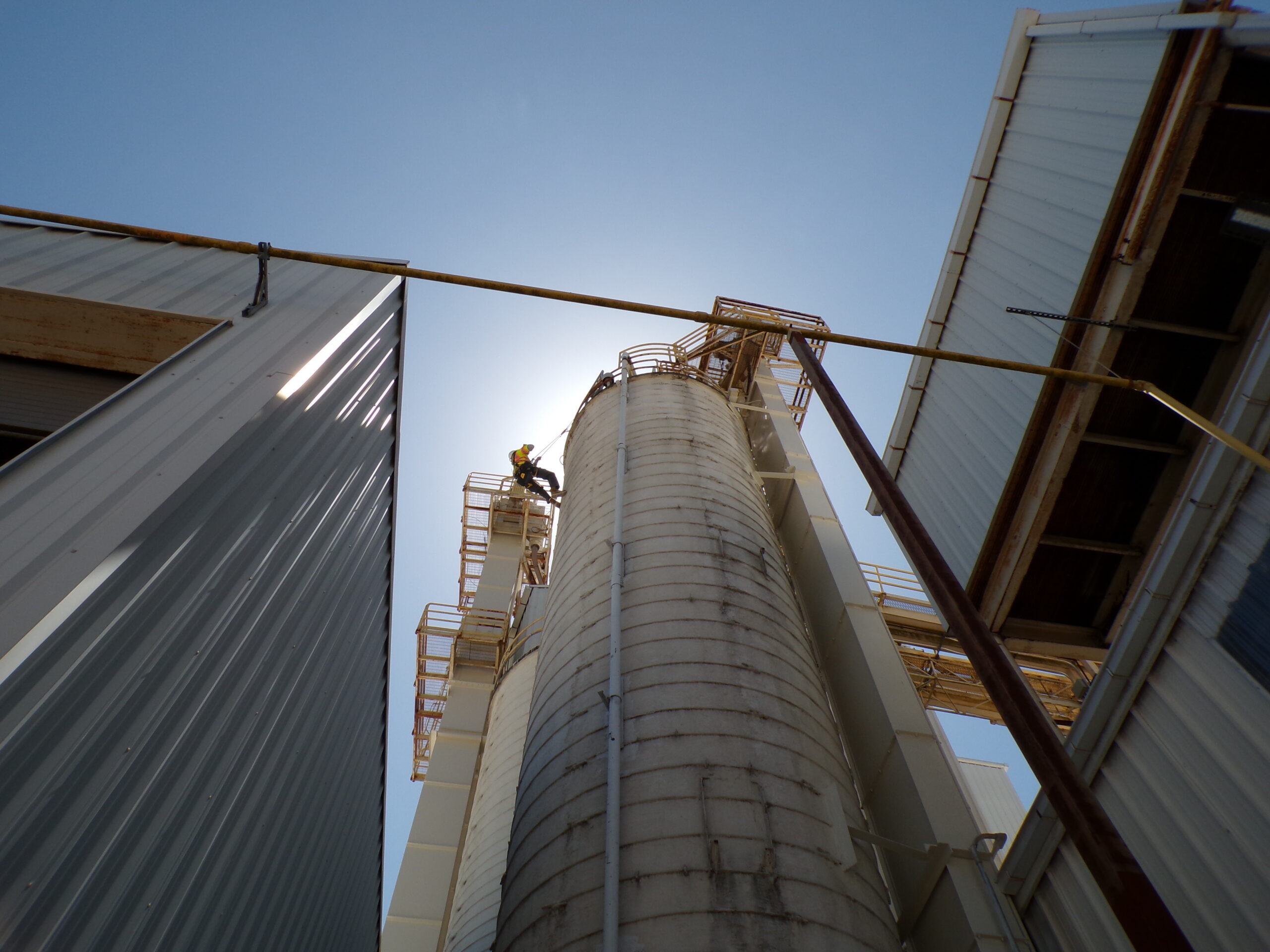
Professional silo cleaning is essential for maintaining safe, efficient, and compliant operations across a wide range of industries. Whether storing flour, sugar, cement, coal, resin,…
Dry ice cleaning uses solid carbon dioxide pellets to remove contaminants without harming surfaces. This article reviews the applications, benefits and technology behind dry ice cleaning services. As industries…
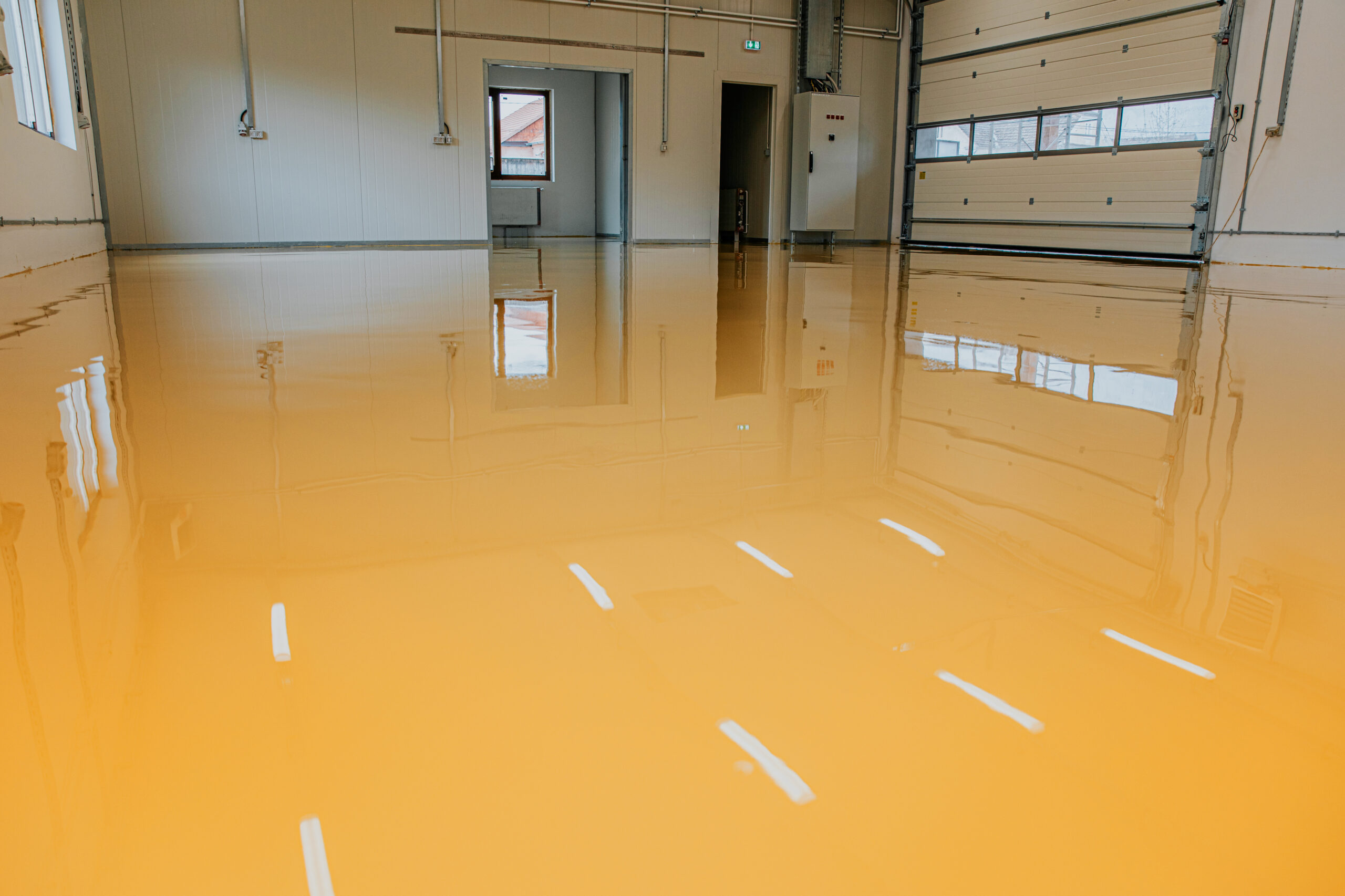
In Florida, industrial and commercial epoxy flooring means using resin-based coatings over concrete to create a seamless, hard-wearing surface that stands up to heavy traffic, chemicals, and frequent…
Cleaning audits are essential for maintaining high standards in commercial environments. They help organizations assess their cleaning processes, ensuring compliance with health and safety regulations while identifying areas for improvement.
By conducting regular cleaning audits, businesses can enhance their operational efficiency, reduce the risk of contamination, and improve overall workplace safety. This proactive approach not only protects employee health but also boosts customer confidence in the cleanliness of the facilities.
Implementing best practices during cleaning audits can significantly enhance their effectiveness. Key strategies include establishing clear criteria for assessment, involving trained personnel, and utilizing checklists to ensure no aspect is overlooked.
Moreover, regular training for cleaning staff on audit procedures and expectations can lead to more consistent outcomes. Incorporating technology, such as digital reporting tools, can streamline the audit process and provide valuable data for ongoing improvements.
Cleaning audits can present various challenges, such as resistance from staff or inadequate resources. Identifying these obstacles early on is crucial for ensuring a smooth audit process and achieving desired results.
To overcome these challenges, effective communication is vital. Engaging staff in the audit process, providing necessary training, and allocating sufficient resources can help mitigate resistance and foster a culture of cleanliness and compliance within the organization.
Technology plays an increasingly important role in enhancing the efficiency and accuracy of cleaning audits. From mobile apps that allow for real-time reporting to automated systems that track cleaning schedules, technology can streamline the auditing process.
Utilizing software that analyzes cleaning data can also provide insights into performance trends and areas needing attention. By embracing technological advancements, businesses can ensure their cleaning audits are thorough, efficient, and aligned with industry best practices.