Dry Ice Blasting Guide: Benefits, Applications & Costs
Dry ice blasting services utilize solid CO₂ pellets propelled at high speeds to deliver a cleaning solution that’s gentle on surfaces, produces no waste, protects sensitive equipment, and minimizes operational interruptions. By harnessing the sublimation of dry ice, Mid America Service Solutions provides an eco-friendly process that eliminates secondary waste, cuts down on chemical use, and speeds up production uptime. This guide dives into the key advantages of dry ice blasting for industrial cleaning, its most common applications, the technology behind it, comparisons with other methods, cost and rental considerations, safety protocols and regulations, and tips for finding dependable local providers. Whether you’re aiming to extend equipment lifespan, meet strict sanitation standards, or optimize maintenance schedules, you’ll discover practical insights into the value and service options of dry ice blasting.
What Are the Key Advantages of Dry Ice Blasting for Industrial Cleaning?
Dry ice blasting offers a powerful mix of non-abrasive cleaning, zero residual waste, environmental friendliness, quick turnaround times, and enhanced safety, making it perfect for tough industrial cleaning jobs.
Advantages of Dry Ice Blasting for Industrial Cleaning
Dry ice blasting provides numerous benefits for industrial cleaning, including non-abrasive cleaning, zero residual waste, environmental sustainability, reduced downtime, and improved safety for both operators and equipment.
How Does Non-Abrasive Cleaning Safeguard Your Equipment?
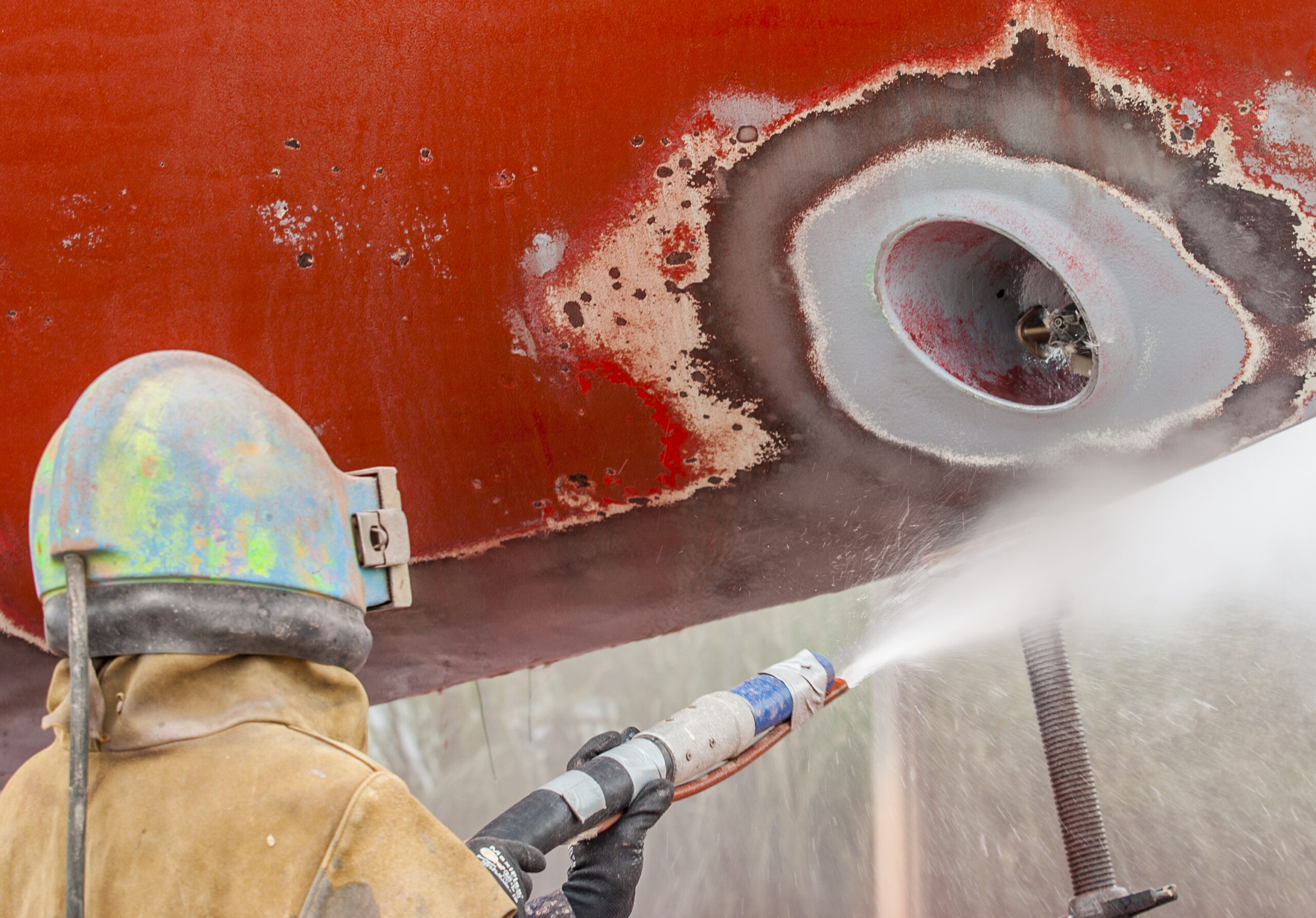
Dry ice pellets strike surfaces with kinetic energy but soften upon contact, preventing abrasion and preserving the integrity of the underlying material. This gentle yet effective action removes contaminants—like grease, paint, and coatings—without etching or pitting metal, plastic, or composite components. Cleaning equipment in place means fewer repairs and a longer service life, as it avoids micro-damage that can lead to corrosion or wear.
Why Does Dry Ice Blasting Produce Zero Secondary Waste?
Dry ice undergoes sublimation upon impact, transforming directly from solid to gas without leaving any blasting media behind. The process lifts and dislodges contaminants, which then fall away as particles, and the CO₂ returns to its gaseous state. Post-cleaning cleanup is limited to vacuuming or wiping away the removed debris, simplifying tasks and reducing disposal costs for spent media.
In What Ways Is Dry Ice Blasting Eco-Friendly?
By utilizing recycled carbon dioxide and eliminating the need for chemical solvents and water, dry ice blasting significantly reduces environmental impact.
- It cuts water consumption by up to 100% compared to pressure washing.
- It avoids harsh detergents or acids that require neutralization or special disposal methods.
- It uses captured industrial CO₂, supporting circular resource management and lowering greenhouse gas emissions.
These characteristics support sustainability objectives and align with regulations for air and water quality.
How Does Dry Ice Blasting Minimize Downtime and Boost Efficiency?
Dry ice blasting cleans equipment right where it is, eliminating the need for disassembly, cooling, or shutdowns often required by traditional methods. Rapid contaminant removal—often in minutes—gets equipment back in service without lengthy cooling or drying periods. This approach can increase production uptime by up to 30%, leading to faster maintenance turnarounds and higher output.
What Safety Benefits Does Dry Ice Blasting Offer Operators and Equipment?
Dry ice blasting uses non-flammable, non-conductive, and non-toxic CO₂ pellets, reducing fire and electrical risks. Operators are spared exposure to corrosive chemicals, and treated surfaces remain free of water-based residue that can encourage microbial growth. Furthermore, integrated dust extraction systems capture particulate matter, maintaining indoor air quality and lowering respiratory risks.
What Are the Most Common Industrial and Commercial Uses for Dry Ice Blasting?
Dry ice blasting serves a wide range of industries—from food processing plants to aerospace maintenance—offering specialized cleaning to meet stringent performance and hygiene standards.
How Is Dry Ice Blasting Applied in Food Processing and Sanitation?
Dry ice blasting meets food-grade sanitation requirements by removing oils, fats, and baked-on residues without introducing water or chemicals. Its non-abrasive nature protects conveyor belts, packaging lines, and stainless steel surfaces. Compliance with FDA and USDA guidelines is simplified by the zero secondary waste and rapid drying, which prevent microbial growth in production areas.
Dry Ice Blasting in Food Processing and Sanitation
Dry ice blasting is highly effective in food processing for removing contaminants while adhering to FDA and USDA guidelines, thanks to its non-abrasive nature and zero secondary waste.
What Are the Advantages of Dry Ice Blasting in Automotive and Aerospace Sectors?
In automotive engine rebuilding and aerospace component refurbishment, dry ice blasting effectively removes carbon buildup, grease, and coatings without harming delicate alloys or composite structures. Restoring landing gear, turbine blades, and precision engine parts is accelerated by the method’s ability to clean tight spaces and complex shapes without disassembly, preserving precise tolerances and operational readiness.
Dry Ice Blasting in the Automotive Industry
Dry ice blasting is an efficient, non-abrasive method for cleaning tools and equipment in automotive manufacturing, removing grease, oil, and carbon deposits without causing damage
How Does Dry Ice Blasting Aid in Mold Remediation and Historical Restoration?
Dry ice blasting removes mold spores, soot, and old coatings from porous materials—like wood, brick, and concrete—without water intrusion that can worsen decay. In artifact and historic building restoration, gentle CO₂ pellets lift contaminants without abrading original finishes, preserving irreplaceable textures and patinas while restoring both appearance and structural integrity.
Dry Ice Blasting for Mold Remediation
Dry ice blasting effectively removes mold spores from surfaces without using harsh chemicals, ensuring a safer and healthier environment.
Can Dry Ice Blasting Safely Clean Electrical and Sensitive Equipment?
Since CO₂ is non-conductive and dries instantly, dry ice blasting safely removes dust, corrosion, and flux residues from switchgear, circuit boards, and wiring harnesses without the risk of short circuits. Static discharge is minimized with built-in grounding straps, making it ideal for precision electronics and motor control centers.
What Other Industries Benefit from Dry Ice Blasting Services?
Sectors like manufacturing, power generation, printing, and pharmaceuticals utilize dry ice blasting for mold cleaning, production line upkeep, and contamination control. Its versatility extends to graffiti removal, marine maintenance, and cleaning plastic molds—anywhere that fast, residue-free cleaning enhances operational efficiency and asset longevity.
How Does Dry Ice Blasting Operate? Understanding the Process and Technology
Dry ice blasting employs a combination of mechanical impact, thermal shock, and sublimation to dislodge contaminants with minimal stress on the surface.
What Is Dry Ice and How Is It Used in Blasting?
Dry ice is solid carbon dioxide (CO₂) created under high pressure and low temperature. For blasting, CO₂ pellets are fed into a specialized blasting gun, where compressed air propels them toward the target surface. Upon impact, the pellets instantly sublimate, using their kinetic energy to break apart and lift dirt, coatings, and residues.
How Do Sublimation and Thermal Shock Effectively Clean Surfaces?
When pellets hit a surface, the sudden temperature drop causes thermal shock, leading to brittle fracture of the contaminant. Simultaneously, sublimation expands microscopic ice crystals beneath the contaminant layer, breaking adhesion points. This dual action loosens buildup without scratching or gouging the underlying materials.
What Equipment Is Essential for Dry Ice Blasting?
Effective dry ice blasting requires:
- Dry Ice Blaster Unit: Manages pellet feed rate and air pressure.
- Air Compressor: Supplies clean, dry compressed air at 80–150 psi.
- Nozzle Assembly: Directs the pellet stream; interchangeable orifices adjust spray pattern width and intensity.
- Collection Hood or Vacuum System: Captures dislodged particles and exhaust gas.
Choosing the right nozzle shape and size ensures optimal cleaning performance across various surfaces.
How Does Equipment Technology Affect Cleaning Performance?
Innovations like micro-pellet delivery systems improve precision on delicate parts, while IoT-enabled monitoring tracks pressure, flow rates, and pellet usage in real time. Automated blasting robots and articulating booms further enhance efficiency and consistency for large-scale or hard-to-reach applications.
How Does Dry Ice Blasting Measure Up Against Other Cleaning Methods?
Understanding the relative strengths and weaknesses of dry ice blasting helps in selecting the most suitable method for each cleaning situation.
What Are the Advantages of Dry Ice Blasting Over Sandblasting and Soda Blasting?
Sandblasting and soda blasting use abrasive media that can scratch and wear down substrates, generating substantial secondary waste that needs disposal. In contrast, dry ice blasting:
| Cleaning Method | Surface Impact | Secondary Waste | Typical Use Cases |
|---|---|---|---|
| Sandblasting | Highly abrasive | Spent sand | Heavy rust removal, concrete surfaces |
| Soda Blasting | Moderately abrasive | Sodium bicarbonate residue | Paint stripping on metals |
| Dry Ice Blasting | Non-abrasive | None | Precision cleaning, electronics, sensitive materials |
Dry Ice Blasting vs. Sandblasting
Dry ice blasting is non-abrasive, unlike sandblasting, which can damage surfaces. Dry ice blasting also eliminates secondary waste, making it suitable for delicate or regulated environments.
How Does Dry Ice Blasting Differ from Chemical Cleaning and Power Washing?
Chemical cleaning involves solvents or acids that require rinsing, neutralization, and handling of hazardous waste. Power washing uses high-pressure water, risking water intrusion, mold growth, and extended drying times. Dry ice blasting avoids liquids and chemicals, removing contaminants without moisture or toxic residues.
When Is Dry Ice Blasting the Preferred Cleaning Method?
Dry ice blasting is the ideal choice when preserving assets, achieving rapid turnaround, and eliminating waste are crucial—such as cleaning live electrical equipment, sanitizing food processing lines, restoring historic structures, or performing maintenance without significant operational interruptions.
What Are the Limitations or Drawbacks of Dry Ice Blasting?
While versatile, dry ice blasting may be less effective on thick, fused coatings without pre-treatment, and it requires specialized equipment and trained operators. CO₂ supply logistics and compressed air demands can complicate project planning, and performance can decrease in sub-freezing temperatures without proper pellet handling.
What Are the Costs and Rental Options for Dry Ice Blasting Equipment?
Understanding the factors influencing pricing and the benefits of rental options ensures cost-effective use of dry ice blasting services.
What Are the Advantages of Renting Dry Ice Blasting Equipment?
Renting provides flexibility for one-time projects, access to the latest blasting units, and avoids significant capital investment. Rental packages often include training, technical support, and CO₂ supply coordination, allowing for quick deployment without long-term commitments.
How to Select the Right Dry Ice Blasting Equipment Rental for Your Needs?
Choose a blaster based on:
- Nozzle Variety: For adjustable spray patterns
- Air Consumption Rate: To match available compressor capacity
- Mobility: Portable units for tight spaces versus skid-mounted systems for large areas
- Pellet Size Control: Standard versus micropellets for precision tasks
Collaborate with an experienced provider to align equipment specifications with project requirements and site limitations.
What Safety Protocols and Regulations Govern Dry Ice Blasting Services?
Adherence to safety guidelines and regulatory standards ensures operator well-being and environmental responsibility.
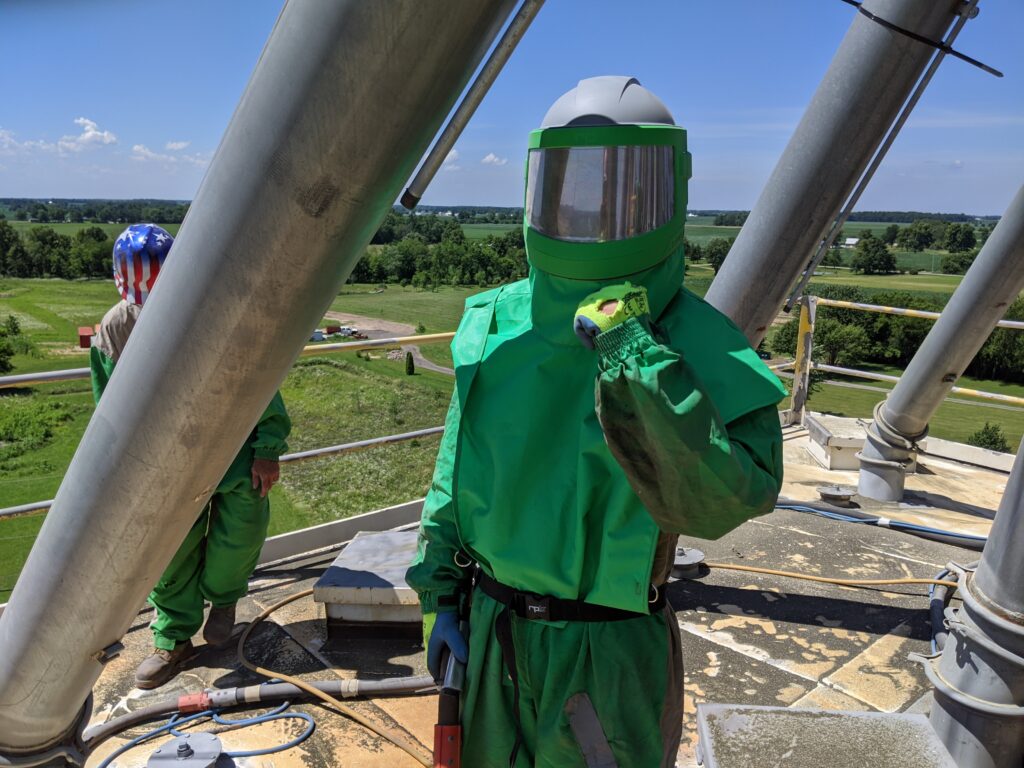
What Personal Protective Equipment (PPE) Is Required for Dry Ice Blasting?
Operators must use:
- Impact-resistant goggles or face shields
- Insulated gloves to prevent frostbite
- Hearing protection for noise from the compressor and blaster
- Protective clothing to shield against flying particles and CO₂ exposure
Dry Ice Blasting Safety
Operators must wear appropriate personal protective equipment (PPE), including impact-resistant goggles, insulated gloves, and hearing protection, to ensure safety during dry ice blasting.
Adequate ventilation is crucial to prevent CO₂ buildup in enclosed areas.
How Do Regulatory Agencies Like FDA, USDA, and EPA Impact Dry Ice Blasting?
Food and beverage facilities must comply with FDA and USDA sanitation regulations that limit water and chemical use. Dry ice blasting’s residue-free nature aligns perfectly with these guidelines. EPA standards for air quality and CO₂ emissions necessitate monitoring exhaust and implementing CO₂ capture measures to prevent localized accumulation.
What Are Best Practices for Safe and Effective Dry Ice Blasting?
Industry-leading practices include:
- Site Assessment: Evaluate ventilation, access points, and electrical hazards.
- Operator Training: Certify technicians on equipment operation, PPE use, and emergency procedures.
- Routine Maintenance: Inspect hoses, nozzles, and compressor filters before each use.
- Environmental Controls: Employ dust extraction or vacuum attachments to capture debris.
Following these protocols maximizes cleaning effectiveness while protecting personnel and assets.
How Can You Find Reliable Dry Ice Blasting Services Near You?
Choosing an experienced provider guarantees consistent results, timely project completion, and adherence to industry standards.
What Should You Look for in a Dry Ice Blasting Service Provider?
Assess potential providers based on:
- Certifications and Insurance: Proof of operator training, liability coverage
- Equipment Quality: Modern blaster units and a range of nozzle options
- Project Experience: Case studies relevant to your industry (food processing, aerospace, mold remediation)
- Safety Record: Demonstrated compliance with OSHA and environmental standards
A reputable provider will offer transparent pricing and clearly defined scopes of work.
How to Request a Quote and Schedule Dry Ice Blasting Services?
Contact providers with details about:
- Surface types and the extent of contamination
- Equipment accessibility and site limitations
- Preferred service times and production schedules
A thorough site survey will lead to an accurate, itemized quote and a customized project plan.
What Are Real Customer Experiences and Case Studies with Dry Ice Blasting?
Companies have reported significant benefits, including:
- A 40% reduction in maintenance downtime for automotive shops
- Complete restoration of historic facades without damaging original stonework
- Rapid turnaround of food production lines that meet USDA cleaning standards
These outcomes highlight dry ice blasting’s capacity to deliver measurable efficiency improvements and asset protection.
Dry ice blasting represents a cutting-edge cleaning methodology that combines environmental responsibility, asset preservation, and operational efficiency. By understanding its advantages, applications, process mechanics, cost structures, safety requirements, and selection criteria, industries can effectively use this service to tackle cleaning challenges, comply with regulations, and maximize uptime. Rely on Mid America Service Solutions’ expertise to implement dry ice blasting solutions tailored to your facility’s specific needs.