
Dry Ice Blasting Services Guide: Benefits, Applications & Costs
Experience the power of dry ice blasting – a cutting-edge, non-abrasive cleaning method that uses solid CO₂ pellets. These pellets blast at high speeds, lifting contaminants and then vanishing into gas, leaving zero residue behind.
In today’s fast-paced industrial world, where efficiency and eco-friendly solutions are paramount, understanding dry ice blasting’s mechanics, its key advantages, and how costs are determined is crucial for anyone involved in maintenance planning or facility management.
This comprehensive guide will walk you through:
- What dry ice blasting is, including the science behind sublimation and thermal shock.
- The major benefits, from slashing downtime to achieving sustainable cleanup.
- Real-world applications across automotive, mold removal, food processing, and restoration industries.
- How it stacks up against sandblasting, pressure washing, and chemical cleaning.
- Pricing models and the factors that influence costs for “dry ice blasting near me” searches.
- Essential safety protocols, required PPE, and relevant certifications.
- Visual proof, detailed case studies, and further resources to deepen your knowledge.
By the time you finish this guide, you’ll be fully equipped to assess, budget for, and successfully implement dry ice blasting in your operations.
What Exactly Is Dry Ice Blasting and How Does It Work Its Magic?
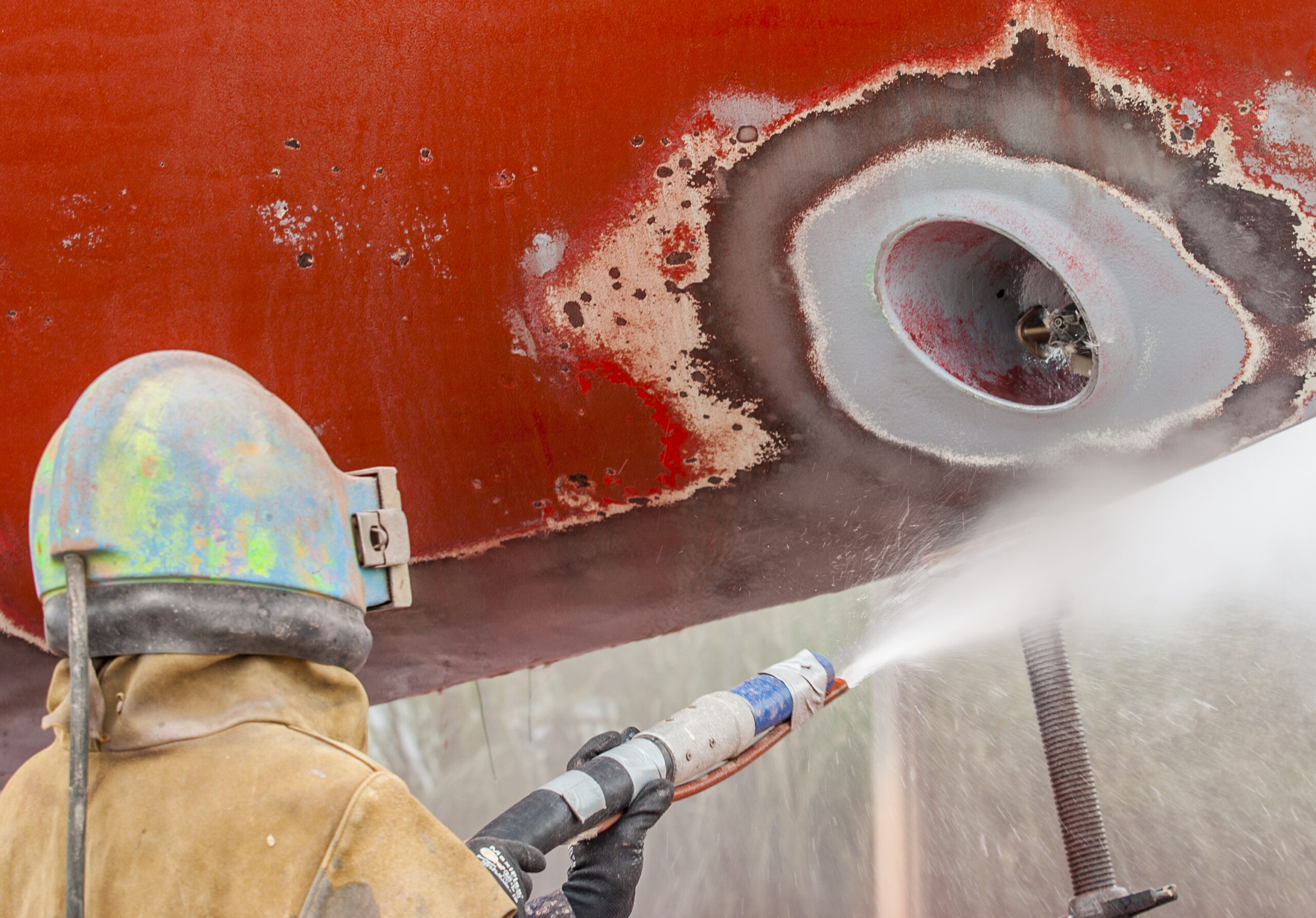
Dry ice blasting is a sophisticated cleaning technique that employs compressed air to propel solid CO₂ pellets (dry ice) at a surface. Upon impact, these pellets sublimate, transforming directly from solid to gas. This process creates a powerful thermal shock that dislodges contaminants, all while leaving no moisture or secondary waste behind, making it ideal for in-place cleaning.
What Is Dry Ice Blasting and What’s Its Core Cleaning Power?
Dry ice blasting leverages the kinetic energy of compressed air to launch CO₂ pellets, chilled at −78.5 °C, at contaminants. The system uses dry ice, compressed air, and a specialized blast nozzle. When the pellets hit, they fracture stubborn deposits and penetrate microscopic crevices, lifting away residues without any harsh abrasion or chemical solvents.
How Particle Impact Cleans Surfaces with Dry Ice Jets
Research confirms that dry ice blasting effectively cleans surfaces primarily through the force of dry ice particles colliding with contaminants. Cleaning efficiency is boosted by higher jet pressure, with particle impact identified as the key driver for dislodging unwanted material.
This study provides a fundamental insight into the core cleaning mechanism of dry ice blasting, specifically highlighting the crucial roles of particle impact and jet pressure in contaminant removal, which is central to understanding how this technology operates.
How Do Sublimation and Thermal Shock Make Cleaning So Effective?
When dry ice pellets strike a surface, they instantly sublimate – transitioning from solid to gas. This rapid phase change creates a microscopic thermal shock, causing coatings, grease, and residues to crack and detach. This sudden temperature drop generates tiny explosions right at the contaminant’s interface, allowing particles to separate cleanly from the underlying material.
What Gear Is Involved in Dry Ice Blasting Services?
Dry ice blasting services utilize a carefully coordinated system comprising:
- Dry Ice Blaster Unit: A pressure-rated tank that expertly blends CO₂ pellets with compressed air.
- Nozzles and Hoses: A selection of interchangeable tips designed to fine-tune the spray pattern and intensity.
- Air Compressor: A robust unit delivering high-volume, high-pressure air (up to 120 psi).
- Pellet Feeder System: Ensures a consistent and steady supply of dry ice pellets.
This integrated setup guarantees uniform pellet velocity and optimal cleaning performance across a wide range of surfaces.
Why Is Dry Ice Blasting Considered Both Non-Abrasive and Eco-Friendly?
Dry ice cleaning truly stands out for three compelling reasons:
- No Lingering Waste – The pellets vaporize upon impact, leaving behind only the contaminants that were removed.
- Completely Chemical-Free – It eliminates the need for any detergents or solvents.
- Operates Dry – It avoids moisture, which can cause metal corrosion or encourage microbial growth.
The Industrial Application of Dry Ice Blasting in Surface Cleaning
Dry ice blasting is recognized as a cutting-edge and sustainable cleaning method, offering significant advantages over traditional approaches like sandblasting or chemical cleaning by completely avoiding water and hazardous chemicals. This technology boasts extensive applicability across numerous industrial sectors, actively supporting cleaner production principles.
This review article strongly supports the claims made within this guide regarding the environmental benefits, sustainability, and broad industrial uses of dry ice blasting, reinforcing its status as a superior cleaning alternative.
What Are the Major Advantages of Opting for Dry Ice Blasting Services?
Dry ice blasting services deliver exceptional environmental sustainability, ensure surface integrity, and boost operational efficiency. It uses recycled CO₂ for a non-abrasive clean that protects the underlying material while dramatically speeding up cleaning cycles.
| Key Advantage | How It Works | The Result |
|---|---|---|
| Minimized Downtime | Cleaning performed in place, no need for disassembly | Faster production cycles and quicker turnarounds |
| Surface Protection | Pellets sublimate instantly on contact | Absolutely no abrasion or damage to the substrate |
| Environmental Friendliness | Utilizes recycled CO₂ | Zero chemical or water waste generated |
| Electrical Safety | The cleaning medium is non-conductive | Safe for use on live or sensitive electrical equipment |
This overview of core benefits clearly illustrates how dry ice blasting can revolutionize maintenance schedules and align perfectly with sustainability objectives, leading us into specific industry applications.
How Does Dry Ice Blasting Dramatically Reduce Downtime in Industrial Cleaning?
By allowing for in-place cleaning of machinery, production lines, and molds, dry ice blasting eliminates the time-consuming processes of disassembly and reassembly. Technicians can target production equipment while it’s still operational, restoring peak performance in mere hours instead of days.
Why Is Dry Ice Blasting the Go-To Choice for Delicate and Electrical Equipment?
Dry ice pellets are inherently non-conductive and non-flammable, meaning they pose no risk of electrical shorts or ignition hazards when cleaning sensitive control panels, intricate circuit boards, or motor windings. The absence of moisture is critical, preserving electrical insulation and significantly reducing the risk of corrosion.
What Remarkable Environmental Benefits Does Dry Ice Blasting Offer?
This process ingeniously transforms reclaimed CO₂ from industrial processes into a powerful cleaning agent. It completely eliminates water runoff and chemical residues. This dry, solvent-free method actively supports zero-waste initiatives and slashes disposal expenses.
What Types of Contaminants Can Dry Ice Blasting Effectively Tackle?
Dry ice blasting is exceptionally effective at removing:
- Stubborn grease and oils
- Mold and various biological growths
- Rust and mineral scale
- Old paint, coatings, and adhesives
- Burnt-on char and soot residues
Which Industries and Applications See the Biggest Gains from Dry Ice Blasting?
How Is Dry Ice Blasting Revolutionizing Automotive Restoration and Maintenance?
In automotive workshops, dry ice blasting excels at engine degreasing, thorough undercarriage cleaning, and stripping old paint without harming delicate aluminum or composite components. Restoration specialists frequently rely on this method to reveal pristine bare metal before repainting.
Why Is Dry Ice Blasting an Effective Solution for Mold Remediation?
Professionals in mold remediation utilize dry ice blasting to effectively eliminate spores and mycelium from structural wood and attic surfaces, crucially without introducing moisture that could fuel regrowth. The intense cold and dry nature of the CO₂ treatment also effectively kills many fungal strains on contact.
What Are the Advantages of Dry Ice Blasting for Food Processing and Industrial Equipment?
Food-grade dry ice cleaning is instrumental in maintaining stringent sanitary standards. It efficiently removes bacteria-harboring residues from mixers, conveyors, and ovens without resorting to water or harsh chemicals. Electrical motors and control panels remain completely dry and safe, allowing for immediate restart.
How Does Dry Ice Blasting Aid in Historical Restoration Projects?
Conservators employ dry ice blasting to meticulously clean historical monuments, stone facades, and delicate artifacts. It effectively strips away pollutants and biological growth while carefully preserving original patinas and intricate carvings. This non-abrasive approach ensures the structural and aesthetic integrity of priceless heritage sites.
How Does Dry Ice Blasting Measure Up Against Other Cleaning Methods?
Dry ice blasting uniquely combines non-abrasive cleaning action with the complete absence of secondary waste, setting it apart from traditional media blasting or wet-cleaning processes.
| Cleaning Method | Level of Abrasion | Waste Generated | Surface Compatibility |
|---|---|---|---|
| Dry Ice Blasting | Non-abrasive | CO₂ gas (no residue) | Suitable for both delicate and robust surfaces |
| Sandblasting | Highly abrasive | Spent media and dust | Only for hard, durable surfaces |
| Pressure Washing | Moderately abrasive (wet process) | Water runoff and sludge | Materials that can tolerate moisture |
| Chemical Cleaning | Varies significantly by formula | Chemical residues | Surfaces compatible with specific chemicals |
This table clearly illustrates the distinct advantages of dry ice blasting in terms of safety, efficiency, and environmental responsibility, before we delve into its ideal use cases.
What Are the Key Differences Between Dry Ice Blasting and Sandblasting?
Sandblasting relies on abrasive grit that physically erodes surfaces, generating spent media and dust that require disposal. In contrast, dry ice blasting uses pellets that vaporize, cleaning surfaces without altering their geometry or producing any granular waste.
How Does Dry Ice Blasting Compare to Pressure Washing and Chemical Cleaning?
Pressure washing uses high-pressure water, which can force moisture into materials and create runoff that needs treatment. Chemical cleaning involves applying solvents that often require neutralization. Dry ice blasting, however, remains completely dry and residue-free, eliminating the need for any secondary handling or disposal.
When Should Dry Ice Blasting Be Your Top Choice for Cleaning?
Dry ice blasting is the superior choice when dealing with moisture-sensitive surfaces, when minimizing equipment downtime is critical, for cleaning delicate or electrically live components, or in situations where environmental regulations strictly prohibit chemical discharges.
What Factors Influence the Cost of Dry Ice Blasting Services?
The pricing for dry ice blasting services is influenced by factors such as the equipment used, the amount of dry ice consumed, the labor involved, and the overall complexity of the project. These are key elements to consider when budgeting and comparing quotes for “dry ice blasting near me.”
How Are Dry Ice Blasting Services Typically Priced: Hourly, Per Square Foot, or Project-Based?
Service providers often structure their pricing in one of the following ways:
- Hourly Rate: Covers technician time and equipment rental fees.
- Per Square Foot Rate: Applied when cleaning large, uniform areas like floors or walls.
- Project-Based Fee: A fixed price for a complete, turnkey solution, including mobilization and setup.
Understanding these pricing models is essential for accurate cost forecasting.
What Variables Can Impact the Overall Cost of Dry Ice Blasting Services?
The primary cost drivers include:
- Project Scale: Larger areas naturally require more dry ice and more labor hours.
- Dry Ice Consumption: The volume of pellets needed depends directly on the thickness and type of contaminant being removed.
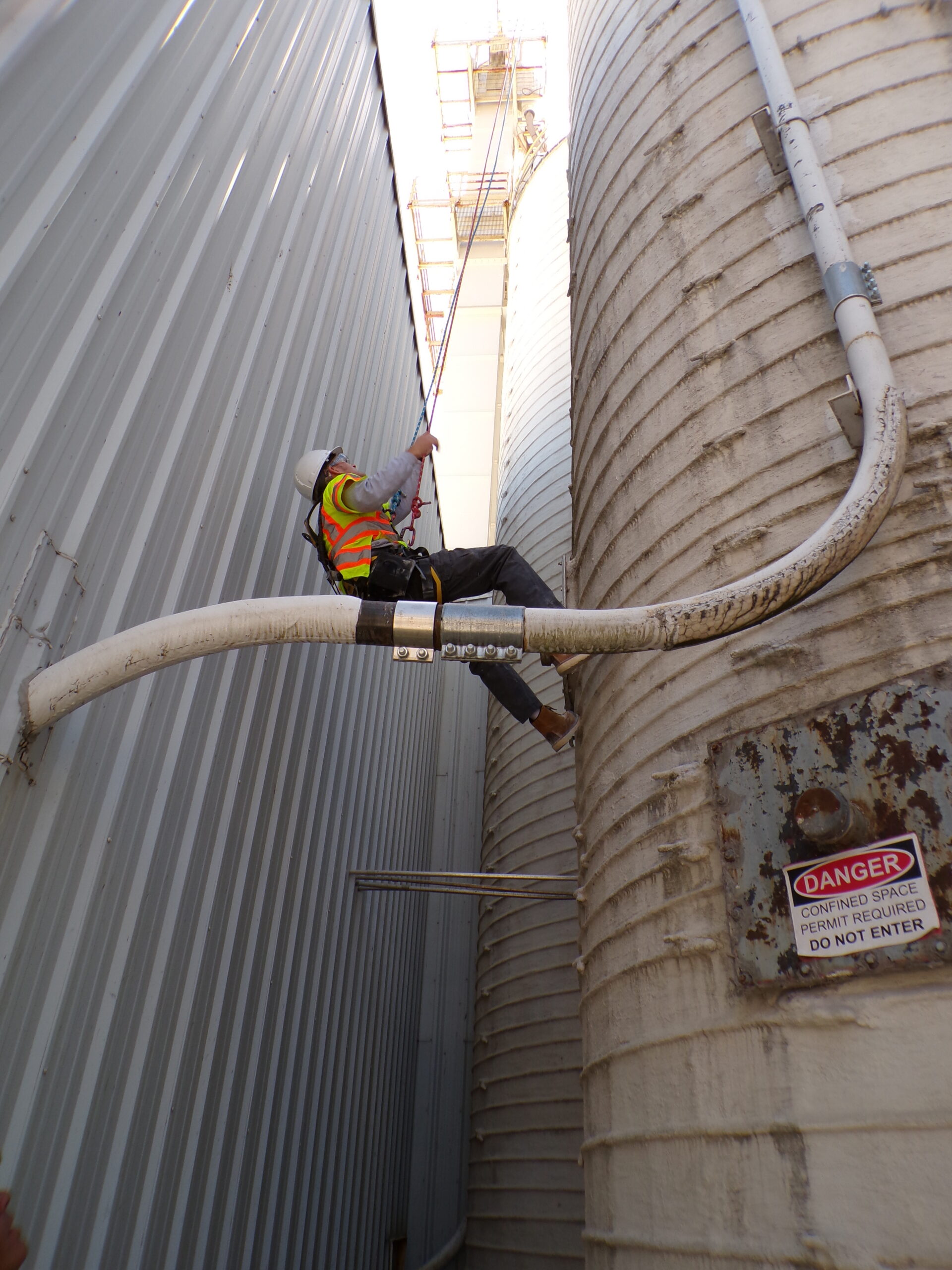
- Labor Intensity: Difficult access, the need for scaffolding, or working in confined spaces will increase labor rates.
- Equipment Needs: Specialized equipment, such as high-capacity air compressors or unique nozzle attachments, may incur additional rental fees.
Being aware of each of these variables will help you manage your budget effectively and avoid unexpected expenses.
How Can You Find Dependable Dry Ice Blasting Services in Your Area?
Start by searching local industrial cleaning directories, confirm their mobile service capabilities, and always request detailed quotes that clearly outline equipment, dry ice costs, and labor rates. Reviewing customer testimonials and service portfolios can also help verify a provider’s reliability.
What Safety Protocols and Best Practices Are Crucial for Dry Ice Blasting?
Strict adherence to safety standards and operator guidelines is paramount for ensuring effective cleaning while safeguarding both personnel and the surrounding environment.
What Personal Protective Equipment (PPE) Is Mandatory for Dry Ice Blasting Operators?
Operators must be equipped with:
- Appropriate respiratory protection (e.g., N95 masks or supplied-air respirators)
- Insulated gloves and cold-impact resistant gauntlets
- Eye and face shields to protect against flying debris
- Hearing protection to mitigate noise from the compressor
Using the correct PPE is vital for preventing hazards associated with CO₂ inhalation and protecting against impact injuries.
How Are Surrounding Areas Protected During Dry Ice Blasting Operations?
Effective containment strategies include:
- Using drop cloths or temporary enclosures to capture dislodged particles
- Ensuring adequate ventilation to safely disperse CO₂ gas
- Employing noise-dampening materials to minimize acoustic impact on nearby areas
What Industry Standards and Certifications Bolster Safe Dry Ice Blasting Practices?
Following EPA guidelines for CO₂ usage, obtaining FDA and USDA approvals for food-grade applications, and adhering to OSHA best practices for confined-space operations are essential for ensuring compliance and building confidence in the service provided.
Where Can You See Dry Ice Blasting in Action and Discover More?
Visual resources and detailed case studies effectively demonstrate the capabilities of dry ice blasting, build confidence, and guide informed adoption decisions.
What Are the Most Compelling Visual Examples of Dry Ice Blasting Results?
High-resolution before-and-after images vividly showcase contaminant removal on everything from engines and mold-affected wood to historical stonework. Embedded videos provide real-time demonstrations of the blasting process and equipment operation.
How Do Case Studies Prove the Effectiveness of Dry Ice Blasting?
Documented projects provide quantifiable data on time savings (often 30–50% faster than conventional methods), reductions in secondary waste, and the preservation of surfaces across diverse applications in automotive, food processing, and restoration industries. These metrics serve as powerful validation of ROI and performance claims.
Where Can I Find Additional Resources and FAQs About Dry Ice Blasting?
Explore technical glossaries, in-depth manufacturer whitepapers, and industry association websites for comprehensive guides covering sublimation physics, optimal nozzle selection, and essential maintenance protocols, all designed to support informed service decisions.
Dry ice blasting service delivers an unparalleled combination of cleaning power and environmental responsibility, making it the premier choice for industries that demand swift, non-abrasive maintenance solutions.
Whether your goal is to minimize production line downtime or meticulously preserve delicate historic artifacts, this guide provides the essential knowledge to evaluate capabilities, manage costs effectively, and implement safe, highly efficient cleaning strategies.
For more in-depth insights into the process or to request a personalized quote, we encourage you to explore professional service catalogs and technical resources specifically curated for your industry sector.