Comprehensive Tank Coatings Guide: Types, Uses & Upkeep
Tank coatings are your first line of defense, shielding storage assets from corrosion, leaks, and contamination, and slashing maintenance expenses by up to 80% compared to untreated tanks. This comprehensive guide will illuminate why protective coatings are indispensable. We’ll delve into the primary coating families—epoxy, polyurea, vinyl ester, and polyurethane, alongside specialized systems—and walk you through their application, inspection, and maintenance across a spectrum of tanks, including those for water, fuel, chemicals, industrial use, and secondary containment. You’ll gain insights into surface preparation, curing timelines, selection factors based on substrate, stored contents, environment, budget, and certifications, plus a look at cutting-edge trends like VOC-free formulas and rapid-cure polyurea. By embracing these best practices, you’ll significantly extend your tanks’ service life, ensure regulatory adherence, and maximize asset performance.
Understanding Tank Coatings: What They Are and Why They’re Crucial
What Exactly Is a Tank Coating and How Does It Shield Storage Tanks?
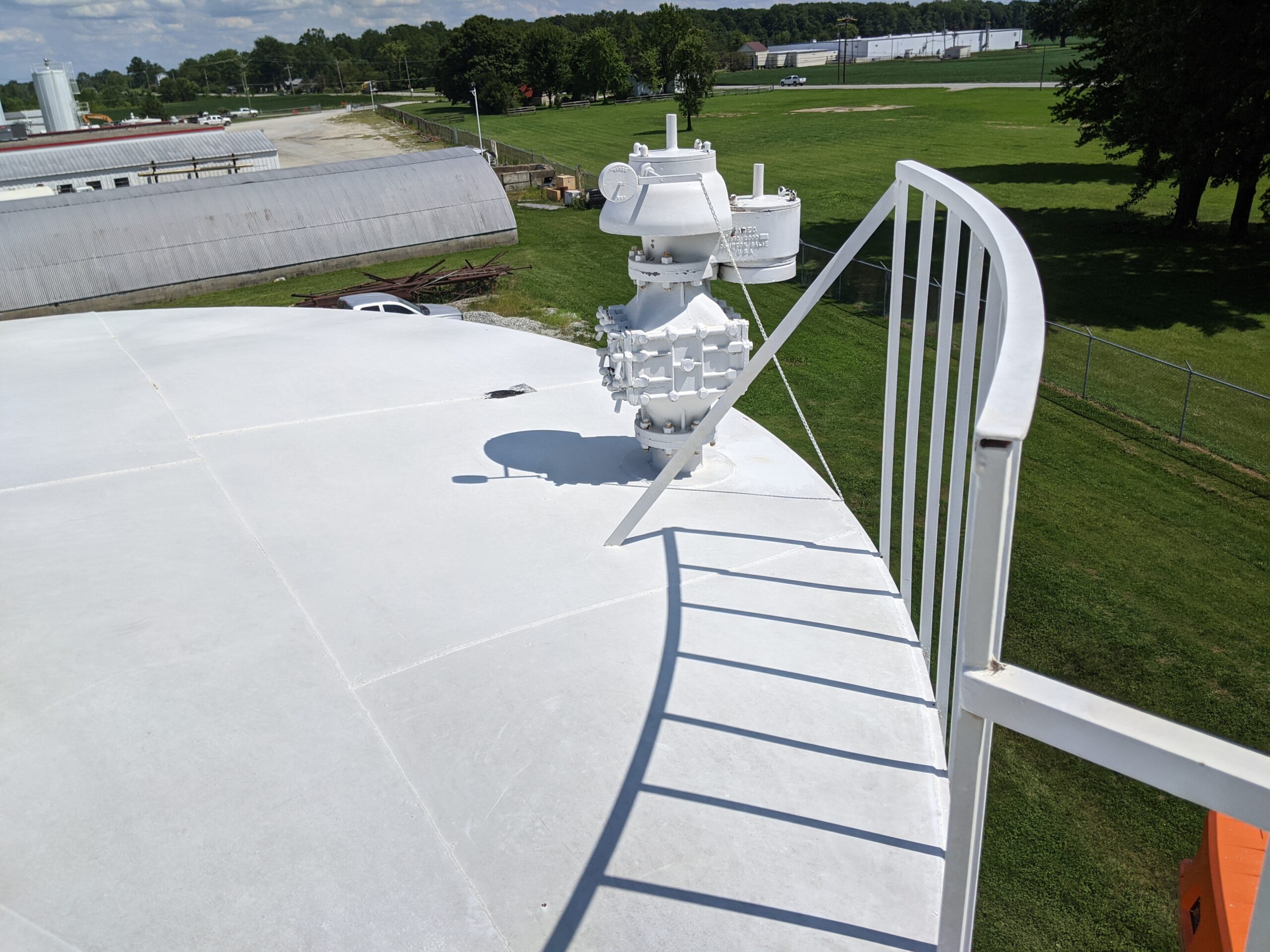
A tank coating is a specialized polymer layer applied to a tank’s interior or exterior surfaces to combat corrosion, resist chemical degradation, and maintain structural integrity. By forming an unbroken barrier, this protective shield isolates metal or concrete substrates from moisture, aggressive chemicals, and oxygen, effectively halting the electrochemical processes that cause rust. For instance, a 100% solids epoxy lining within a steel water tank prevents oxygen ingress, extending its operational life by over a decade. Grasping this fundamental barrier function is key to understanding how coatings also prevent leaks and contamination.
Tank Coatings: The Bulwark Against Corrosion
Tank coatings are paramount in preventing corrosion, a destructive force that can lead to leaks, product contamination, and costly repairs. These coatings act as a vital barrier, isolating the tank’s substrate from corrosive elements and thereby extending the tank’s service life.
How Do Tank Coatings Effectively Prevent Corrosion and Leaks?
Tank coatings thwart corrosion and leaks by meticulously sealing microscopic fissures, filling surface irregularities, and obstructing moisture pathways. When applied with precision, these coatings bond tenaciously to the substrate, eliminating direct contact between corrosive agents and the tank material. A single-coat polyurea system, for example, cures rapidly to form a flexible, seamless membrane capable of accommodating thermal expansion without fracturing, thus preventing stress-related leaks and ensuring enduring integrity under dynamic loading conditions.
Why is Adhering to Regulatory Compliance Essential for Tank Coatings?
Regulatory compliance ensures that tank coatings meet stringent safety and environmental benchmarks, such as NSF/ANSI 61 for potable water applications, AWWA D102 standards for steel storage tanks, and EPA VOC limits for products containing volatile organic compounds. Utilizing certified linings not only safeguards the quality of drinking water but also helps avoid significant fines and demonstrates responsible due diligence. Meeting these requirements also supports sustainable operational practices and builds trust with stakeholders by confirming that no harmful substances leach into stored materials or the surrounding environment.
Regulatory Compliance: A Cornerstone of Tank Coating Selection
Adherence to regulatory compliance is non-negotiable for tank coatings, ensuring they meet critical safety and environmental standards like NSF/ANSI 61 for potable water and EPA VOC limits for solvent-based products. Certified linings are essential for protecting water quality and demonstrating due diligence.
What Are the Primary Advantages of Implementing Tank Coatings?
Protective tank coatings offer a multitude of benefits:
- Extended asset lifespan through superior corrosion inhibition
- Prevention of product contamination and cross-contamination
- Reduced maintenance frequency and fewer unexpected operational shutdowns
- Assurance of compliance with health, safety, and environmental regulations
- Enhanced safety by mitigating hazards associated with leaks
These advantages translate directly into substantial cost savings, uninterrupted operations, and invaluable peace of mind for asset managers.
Exploring the Spectrum of Tank Coatings: Types and Their Characteristics
Different coating technologies are engineered to deliver specific performance outcomes based on their chemical composition and application methods. The following table provides a comparative overview of four fundamental systems:
| Coating System | Key Characteristics | Optimal Application Scenarios |
|---|---|---|
| Epoxy | Exceptional adhesion, robust chemical resistance | Water storage tanks, food-grade containment |
| Polyurea | Rapid cure, high flexibility, superior abrasion resistance | Secondary containment, fuel storage tanks |
| Vinyl Ester | Outstanding resistance to acids and solvents, high heat tolerance | Chemical storage, acid-specific tanks |
| Polyurethane | Excellent UV stability, high durability, NSF 61 certification | Potable water systems, wastewater treatment facilities |
This comparison clearly illustrates how each system addresses distinct challenges, guiding you toward the most suitable choice for your specific tank environment.
Delving into Epoxy Tank Coatings: Properties and Ideal Use Cases
Epoxy tank coatings are formulated as two-component thermosetting resins that cure into a rigid, high-strength film, providing superior adhesion, an effective moisture barrier, and strong chemical resistance. They are frequently specified for potable water storage and wastewater treatment facilities where NSF/ANSI 61 certification is a mandatory requirement. However, their slower curing times and susceptibility to chalking under UV exposure mean they are less suited for exterior applications unless protected by a suitable topcoat.
How Do Polyurea Tank Coatings Deliver Flexibility and Rapid Curing?
Polyurea coatings react almost instantaneously, forming an elastomeric, seamless membrane that combines remarkable flexibility, exceptional abrasion resistance, and the ability for a quick return to service. This makes polyurea a highly sought-after solution for secondary containment liners, fuel tanks, and marine ballast tanks where minimizing downtime is critical. Its low sensitivity to substrate moisture further simplifies the application process, even in humid conditions.
Advantages of Polyurea Coatings
Polyurea coatings are increasingly favored due to their swift curing capabilities, inherent flexibility, and excellent abrasion resistance, making them ideal for secondary containment and fuel tank applications. They create a seamless barrier that effectively prevents leaks and accommodates thermal expansion.
Understanding Vinyl Ester Tank Linings: Properties and Chemical Resistance
Vinyl ester linings are advanced hybrid resins engineered for outstanding resistance to aggressive chemicals, including strong acids, alkalis, and solvents. With a heat tolerance reaching up to 150 °C, vinyl ester coatings are the preferred choice for protecting tanks storing concentrated sulfuric acid and hydrochloric acid within chemical processing plants. Their highly cross-linked molecular structure effectively resists permeation and blistering, even when subjected to severe chemical attack.
Vinyl Ester Coatings: The Standard for Chemical Resistance
Vinyl ester linings are specifically formulated to provide exceptional resistance against strong acids, alkalis, and solvents, positioning them as the premier choice for chemical storage tanks. They offer excellent heat tolerance and effectively resist permeation under demanding chemical exposure conditions.
Exploring Polyurethane Tank Coatings: Properties and Durability Features
Polyurethane tank coatings cure to form a resilient, elastomeric finish that boasts excellent UV stability, high abrasion resistance, and robust hydrolysis resistance. Certified under NSF/ANSI 61, they are well-suited for potable water, wastewater, and fire suppression tanks that are exposed to direct sunlight. Their inherent flexibility allows them to accommodate substrate movement and thermal cycling without developing cracks.
Polyurethane Coatings: Engineered for Durability
Polyurethane tank coatings provide excellent UV stability, abrasion resistance, and hydrolysis resistance, making them highly suitable for potable water and wastewater treatment tanks. They frequently carry NSF/ANSI 61 certification.
What Specialty Tank Coatings Are Available, and When Are They Best Utilized?
- Zinc-rich primers offer sacrificial galvanic protection for steel substrates.
- Fluoropolymer coatings provide superior UV and weathering resistance for tanks situated above ground.
- Rubber linings deliver exceptional chemical impermeability for applications involving caustic substances and solvents.
Opting for a specialty system is often the solution for addressing unique challenges, such as exposure to extreme pH levels or severe abrasion.
Navigating Tank Coating Applications Across Diverse Industries and Tank Types
What Are the Optimal Tank Coatings for Water Storage and Potable Water Tanks?
For potable water and fire-suppression water tanks, NSF 61-certified epoxy or polyurethane linings are essential to guarantee safety and purity. Epoxy coatings provide a low-permeability barrier, while polyurethane offers enhanced UV stability for exterior tank surfaces. A combination of an epoxy primer followed by a polyurethane topcoat can extend the service life well beyond 20 years.
Which Coatings Are Ideal for Fuel Tanks and Ensuring Fuel Resistance?
Fuel tanks necessitate coating systems that offer robust fuel resistance and high abrasion tolerance. Polyurea and high-solids epoxy coatings are highly effective against gasoline, diesel, and ethanol blends. Their seamless membrane construction effectively blocks fuel permeation and prevents leaks, thereby safeguarding safety and ensuring environmental compliance.
How Do Chemical Tank Coatings Provide Protection Against Acids and Solvents?
Chemical storage tanks benefit significantly from vinyl ester or novolac epoxy linings, which are formulated to withstand concentrated sulfuric acid, hydrochloric acid, and caustic solutions. These advanced coatings create dense, cross-linked networks that effectively prevent chemical diffusion and substrate degradation, ensuring the long-term integrity of tanks holding aggressive media.
What Are Industrial Storage Tank Coatings and Their General Applications?
Industrial storage tanks used in manufacturing, food processing, and pulp and paper facilities typically employ solvent-borne or high-solids epoxy coatings, often augmented with polyurea topcoats. This hybrid approach effectively balances chemical resistance, abrasion protection, and rapid turnaround times to minimize operational disruptions.
How Do Secondary Containment Coatings Prevent Environmental Contamination?
Secondary containment liners, designed for bunds and foundations, rely on fast-cure polyurea and rubberized systems to create impermeable seals on concrete and steel surfaces. By effectively containing spills and preventing their migration, these coatings ensure compliance with environmental regulations and protect soil and groundwater from contamination by hydrocarbons or chemicals.
The Tank Coating Process: From Surface Preparation to Final Curing
Why Is Meticulous Surface Preparation Crucial for Coating Adhesion?
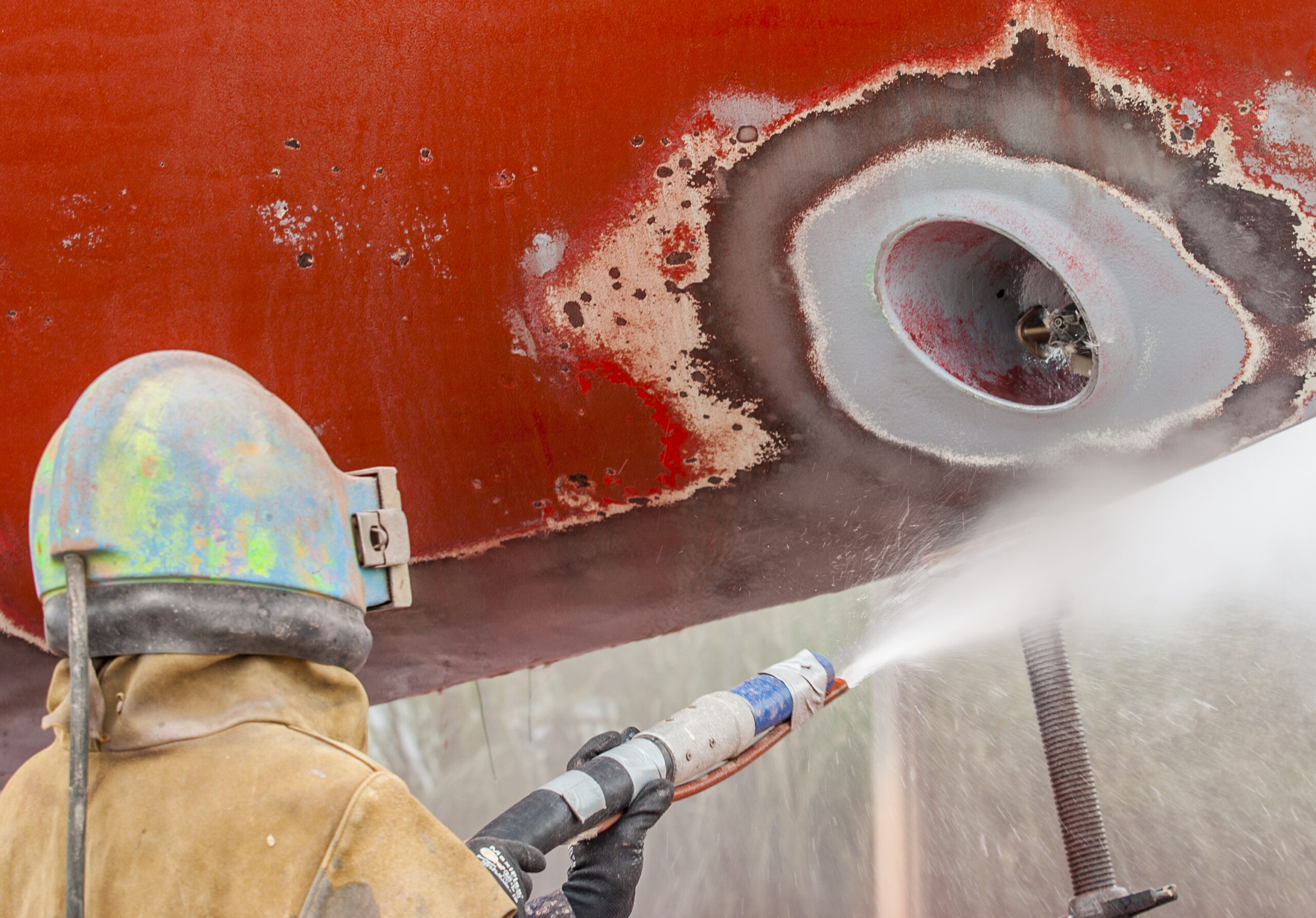
Surface preparation techniques, including abrasive blasting, solvent cleaning, and acid etching, are vital for removing mill scale, rust, oils, and other contaminants to reveal a sound substrate profile. Properly prepared surfaces provide essential anchor points for coatings, ensuring maximum adhesion and preventing premature delamination under operational stress. Neglecting this critical step significantly increases the risk of coating failure and subsequent substrate corrosion.
What Are the Standard Application Methods for Tank Coatings?
Tank coatings are typically applied using spray, brush, roller, or specialized plural-component equipment. High-pressure plural-component spray application ensures uniform film thickness for polyurea and epoxy systems, while brush and roller methods are suitable for minor repairs and smaller tanks. Airless spray technology is efficient for achieving coverage in confined spaces while minimizing overspray.
What Are the Typical Curing Times, and When Can Tanks Safely Return to Service?
Curing durations vary depending on the specific coating system:
- Epoxy: Typically requires 7–14 days at ambient temperatures for full cure.
- Polyurea: Achieves tack-free cure in as little as 30 seconds to 1 hour.
- Polyurethane: Reaches handling strength within 24–48 hours.
The return-to-service timeline depends on achieving complete mechanical cure and verifying coating hardness, which usually takes 3–7 days for polyurethanes and epoxies under controlled environmental conditions.
How Are Inspections and Repairs Conducted to Maintain Coating Integrity?
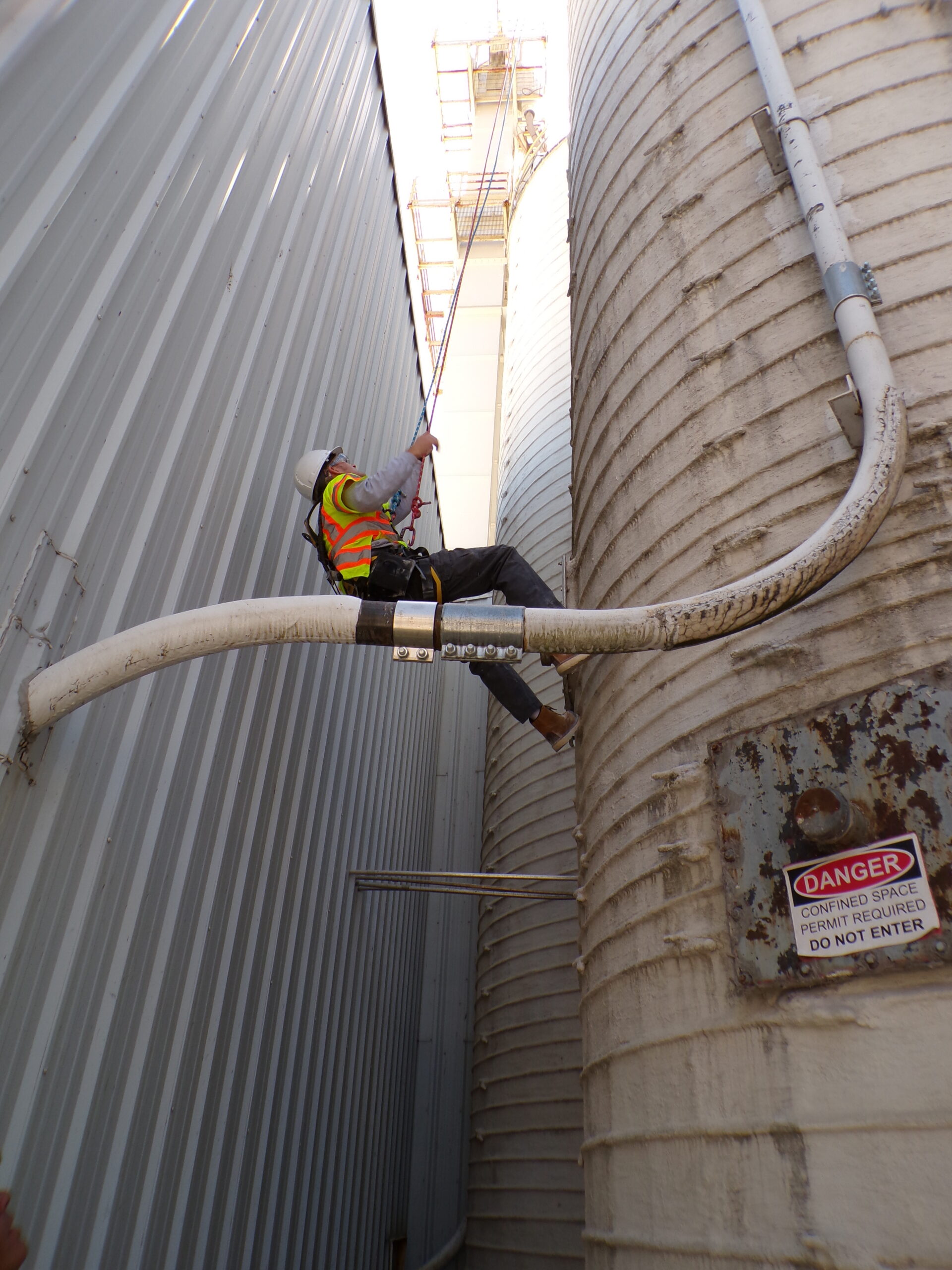
Inspection protocols involve visual examinations, the use of holiday detectors, and adhesion testing to identify any pinholes, thin areas, or signs of blistering. Repairs are typically carried out using compatible patch kits or touch-up coatings to address identified defects. Conducting regular inspections, ideally every 3–5 years, allows for the early detection of wear patterns, enabling targeted maintenance interventions that prevent the need for costly full recoating.
Tank Coating Inspection and Upkeep
Consistent inspection and maintenance are vital for prolonging tank lifespan and averting expensive repairs. Routine inspections conducted every 3 to 5 years can reveal wear before it becomes critical, and prompt corrective actions prevent substrate deterioration.
Selecting the Optimal Tank Coating for Your Unique Requirements
How Do Tank Substrate Materials Influence the Coating Selection Process?
The compatibility between the coating and the substrate material is a critical factor in determining the appropriate primer and coating chemistry.
- Steel: Typically requires a zinc-rich primer followed by epoxy or polyurea topcoats.
- Concrete: Benefits from moisture-tolerant polyurea or specialized epoxies formulated for high alkalinity.
- Fiberglass: Often accepts direct-to-substrate application of polyurethane or vinyl ester coatings.
Ensuring the coating chemistry is matched to the substrate’s properties is essential for achieving optimal adhesion and long-term durability.
How Do the Stored Liquids Dictate the Coating Selection Criteria?
The nature of the stored media directly influences the required chemical resistance properties of the coating:
- Potable water: Necessitates NSF/ANSI 61-certified epoxy or polyurethane coatings.
- Hydrocarbons: Requires fuel-resistant polyurea or high-solids epoxy coatings.
- Acids and solvents: Demands vinyl ester or novolac epoxy linings.
A thorough analysis of the stored liquid’s pH, solvent polarity, and temperature is crucial for selecting a chemically inert and compatible lining system.
What Environmental and Budgetary Factors Warrant Consideration?
Ambient temperature, humidity levels, and local VOC regulations can significantly impact the choice of coating and the required application schedule. While fast-curing polyurea systems offer the advantage of reduced downtime, they typically come with a higher material cost. Conversely, water-based epoxies provide low VOC content and a more budget-friendly option but require longer curing periods. Achieving the most cost-effective solution involves balancing operational constraints with budgetary considerations.
Best Practices for Tank Coating Maintenance and Inspection
How Frequently Should Tank Coatings Be Inspected for Signs of Damage?
Routine inspections conducted every 3 to 5 years are recommended to identify wear before it leads to significant issues. Critical areas, including weld seams, manways, and drain connections, should undergo annual visual checks. For external coatings, video borescope evaluations may be necessary when a full tank drain is not feasible. This proactive inspection schedule helps maintain the coating’s integrity and prevent hidden corrosion.
What Are Common Indicators of Coating Failure, and How Should They Be Rectified?
- Rust spots: Require localized removal and spot-priming with a compatible epoxy.
- Blistering: Necessitates the removal of compromised coating and recoating of the exposed substrate.
- Pinhole leaks: Can be effectively sealed using specialized polyurea patch materials.
Addressing these issues promptly is crucial to prevent substrate deterioration and restore the coating’s full protective capabilities.
How Does Regular Maintenance Contribute to Extending Tank Asset Lifespan?
Consistent cleaning, timely repair of any identified defects, and regular holiday testing are essential for preserving the coating’s integrity and halting corrosion at its source. Proactive maintenance strategies can extend a tank’s service life by as much as 50%, significantly reduce the costs associated with large-scale recoating projects, and ensure safe, compliant operation for many years.
Emerging Trends and Innovations in the Field of Tank Coatings
How Are VOC-Free and Environmentally Conscious Coatings Reshaping the Market?
VOC-free and water-based epoxy and polyurethane coatings are instrumental in reducing emissions and ensuring compliance with increasingly stringent air quality regulations. These advanced systems utilize cutting-edge resin technology to deliver comparable corrosion protection and adhesion performance without the associated hazards of solvents, thereby supporting the development of sustainable infrastructure projects.
VOC-Free Coatings and Environmental Mandates
VOC-free coatings, such as water-based epoxies and polyurethanes, are gaining prominence as essential tools for reducing emissions and meeting air quality standards. These innovative systems offer robust corrosion protection comparable to traditional coatings, without the environmental drawbacks of solvents.
Why Are Polyurea Coatings Increasingly Popular for Industrial Tank Applications?
Polyurea’s exceptionally fast cure times, broad operating temperature tolerance, and outstanding flexibility make it ideal for rapid deployment in demanding service environments. Numerous case studies demonstrate its effectiveness in minimizing downtime and providing superior abrasion resistance in secondary containment and railcar storage applications, driving its widespread adoption across the industry.
What is the Significance of Case Studies in Demonstrating Tank Coating Efficacy?
Detailed project reviews provide tangible evidence of real-world performance, including metrics on service life extension, reductions in maintenance costs, and successful achievement of regulatory compliance. By quantifying the outcomes of coating applications, case studies serve to validate system selections and build confidence among engineers and asset owners, thereby guiding future specification decisions.
With a thorough understanding of coating types, selection criteria, application methodologies, and maintenance protocols, you are well-equipped to safeguard your storage assets, ensure operational continuity, and meet all regulatory requirements. Utilizing certified products and adhering to industry best practices not only extends the lifespan of your tanks but also optimizes their overall cost of ownership. Explore the latest advancements in coating solutions to discover how modern formulations can enhance your asset protection strategy and secure long-term, reliable performance.