Mastering Concrete Floor Coatings: Your Complete Guide to Benefits, Types, Costs, and Commercial Uses
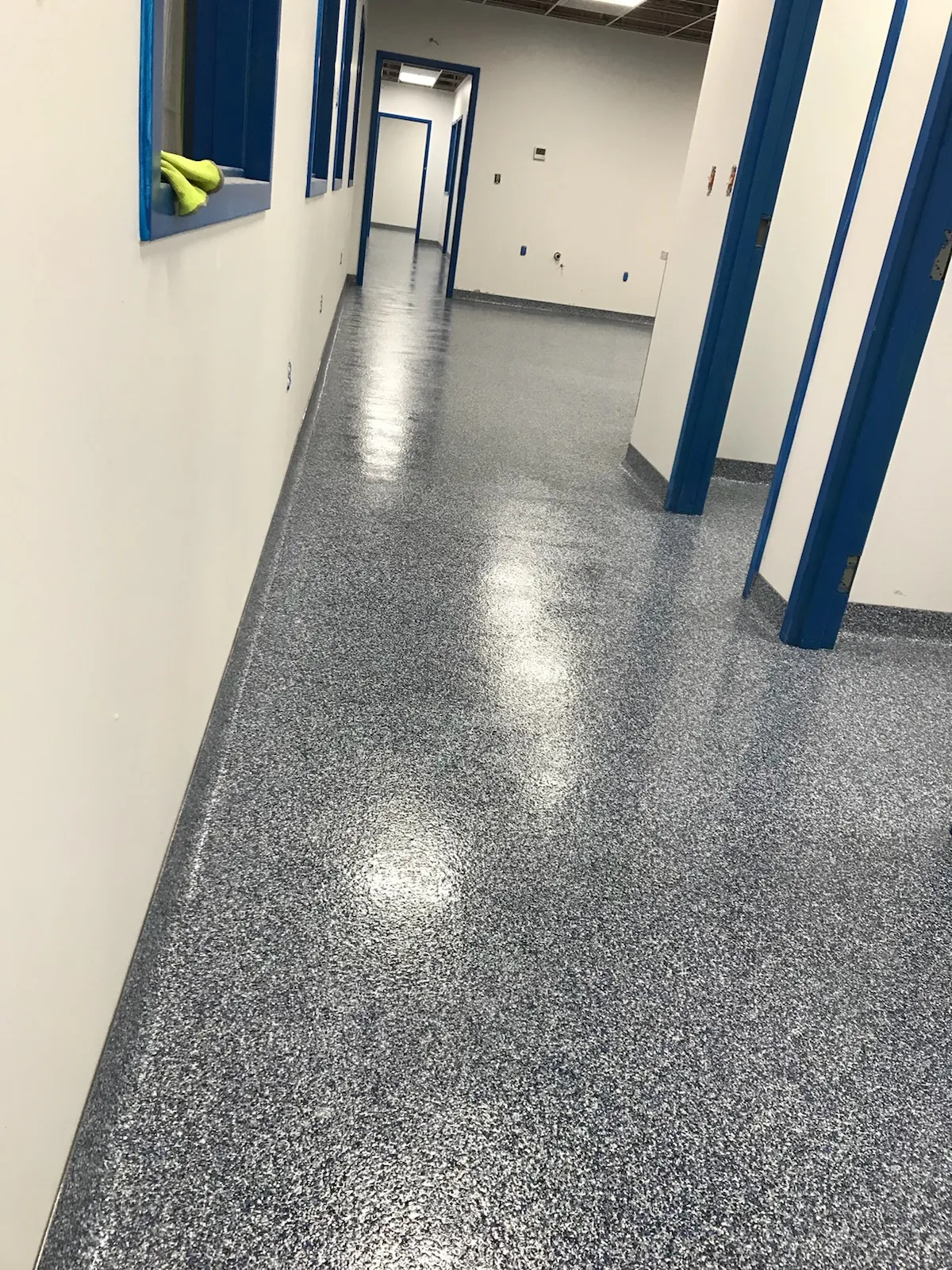
Concrete floor coatings are advanced resin systems that transform plain concrete slabs into robust, protected surfaces by chemically bonding industrial-grade materials. This in-depth guide covers why coatings like epoxy and polyaspartic are crucial for enduring performance, striking aesthetics, and smart budget management. You will discover:
- The fundamental nature of concrete floor coatings and their key advantages
- A detailed comparison of polyaspartic and epoxy systems regarding toughness, chemical makeup, and investment
- The primary factors influencing epoxy floor coating pricing and the intricacies of installation
- Creative design possibilities with concrete stains and color selection strategies
- Tailored commercial solutions designed for high-activity environments
- Step-by-step installation procedures, curing timelines, and essential maintenance practices
- Answers to frequently asked questions about lifespan, moisture defense, and environmentally conscious formulations
Upon completion, you’ll be well-equipped to select the optimal system for any residential, industrial, or commercial project—and understand why collaborating with a specialist like Mid-America Service Solutions guarantees swift operational readiness and superior outcomes.
What Exactly Are Concrete Floor Coatings and Why Are They Indispensable?
Concrete floor coatings are sophisticated, multi-component resin formulations that chemically bond with concrete, creating a unified, non-porous surface. They fulfill three primary objectives:
- Robust protection against wear, chemical spills, and UV damage
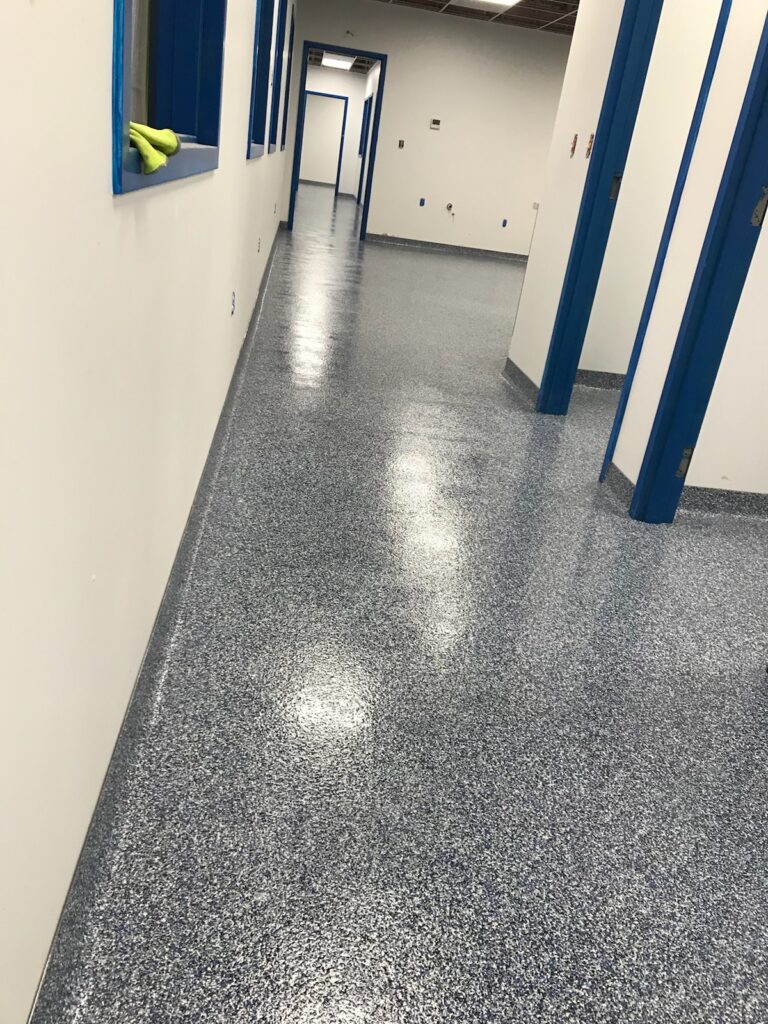
- Enhanced visual appeal through customizable finishes and a spectrum of colors
- Significant long-term cost efficiencies by minimizing repair cycles and operational downtime
Implementing a high-quality coating system actively prevents cracking, staining, and moisture intrusion, thereby extending the lifespan of your concrete slab and simplifying ongoing upkeep. Grasping these core principles provides a solid foundation for exploring the various types and applications available.
What Range of Concrete Floor Coatings Can You Choose From?
Concrete coatings are broadly categorized into four main types, each offering a unique blend of chemical properties and performance characteristics:
- Epoxy Coatings – These are rigid, two-part systems renowned for their exceptional chemical resistance and strong adhesion; they are perfectly suited for garages, industrial facilities, and basements.
- Polyaspartic Coatings – Offering rapid curing times, these aliphatic polyureas provide outstanding UV stability, remarkable flexibility, and drastically reduced downtime.
- Polyurethane Coatings – Known for their flexibility and superior abrasion resistance, these finishes are ideal for exterior applications and environments requiring food-grade compliance.
- Acrylic Sealers – These cost-effective, film-forming coatings enhance the gloss and stain resistance of decorative concrete surfaces.
Each system presents a unique balance of curing speed, surface hardness, and slip resistance. The subsequent section delves into how these coatings deliver unparalleled protection.
How Do Concrete Floor Coatings Elevate Durability and Protection?
Coatings establish a chemically bonded shield that effectively combats wear and tear through three key mechanisms:
- Abrasion Resistance – The inherent hardness of these polymers shields the surface from the constant friction of foot traffic and equipment, significantly reducing wear.
- Chemical Resistance – The cross-linked resin structure creates a barrier that repels common substances like oils, acids, and solvents, preventing staining and substrate damage.
- UV Stability – Formulations based on aliphatic polyaspartic and polyurethane chemistry are engineered to block UV radiation, preventing color fading and gloss degradation.
By integrating these protective qualities, coatings substantially lower maintenance expenses and minimize operational interruptions, directly contributing to enhanced facility productivity and extended asset life.
In Which Environments Do Concrete Floor Coatings Offer the Greatest Advantages?
Concrete coatings prove highly effective across a wide spectrum of settings, including residential, commercial, and industrial spaces:
- Residential Garages and Basements – Epoxy flooring creates surfaces that are effortlessly cleaned and resistant to oil stains.
- Retail Stores and Showrooms – Decorative finishes incorporating quartz or metallic effects significantly enhance visual appeal while withstanding moderate foot traffic.
- Warehouses and Manufacturing Plants – Polyaspartic systems are engineered to endure the rigors of forklift operations, chemical exposure, and heavy load bearing.
- Food Processing and Pharmaceutical Facilities – Low-VOC, antimicrobial urethane coatings are formulated to meet stringent hygiene and safety standards.
Selecting the appropriate coating chemistry based on specific site conditions and traffic demands is essential for achieving optimal performance and ensuring safety.
How Do Polyaspartic and Epoxy Coatings Stack Up Against Each Other?
What Are the Defining Differences Between Polyaspartic and Epoxy Coatings?
Epoxy and polyaspartic coatings diverge across five crucial performance aspects:
| Coating Type | Curing Time | Flexibility | UV Stability | Typical Application |
|---|---|---|---|---|
| Epoxy Coating | 12–24 hours for initial cure | Rigid, limited flex | Susceptible to yellowing from UV exposure | Garages, basements, general warehouse floors |
| Polyaspartic | 20 minutes–1 hour for cure | Moderate flex | Excellent resistance to UV degradation | High-traffic commercial areas, exterior surfaces, showrooms |
While epoxy systems provide a harder surface, they necessitate longer periods of inactivity. Conversely, polyaspartic coatings permit same-day use and offer superior resilience in various weather conditions.
Which Coating Delivers Superior Chemical and Abrasion Resistance?
Both epoxy and polyaspartic systems offer robust resistance to chemicals and abrasion, with key distinctions:
- Epoxy floor coatings provide exceptional surface hardness and chemical inertness, making them ideal for environments with frequent exposure to acids and solvents.
- Polyaspartic coatings combine good chemical resistance with enhanced durability against impacts and scratches, particularly under dynamic load conditions.
The ultimate choice between them depends on whether your environment faces more static chemical spills or the stresses of moving equipment and loads.
How Does the Cost Compare Between Polyaspartic and Epoxy Floor Coatings?
The overall cost is influenced by several factors, including materials, labor, and the impact of service interruption:
| Cost Factor | Epoxy Coating | Polyaspartic Coating |
|---|---|---|
| Material Expense | Generally lower | Typically higher |
| Labor & Installation | Moderate | Higher due to rapid application |
| Downtime Impact | Significant (24+ hours) | Minimal (under 2 hours) |
While epoxy’s initial material cost may be lower, the faster application of polyaspartic can offset labor expenses. For operations requiring immediate return to service, polyaspartic offers a quicker return on investment.
What Are the Optimal Use Cases for Polyaspartic Versus Epoxy?
- Polyaspartic coatings are the preferred choice for retail environments, hospitality venues, and outdoor areas where UV resistance and aesthetic longevity are paramount.
- Epoxy floor coating remains the industry standard for demanding applications such as chemical processing plants, manufacturing floors, and residential garages due to its proven performance.
- Hybrid systems, which utilize an epoxy primer followed by a polyaspartic topcoat, effectively combine the chemical resistance of epoxy with the rapid curing benefits of polyaspartic.
Understanding the specific strengths of each system is key to making informed decisions for targeted applications.
What Factors Influence the Cost of Epoxy Floor Coatings?
How Is the Pricing Determined for Epoxy Floor Coatings?
The pricing structure for epoxy coatings is typically based on three primary cost components:
- Materials – This includes the epoxy resin, hardener, primers, decorative flakes, and final sealers.
- Surface Preparation – Essential steps like grinding or shot blasting to achieve the optimal surface profile (typically 3–5 mil) are factored in.
- Labor and Overhead – Costs associated with technician expertise, project scale, and necessary environmental controls are included.
Ensuring a meticulously prepared substrate is fundamental for achieving strong adhesion and long-lasting performance, representing a significant portion of the overall project expense.
How Does Installation Complexity Impact Epoxy Floor Costs?
Certain complexities can lead to increased installation costs:
- Moisture Vapor Emission Control – This may involve applying specialized moisture barrier primers or epoxy moisture control primers.
- Crack Repair and Joint Treatment – Costs can rise with the use of epoxy fillers and flexible elastomeric caulks for structural joints.
- Decorative Inclusions – Incorporating flakes, quartz, or metallic pigments often requires multiple application passes, increasing labor and material usage.
While increased complexity naturally raises labor hours and material layers, it ultimately results in a more durable and visually appealing finished floor.
How Can Concrete Stains Enhance Your Floors with Color?
Concrete stains are designed to penetrate the concrete substrate, imparting translucent color with a distinctive, variegated appearance. These treatments effectively merge decorative appeal with protective functionality.
What Types of Concrete Stains Are Available?
Two primary stain chemistries are available, each offering a unique aesthetic outcome:
- Acid-Based Stains – These formulations utilize mineral acids that react chemically with the concrete, creating subtle, mottled color variations reminiscent of natural stone.
- Water-Based Stains – Composed of pigments dispersed in a water carrier, these stains provide more uniform, opaque color coverage across a wider spectrum of shades.
Each stain type delivers a distinct visual effect, ranging from the marbled, variegated look of acid stains to the consistent, solid tones achievable with water-based options.
What Is the Process for Selecting the Right Concrete Stain Color?
Choosing the ideal stain color involves considering three key factors:
- Ambient Lighting Conditions – The type and intensity of light, whether natural or artificial, can significantly alter how the color appears.
- Current Design Trends – Neutral, earthy tones continue to be highly favored in both commercial and residential interior design schemes.
- Desired Finish and Texture – The choice of sealer can influence the final appearance, offering options for high gloss, matte, or satin finishes to complement the overall décor.
Balancing aesthetic aspirations with practical maintenance considerations is crucial for achieving a lasting and attractive result.
What Are the Steps Involved in Applying Concrete Stains?
The application of concrete stains typically follows a structured five-step process:
- Thorough Surface Cleaning – This critical step involves removing any grease, existing sealers, or surface laitance, often achieved through acid etching or mechanical shot blasting.
- Even Stain Application – The stain solution is applied uniformly using sprayers or rollers to ensure consistent coverage and color development.
- Color Development Period – Allow 24–48 hours for the stain to react chemically with the concrete or for the pigments to fully penetrate the surface.
- Neutralization and Rinsing – Acid stains require a neutralization step, whereas water-based stains typically only need rinsing.
- Protective Sealing – A final sealer, either solvent- or water-based, is applied to protect the stain and control the final sheen.
Adhering to these steps meticulously ensures consistent color results and optimal stain performance.
What Are the Premier Concrete Floor Coating Solutions for Commercial Environments?
Commercial flooring demands coatings that offer exceptional durability, ease of maintenance, and enhanced safety features.
Why Is Durability a Paramount Concern for Commercial Concrete Flooring?
High-traffic commercial areas necessitate flooring solutions that provide:
- Superior resistance to the constant wear from foot traffic and heavy equipment
- Minimal operational downtime, crucial for business continuity and rapid turnovers
- Effective containment of chemical spills and surfaces that are easily cleaned
Specifying a high-performance coating system prevents the need for frequent repairs and extends the service life of the flooring in revenue-generating spaces.
Which Coatings Are Best Suited for Warehouses and Industrial Facilities?
- High-Build Epoxy Systems – These thicker film coatings are engineered to withstand the intense stress of forklift traffic and the impact from pallet movement.
- Polyaspartic Topcoats – Offering a rapid return to service, these are ideal for 24/7 operations and provide excellent protection against UV exposure.
- Polyurethane Coatings – Valued for their flexibility and abrasion resistance, these are also compatible with stringent hygiene protocols common in industrial settings.
A layered approach, combining appropriate primer, base, and topcoat layers, allows for performance to be precisely tailored to specific site challenges.
How Do Coatings Improve Safety and Simplify Maintenance in Commercial Settings?
Coating systems significantly enhance safety and operational efficiency through:
- Slip-Resistant Additives – Incorporating textured aggregates like quartz or grit into the coating significantly reduces the risk of slips and falls.
- Seamless Surface Integrity – Eliminating joints and cracks prevents the accumulation of dirt and contaminants, simplifying cleaning.
- High Reflectivity Properties – Light-colored coatings can improve ambient lighting levels, potentially reducing energy consumption.
Creating safe, hygienic, and easily maintained surfaces streamlines cleaning protocols and ensures compliance with relevant industry regulations.
How Is the Installation Process for Concrete Floor Coatings Carried Out?
Professional installation adheres to a systematic process designed to guarantee optimal adhesion and the long-term integrity of the coating system.
What Surface Preparation Steps Are Essential Before Coating Application?
Effective substrate preparation involves several critical stages:
- Mechanical Profiling – This process, typically involving shot blasting or diamond grinding, removes old coatings, contaminants, and creates the necessary surface profile for adhesion.
- Moisture Testing – Conducting tests such as calcium chloride or relative humidity probes is vital to identify and address potential moisture vapor transmission issues.
- Crack and Joint Repair – Damaged areas are repaired using specialized epoxy fillers, and expansion joints are treated with flexible sealants.
Thorough preparation is the cornerstone of achieving the bond strength required for enduring performance.
How Long Does Curing Take for Various Coating Types?
The time required for curing varies depending on the specific chemistry of the coating system:
| Coating System | Time to Light Use | Time to Full Chemical Cure |
|---|---|---|
| Epoxy Coatings | 12–24 hours | 7 days |
| Polyaspartic Coatings | 1–2 hours | 24–72 hours |
| Polyurethane Coatings | 4–8 hours | 3–5 days |
Faster-curing chemistries, such as polyaspartic, allow for phased occupancy and minimize operational disruptions in active facilities.
What Maintenance Practices Are Recommended to Extend Floor Coating Lifespan?
Regular maintenance is key to preserving the integrity and appearance of your floor coatings:
- Routine Cleaning – Regular sweeping and wet mopping with neutral-pH cleaners are essential to prevent surface degradation.
- Periodic Topcoat Renewal – Reapplying a clear topcoat every 3–5 years can restore gloss and enhance protective qualities.
- Prompt Spill Cleanup – Immediately addressing spills of acids, oils, or solvents prevents long-term chemical damage to the coating.
Consistent upkeep maximizes the return on your investment and helps maintain crucial safety standards.
What Are Common Inquiries Regarding Concrete Floor Coatings?
What Is the Expected Lifespan of Epoxy and Polyaspartic Floor Coatings?
Under typical traffic conditions, epoxy floor coatings generally last between 5 to 15 years. Polyaspartic coatings, owing to their superior UV stability and flexibility, can often endure for 8 to 20 years.
Can Concrete Floor Coatings Effectively Prevent Moisture Issues and Staining?
Yes, when installed correctly with appropriate moisture mitigation primers and non-porous topcoats, these coatings act as a barrier against vapor drive, inhibit efflorescence, and repel common stains from oil or water, particularly in areas like basements and patios.
Are Low-VOC and Environmentally Friendly Coating Options Available?
Indeed, a wide array of modern coating systems are available in low-VOC and solvent-free formulations. These options often meet LEED certification standards and contribute to healthier indoor air quality by reducing airborne emissions.
How Should I Determine the Most Suitable Floor Coating for My Specific Project?
Your selection should be guided by these critical criteria:
- Traffic Intensity – Consider the type and volume of traffic, whether it’s pedestrian, vehicular, or forklift loads.
- Chemical Exposure Levels – Assess the presence and type of chemicals, such as oils, acids, or solvents.
- Aesthetic Objectives – Define your desired look, including color, gloss level, and any decorative elements.
- Return-to-Service Requirements – Evaluate the tolerance for downtime during the curing phases.
Aligning performance needs with specific environmental factors is the most effective way to ensure the best long-term outcome for your project.
Concrete floor coatings offer unparalleled durability, protection, and design versatility for both residential and commercial applications. By understanding the distinctions between epoxy, polyaspartic, and decorative stains, as well as the factors influencing cost and installation, you can confidently select the ideal system for your needs. Partnering with a seasoned provider ensures meticulous substrate preparation, expert application, and dependable maintenance strategies that protect your investment for years to come.