
Streamlined Tank Servicing for Your Sector: Complete Solutions for Safety, Compliance, and Peak Performance

Excess sludge, chemical residues, and biofilms lurking within storage vessels can severely hamper production, jeopardize safety, and lead to regulatory penalties. This guide will illuminate how efficient tank servicing restores full capacity, prevents contamination, and extends equipment life, all while ensuring regulatory adherence and environmental stewardship. We’ll explore the critical importance of routine tank servicing, the specialized needs of various tank types, the most effective cleaning methodologies, essential safety protocols, responsible waste management and resource reclamation, and expert advice for selecting a premier servicing partner.
Why Is Industrial Tank Servicing Crucial for Your Operations?
Industrial tank servicing involves the removal of accumulated sludge, scale, and contaminants through mechanical action and chemical treatments to enhance flow, safeguard product quality, and minimize operational interruptions. By restoring original capacity, tank servicing boosts operational efficiency, prevents corrosion, and contributes to a safer work environment.
What Are the Core Advantages of Regular Tank Servicing?
Consistent tank servicing delivers vital operational, safety, and compliance benefits that protect both your assets and your personnel.
- Boosted Throughput – Clearing residual buildup restores full storage volume and ensures consistent flow rates.
- Heightened Safety – Eliminating flammable or toxic residues significantly reduces fire hazards and the potential for dangerous gas generation.
- Regulatory Adherence – Complying with OSHA and EPA standards helps you avoid fines and operational shutdowns.
- Extended Equipment Life – Removing corrosive deposits prevents pitting and structural degradation.
- Product Integrity Assurance – Preventing cross-contamination guarantees consistent quality in food, chemical, or pharmaceutical applications.
Benefits of Consistent Tank Servicing
Regular tank servicing offers substantial advantages, including improved throughput by restoring full storage volume and consistent flow rates, enhanced safety by removing flammable or toxic residues, and regulatory compliance by adhering to standards set by organizations like OSHA and the EPA. These practices also extend equipment lifespans by preventing corrosion and ensure product integrity by preventing cross-contamination.
How Does Tank Servicing Prevent Contamination and Corrosion?
Tank servicing prevents contamination by extracting biofilms, sediment, and chemical residues that can harbor bacteria or initiate undesirable reactions. Mechanical scrubbing and hydro-jetting effectively remove corrosive scale, while passivation treatments inhibit oxidation, preserving metal integrity and product purity.
Why Is Environmental Protection Paramount in Tank Servicing?
Environmental protection begins with the responsible management of wastewater and sludge generated during servicing. Utilizing biodegradable degreasers, closed-loop recovery systems, and appropriate disposal protocols minimizes effluent discharge and ensures compliance with environmental regulations. Sustainable practices reduce waste and support corporate responsibility objectives.
Which Types of Industrial Tanks Require Specialized Servicing?
Industrial tanks differ in their design, contents, and associated risks, necessitating customized servicing approaches for optimal safety and effectiveness. Below is an overview of key tank types, common contaminants, and specialized servicing requirements.
| Tank Type | Common Contaminant | Specialized Requirement |
|---|---|---|
| Fuel Tank | Asphaltene, Wax | Inert-gas purging, degassing procedures |
| Chemical Tank | Hazardous residues | Full decontamination, chemical neutralization |
| Wastewater Storage | Sludge, Biofilm | Sludge dredging, biological treatment |
| Oil Storage Tank | Heavy oil sludge | Centrifugal oil recovery, hot water flushing |
| Petrochemical Vessel | Polymerized deposits | High-pressure rotary nozzles, inert gas |
| Hazardous Waste Tank | Toxic by-products | Permitted disposal, PPE-intensive entry |
Each tank type demands tailored methods to address unique contaminants and regulatory obligations.
What Are the Challenges of Fuel Tank Servicing?
Fuel tanks accumulate dense sludge, waxy deposits, and water separation layers that require careful degassing to eliminate flammable vapors. Confined space entry hazards necessitate continuous gas monitoring and the use of explosion-proof equipment. Ensuring complete sludge removal without product loss demands precise pumping and filtration techniques.
How Does Chemical Tank Servicing Differ from Other Tank Servicing?
Chemical tanks frequently contain corrosive acids, alkalis, or reactive intermediates that require complete neutralization before entry. Specialized chemical servicing agents dissolve residues while passivation inhibitors protect metal linings. Rigorous PPE, ventilation, and waste segregation protocols are essential to prevent cross-contamination and environmental release.
What Are the Best Practices for Wastewater and Oil Storage Tank Servicing?
For wastewater tanks, initial sludge dredging followed by biofilm-targeting detergents optimizes microbial removal. Oil storage vessels benefit from hot-water circulation, centrifugal separation, and biodegradable dispersants to recover free oil and minimize sludge volumes. Sequential flushing and solids removal ensure thorough servicing.
How Do Petrochemical and Hazardous Waste Tank Servicing Impact Procedures?
Petrochemical tanks often require inert-gas blanketing and nitrogen purging to prevent explosive atmospheres. Hazardous waste tanks demand strict adherence to RCRA (Resource Conservation and Recovery Act) disposal regulations, specialized transport of contaminated effluent, and EPA-approved incineration or reprocessing. Enhanced containment and sampling protocols guarantee regulatory compliance.
What Are the Most Effective Tank Servicing Methods and Technologies?
| Method | Mechanism | Benefit |
|---|---|---|
| Automated Servicing Systems | Robotic nozzles, CIP loops | Minimizes confined-space entry, consistent coverage |
| Manual Tank Servicing | Hand-scrubbing, vacuuming | Targeted removal in complex geometries |
| Chemical Servicing Agents | Solvent degreasers, pH adjusters | Dissolves stubborn residues, passivates surfaces |
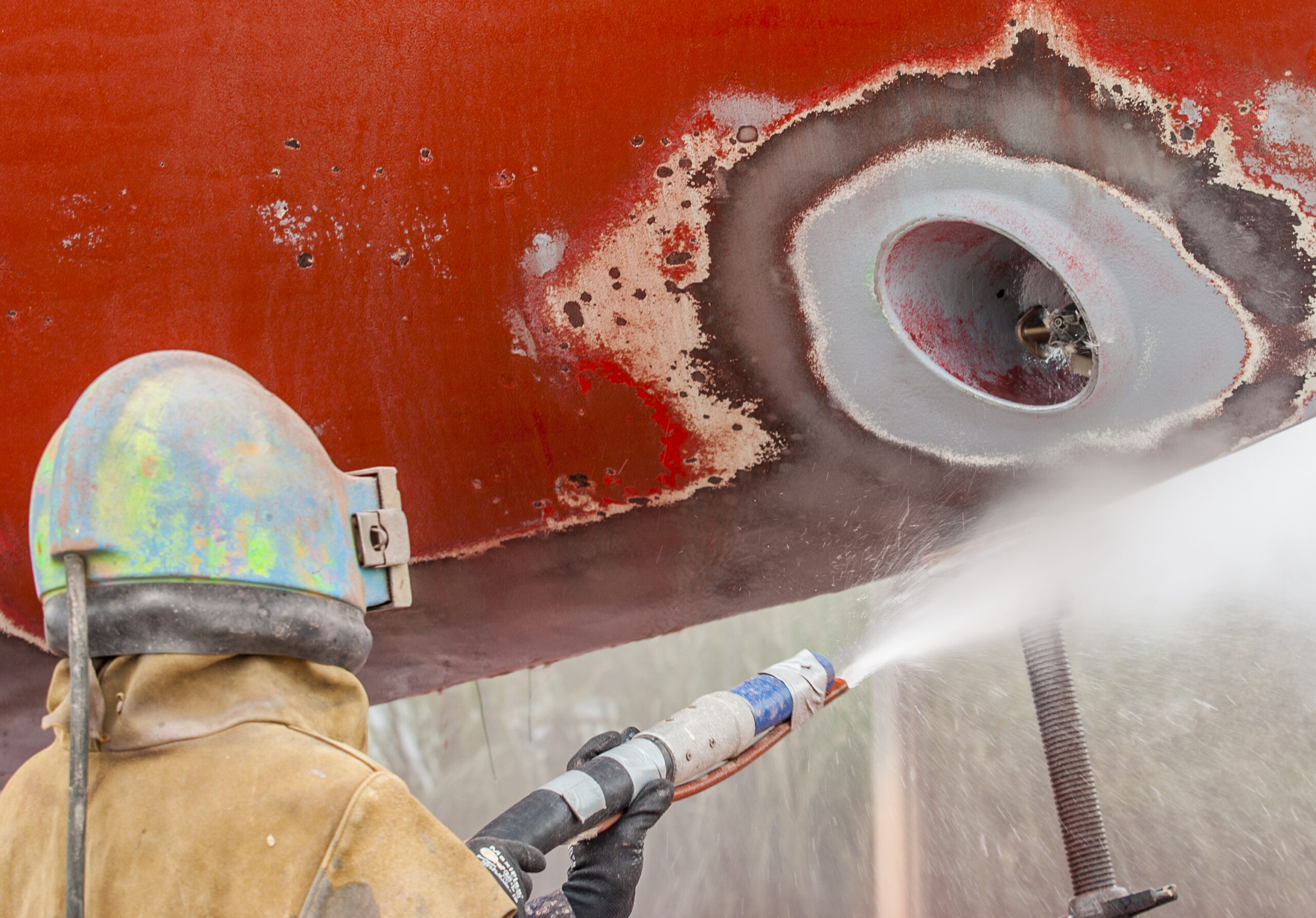
| Hydro-jetting | High-pressure water jets | Removes scale and biofilm without chemicals |
| Sludge Removal Techniques | Centrifuge, decanter separators | Recovers oil, reduces waste volume |
Tank Servicing Methods and Technologies
Automated servicing systems, such as those employing robotic nozzles and CIP loops, are effective in minimizing confined-space entry and ensuring consistent coverage. Manual tank servicing is preferred for tanks with intricate internals, while chemical servicing agents and hydro-jetting are utilized to dissolve residues and dislodge particles. Sludge removal techniques, including centrifugal separators, are also vital for waste reduction and resource recovery.
How Do Automated Tank Servicing Systems Enhance Safety and Efficiency?
Automated servicing systems deploy remotely controlled nozzles and CIP (Clean-in-Place) loops that circulate servicing fluids without human entry, thereby eliminating confined-space risks and reducing labor requirements by up to 70 percent. Consistent pressure and nozzle orientation ensure uniform coverage, shortening servicing cycles by up to 50 percent.
When Is Manual Tank Servicing Preferred and What Are Its Procedures?
Manual servicing is preferred for tanks featuring complex internals, baffles, or inspection access points that robotic nozzles cannot effectively reach. Procedures involve draining residual materials, vacuuming solids, hand-scrubbing with non-abrasive brushes, and a final rinse. Strict permit-required confined-space entry protocols, continuous gas monitoring, and comprehensive personal protective equipment (PPE) ensure worker safety.
What Role Do Chemical Servicing Agents and Hydro-jetting Play?
Chemical servicing agents dissolve oil-based residues, mineral scale, and polymerized deposits through saponification or pH neutralization. Hydro-jetting complements chemical treatments by dislodging particles, reducing reliance on solvents and accelerating physical removal. When used together, they achieve deeper cleaning while minimizing water consumption.
How Are Sludge Removal Techniques Applied in Tank Servicing?
Sludge removal employs centrifugal separators and decanter centrifuges to recover entrained oil and reduce hazardous waste volumes. After mechanical agitation loosens solids, high-speed separation yields clean water suitable for discharge and concentrates hydrocarbons for recycling. This process lowers disposal costs and improves resource recovery.
Industry-Specific Tank Servicing: Safety, Compliance & Performance
Safety and compliance form the bedrock of any tank servicing project, dictating every procedural step from initial planning through post-servicing validation.
What Are Confined Space Entry Procedures for Tank Servicing?
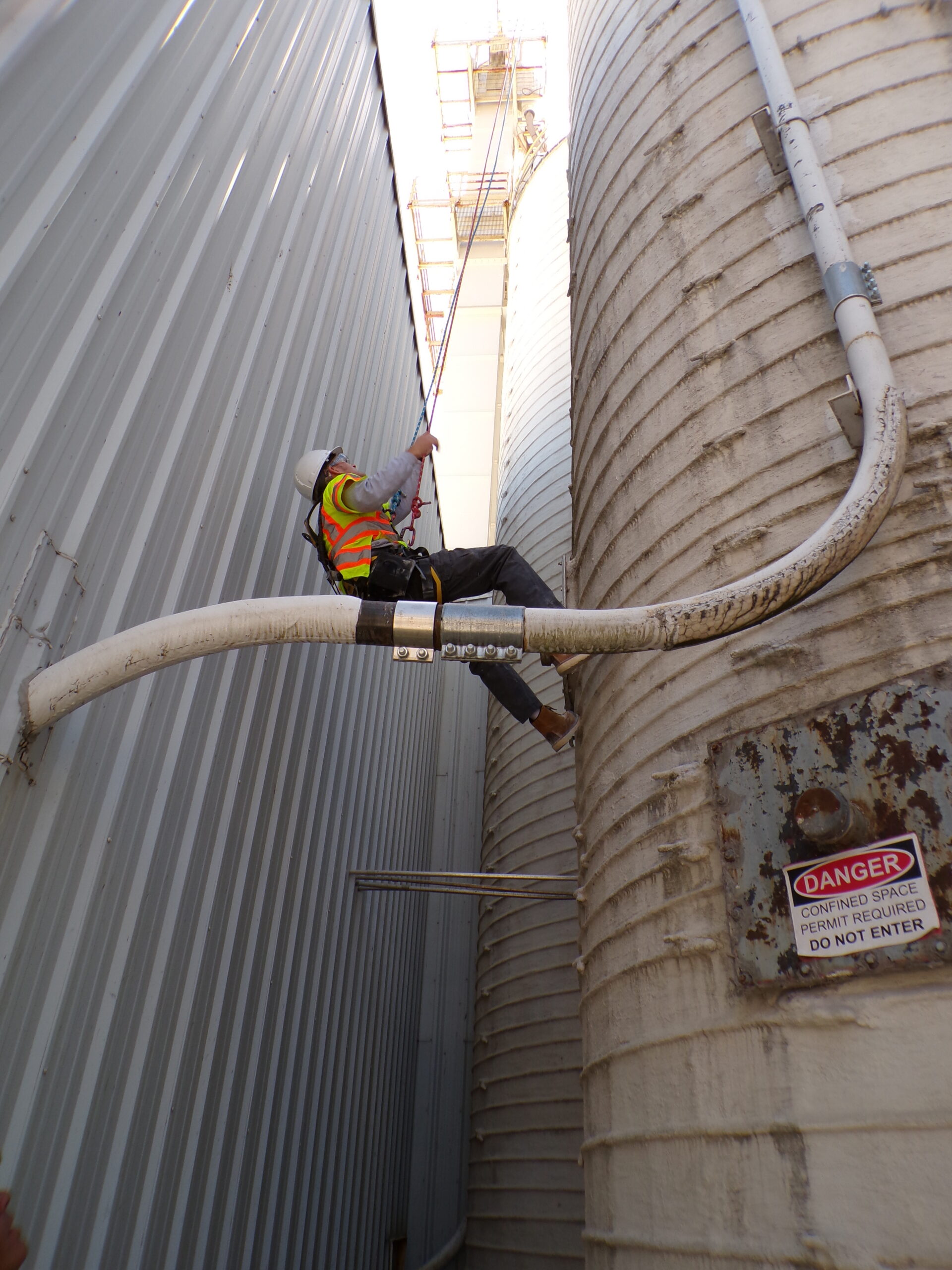
Confined space entry mandates a documented permit, pre-entry atmospheric testing for oxygen levels, flammable gases, and toxic vapors, continuous ventilation, two-person rescue protocols, and specialized PPE including respirators, harnesses, and explosion-proof lighting. A trained attendant must oversee the entry and maintain communication throughout the operation.
How Is Emergency Response Planned for Tank Servicing Projects?
Emergency response plans include on-site firefighting equipment, gas leak isolation measures, spill containment booms, and a pre-established rescue team equipped with retrieval gear. Drills simulate worst-case release scenarios and medical emergencies. Rapid shut-off valves and remotely operated pumps enable swift hazard mitigation.
How Is Waste Managed and Resources Recovered During Tank Servicing?
Effective waste management transforms by-products into recoverable resources and minimizes environmental impact.
What Are Best Practices for Sludge Removal and Oil Recovery?
Following the loosening of solids, sludge is transferred to centrifuges that separate free oil from water and solids. Recovered oil undergoes filtration and can be reconditioned, while treated water meets discharge standards. This approach reduces waste volume by up to 60 percent and recovers valuable hydrocarbons.
Waste Management and Resource Recovery
Effective waste management during tank servicing involves practices such as sludge removal using centrifuges to separate oil, water, and solids. Recovered oil can be reconditioned, and treated water can meet discharge standards. Implementing closed-loop CIP systems, utilizing biodegradable degreasers, and optimizing water-use cycles are strategies to minimize waste and promote resource recovery.
How Is Hazardous Waste from Tank Servicing Safely Disposed Of?
Hazardous waste is classified according to EPA guidelines, stored in DOT-approved containers, and transported under manifest to licensed treatment, storage, and disposal facilities (TSDFs). Neutralization, stabilization, or incineration methods are selected based on waste characteristics, ensuring a minimal environmental footprint.
What Strategies Minimize Waste and Promote Resource Recovery?
Implementing closed-loop CIP systems, using biodegradable degreasers, and optimizing water-use cycles reduce effluent generation. On-site separation units recover oils and heavy metals prior to discharge. These strategies lower disposal costs, support sustainability objectives, and enhance overall project ROI.
How to Select a Professional Tank Servicing Partner for Your Industry Needs?
Choosing the right partner ensures safe, efficient, and compliant servicing that aligns with your operational objectives.
How Does Advanced Technology Enhance Servicing Outcomes?
Firms employing robotic servicing arms, AI-driven inspection drones, and real-time gas-monitoring platforms deliver faster turnaround times, higher safety margins, and data-driven process optimization. Technology reduces human exposure and provides consistent servicing logs for audit trails.
What Do Case Studies Reveal About Efficiency and Safety Improvements?
One refinery client reduced downtime by 30 percent and recovered 75 percent of oil from sludge by integrating hydro-jetting and centrifuge recovery. A chemical plant achieved zero permit violations over five years by adopting automated CIP systems and rigorous confined-space protocols. These successes demonstrate measurable gains in safety and cost savings.
What Are the Most Common Questions About Industrial Tank Servicing?
This section addresses frequent inquiries concerning scheduling, equipment, risks, and safety protocols for tank maintenance.
How Often Should Industrial Tanks Be Serviced?
Servicing frequency depends on tank contents and operational cycles, typically ranging from quarterly for wastewater basins to annually for oil and chemical storage. High-viscosity products or reactive chemicals may necessitate biannual servicing or continuous CIP loops.
What Equipment Is Used in Automated Tank Servicing?
Automated systems utilize rotating nozzles, suction probes, CIP skid units with pumps and flow meters, robotic inspection crawlers, and programmable logic controllers (PLCs) for precise cycle control. Explosion-proof motors and remote-control interfaces enable safe operation in hazardous areas.
What Are the Hazards Associated with Tank Servicing?
Key risks include oxygen-deficient atmospheres, flammable vapor pockets, toxic gas exposure, engulfment in sludge, and slips on wet surfaces. Mitigation strategies rely on real-time gas monitoring, continuous ventilation, comprehensive PPE, and strict permit procedures.