The Ultimate Guide to Hydroblasting: Powering Industrial Cleaning and Surface Prep
Hydroblasting uses super-high-pressure water jets to achieve unparalleled industrial cleaning and surface preparation, making it a vital part of modern maintenance and restoration. This in-depth guide will walk you through what hydroblasting is, how it works, its fundamental principles and pressure levels, and how it stacks up against pressure washing and sandblasting. We’ll cover the main industrial uses—from cleaning tanks and pipes to removing concrete and maintaining marine structures—then dive into the essential gear, key advantages, safety measures, how to pick the right provider, common questions, and what’s next in automation and environmental responsibility. Whether you’re looking into hydroblasting services or researching hydroblasting companies, this article will give you the knowledge you need to boost performance, safety, and sustainability.
What Exactly Is Hydroblasting and How Does It Work?
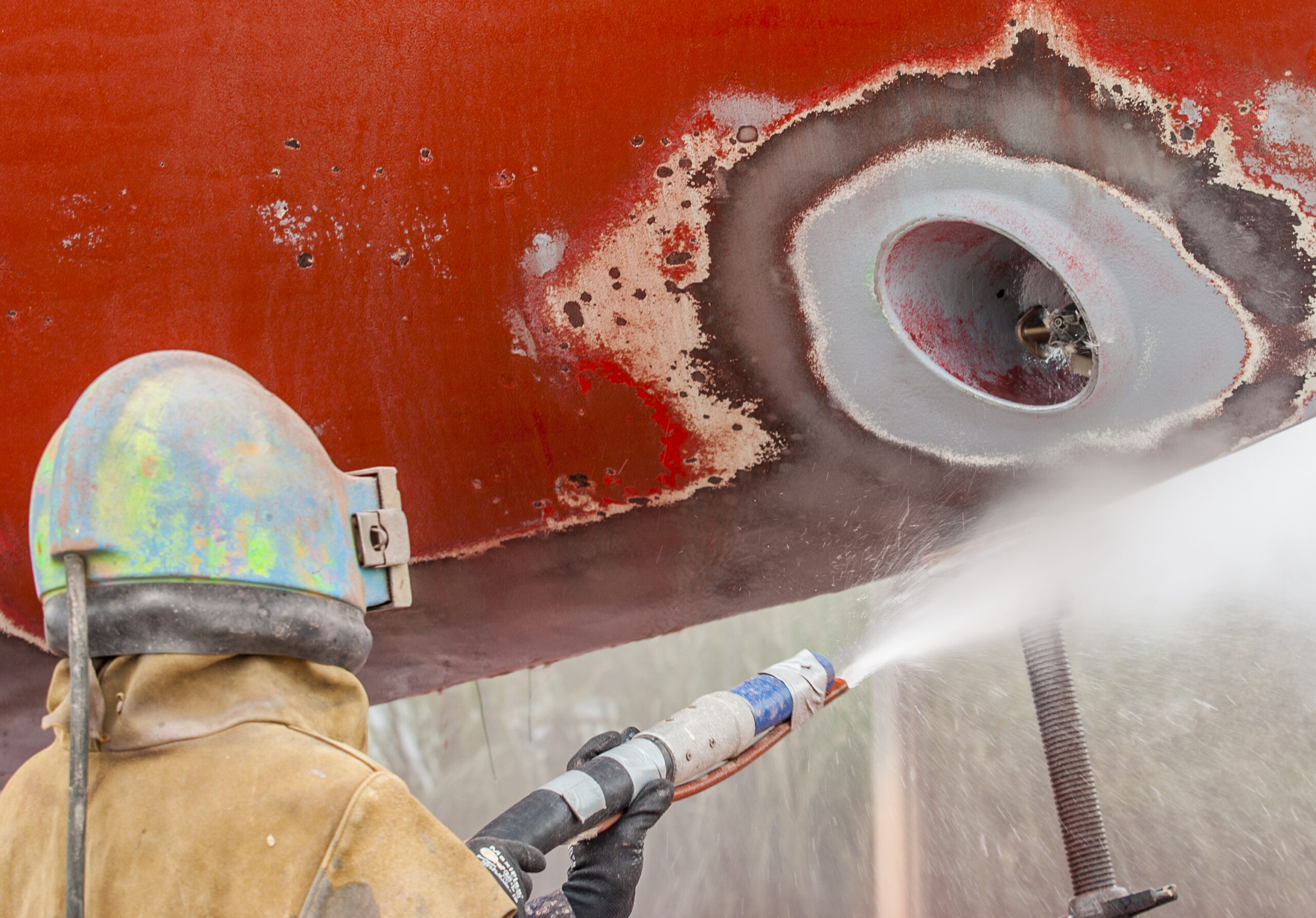
Hydroblasting is an industrial cleaning method that employs highly pressurized water streams to clear away contaminants, coatings, and materials without using chemical solvents or abrasive grit. By boosting feed water to pressures over 10,000 PSI, hydroblasting effectively dissolves scale, rust, paint, and even tough concrete, offering precise surface prep and material removal while safeguarding the underlying surfaces. For instance, operators can carefully strip paint from steel tanks without damaging the metal, then move on to the core principles that guide all water-jet cleaning jobs.
What Are the Core Principles Behind Hydroblasting?
Hydroblasting operates on three main principles—pressure creation, kinetic energy transfer, and containment management—to ensure efficient and safe cleaning results.
- Generating High Pressure: Pumps crank up water pressure to between 10,000 and 40,000 PSI, providing the kinetic force needed to break down the molecular bonds in buildup and coatings.
- Efficient Energy Transfer: Nozzle design shapes the pressure into a focused jet, concentrating energy on a specific spot to maximize cutting or cleaning power while minimizing waste.
- Containing and Recycling: Enclosures and vacuum systems capture used water and debris, preventing environmental contamination and allowing for water reuse.
These principles guarantee that hydroblasting delivers consistent power, precise targeting, and responsible water handling, which naturally leads to choosing the right PSI for each job.
What PSI Levels Are Typically Used in Hydroblasting?
Hydroblasting generally uses pressures from 10,000 PSI for heavy-duty cleaning up to 40,000 PSI or more for cutting and hydrodemolition, striking a balance between cleaning power and protecting the surface. The table below shows common pressure ranges, their typical uses, and the results they achieve:
| Pressure Range (PSI) | Typical Use | Effective Result |
|---|---|---|
| 10,000–15,000 | Removing paint and rust | Cleaning surfaces without etching |
| 15,000–25,000 | Tackling scale and heavy deposits | Quickly descaling heat exchangers |
| 25,000–35,000 | Hydrodemolition and concrete cutting | Precisely removing concrete around rebar |
| 35,000+ | Cutting and demolishing metal | Controlled slicing of steel and thick structures |
Selecting the right pressure level fine-tunes the cutting force to match the material’s hardness and the coating’s thickness. Understanding these ranges helps explain why hydroblasting often outperforms other methods in many situations.
How Does Hydroblasting Differ from Pressure Washing and Sandblasting?
Hydroblasting stands apart from pressure washing and sandblasting by combining ultra-high pressure with a pure water medium, allowing for deeper cleaning without scratching surfaces or leaving abrasive residue.
- Pressure Washing: Operates at 2,000–5,000 PSI, great for exterior surfaces but not effective on hardened scale or thick coatings.
- Sandblasting: Uses abrasive particles to remove material, creating dust and leaving behind abrasive particles that need further cleaning.
- Hydroblasting: Employs pure water at up to 40,000 PSI, providing chemical-free cleaning, zero dust, and immediate rinsing of debris.
These key differences highlight hydroblasting’s superior precision, environmental friendliness, and ability to preserve surface integrity in demanding industrial settings, setting the stage to explore its primary industrial applications.
What Are the Main Industrial Uses for Hydroblasting Services?
Hydroblasting serves a wide range of industries by offering targeted cleaning, cutting, and surface preparation solutions that extend equipment life, improve safety, and ensure regulatory compliance. It’s commonly used in oil and gas operations, power plants, marine vessels, chemical facilities, and manufacturing sites where precision and efficiency are paramount.
Hydroblasting Applications – Industrial Cleaning
Hydroblasting is a flexible method used across various industries for cleaning and surface preparation, including tank cleaning, pipe descaling, and coating removal. It’s also used for cleaning industrial equipment.
How Is Hydroblasting Used for Tank Cleaning?
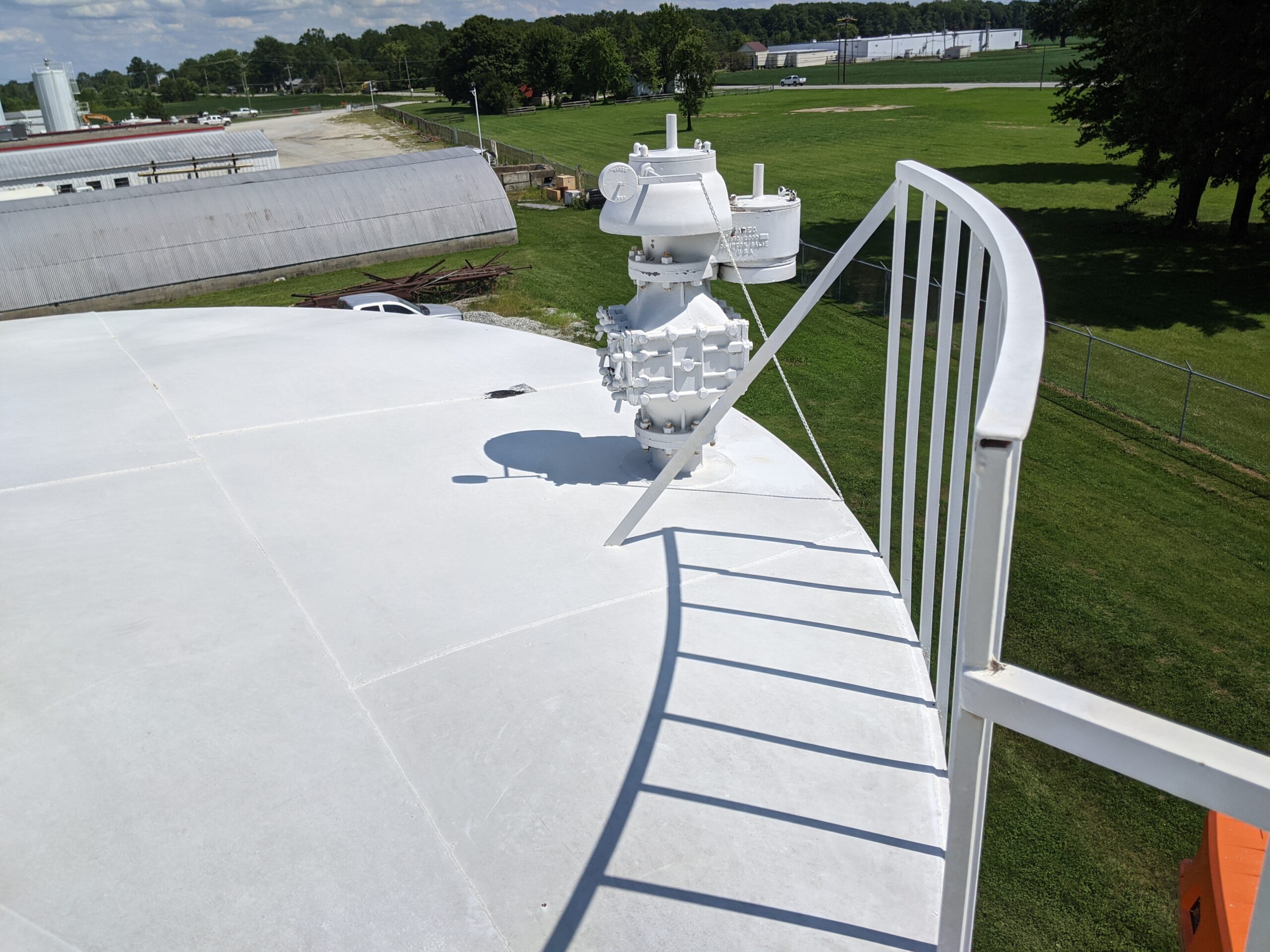
Hydroblasting cleans storage and process tanks by using rotating or 3D-scanning nozzles that sweep the interior surfaces with high-pressure water jets. This method effectively removes sludge, scale, and chemical residues without the need for manual scrubbing, reducing the risks associated with confined-space entry and operator exposure. Automated tank-cleaning heads can complete a full interior clean in just hours, compared to days for manual methods, significantly cutting down on downtime and safety hazards.
What Are the Advantages of Cleaning Pipes and Tubes with Hydroblasting?
Hydroblasting for descaling heat exchangers, condensers, and piping utilizes slim lances and specialized nozzles designed to navigate bends and tight tubes. This process:
- Restores efficient flow by clearing out mineral scale and corrosion.
- Prevents hot spots and equipment failure by ensuring even heat transfer.
- Extends service intervals through gentle, non-abrasive cleaning that preserves the tube material.
These benefits lead to fewer operational interruptions, energy savings, and lower maintenance costs, strongly supporting the use of hydroblasting in critical process systems.
How Does Hydrodemolition Safely and Precisely Remove Concrete?
Hydrodemolition uses 20,000–35,000 PSI jets to fracture concrete, carefully removing deteriorated sections while leaving embedded reinforcement bars untouched. This method avoids vibration and micro-cracking. Robotic arms precisely control nozzle angles and movement patterns to remove damaged concrete in bridges, piers, and industrial floors, protecting structural integrity and speeding up surface preparation for repairs or new overlays.
Hydroblasting Applications – Surface Restoration
Hydroblasting is employed for surface restoration, removing damaged concrete while keeping underlying rebar intact, making it perfect for bridge and road repairs. This technique is also effective in architectural restoration.
What Surface Preparation and Coating Removal Tasks Can Hydroblasting Handle?
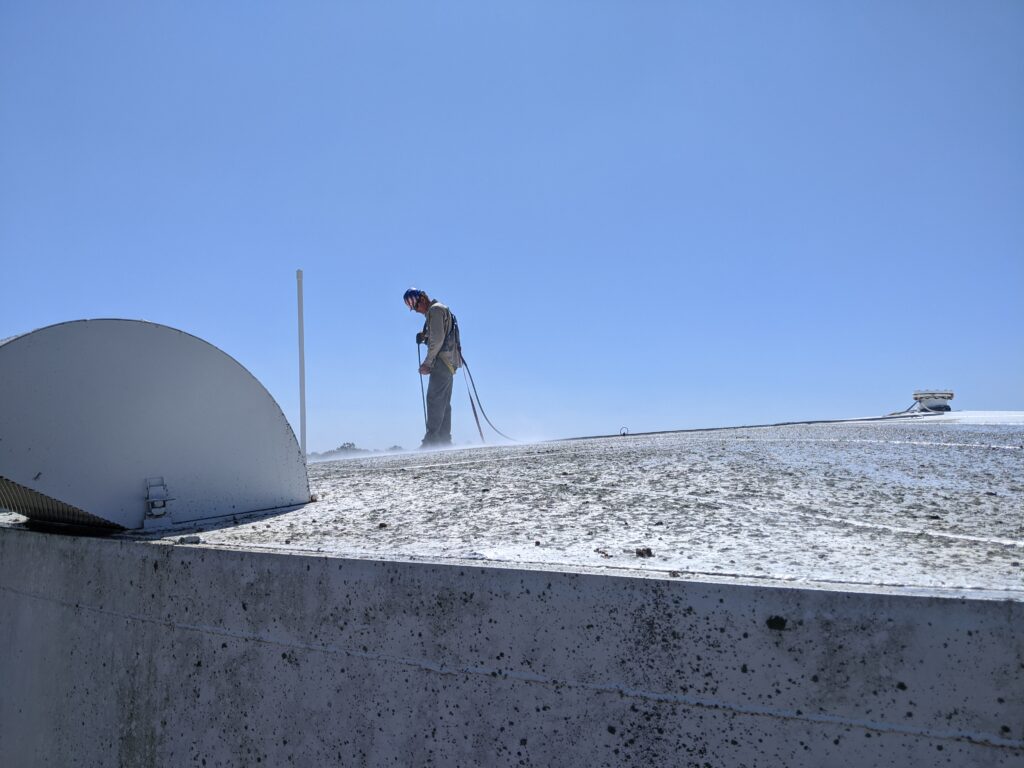
Hydroblasting efficiently strips paint, rust, mill scale, and peeling coatings from steel, concrete, and composite surfaces. By adjusting pressure settings and swapping nozzles, operators can tailor the jet intensity to the substrate’s hardness, ensuring thorough surface preparation for new coatings or linings without leaving behind abrasive residue or chemical waste.
How Is Hydroblasting Used in Marine and Offshore Settings?
For maintenance on shipyards and offshore platforms, hydroblasting removes barnacles, marine growth, and old paint from hulls and structural components. Underwater hydroblasting systems use sealed pumps and remote-controlled lances, combining high-pressure washing with debris capture to protect marine life and meet environmental regulations for coastal work.
What Types of Hydroblasting Equipment Are Crucial for Effective Water Blasting?
Effective hydroblasting depends on four main equipment categories—pumps, nozzles, hoses and lances, and automated systems—each designed to handle extreme pressures and deliver reliable performance.
Hydroblasting Equipment and Safety
Hydroblasting operations require specialized equipment, including high-pressure pumps, nozzles, hoses, and automated systems. Safety protocols are paramount, involving the use of appropriate personal protective equipment (PPE) and strict adherence to industry standards.
What Do High-Pressure Pumps Do in Hydroblasting?
High-pressure pumps convert power from an engine or electricity into hydraulic force, multiplying the incoming water pressure by 50 to 200 times. These pumps:
- Maintain steady pressure even when flow rates change.
- Include safety relief valves to prevent overpressure situations.
- Are built for continuous operation during long cleaning cycles.
Choosing the right pump ensures consistent jet velocity, which directly impacts cutting power and cleaning uniformity across different applications.
How Do Different Nozzle Types Impact Hydroblasting Performance?
Nozzles shape and direct the water jet, affecting its impact force and the area it covers. Common nozzle types include:
- Zero-Degree Nozzles: Focus energy into a pinpoint stream for cutting and concrete demolition.
- Fan Nozzles: Spread the water into a wide spray pattern for quick coating removal and surface cleaning.
- Rotary Nozzles: Spin at high speed to deliver powerful, circular cleaning patterns inside tanks and vessels.
Selecting the correct nozzle geometry for the specific task optimizes energy transfer and reduces the time needed to complete the job.
What Is the Role of Hoses and Lances in Hydroblasting Operations?
Hoses and lances deliver pressurized water from the pump to the nozzle with minimal pressure loss, ensuring operator safety and ease of movement. Key features include:
- Reinforced construction, using textiles or steel braiding, to withstand high pressures and prevent bursts.
- Designs that prevent kinking, allowing for smoother control of the water jet.
- Ergonomically designed lance handles that reduce operator strain during manual cleaning tasks.
Proper selection of hoses and lances maintains system reliability and preserves the integrity of the water jet, even when navigating complex cleaning paths.
How Are Automated and Robotic Hydroblasting Systems Changing the Industry?
Automated hydroblasting integrates robotics, remote controls, and programmable cleaning heads to perform cleaning tasks hands-free in hazardous or confined areas. These systems:
- Boost operator safety by eliminating direct exposure to high-pressure jets.
- Provide consistent, repeatable cleaning patterns for thorough coverage of tanks, pipes, and structures.
- Lower labor costs and shorten project timelines through continuous, unmanned operation.
Robotic hydroblasting is setting a new benchmark for precision, safety, and productivity in industrial maintenance.
What Are the Key Advantages of Using Hydroblasting Services?
Hydroblasting services offer superior efficiency, safety, and environmental performance compared to traditional cleaning and demolition methods, leading to cost savings and improved operational outcomes.
How Does Hydroblasting Boost Efficiency and Cut Downtime?
Hydroblasting cleans surfaces up to six times faster than abrasive blasting or manual methods, thanks to its high-pressure jets combined with automated scanning heads. Quick debris removal and immediate rinsing significantly shorten shutdown periods, allowing for faster return to service and maximizing production uptime.
In What Ways Does Hydroblasting Improve Operator Safety?
By using remote-controlled robotic units and automated lance systems, hydroblasting greatly reduces operator exposure to high-pressure jets, confined-space dangers, and airborne particles. The mandatory use of PPE—including cut-resistant suits, face shields, and hearing protection—further minimizes risks, while strict adherence to industry standards ensures a safe working environment.
Why Is Hydroblasting Considered an Eco-Friendly Option?
Hydroblasting uses only water, eliminating the need for chemicals and abrasive media that create hazardous waste. Containment systems capture and filter used water for recycling, reducing overall water consumption by up to 80% and preventing contaminants from entering the environment.
How Does Hydroblasting Offer Versatility and Precision on Different Surfaces?
With adjustable pressure settings and interchangeable nozzles, hydroblasting can easily switch from delicate surface cleaning to heavy-duty concrete removal. This flexibility ensures consistent results across steel, concrete, composites, and other materials without needing multiple cleaning technologies.
What Safety Protocols and Industry Standards Guide Hydroblasting?
Effective hydroblasting operations follow strict safety procedures and recognized standards to protect people, assets, and the environment.
What Are the Essential Hydroblasting Safety Procedures and PPE Requirements?
Operators must follow lockout/tagout procedures, perform pressure leak tests, and maintain clear work areas. Essential personal protective equipment includes cut-resistant suits rated for 40,000 PSI, full-face shields, hearing protection, and steel-toed boots, providing complete protection against jet injuries and debris impact.
How Are Confined Space Entry Protocols Managed During Hydroblasting?
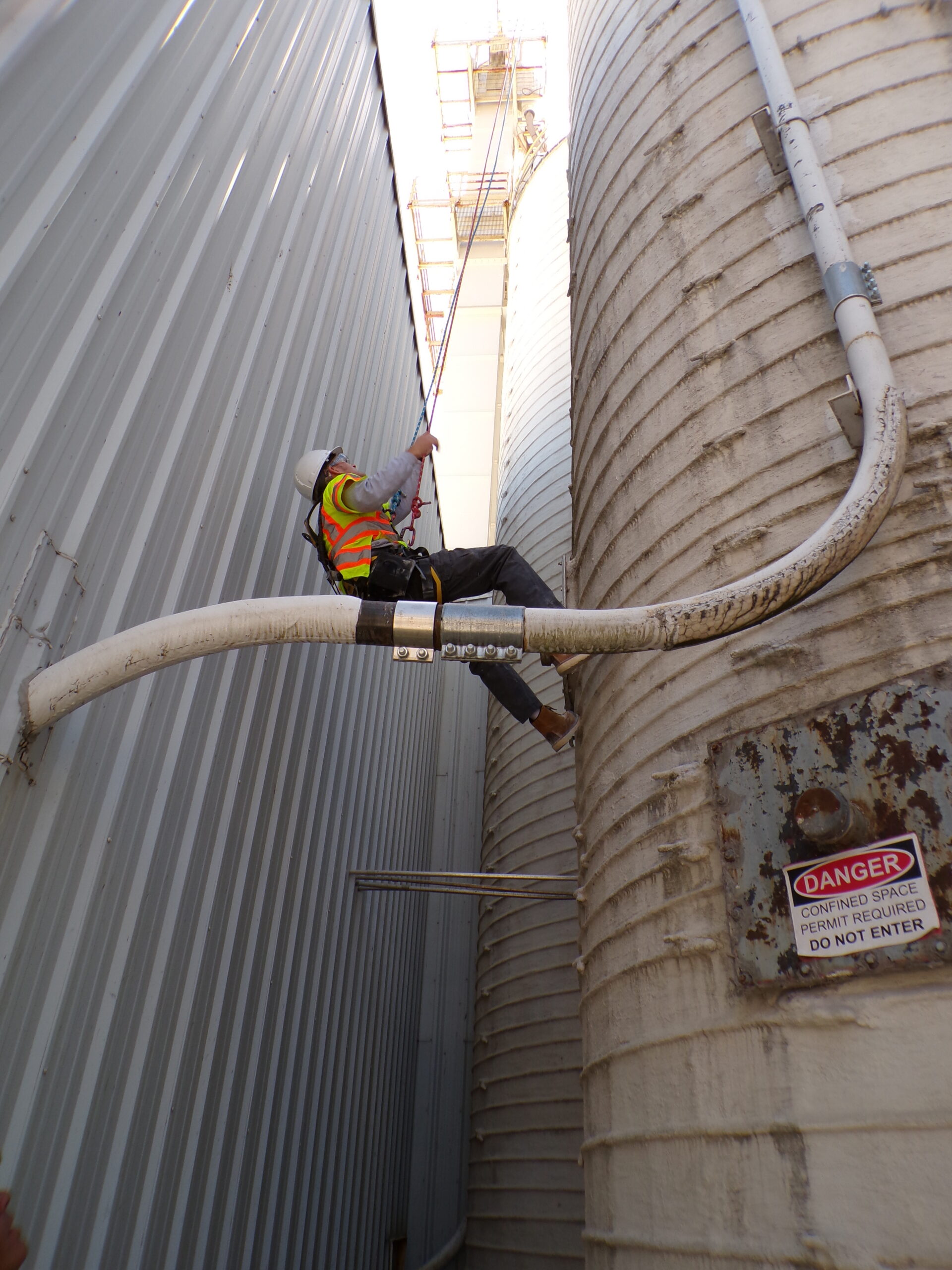
Hydroblasting inside tanks and vessels requires a permit system that includes atmospheric testing, continuous ventilation, and standby rescue personnel. Real-time gas monitoring and two-way communication systems maintain safe conditions, while automated cleaning heads reduce the need for frequent manual entry.
How Can You Select the Right Hydroblasting Company or Service Provider?
Choosing a qualified hydroblasting partner involves assessing their technical expertise, equipment capabilities, and commitment to environmental and safety practices.
What Criteria Should You Use to Evaluate Hydroblasting Contractors?
Evaluate contractor qualifications by checking their certifications from recognized organizations, reviewing their safety records, and examining case studies of similar projects. Prioritize companies that demonstrate strong preventative maintenance programs, documented operating procedures, and a history of completing projects on time and within budget.
How Do Automated Hydroblasting Capabilities Influence Provider Selection?
Providers who utilize robotic and CNC-controlled hydroblasting systems offer consistent quality, reduced labor risks, and faster project completion times. Companies investing in automation deliver the repeatability and precision needed for large-scale or frequent maintenance programs.
What Questions Should You Ask About Environmental and Safety Practices?
Inquire about their waste containment and water recycling procedures, as well as their compliance with local environmental regulations. Ask how the contractor handles PPE distribution, operator training, and emergency response plans to ensure your facility’s standards are fully met.
What Are Common Questions About Hydroblasting?
Professionals often seek clarification on industry applications, safety protocols, comparative methods, and cost factors before deciding to use hydroblasting for their operations.
Typical questions focus on the industries served—such as oil and gas, power generation, and marine—along with inquiries about selecting the right pressure levels, mitigating risks, comparing methods, and planning budgets. Understanding these aspects empowers stakeholders to make well-informed decisions regarding investments and process optimization.
What Industries Commonly Use Hydroblasting Services?
Hydroblasting companies serve oil and gas refineries, power plants, chemical processing facilities, wastewater treatment plants, marine shipyards, and heavy manufacturing sites, where rapid cleaning and surface preparation are crucial for regulatory compliance and equipment reliability.
Is Hydroblasting Dangerous and How Is Risk Minimized?
Hydroblasting carries inherent risks from jet impact, noise, and confined-space hazards. Risk mitigation strategies include using specialized PPE, employing engineering controls like remote-operated robots, providing comprehensive training, and strictly following standards from OSHA and WJTA, fostering a safety-first operational culture.
How Does Hydroblasting Compare to Other Industrial Cleaning Methods?
Unlike chemical cleaning or dry ice blasting, hydroblasting uses only water at ultra-high pressures, avoiding harmful solvents, abrasive media, or thermal stress. This results in cleaner surfaces, less secondary waste, and quicker turnaround times for tasks ranging from pipe descaling to concrete demolition.
What Are Typical Costs and Pricing Factors for Hydroblasting Services?
Hydroblasting costs are influenced by pressure requirements, site accessibility, project scope, and water management needs. Operating expenses include mobilization, equipment rental, labor, waste disposal, and potential charges for automation. Detailed site assessments provide accurate quotes and identify opportunities for cost savings through automation.
How Is the Future of Hydroblasting Shaped by Automation and Environmental Trends?
Emerging technologies and increasing regulatory demands are steering the evolution of hydroblasting toward more intelligent, sustainable, and safer solutions.
What Advances Are Emerging in Automated Hydroblasting Technology?
Innovations include multi-axis robotic arms with built-in 3D scanning, AI-driven pressure adjustments, and remote-access control systems that allow for unmanned cleaning in hazardous environments. These advancements enhance repeatability, data logging capabilities, and overall operational safety.
How Are Environmental Regulations Driving Hydroblasting Adoption?
Stricter limits on chemical discharge and abrasive waste are accelerating the move towards water-only cleaning methods. Regulations encourage the use of closed-loop water recycling systems and compact equipment, positioning hydroblasting as a leading eco-compliant maintenance strategy.
What Industry Events and Associations Promote Hydroblasting Innovation?
Conferences and trade shows organized by the WaterJet Technology Association (WJTA), along with industry expos and standards committees, foster collaboration on new nozzle designs, pump materials, and safety protocols. Participating in these events ensures that hydroblasting companies stay at the forefront of technological and regulatory developments.
Hydroblasting continues to redefine industrial cleaning with its powerful combination of force, precision, and sustainability. By mastering its principles, equipment, and best practices, organizations can achieve faster project completion, safer work environments, and reduced environmental impact—ensuring hydroblasting remains the preferred method for tackling tomorrow’s maintenance challenges.