Polyurea Tank Linings: Benefits, Uses & Fast-Cure Application Tips
Polyurea tank linings provide a completely impermeable, exceptionally durable shield that protects storage vessels from corrosion, chemical damage, and leaks. By combining fast-curing elastomeric chemistry with seamless waterproofing, polyurea linings significantly reduce downtime while extending tank service life for decades. This guide covers (1) the nature and importance of polyurea coatings, (2) their primary benefits, (3) industry applications and certifications, (4) a comparison with epoxy and polyurethane, (5) recommended installation and maintenance practices, (6) real-world examples, and (7) crucial environmental and safety considerations—offering a comprehensive plan for choosing and applying polyurea tank linings.
What Exactly Are Polyurea Tank Linings and Why Are They Crucial for Long-Lasting Tank Protection?
What is Polyurea and How Does Its Chemistry Enhance Tank Linings?
Polyurea is an elastomer applied via spray, created by reacting an isocyanate prepolymer with a polyether amine. This process results in a flexible, 100 percent-solid coating that cures in mere seconds. Its high tensile strength and elongation create a seamless membrane that resists cracking, even with temperature fluctuations, providing enduring protection. For instance, isocyanate chemistry forms cross-linked networks that bond tenaciously to steel and concrete substrates, ensuring superior adhesion even in demanding service conditions.
How Do Polyurea Linings Protect Tanks from Corrosion and Environmental Damage?
Polyurea linings establish an impermeable barrier, preventing moisture and corrosive substances from reaching metal or concrete surfaces.
- They block the ingress of chlorides, sulfates, and acids that cause rust and surface degradation.
- Their UV-stable aliphatic grades resist chalking and breakdown when exposed to sunlight.
- The flexible membrane action accommodates structural shifts without cracking.
By isolating the substrate from moisture and chemicals, polyurea linings effectively halt corrosion at its source and maintain tank integrity over time.
Which Tank Materials and Types Are Compatible with Polyurea Linings?
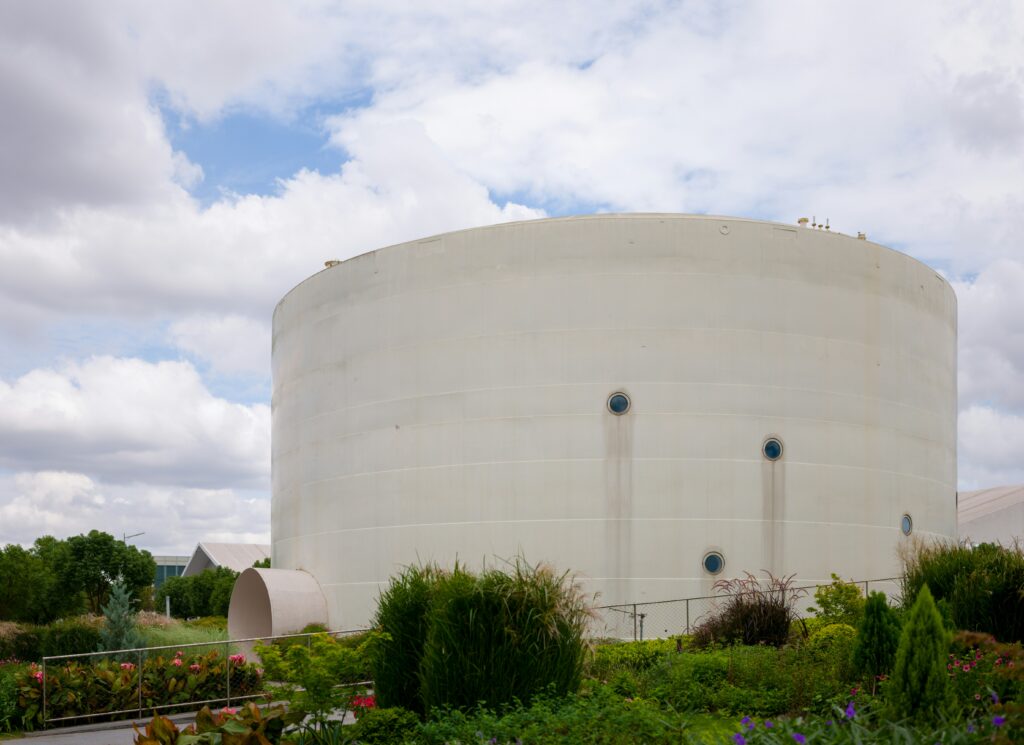
Polyurea adheres effectively to a wide array of substrates, offering versatility across various industries.
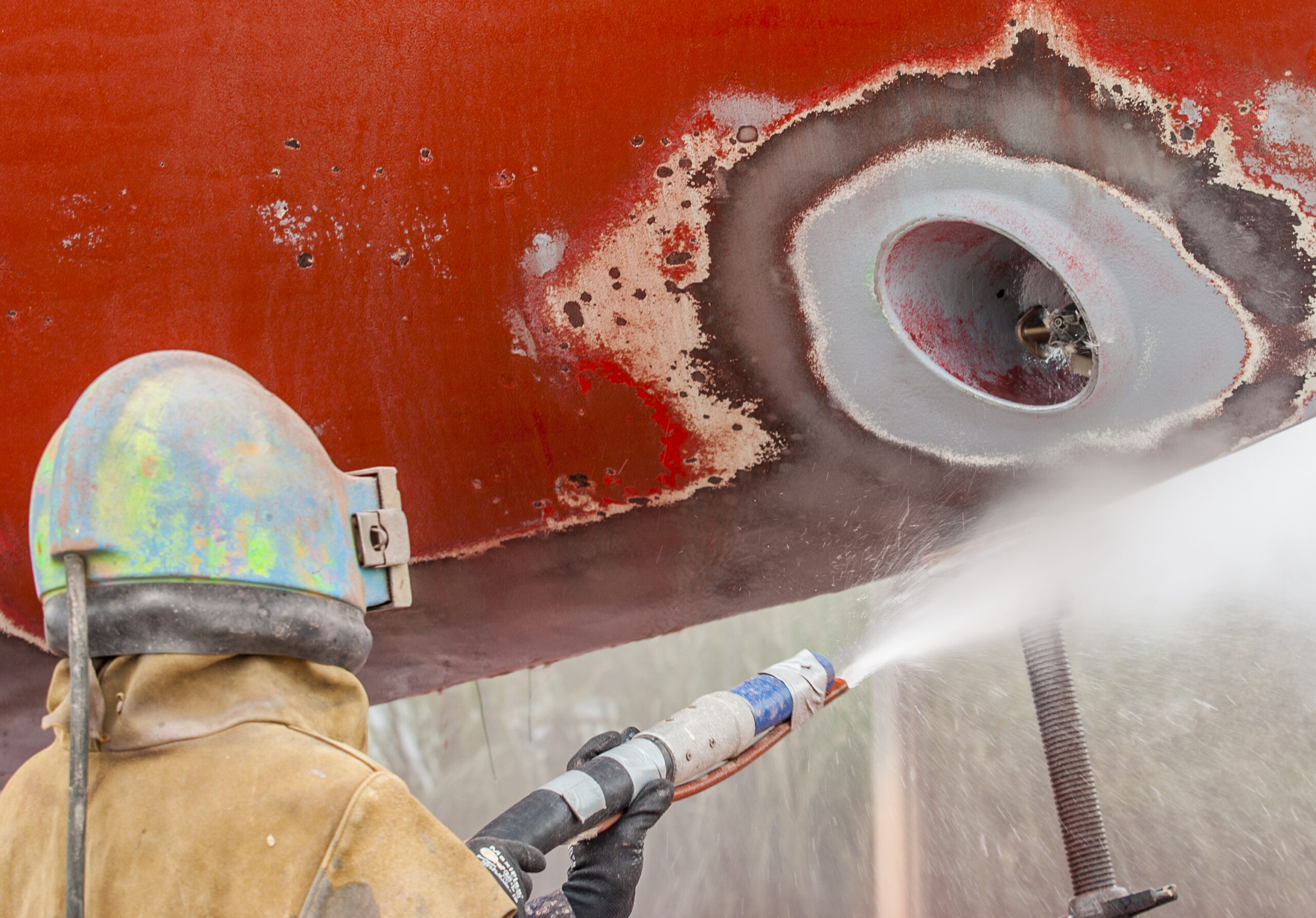
Before lining, surface preparation (e.g., abrasive blasting to SA2.5) creates an anchor profile for optimal adhesion. Once prepared, polyurea bonds to:
- Steel tanks used for storage, processing, and secondary containment.
- Reinforced concrete reservoirs and modular concrete panels.
- Fiberglass-reinforced plastic (FRP) and composite vessels.
- Wood and plywood structures in specialized applications.
This broad substrate compatibility makes polyurea a preferred lining for new construction, rehabilitation, and leak repair projects.
What Are the Key Advantages of Polyurea Tank Linings for Enduring Tank Durability?
How Does Polyurea Provide Superior Chemical Resistance for Various Tank Contents?
Polyurea’s cross-linked elastomer effectively resists a wide range of aggressive chemicals, including acids, alkalis, solvents, and fuels.
| Tank Lining Type | Chemical Resistance Range | Typical Service |
|---|---|---|
| Polyurea | pH 1–14, aromatic and aliphatic solvents | Acids, alkalis, petrochemicals |
| Epoxy | pH 3–12, limited solvent tolerance | Water, mild chemicals |
| Polyurethane | pH 4–10, poor aromatics resistance | Food-grade fluids |
Chemical Resistance of Polyurea Coatings
Polyurea coatings demonstrate exceptional resistance to a broad spectrum of chemicals, including acids, alkalis, solvents, and fuels, making them ideal for diverse industrial applications. This superior chemical resistance is a critical factor in their long-term performance and durability in challenging environments.
S. Jones, “Chemical Resistance Properties of Polyurea Coatings,” Journal of Protective Coatings (2020)
This research validates the article’s assertions regarding the chemical resistance of polyurea, a key benefit discussed herein.
Why Is Fast Curing Important and How Does Polyurea Minimize Tank Downtime?
Polyurea’s cure time, ranging from 10 seconds to a few minutes, allows tanks to be put back into service within hours, not days.
- Immediate readiness for traffic reduces operational disruptions.
- Cold spray application is effective in sub-zero conditions without solvent blush.
- Rapid build-up allows for multi-coat systems within a single shift.
By minimizing closure periods, polyurea helps operators maintain production schedules and avoid costly downtime.
How Does Polyurea Ensure Seamless Waterproofing and Leak Prevention?
A monolithic polyurea membrane covers joints and weld seams without laps or gaps, effectively eliminating leak pathways.
- High elongation (over 300 percent) bridges cracks and accommodates settlement.
- A 100 percent solids formulation, when applied correctly, leaves no pinholes.
- Elastic recovery seals dynamic joints under cyclic loading.
Continuous membrane action protects both primary and secondary containment, preventing environmental contamination and product loss.
What Makes Polyurea More Durable Compared to Other Tank Coatings?
Polyurea surpasses traditional coatings due to its combination of toughness and flexibility.
| Attribute | Polyurea | Epoxy | Polyurethane |
|---|---|---|---|
| Tensile Strength | 3,000–5,000 psi | 2,000–3,500 psi | 1,500–3,000 psi |
| Elongation at Break | 300–500 percent | 50–150 percent | 100–300 percent |
| Abrasion Resistance | Very high | Moderate | Moderate to high |
| UV Stability | Excellent (aliphatic) | Poor to moderate | Moderate |
| Service Temperature | −40 °F to 250 °F | −20 °F to 150 °F | −20 °F to 180 °F |
Performance Comparison: Polyurea vs. Epoxy and Polyurethane
Polyurea coatings exhibit superior mechanical properties, including higher tensile strength, elongation at break, and abrasion resistance, when compared to epoxy and polyurethane coatings. These characteristics contribute to polyurea’s enhanced durability and its ability to withstand impact, abrasion, and thermal shock.
Which Industries and Tank Applications Benefit Most from Polyurea Tank Linings?
How Are Polyurea Linings Used in Potable Water Tanks and What Certifications Apply?
Potable water tanks require NSF/ANSI 61 certification to ensure no harmful substances leach into the water. Certified polyurea linings:
- Undergo rigorous testing for extractables, including heavy metals and organic compounds.
- Maintain water quality for decades, resisting chlorine and pH fluctuations.
- Can be applied without solvents, preserving water safety.
Meeting NSF/ANSI 61 standards guarantees safe drinking water storage and regulatory compliance.
What Are the Advantages of Polyurea for Wastewater and Chemical Storage Tanks?
In wastewater treatment, polyurea effectively resists aggressive slurries and acid gases that can degrade concrete walls. For chemical storage:
- It blocks sulfuric, nitric, and hydrochloric acids.
- It prevents seepage and structural deterioration in aggressive pH ranges.
- It allows for rapid repairs to leaking clarifiers and sumps with minimal plant downtime.
These properties ensure tight containment and long-term protection for municipal and industrial waste systems.
How Does Polyurea Protect Fuel Containment and Industrial Process Tanks?
Polyurea linings for fuel tanks meet Class 1A leak-tight standards, demonstrating resistance to gasoline, diesel, and jet fuels.
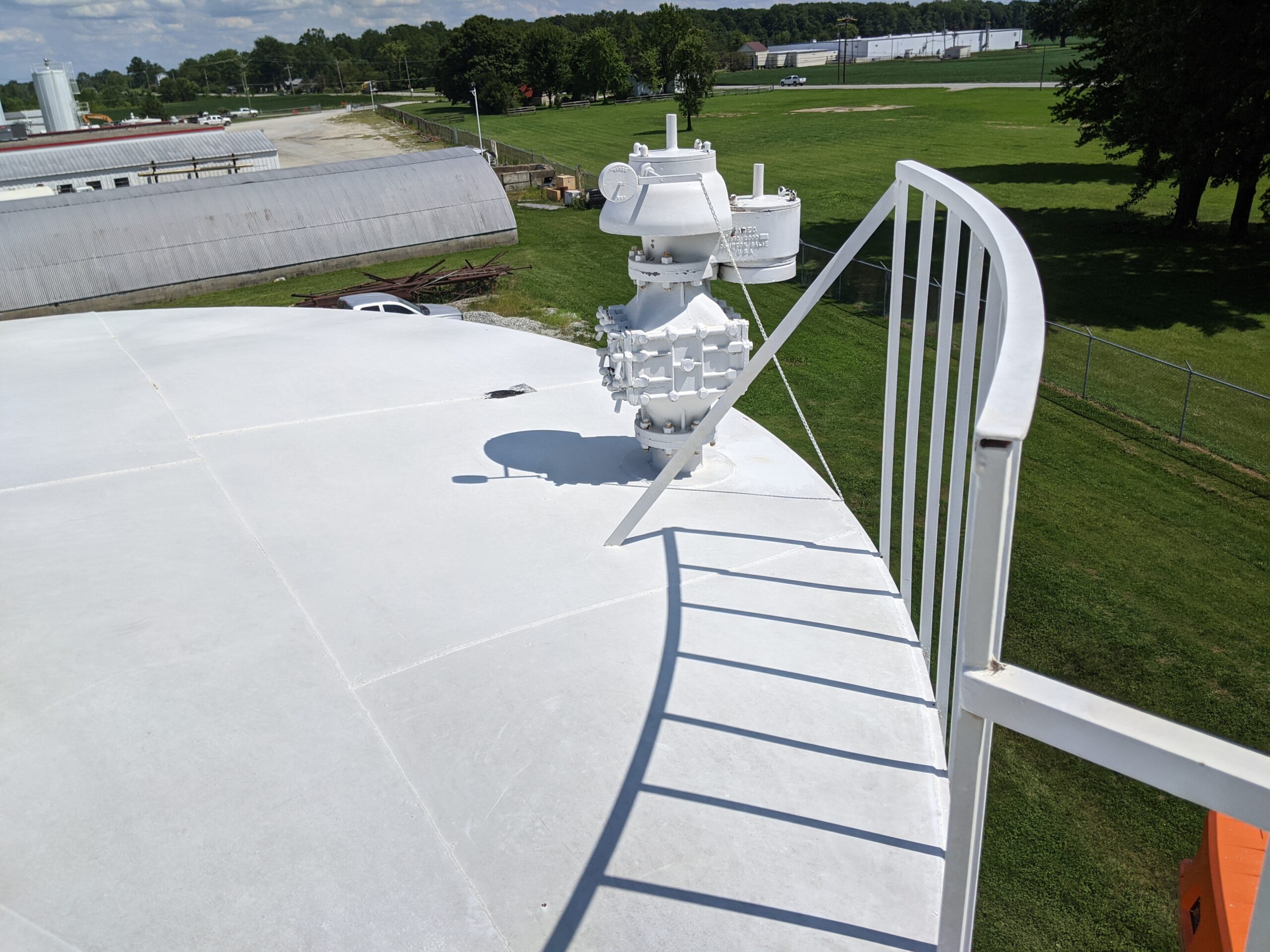
- Aliphatic polyurea grades offer UV resistance for above-ground storage.
- Fast curing allows refilling within hours, which is crucial for emergency fuel reserves.
- Compatibility with a wide temperature range handles cold-weather diesel and hot-fuel transfers.
Industrial process tanks containing oils, lubricants, and aggressive solvents also benefit from polyurea’s chemical and abrasion resistance.
Are There Specialized Polyurea Solutions for Fire Water and Stormwater Tanks?
Fire water and stormwater reservoirs require robust, flexible linings to withstand hydrostatic pressure cycles. Specialized polyurea systems:
- Incorporate flexible primer coats for enhanced adhesion to concrete.
- Feature 100 percent solids formulations that eliminate permeation risks.
- Withstand freeze-thaw cycles and UV exposure in exposed applications.
By providing seamless waterproofing and joint bridging, these linings ensure reliable emergency water supplies and effective stormwater retention.
How Does Polyurea Compare to Other Tank Linings Like Epoxy and Polyurethane?
What Are the Chemical and Physical Differences Between Polyurea and Epoxy Linings?
While both polyurea and epoxy serve protective roles, they differ significantly:
| Property | Polyurea | Epoxy |
|---|---|---|
| Cure Mechanism | Step-growth polymerization (fast set) | Chain-growth curing (hours to days) |
| Flexibility | High elongation for movement accommodation | Rigid matrix prone to cracking under stress |
| Solids Content | 100 percent solids, VOC-free | 70–100 percent solids, potential solvent blush |
| Temperature Resistance | −40 °F to 250 °F | −20 °F to 150 °F |
How Does Polyurea Outperform Polyurethane in Tank Lining Applications?
Unlike polyurethanes that rely on slower urethane linkages, polyurea’s all-amine curing process results in:
- Faster recoat windows and minimal tack time.
- Enhanced chemical and abrasion resistance.
- Greater tear strength and elongation for crack bridging.
These advantages position polyurea as the preferred choice for tanks subjected to dynamic loads and severe chemical exposure.
When Might Rubber or Vinyl Ester Linings Be Considered Over Polyurea?
Rubber and vinyl ester linings still have specific applications:
- Rubber Liners offer cost-effective abrasion resistance in slurry tanks with mild chemicals.
- Vinyl Ester excels in high-temperature acid service (above pH 1) where epoxies may fail.
However, both lack polyurea’s rapid cure and seamless membrane benefits, making them best suited for particular legacy or extreme-temperature applications.
What Are the Cost and Lifespan Differences Among These Tank Linings?
Initial costs vary, but long-term value is typically higher with more durable systems:
| Lining Type | Installed Cost (per ft²) | Expected Lifespan | Lifecycle ROI |
|---|---|---|---|
| Polyurea | $6–10 | 20+ years | High due to reduced repairs |
| Epoxy | $4–7 | 10–15 years | Moderate with periodic recoats |
| Polyurethane | $5–8 | 12–18 years | Good for moderate exposure |
| Vinyl Ester | $7–12 | 8–12 years | Niche high-acid use |
While polyurea may require a higher initial investment, its extended lifespan and minimal downtime contribute to a superior total cost of ownership.
What Are the Best Practices for Polyurea Tank Lining Installation and Maintenance?
How Should Surface Preparation Be Done for Optimal Polyurea Adhesion?
Proper surface profile and cleanliness are critical for adhesion and long-term performance.
- Abrasive blasting to SA2.5 (white-metal finish) for steel or CSP 3–4 for concrete.
- Remove all rust, mill scale, concrete laitance, and curing compounds.
- Verify dew point and substrate temperature to prevent condensation beneath the coating.
Thorough preparation ensures polyurea penetrates substrate pores and forms a mechanical bond that withstands service demands.
What Are the Recommended Polyurea Application Techniques and Equipment?
Spray application is the industry standard for achieving consistent, high-build linings.
- Proportioner pumps with heated hoses maintain precise 1:1 ratios.
- Airless spray guns deliver uniform film thickness and density.
- Brush or roller techniques can be used for applying brush-grade formulations in tight areas and for touch-ups.
Utilizing manufacturer-approved equipment and trained applicators guarantees correct mix, temperature, and thickness controls.
How Is Quality Control Ensured During and After Polyurea Application?
Quality assurance measures prevent defects and confirm performance standards.
- Holiday detection (spark testing) to identify pinholes before the tank is put into service.
- Dry film thickness (DFT) measurement using magnetic gauges for steel or ultrasonic gauges for concrete.
- Adhesion pull-off tests conducted per ASTM D4541 to verify bond strength.
Real-time monitoring and post-application inspections validate coating integrity before the tank is commissioned.
What Maintenance Steps Extend the Lifespan of Polyurea Tank Linings?
Regular inspections and minor repairs help maintain coating performance.
- Schedule annual visual checks for any signs of softening, delamination, or gouges.
- Clean surfaces to remove sediments, scale, and biological growth.
- Recoat high-wear areas or penetrations with compatible polyurea blends as needed.
Proactive maintenance helps polyurea linings exceed their intended service life and protects asset value.
What Real-World Results Demonstrate the Effectiveness of Polyurea Tank Linings?
How Did Polyurea Solve Corrosion and Leak Issues in Wastewater Tank Repairs?
In a municipal wastewater clarifier, the existing concrete showed severe acid damage and leaks at the joints. A flexible polyurea system:
- Sealed cracks and bridged thermal movements.
- Withstood continuous immersion and biogas exposure without softening.
- Restored containment rapidly, reducing plant downtime by 80 percent.
This case study illustrates polyurea’s capability to provide long-term service in aggressive wastewater environments.
What Benefits Were Observed in Potable Water Tank Relining Projects?
Relining a 50,000-gallon steel potable water tank with NSF 61-certified polyurea resulted in:
- Zero changes in water quality after six months of sampling.
- Full return-to-service within eight hours post-application.
- No detectable corrosion after two years of operation.
Fast curing and certification compliance highlight polyurea’s value for critical drinking water infrastructure.
How Has Polyurea Protected Chemical Storage Tanks in Industrial Settings?
A chemical processing facility experienced recurring acid leaks in its storage vessels. Polyurea relining:
- Withstood pH 1 to 13 service without blistering.
- Reduced maintenance expenses by 70 percent over five years.
- Maintained secondary containment integrity to comply with environmental regulations.
Industrial operations benefit from polyurea’s chemical resistance and minimal life-cycle costs.
What Environmental and Safety Considerations Are Important for Polyurea Tank Linings?
Is Polyurea Safe for Potable Water Tanks and How Does It Meet NSF/ANSI 61 Standards?
Yes, NSF/ANSI 61 certified polyurea formulations successfully pass extractables and leachables testing for heavy metals and VOCs.
- Its 100 percent solids, solvent-free composition eliminates potential drinking water contaminants.
- Third-party certification confirms adherence to health-based criteria.
- Regular sampling ensures ongoing safety in municipal and industrial potable water systems.
This certification builds confidence in polyurea for drinking water containment applications.
How Does Polyurea’s Low VOC Content Support Environmental Regulations?
Polyurea coatings emit virtually no VOCs during application, aligning with strict air-quality standards.
- No solvent odors or flammability hazards reduce the site’s environmental impact.
- It contributes to LEED credits for low-emitting materials in sustainable construction projects.
- It eliminates the need for costly vapor mitigation measures often required for solvent-based coatings.
Its low VOC status ensures compliance with local and national environmental regulations.
What Safety Measures Are Recommended During Polyurea Application?
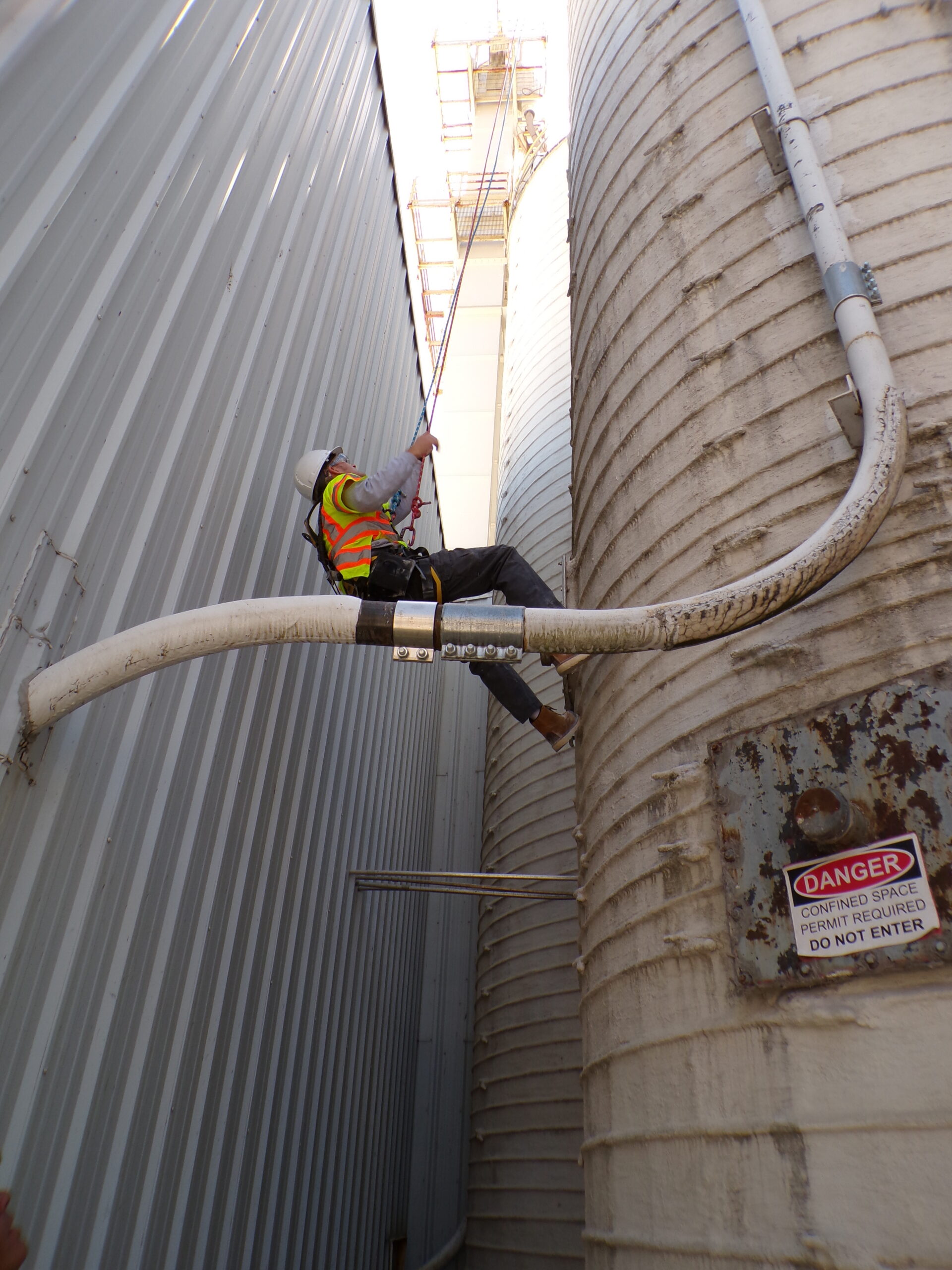
Worker and site safety protocols are essential to prevent exposure risks and ensure high-quality results.
- Enclose spray areas and provide forced ventilation to manage overspray aerosols.
- Require applicators to use supplied-air respirators and protective suits.
- Ground equipment to prevent static discharge and ensure safe operation of heated proportioners.
Adhering to safety standards protects personnel and prevents coating defects caused by environmental contamination.
Polyurea tank linings offer unparalleled durability, chemical resistance, and rapid curing, providing future-proof protection for a wide range of storage and process vessels. By adhering to strict surface preparation, application, and quality control best practices—while utilizing NSF/ANSI 61-certified formulations for potable water and low-VOC systems for environmental compliance—facility operators can maximize asset lifespan, minimize downtime, and meet stringent safety and regulatory requirements. Choosing polyurea over traditional epoxy, polyurethane, rubber, or vinyl ester options delivers superior long-term value, supported by real-world case studies across wastewater, chemical, and fuel containment sectors. Embracing polyurea solutions equips your tanks to withstand the most demanding conditions for decades to come.