
Storage Tank Inspection and Fuel Tank Cleaning in Florida
Fuel, drinking water, and chemical storage tanks require regular inspection and cleaning to keep people safe, protect assets, and stay compliant across Florida’s diverse environments. This guide lays out what tank inspection and fuel tank cleaning involve, how standards shape assessments, which non‑destructive testing and cleaning methods work best, and how Florida‑specific rules affect maintenance schedules. Facility owners and managers will learn to spot corrosion and contamination risks, plan inspection and cleaning cycles, and choose mitigation measures like coatings, cathodic protection, and leak monitoring. You’ll also find practical decision tools — comparison tables, checklists, and suggested service options — to help prioritize work and reduce spills, fines, and unplanned downtime. We start with why inspections matter in Florida, then cover commercial cleaning practices, regulatory mapping, corrosion prevention, and the advantages of certified service providers.
Why Are Storage Tank Inspections Essential in Florida?
Inspections are critical in Florida because they catch corrosion, structural problems, and contamination early — cutting spill risk and regulatory exposure. Effective inspections blend visual checks, non‑destructive testing, and containment evaluations to review the roof, shell, floor, manways, nozzles, and secondary containment. Timely inspections increase safety for workers and the public, help maintain compliance with FDEP and federal rules, and extend asset life to reduce total lifecycle costs. Florida’s humidity, coastal salt, and high groundwater raise corrosion rates and external stressors, so inspection programs must account for those local risks.
Inspections deliver three clear benefits for Florida tank owners:
- Safety and spill prevention: Early detection of leaks and weaknesses prevents releases and protects people and ecosystems.
- Regulatory compliance: Thorough, documented inspections support FDEP and EPA requirements and lower enforcement risk.
- Asset protection: Finding thinning, pitting, and contamination early reduces repair costs and extends service life.
These outcomes translate into practical inspection schedules and testing choices, which we detail next.
What Is Storage Tank Inspection and How Does It Ensure Safety?
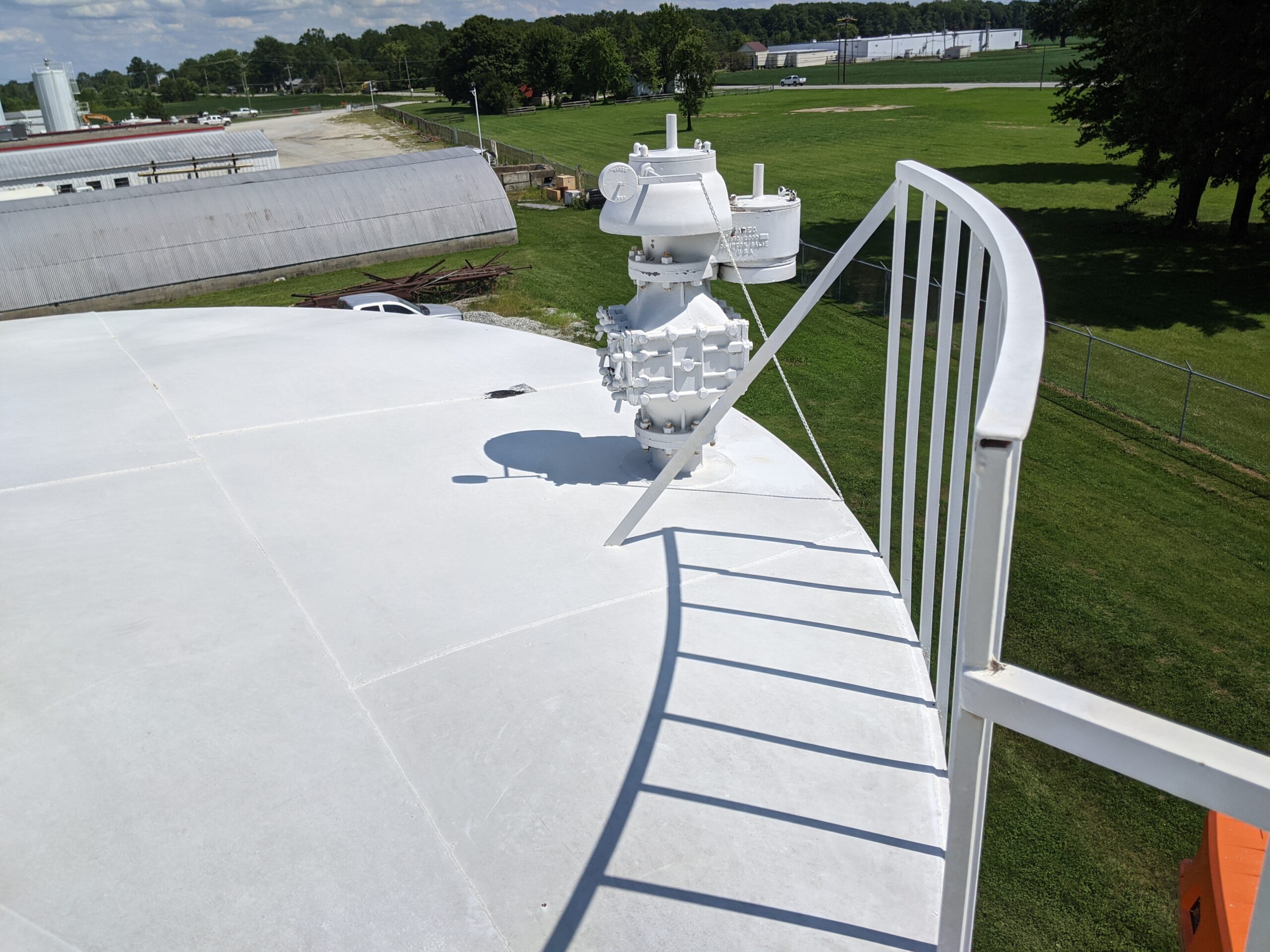
Storage tank inspection is a methodical process using visual checks, non‑destructive testing (NDT), hydrostatic tests, and containment verification to assess integrity without taking tanks out of service unnecessarily. Inspectors examine tank components — roof, shell, floor, manways, and nozzles — for corrosion, weld defects, deformation, and potential leak paths. Common methods include close visual inspection (inside or outside), ultrasonic thickness testing for metal loss, and dye‑ or vacuum‑based leak checks on seams and joints. Identifying defects early lets teams perform targeted repairs, adjust cathodic protection, or schedule cleaning to restore safe operation and prevent environmental releases.
These safety assessments feed directly into cleaning and repair plans so contaminants and corrosion byproducts are removed before they accelerate structural damage. Knowing the available methods helps owners choose the right NDT and prioritize remediation.
How Often Should Storage Tanks Be Inspected in Florida?
Inspection frequency depends on the tank’s type, contents, age, exposure, and applicable standards or state rules. Good programs balance risk and cost to keep operations safe. As a guideline, aboveground tanks storing hazardous liquids typically get annual visual checks and more detailed inspections every 3–5 years; underground tanks rely on frequent leak monitoring and periodic tightness tests. Factors that warrant more frequent checks include coastal exposure, high throughput, known corrosion, or prior releases. Intervals should also be shortened after major storms, detected contamination, or operational anomalies.
Typical inspection intervals by tank type:
- Aboveground Storage Tanks (ASTs): Annual visual inspections; Detailed inspections every 3–5 years, adjusted for risk.
- Underground Storage Tanks (USTs): Continuous leak monitoring with periodic tightness testing; records reviewed at least annually.
- Potable water and specialty tanks: Internal checks or cleanings based on water quality and use, commonly every 1–3 years.
Owners should tailor intervals to previous findings and site conditions; that adaptive approach lowers the chance of unnoticed deterioration and informs cleaning schedules.
What Are the Key Methods Used in Tank Inspections?
Inspection routines pair visual evaluation, dimensional measurement, and targeted non‑destructive testing to judge integrity against acceptance criteria. The standard guides inspection planning, allowable corrosion and deformation limits, and repair versus continued‑service decisions. Inspectors often use ultrasonic thickness testing (UT) to measure metal loss, magnetic particle inspection (MPI) or dye penetrant inspection (DPI) to find surface cracks, radiography for critical welds, and hydrostatic or pneumatic tests to confirm containment. Each technique targets specific defect types and, together, provides a complete view of tank condition.
Below is a concise comparison of common NDT methods used during assessments to help owners and technicians select the right tools.
Different NDT approaches reveal different defects and have distinct strengths and limits.
| Inspection Method | What It Measures | Typical Use Case / Limitations |
|---|---|---|
| Ultrasonic Thickness Testing (UT) | Metal thickness and corrosion loss | Fast mapping of shell and floor thinning; performance drops on very irregular surfaces |
| Magnetic Particle Inspection (MPI) | Surface and near‑surface cracks in ferrous metals | Effective for welds and crack detection; limited to magnetic materials |
| Dye Penetrant Inspection (DPI) | Surface‑breaking defects on non‑porous materials | Good for non‑ferrous parts and welds; requires clean, dry surfaces |
| Radiographic Testing | Internal and through‑thickness weld defects | Thorough weld evaluation; needs safety controls and access |
How Does Non-Destructive Testing Improve Tank Integrity Assessment?
NDT strengthens integrity assessments by measuring defects without harming the structure, enabling focused repairs and risk‑based decisions. UT quickly quantifies wall thinning that can lead to leaks, while MPI and DPI detect crack starts that may grow under pressure or temperature cycling. Radiography and other methods verify weld quality and find internal flaws missed by visual checks. Combining techniques lets inspectors satisfy acceptance criteria and build a documented baseline for future comparisons, which supports maintenance planning and regulatory reporting.
Regular NDT provides the technical basis for maintenance choices and connects inspection results to preventive steps like localized repairs, replacement, or increased monitoring.
What Are the Differences Between Aboveground and Underground Tank Inspections?
Aboveground tank inspections focus on visual access, roof and shell integrity, and external corrosion controls; underground inspections emphasize leak detection, soil interaction, and external corrosion protection. AST surveys typically mix exterior checks, internal inspections when empty, UT mapping of accessible surfaces, and review of secondary containment and overfill protections. UST programs rely on continuous monitoring, interstitial leak detection for double‑wall systems, cathodic protection testing, and soil or groundwater sampling when a release is suspected. Accessibility and environmental exposure drive test selection — USTs often need excavation or specialized sensors to confirm integrity.
Knowing these differences helps owners pick the right NDT mix and monitoring strategy for the common failure modes tied to each tank type.
How Do Commercial Tank Cleaning Services in Florida Protect Your Assets?
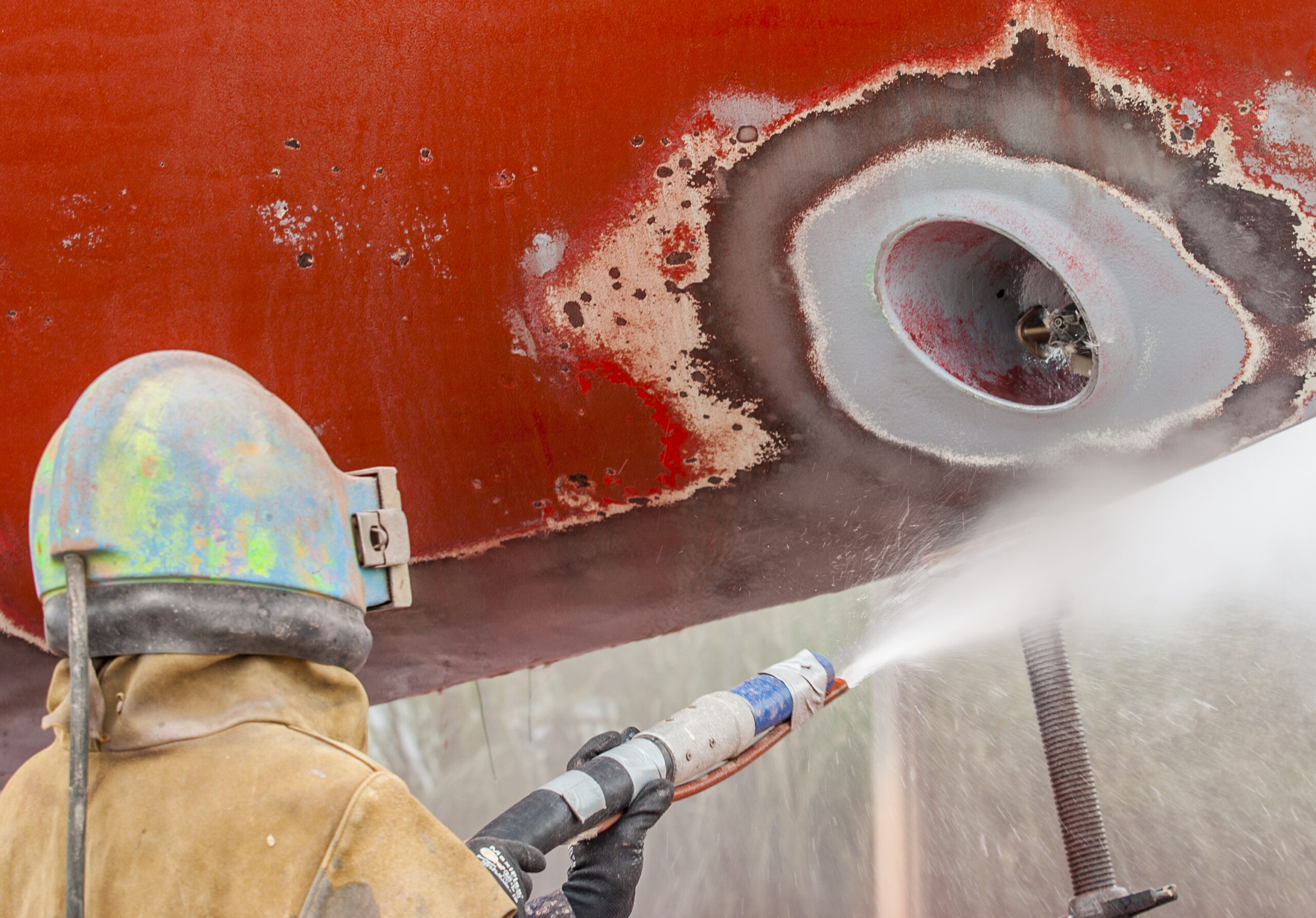
Commercial tank cleaning preserves assets by removing contaminants that speed corrosion, degrade product quality, or mask defects during inspections — and by managing waste and paperwork to meet regulations. Professional cleaning reduces sludge and water buildup, restores flow and filtration performance, and reveals hidden defects during follow‑up inspections. Services vary by contaminant and tank design; common offerings include hydro‑jet cleaning, manual sludge removal, filtration and fuel polishing, and compliant disposal of residues. Cleaning before internal inspections or repairs helps ensure findings are accurate and that remediation addresses root causes.
Common commercial cleaning methods and what they remove are summarized below to help owners choose the right approach.
| Cleaning Method | Waste Type Removed | Typical Tanks / Frequency |
|---|---|---|
| Hydro-jet cleaning | Heavy sludge and encrustations | ASTs and USTs with heavy deposits; periodic or as needed |
| Fuel polishing / filtration | Water and fine particulates in fuel | Product tanks and dispensers; recurring service based on fuel quality |
| Manual sludge removal | Compact sludge and solids | Tanks with solid residues or after major contamination events |
| Vacuum and filtration disposal | Liquid waste and emulsions | Used when regulated waste requires controlled handling |
What Are the Most Effective Fuel Tank Cleaning Techniques in Florida?
Effective fuel tank cleaning options include fuel polishing to remove water and particulates, hydro‑jet cleaning for heavy sludge and sediment, micron‑fine filtration for quality‑sensitive storage, and manual removal for compact residues. Fuel polishing circulates product through filters and separators to separate water and particulates without emptying the tank, preserving inventory while improving quality. Hydro‑jetting loosens stubborn deposits for vacuum removal, which is key when microbial growth or severe degradation is present. Each method balances downtime, cost, and waste handling; the best choice depends on contamination type, tank access, and environmental controls.
Picking the right technique prevents downstream fouling and helps keep fuel within required specifications, reducing operational risk and product loss.
When Should You Schedule Professional Fuel Tank Cleaning?
Arrange professional cleaning when inspections show water ingress, high particulate counts, visible sludge, or failed fuel‑quality tests — and as part of routine maintenance tied to throughput and seasonal risk. Trigger events include detection of free water layers, rising particulate levels in sampling, reports of microbial contamination, or residues found on the tank floor. Regular timing can follow fuel turnover: high‑use tanks need more frequent polishing, and coastal or heavy‑use tanks may require periodic hydro‑jetting. Coordinating cleaning with inspections or maintenance windows minimizes downtime and ensures inspection results reflect the true condition of the tank.
Proactive scheduling lowers the chance of forced outages and helps ensure tanks meet quality and environmental requirements before product distribution resumes.
What Florida Regulations Govern Tank Inspection and Cleaning Compliance?
Florida tank owners must align inspection and cleaning programs with Florida Department of Environmental Protection (FDEP) rules, relevant federal requirements such as EPA SPCC where applicable, and industry standards. Compliance typically includes keeping inspection records, reporting releases, meeting secondary containment standards, and following testing intervals for specific tank types. Mapping standards to each tank’s situation helps owners understand which rules apply and what documentation supports audits. A clear regulatory plan lowers enforcement risk and provides a defensible maintenance and monitoring approach.
How Can You Prevent Corrosion and Leaks in Storage Tanks?
Preventing corrosion and leaks requires a layered strategy: maintain proper coatings and linings, use cathodic protection where needed, perform routine inspections, schedule regular cleaning, and deploy effective leak detection. Coatings and linings act as physical barriers, while cathodic protection counters electrochemical corrosion on buried or immersed surfaces. Regular inspections catch thinning and pitting before penetration, and cleaning removes sludge and biological growth that speed degradation. Applied together as a coordinated program, these measures reduce releases and extend tank life.
Key preventive strategies owners should prioritize:
- Protective coatings and linings: Apply and maintain certified tank coatings to separate metal from corrosive contents and external moisture.
- Cathodic protection systems: Use impressed current or sacrificial anodes on buried or submerged surfaces to limit electrochemical corrosion.
- Regular cleaning and sludge removal: Remove sediments that trap water and microbes to prevent under‑deposit corrosion.
- Leak detection and monitoring: Implement continuous monitoring or interstitial sensors to catch releases early.
Together, these measures form a defense‑in‑depth that lowers leak probability and helps tanks reach their expected service life.
What Are Common Signs of Tank Corrosion and Leak Detection Methods?
Common corrosion signs include wall thinning seen with UT, pitting during internal inspections, external staining or weeping, and unexplained inventory changes that suggest leaks. Leak detection ranges from visual checks and inventory reconciliation to continuous electronic sensors, vacuum box testing on seams, and soil or groundwater sampling for buried tanks. Early warning signs — higher particulate counts, sudden water layers in fuel, or pressure anomalies in piping — often precede visible failure. Quick follow‑up using targeted NDT reduces escalation and speeds remediation.
How Do Regular Inspections and Cleaning Extend Tank Lifespan?
Regular inspections and cleaning extend tank life by finding and removing the factors that drive corrosion and structural failure, letting teams repair issues before they become catastrophic and preserving material thickness and coatings. Inspections identify thinning, weld problems, and drainage issues that cleaning then addresses by removing corrosive residues and biological growth. This preventive cycle — inspect, clean, repair — lowers replacement frequency, cuts lifecycle costs, and keeps operations reliable. Documented maintenance also supports compliance and can reduce insurance or regulatory burdens, giving a measurable return on proactive programs.
What Are the Benefits of Choosing Certified Tank Inspection and Cleaning Services in Florida?
Hiring certified inspectors and cleaners brings technical know‑how, compliance documentation, and liability protection that together safeguard assets and the environment. Certified inspectors and NDT technicians follow standards, use appropriate NDT methods, and deliver the records regulators expect. Reputable cleaning firms handle hazardous waste, manage compliant disposal, and coordinate remediation when contamination appears. Working with certified providers lightens the administrative and technical load for owners while improving the quality and defensibility of inspection and maintenance programs.
Who Is Qualified to Perform Tank Inspections and Cleaning?
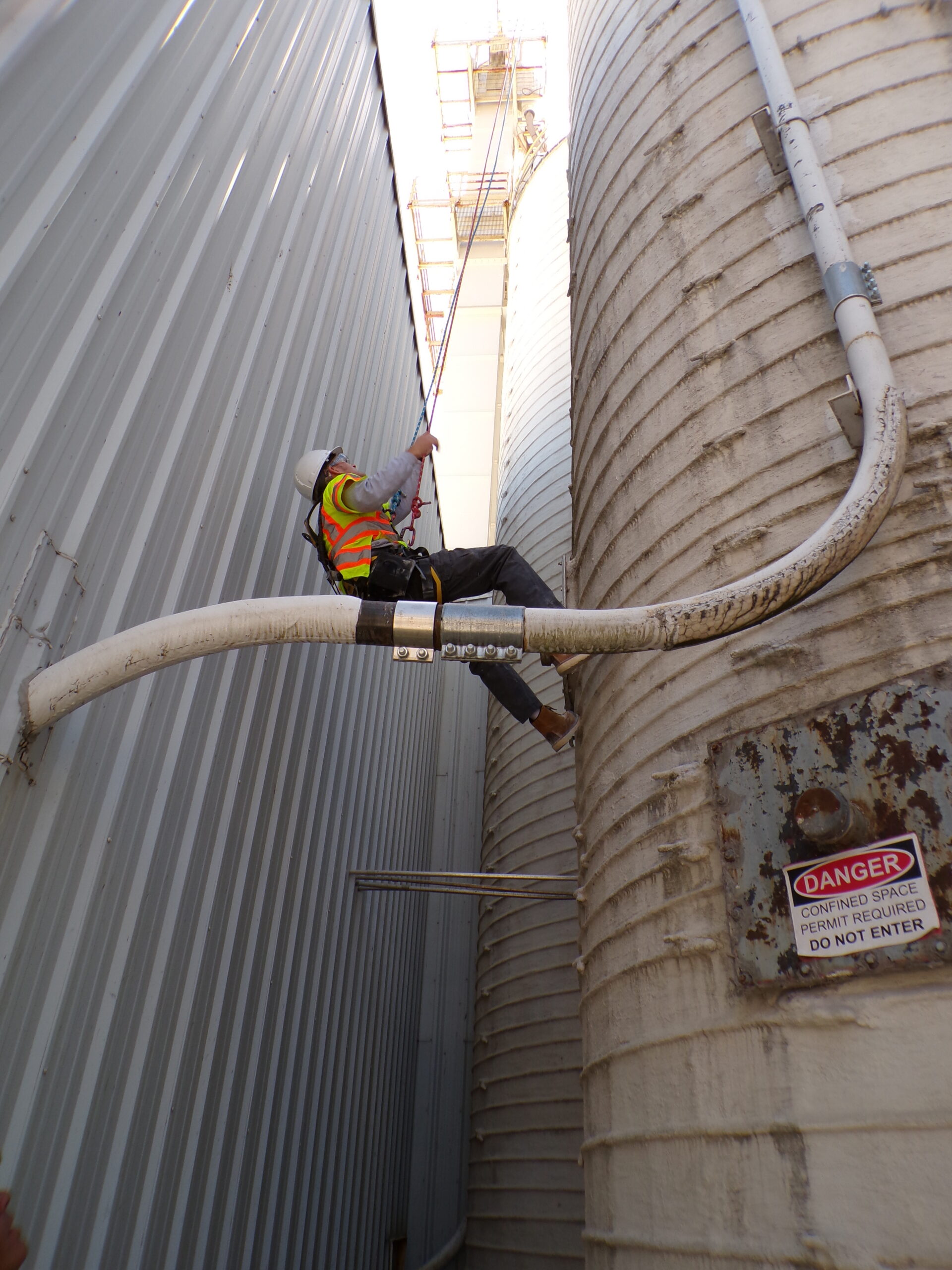
Qualified teams include API‑certified inspectors for ASTs, NDT‑certified technicians (UT, MPI, DPI) for testing, and licensed waste handlers for cleaning and disposal. Those credentials show technical competency and regulatory familiarity. Owners should verify certifications, review sample inspection reports, and confirm crews follow safe environmental practices. Training in confined‑space entry, lockout/tagout, and hazardous waste handling is critical for internal cleaning work. Asking precise questions about methods, references, and documentation helps ensure selected teams meet both technical and compliance expectations.
How Do Professional Services Ensure Environmental Protection and Compliance?
Professional firms protect the environment and maintain compliance by segregating waste streams, documenting manifests, coordinating regulated disposal, and producing inspection and repair records that meet FDEP and federal reporting needs. Cleaners separate recovered liquids, manage oily sludges per hazardous‑waste rules, and provide chain‑of‑custody documentation when remediation is required. These practices limit environmental exposure, create defensible audit records, and support coordinated corrective actions when contamination is found.
When certified providers prioritize environmental protection, owners get both effective remediation and the documentation necessary to close out regulatory actions and demonstrate compliance.