Industrial Dry Ice Cleaning Solutions in Birmingham: Effective and Environmentally Friendly Methods
Dry ice cleaning uses solid carbon dioxide to remove grime, grease and other contaminants from surfaces without abrasive contact or chemical cleaners. Its speed and low environmental impact have made it an attractive option for manufacturers and service providers across Birmingham. Below we explain how the process works, why businesses are switching from traditional methods, what equipment is used, and the local safety rules to consider so you can decide whether the solution fits your operation.
What is Industrial Dry Ice Cleaning and How Does It Work?
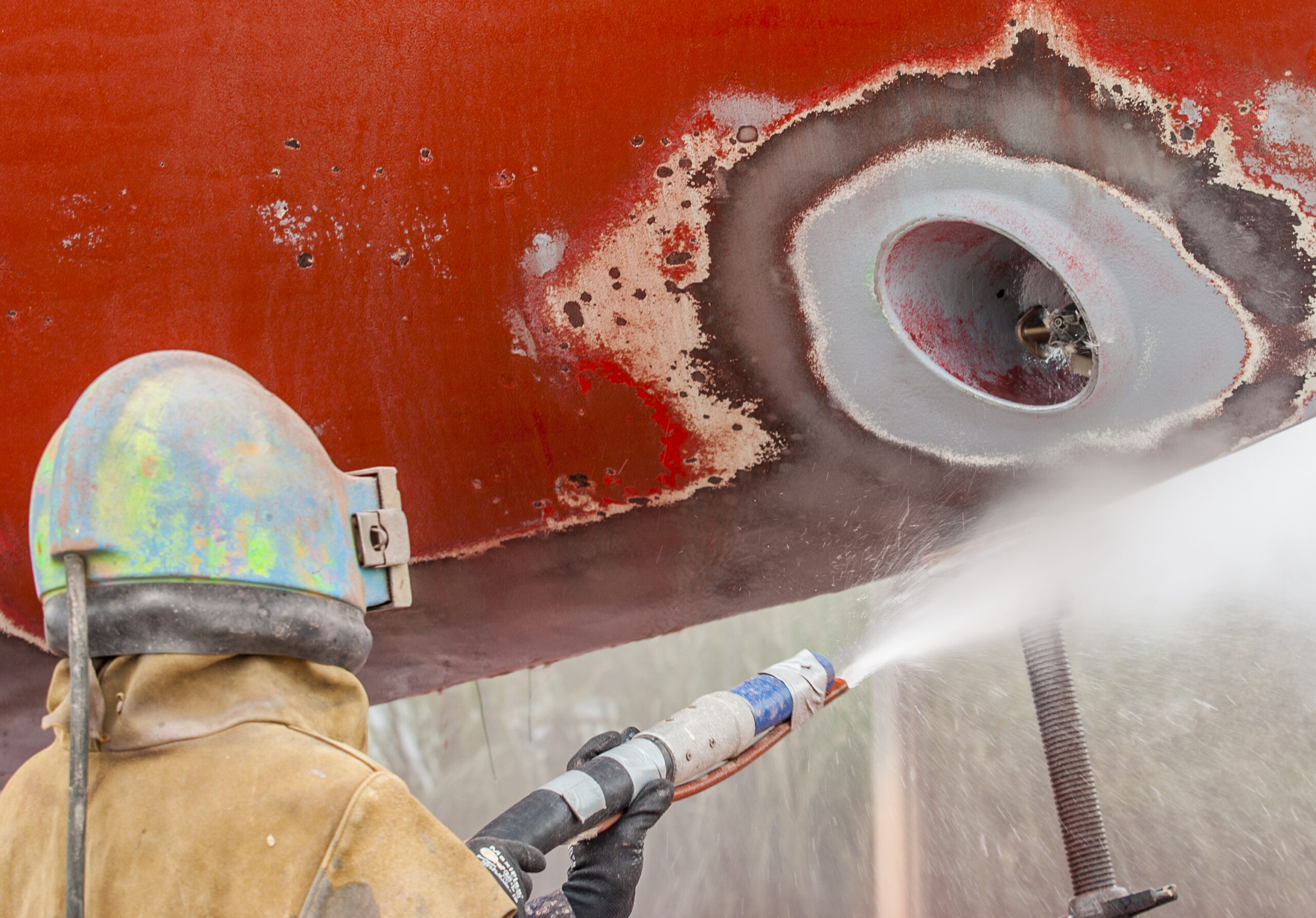
Industrial dry ice cleaning—commonly called dry ice blasting—propels small pellets of solid carbon dioxide at high speed to dislodge contaminants. On impact the pellets sublimate (turn directly from solid to gas), helping lift dirt and residues while leaving the underlying surface intact. That combination of mechanical impact and rapid cooling is especially useful for delicate or precision equipment where abrasives or solvents would cause damage.
For a structured look at the many industrial uses of this technology, a recent review summarizes its applications in surface cleaning.
In practice, dry ice is formed into pellets, fed into a blasting machine, and accelerated through a nozzle with compressed air. When pellets strike a soiled surface, the sudden temperature change creates a micro‑freezing effect that makes contaminants brittle and easier to remove. Because the CO2 vaporizes, there is little to no secondary solid waste from the process.
Why is dry ice blasting non‑abrasive and chemical‑free?
Dry ice blasting relies on sublimation rather than scouring. The cleaning action comes from the pellets’ kinetic energy combined with rapid cooling rather than abrasive media or solvents. As a result, sensitive parts—electrical components, precision gear and complex assemblies—can be cleaned safely. Because no chemicals are needed, there is less risk of exposing workers or the environment to hazardous substances.
What Are the Benefits of Dry Ice Blasting Compared to Traditional Cleaning?
Dry ice blasting offers several practical advantages over conventional cleaning: faster turnaround, reduced manual labour and fewer consumables. Those gains translate into shorter equipment downtime, lower disposal costs and a smaller environmental footprint—factors that matter in production and maintenance settings.
How does dry ice blasting reduce downtime and boost efficiency?
Because dry ice cleaning usually does not require disassembly, lengthy drying or chemical handling, tasks that once took hours can often be completed in a fraction of the time. Machines return to service sooner and maintenance windows shrink—an important benefit for facilities where uptime directly affects bottom‑line performance.
Why is dry ice cleaning considered environmentally friendly?
Dry ice cleaning avoids harsh chemicals and produces minimal solid waste—the CO2 used simply vaporizes. This reduces the need for hazardous waste disposal and lowers the chance of spills or contamination. When CO2 is sourced responsibly as a reclaimed byproduct, the process aligns well with sustainable cleaning and maintenance practices.
What Equipment and Technology Are Used in Dry Ice Cleaning in Birmingham?
Performance and safety depend on selecting the right equipment. Dry ice blasting systems range from portable units for targeted jobs to high‑capacity machines for heavy industrial use, each tuned to different pressure and pellet feed requirements.
Which dry ice cleaning equipment is best for industrial surface cleaning?
For industrial work, high‑performance dry ice blasting machines with adjustable pressure and feed controls are typically recommended. Those features let operators dial in the right balance between cleaning power and surface protection. Units with integrated vacuums or containment attachments are useful when you need to capture dislodged debris immediately.
How do equipment specifications affect cleaning effectiveness and safety?
Equipment specifications—maximum pressure, pellet size, nozzle type and accessory options—determine both cleaning outcomes and operator risk. Higher pressure can remove tougher deposits but requires stricter PPE and procedures. Lower pressure settings protect delicate surfaces but may take longer to achieve the same cleanliness. Matching equipment to the task is essential for safe, effective results.