
Dry Ice Blasting vs Soda Blasting: Which Industrial Cleaning Method Is Best for Your Surface Preparation Needs?
In the realm of industrial cleaning, two methods stand out for their effectiveness: dry ice blasting and soda blasting. Each technique offers unique advantages and applications, making them suitable for different surface preparation needs. This article delves into the definitions, mechanisms, and benefits of both methods, helping you understand which one might be the best fit for your specific requirements. As industries increasingly prioritize eco-friendly solutions, understanding the environmental impacts of these methods is crucial. We will explore how dry ice blasting and soda blasting compare in terms of environmental benefits, surface suitability, and operational efficiency. By the end of this article, you will have a comprehensive understanding of dry ice blasting and soda blasting, enabling you to make an informed decision for your cleaning needs.
What Are Dry Ice Blasting and Soda Blasting?
Dry ice blasting and soda blasting are both cleaning methods used in various industrial applications. Dry ice blasting utilizes solid carbon dioxide pellets that sublimate upon impact, effectively removing contaminants without damaging the underlying surface. This method is particularly beneficial for sensitive materials, as it leaves no residue and requires minimal cleanup. On the other hand, soda blasting employs sodium bicarbonate as an abrasive medium, which is effective in removing paint, rust, and other stubborn contaminants from surfaces. The choice between these two methods often depends on the specific cleaning requirements and the nature of the surfaces involved.
How Does Dry Ice Blasting Use Carbon Dioxide Pellets for Cleaning?
Dry ice blasting works by propelling solid carbon dioxide pellets at high speeds onto the surface being cleaned. Upon impact, the pellets sublimate, creating a rapid expansion of gas that helps lift and remove contaminants. This process is effective for a variety of applications, including the cleaning of machinery, molds, and delicate surfaces. The non-abrasive nature of dry ice blasting makes it ideal for sensitive materials, such as plastics and wood, where traditional abrasive methods could cause damage.
What Is Soda Blasting and How Does Sodium Bicarbonate Media Work?
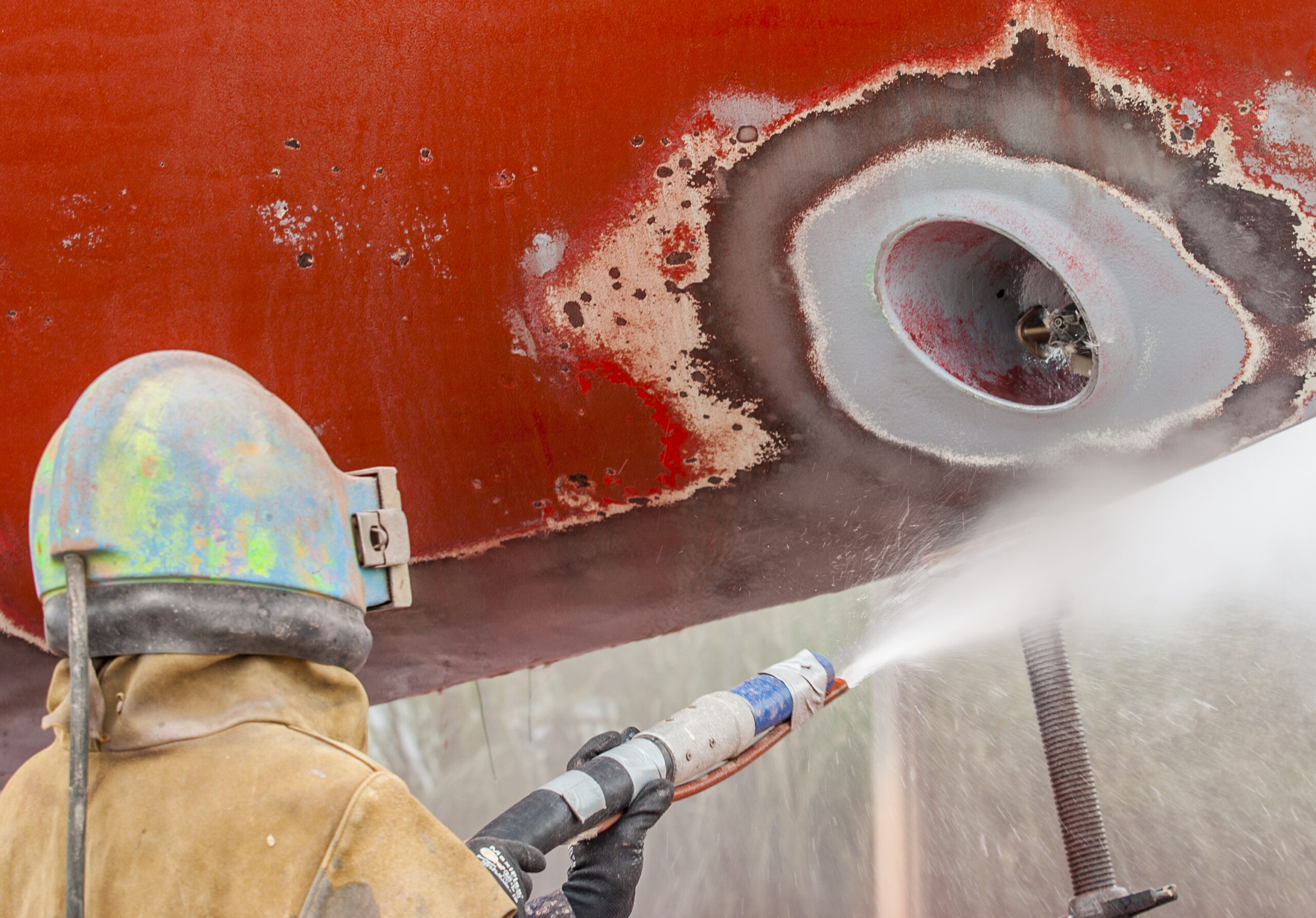
Soda blasting involves the use of sodium bicarbonate as an abrasive medium to clean surfaces. The process works by blasting the sodium bicarbonate particles at high velocity, which effectively removes contaminants like paint, grease, and rust. This method is particularly effective on metal surfaces and is often used in automotive and aerospace industries. The sodium bicarbonate media is also environmentally friendly, as it is non-toxic and water-soluble, making it a popular choice for various cleaning applications.
How Do Dry Ice and Soda Blasting Compare in Environmental Impact?
When evaluating the environmental impact of dry ice blasting and soda blasting, both methods offer distinct advantages. Dry ice blasting is considered environmentally friendly because it uses solid carbon dioxide, which sublimates into gas, leaving no secondary waste behind. Additionally, it does not produce harmful chemicals or residues, making it a safe choice for sensitive environments. Conversely, while soda blasting is also non-toxic, it generates waste in the form of spent sodium bicarbonate, which must be properly disposed of or can be washed away due to its water solubility. Understanding these environmental considerations is essential for industries looking to adopt sustainable cleaning practices.
What Are the Environmental Benefits of Dry Ice Blasting?
The environmental benefits of dry ice blasting are significant. This method reduces the need for chemical solvents, which can be harmful to both the environment and human health. Furthermore, since dry ice sublimates, there is no secondary waste generated, minimizing the cleanup process and reducing landfill contributions. This makes dry ice blasting an attractive option for companies aiming to enhance their sustainability efforts while maintaining effective cleaning processes.
What Environmental Considerations Are Associated with Soda Blasting?
Soda blasting, while effective, does have some environmental considerations. The process generates waste in the form of used sodium bicarbonate, which can contribute to landfill waste if not properly managed. However, because sodium bicarbonate is water-soluble and non-toxic, it can often be rinsed away without harmful environmental effects, depending on local regulations. Additionally, while sodium bicarbonate is non-toxic, the dust created during blasting can pose respiratory hazards if proper safety measures are not implemented. Companies must weigh these factors when choosing soda blasting as their cleaning method.
Comparing Dry Ice and Soda Blasting for Surface Prep
The suitability of dry ice blasting and soda blasting varies depending on the type of surface being cleaned. Dry ice blasting is particularly effective for delicate surfaces, while soda blasting is better suited for tougher materials. Understanding the specific applications of each method can help in selecting the right approach for your cleaning needs.
When Is Soda Blasting Preferred for Metal and Tougher Substrates?
Soda blasting is preferred for metal and tougher substrates due to its mild abrasive properties. It effectively removes rust, paint, and other contaminants from hard surfaces, making it a popular choice in industries such as automotive and aerospace. The ability to clean without significantly damaging the underlying metal is a significant advantage, allowing for thorough surface preparation before painting or coating.