
Dry ice blasting is a residue-free cleaning technique that fires solid CO₂ pellets at high speed to remove deposits through kinetic impact and rapid sublimation. This guide covers how dry ice blasting (also called CO₂ cleaning or dry ice cleaning) is used across Miami and Florida—why industries from manufacturing to automotive rely on it, and how it stacks up against sandblasting and pressure washing. Facility managers and restoration pros in coastal climates face salt air, high humidity, and sensitive equipment; dry ice blasting offers a non‑abrasive, chemical‑free option that cuts downtime and eliminates secondary waste. Below you’ll find clear technical explanations, core benefits, typical use cases, cost drivers, Miami‑specific considerations, and answers to the most common buyer questions—plus practical checklists and guidance to help you decide if dry ice blasting fits your maintenance, restoration, or detailing needs.
What Is Dry Ice Blasting and How It Works in Miami and Florida
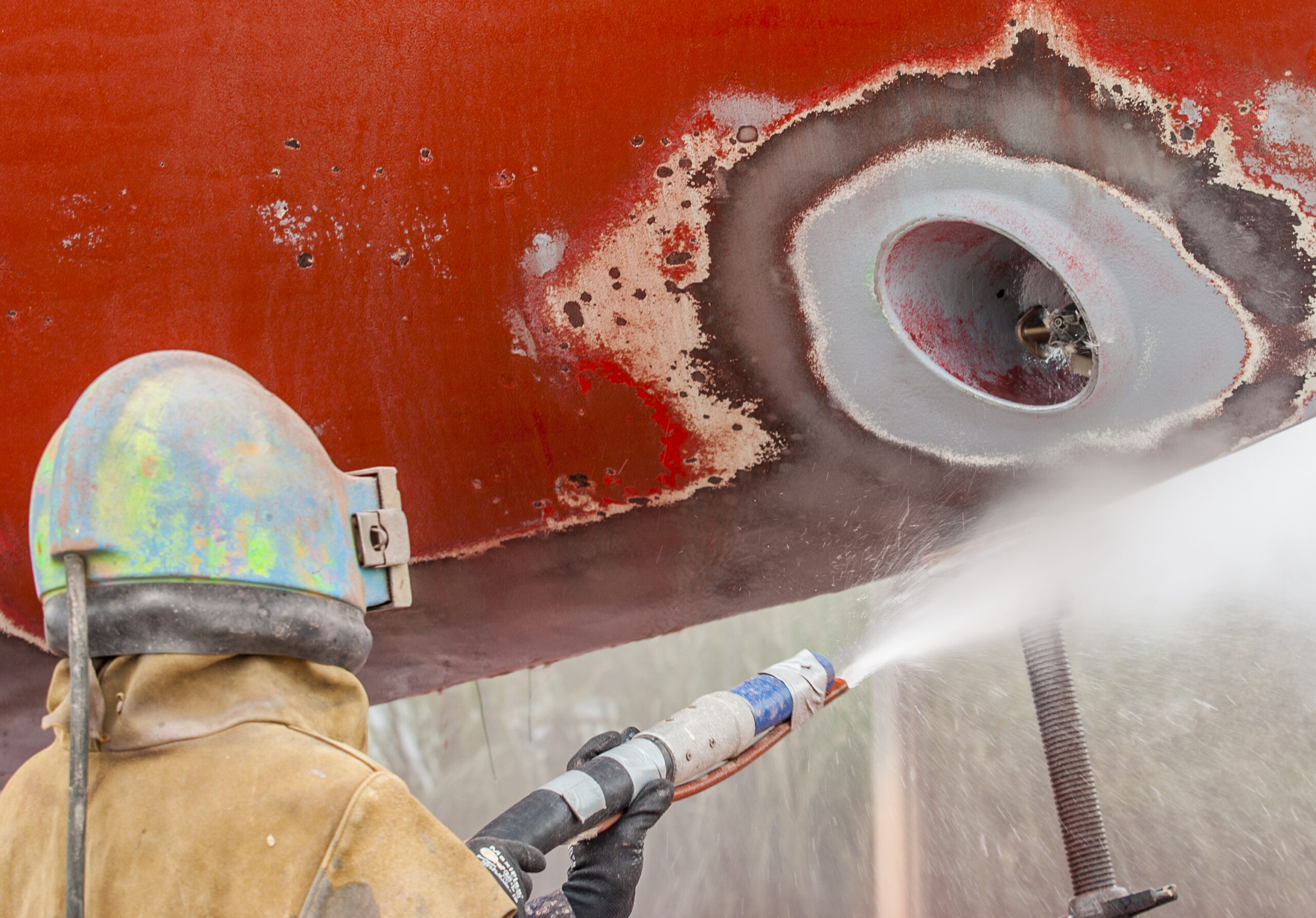
Dry ice blasting uses compressed air to propel dry ice pellets at a contaminated surface, removing soils through a mix of mechanical impact and thermal shock as the pellets sublimate. The process relies on three effects: kinetic impact that loosens deposits, rapid thermal contraction that creates micro‑fractures in the contaminant, and instantaneous sublimation that turns solid CO₂ into gas without leaving residue. That combination makes dry ice blasting effective on grease, soot, mold, adhesives, and paint overspray while protecting the underlying material. In Miami and across Florida, the water‑free nature is especially valuable where humidity and salt air put moisture‑sensitive equipment and coatings at risk. The sections that follow unpack the science, the equipment involved, and important safety and operational considerations so you can judge fit for your site.
Key Benefits of Dry Ice Blasting Services in Miami
Dry ice blasting offers several practical advantages: it’s non‑abrasive, creates no secondary waste, requires no water or chemical cleaners, and enables in‑place cleaning that often shortens equipment downtime. Those benefits translate into faster returns to service, lower disposal costs, and safer cleaning for electronics and delicate surfaces commonly found in automotive, marine, and industrial settings. Miami’s coastal climate increases the value of water‑free, non‑corrosive cleaning methods that don’t introduce moisture or accelerate salt‑related corrosion. Below are the primary benefits operators and decision‑makers cite when choosing dry ice cleaning.
Dry ice blasting delivers these principal benefits:
- Non‑abrasive surface preservation: Cleans without mechanical wear on most substrates.
- No secondary waste: Pellets sublimate, leaving no solid residue to collect or dispose of.
- Water‑free and chemical‑free: Removes the need for wastewater or hazardous cleaners in sensitive sites.
- Reduced downtime: In‑place cleaning avoids full disassembly and speeds return to service.
These advantages make dry ice blasting a strong option for facilities that need fast, low‑impact cleaning.
Short business integration: Local providers often promote mobile, on‑site capability, eco‑friendly processes, and non‑damaging techniques when serving Miami facilities. Those service commitments—rapid response, water‑free cleaning, and non‑toxic operations—build trust for time‑sensitive or regulation‑driven projects.
Which Industries and Applications Use Dry Ice Blasting in Florida?
Dry ice blasting fits a wide range of Florida industries because it handles sensitive substrates, moisture concerns, and corrosion‑prone environments. Common sectors include automotive restoration and detailing, marine maintenance, food and beverage sanitation, manufacturing line cleaning, and mold or fire remediation. Each industry uses dry ice for specific tasks—engine degreasing, hull component cleaning, conveyor sanitization, or soot removal—where traditional methods risk damage or produce secondary waste. The list below outlines frequent applications and expected outcomes.
Key industry applications include:
- Marine and coastal maintenance: Salt‑exposed components cleaned without water.
- Food & beverage sanitation: Equipment cleaned without chemical residues.
- Industrial and manufacturing maintenance: Conveyors, presses, and production line equipment.
Industrial and Commercial Uses of Dry Ice Blasting
In industrial settings, dry ice blasting is used for scheduled maintenance, preventive cleaning, and pre‑coating surface preparation to remove oils, adhesives, and process residues from machinery and molds. It can extend maintenance intervals by removing contaminants that accelerate wear and reduce efficiency. The water‑free process is especially useful near electrical systems and control panels where moisture could cause shorts or corrosion. By enabling faster in‑place cleaning, dry ice blasting lowers total downtime compared with wet or abrasive alternatives and supports higher equipment availability.
Why Choose Local Dry Ice Blasting Services in Miami and Florida?
Local providers offer practical advantages: faster mobile response reduces transport time, local teams understand how Florida’s humidity and salt air affect materials, and proximity shortens mobilization for emergency remediation. On‑site capability avoids shipping large or delicate equipment, lowering risk and expense. Miami‑specific expertise helps operators tune blasting parameters to protect coatings and limit corrosion on marine vessels and coastal vehicles. The list below highlights traits to prioritize when selecting a local service.
Advantages of local providers include:
- Faster response and reduced mobilization time for urgent cleanups.
- Mobile, on‑site setups that remove the need to transport heavy or sensitive equipment.
- Knowledge of local climate challenges, including salt air and high humidity.
Local specialists often emphasize eco‑friendly, non‑toxic, non‑abrasive, water‑free processes that align with Florida’s regulatory and environmental priorities. Those differentiators support sensitive work such as food processing sanitation, marine component maintenance, and historic restoration.
How Dry Ice Blasting Addresses Miami’s Climate Challenges
Dry ice blasting’s water‑free, non‑abrasive profile directly meets Miami’s climate concerns: it avoids adding moisture that can accelerate corrosion or encourage mold in humid conditions and reduces post‑cleaning drying time. Coastal infrastructure exposed to salt air benefits from methods that don’t strip protective coatings or speed corrosion through abrasive contact. By preserving surface integrity and leaving no wet residue, dry ice blasting supports longer maintenance intervals and lowers corrosion‑related repair needs in marine and coastal applications. Local expertise helps operators pick nozzle settings and containment practices suited to coastal equipment.
Advantages of Mobile and On‑Site Dry Ice Cleaning Services
Mobile, on‑site services shorten downtime by cleaning assets where they sit, eliminating transport risk for large or delicate machinery. On‑site teams can work within scheduled production windows, removing the logistics of part removal and reinstallation. Typical mobile setups are built for rapid deployment and include standard safety and containment systems to handle varied site conditions. For emergency remediation—such as sudden contamination or smoke cleanup—local on‑site teams can restore critical equipment faster than offsite or shop‑based alternatives.
Most Common Questions About Dry Ice Blasting in Miami
Decision‑makers often ask whether dry ice blasting is safe for delicate equipment, what contaminants it removes, and how it compares to sandblasting or chemical cleaning. Short, direct answers help buyers evaluate fit: yes, with proper technique; it removes grease, oil, mold, soot, paint residues, and adhesives; and compared to sandblasting or chemicals, it reduces secondary waste and surface damage though it can cost more upfront. The concise Q&A below gives quick, practical answers to support buyer research.
Common questions answered succinctly:
- Is dry ice blasting safe for delicate equipment and electronics? Yes—when performed by trained operators with appropriate settings; extremely fragile components should be isolated or pre‑tested.
- What contaminants can dry ice blasting remove? Grease, oil, soot, mold, adhesives, and many coatings; very deep rust or heavy pitting may need other or complementary methods.
- How does dry ice blasting compare to sandblasting and chemical cleaning? Dry ice is less abrasive and produces no secondary waste; sandblasting is more aggressive, and chemical cleaning introduces hazardous residues.
These brief answers clarify common suitability questions and lead into deeper comparisons for method selection. Below are short subsections that expand each point with practical guidance.
What Contaminants Can Dry Ice Blasting Effectively Remove?
Dry ice blasting removes a broad range of contaminants—grease, oil, soot, mold, paint overspray, adhesives, and process residues—and works best where soils sit on top of substrates rather than having deeply penetrated them. For porous or heavily corroded surfaces, follow‑up treatments or complementary techniques may be needed to address structural damage or embedded rust. The method’s strength comes from the mix of kinetic impact and thermal shock, which lifts contaminants without dissolving them into liquids or chemicals—helping keep downstream disposal and environmental impact low.