
Comprehensive Industrial Silo Inspection for Structural Integrity
Consistent structural evaluations for industrial silos are your first line of defense against hidden flaws that could lead to devastating failures. Proactive inspections safeguard lives, ensure you’re meeting all regulatory requirements, and significantly extend the working life of your valuable assets. This guide dives deep into why silo inspections are non-negotiable for structural soundness and safety. We’ll cover the array of methods employed—from straightforward visual checks and advanced non-destructive testing to cutting-edge drone surveys and stringent confined space protocols. Plus, we offer practical advice on how often to inspect, how to select a top-tier professional service, and the best practices for maintenance and repairs following an inspection. By grasping every aspect of silo inspection, you can boost performance, eliminate costly downtime, and maintain unwavering regulatory compliance.
Why Are Regular Silo Inspections Crucial for Structural Integrity and Safety?
Regular silo inspections are systematic evaluations designed to pinpoint structural vulnerabilities, confirm adherence to safety benchmarks, prevent material loss, and drastically reduce the risk of collapse.
By catching damage in its early stages—think cracks, corrosion, or spalling—these inspections guarantee uninterrupted operations, protect your workforce, and preserve your asset’s value. These assessments lay the groundwork for a proactive maintenance strategy and are the bedrock of an effective risk management plan, directly supporting the high-performance objectives we’ll explore further.
What Risks Do Structural Failures Pose to Industrial and Agricultural Silos?
When silos fail structurally, containment is compromised, hazardous collapses can occur, and supply chains face disruption, often leading to severe financial and human consequences.
Early detection of these hazards allows for precise repairs and informs comprehensive maintenance plans that minimize downtime and keep your personnel safe from harm.
How Do Silo Inspections Prevent Catastrophic Failures and Downtime?
Silo inspections are designed to identify developing defects, enabling timely interventions that prevent structural collapse, unexpected operational halts, and expensive emergency repairs.
Key preventive actions include:
- Conducting thorough visual checks to spot cracks, leaks, and signs of corrosion.
- Employing non-destructive testing methods to accurately measure wall thickness and detect hidden internal damage.
- Utilizing drones and remote cameras for rapid external assessments without disrupting operations.
- Implementing strict confined space entry protocols for safe internal surface inspections.
- Prioritizing repairs based on their urgency to maintain structural integrity.
By establishing a consistent inspection schedule, you can shift from a reactive repair mode to a proactive, predictive maintenance approach, leading to sustained productivity and lower overall lifecycle costs.
What Are the Key Benefits of Maintaining Silo Structural Integrity?
Preserving the structural integrity of your silos yields significant advantages across safety, financial, and regulatory spheres:
- Enhanced Worker Safety – Prevents catastrophic collapses and reduces risks associated with confined space work.
- Compliance Assurance – Ensures adherence to OSHA and NFPA standards, avoiding penalties and legal issues.
- Cost Savings – Minimizes expenses related to emergency repairs by addressing minor issues before they escalate.
- Extended Asset Life – Delays the need for costly replacements through diligent, proactive upkeep.
- Operational Efficiency – Reduces unplanned downtime and prevents material losses.
To fully realize these benefits, it’s crucial to integrate inspection findings directly into your ongoing maintenance programs, creating a cycle of continuous improvement that guides repair priorities and resource allocation.
What Are the Different Types of Silo Inspections and Their Methods?
Silo inspections span a range from basic visual checks to sophisticated diagnostic techniques, each providing unique perspectives on the silo’s condition. Understanding these methods ensures that all potential defects are covered and that the inspection’s scope is tailored to the silo’s type, how it’s used, and its specific risk profile.
How Does a Visual Silo Inspection Checklist Ensure Comprehensive Assessment?
A well-structured visual inspection checklist guides the evaluation process, ensuring that all critical components are systematically examined and no area is overlooked. Essential checklist items typically include:
- Silo walls: Checking for surface cracks, spalling, and areas of corrosion.
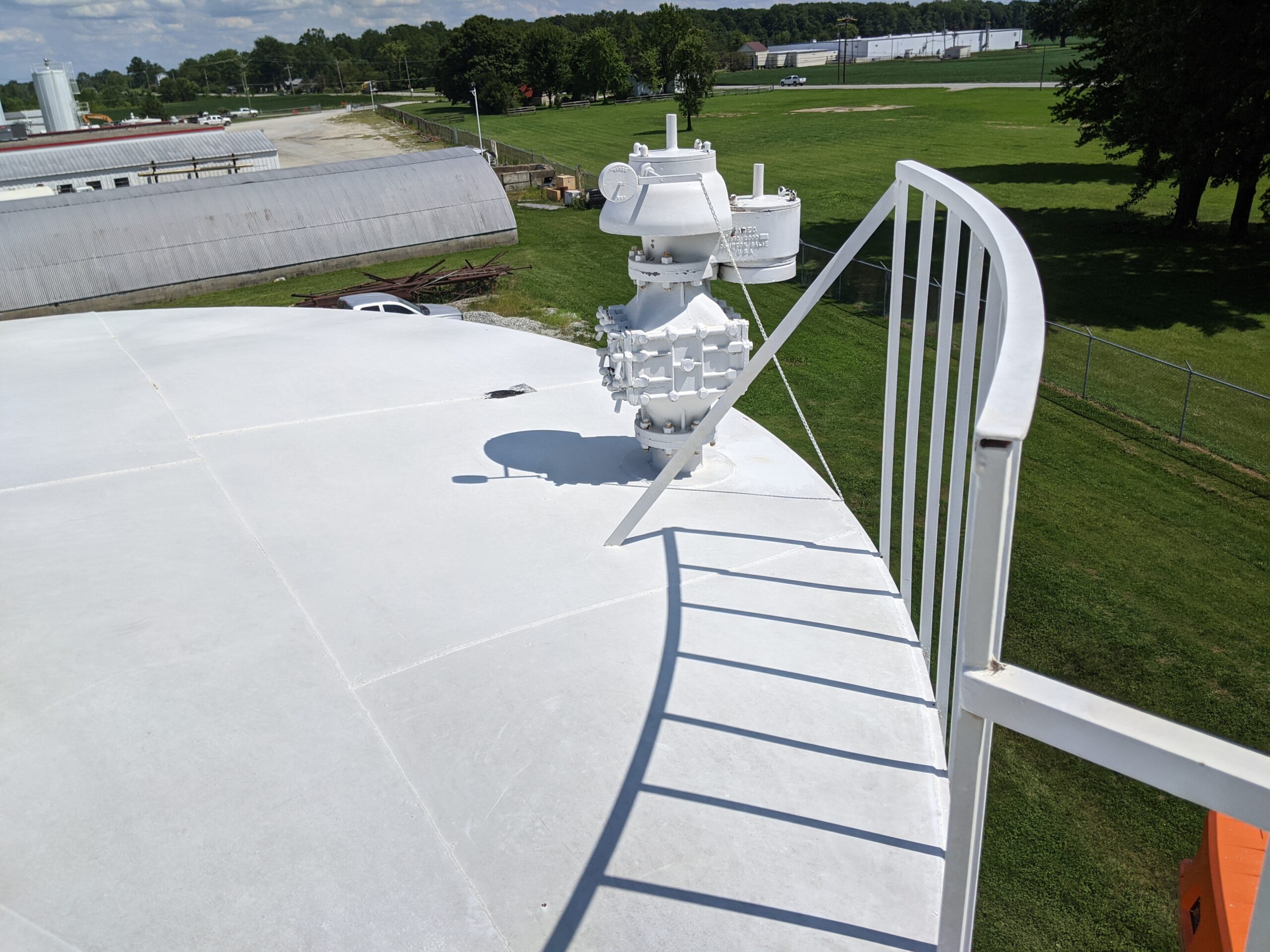
- Roof and cone structures: Inspecting for deformation, signs of water pooling, and loose fasteners.
- Foundation and anchor points: Looking for settlement cracks and signs of erosion.
- Access systems: Verifying the integrity of ladders, platforms, and fall protection compliance.
- Ventilation and aeration equipment: Checking for obstructions and signs of wear.
Using a checklist promotes consistency across all inspections, facilitates clear and detailed defect reporting, and provides a logical basis for employing more advanced testing methods when visual cues suggest deeper underlying issues.
What Are Non-Destructive Testing Methods Used in Silo Inspections?
Non-destructive testing (NDT) techniques allow for the evaluation of a silo’s material condition without compromising its structural integrity or operational function, providing precise data for defect analysis.
These advanced methods provide quantitative measurements of defects, which are crucial for defining the scope of repairs and ensuring that structural remediation addresses the fundamental causes rather than just the visible symptoms.
How Do Drone and Remote Camera Inspections Enhance Silo Safety?
Drone surveys and remote camera systems offer a safer and more efficient way to conduct external and internal inspections by capturing high-resolution imagery and video footage without requiring personnel to physically access potentially hazardous areas.
- Rapid identification of external corrosion patterns and weld integrity issues.
- Minimizing operational disruption by significantly reducing the need for confined space entry.
- Creating a detailed visual record for trend analysis across multiple inspection cycles.
- Enabling integration with AI-powered analytics for automated anomaly detection.
This technology expands the reach of inspections, lowers the risk exposure for your team, and provides actionable data that feeds directly into your maintenance planning process.
What Are the Procedures for Confined Space Entry During Silo Inspections?
Strict confined space entry protocols are essential for ensuring the safety of personnel when inspecting the internal components of silos:
- Secure a permit-required confined space entry permit
- Thoroughly test the internal atmosphere for oxygen levels, the presence of toxic gases, and potential combustible dust hazards.
- Implement robust lockout/tagout procedures for all material handling and aeration equipment.
- Maintain continuous communication with the entry team and ensure standby rescue personnel are equipped with appropriate retrieval systems.
- Mandate the use of essential personal protective equipment (PPE), including safety harnesses, gas monitors, and respiratory protection.
Strict adherence to these procedures significantly reduces the risks of asphyxiation, explosion, and entrapment, reinforcing the broader safety advantages gained from regular, well-managed inspections.
How Do Internal and External Inspections Differ in Scope and Focus?
Internal inspections focus on meticulously assessing the silo’s interior surfaces, including the condition of the foundation, wall linings, and discharge mechanisms. External inspections, conversely, evaluate the integrity of the outer shell, the stability of the roof structure, and the condition of support systems. Coordinating both types of inspections ensures that any hidden internal defects can be correlated with observable external indicators, providing a complete picture of the silo’s structural health for informed maintenance decisions.
What Are the Key Silo Safety Regulations and Compliance Standards?
Silo operations are subject to stringent regulations that dictate inspection frequencies, entry procedures, and measures for preventing dust explosions, all aimed at protecting workers and facilities from the inherent hazards of bulk storage environments.
Adherence to these standards is fundamental for legal compliance and for achieving zero-incident operations during inspections and maintenance activities.
What Are Industry Best Practices for Silo Safety Audits and Permits?
Elevating the effectiveness of safety audits and permit compliance is achieved by adopting these best practices:
- Engaging independent third-party safety audits to validate internal procedures.
- Systematically documenting all inspection findings within centralized safety management systems.
- Scheduling permit renewals to align with regulatory cycles and operational needs.
- Conducting regular mock rescue drills to test and validate emergency response plans.
These practices significantly strengthen overall SiloSafety governance and cultivate a culture of continuous improvement and vigilance.
How Do Safety Devices and PPE Reduce Hazards During Inspections?
Safety devices and personal protective equipment (PPE) play a direct role in mitigating the risks associated with silo inspections:
- Using wear-resistant harnesses and lanyards to prevent falls from height.
- Employing gas monitors for real-time assessment of the confined space atmosphere.
- Deploying dust masks or respirators to prevent inhalation of hazardous fumes or particles.
- Utilizing lockout/tagout devices to securely de-energize active machinery.
A combination of engineered safety controls and appropriate PPE ensures that inspection teams remain protected while gathering critical structural data.
What Are the Most Common Structural Problems and Failure Points in Silos?
Identifying recurring areas of weakness allows for targeted interventions that not only extend the silo’s operational lifespan but also maintain a safe working environment.
How to Identify Concrete Silo Cracks, Delamination, and Spalling?
Concrete silos often exhibit specific damage patterns that signal underlying structural distress:
- Vertical and horizontal cracks can indicate differential settlement or stress from thermal expansion/contraction.
- Delamination may manifest as bulging sections or produce hollow sounds when tapped.
- Spalling reveals surface flaking, often exposing corroded reinforcing steel.
Regular visual inspections and sounding tests are key to detecting these defects early, guiding further investigation with methods like core boring analysis and informing repair strategies.
What Causes Steel Silo Corrosion and Wall Deformations?
Steel silo walls are susceptible to corrosion when exposed to moisture, chemical vapors, or abrasive materials. Common corrosion mechanisms include:
- Uniform corrosion resulting from prolonged exposure to humidity.
- Pitting corrosion, often occurring in localized areas where moisture collects.
- Stress corrosion cracking, particularly at weld seams under cyclical loading conditions.
Wall deformations frequently accompany severe corrosion and necessitate ultrasonic thickness measurements to quantify metal loss accurately before deciding on replacement or reinforcement.
How Do Roof and Cone Failures Affect Silo Performance and Safety?
The roof and cone structures of silos are subjected to significant loads from stored materials and environmental factors:
- Overloading can cause support beams to bend, leading to water pooling and accelerating material fatigue.
- Wind uplift forces can loosen fasteners, resulting in leaks and compromising structural stability.
- Cone deformation can impede material discharge flow and lead to the accumulation of residual material.
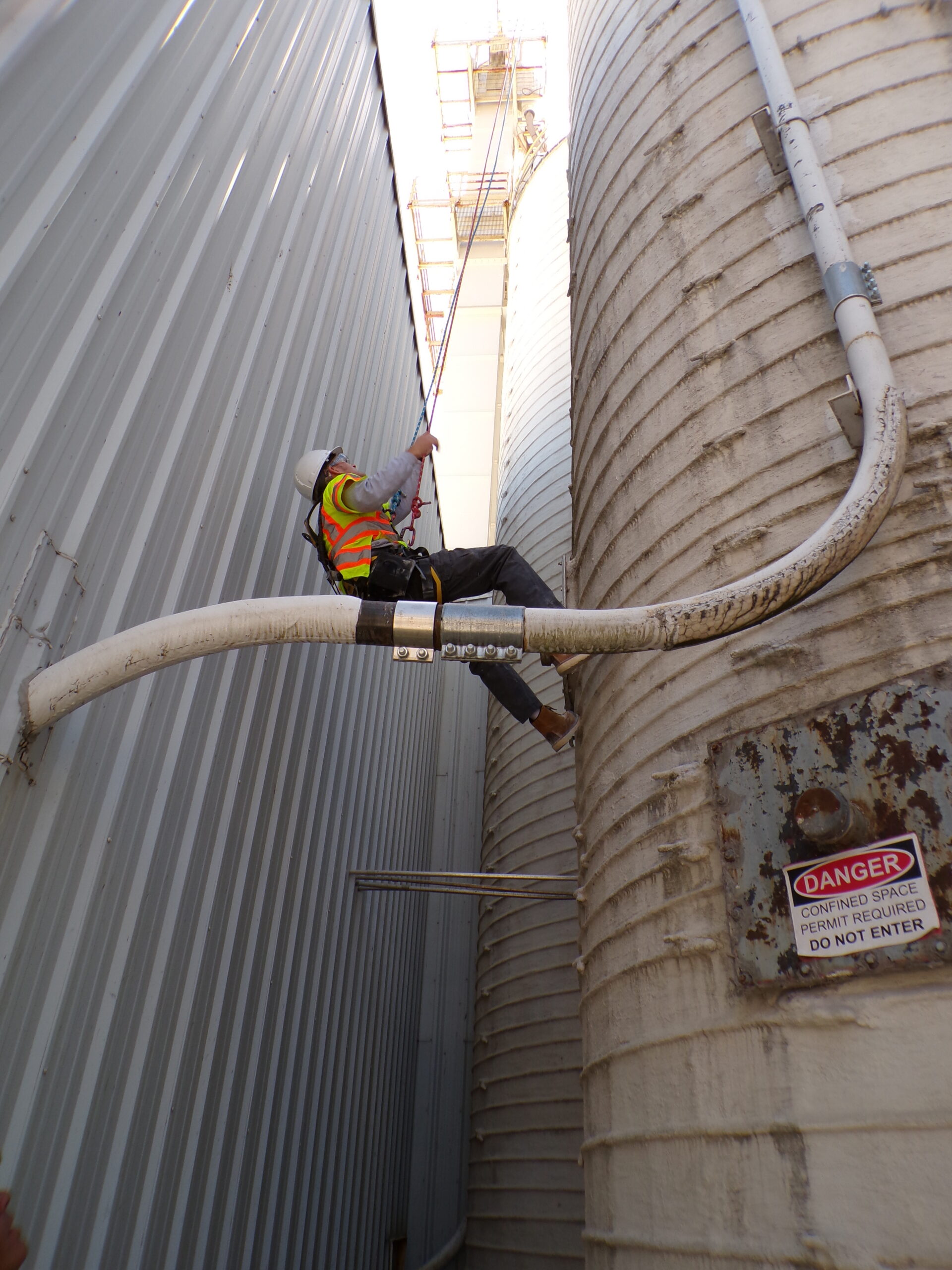
Timely detection through external surveys and internal inspections (including rope access methods) is crucial to prevent catastrophic collapse scenarios and maintain efficient material unloading operations.
What Are Material Flow Problems Like Bridging and Ratholing in Silos?
Maintaining consistent material flow is essential for operational efficiency; common flow issues include:
- Bridging, where blockages form in an arch-like structure above the discharge outlet.
- Ratholing, characterized by the formation of narrow flow channels that leave material stagnant against the silo walls.
These flow problems can impose uneven loads on the silo structure and encourage moisture retention, potentially exacerbating corrosion and structural damage if not addressed promptly with flow aids or specialized internal linings.
How Often Should Silos Be Inspected and What Are the Recommended Frequencies?
The optimal inspection intervals for silos depend on various factors, including the type of silo, how intensely it’s used, and the prevailing environmental conditions. Establishing appropriate frequencies is key to maximizing safety and return on investment.
What Factors Determine Annual vs. Biennial or Comprehensive Inspections?
Key factors influencing inspection frequency include:
- Material stored: Silos holding corrosive substances require more frequent assessments.
- Throughput volume: High-usage silos benefit from annual or semi-annual inspections.
- Age of structure: Older silos may necessitate quarterly visual inspections.
- Environmental exposure: Coastal regions or areas with high humidity can accelerate deterioration.
A careful balance of these factors, alongside budgetary considerations, will help you establish an optimized inspection schedule that aligns maintenance resources with identified risks.
How Does Inspection Frequency Impact Silo Lifespan and Safety?
Increasing the regularity of inspections allows for the early detection of wear and tear, which significantly reduces the rate at which defects propagate and helps prevent unexpected operational shutdowns. Annual or more frequent inspections support a predictive maintenance model that can extend a silo’s operational lifespan by up to 20 percent and cut emergency repair costs by as much as half.
What Are Signs That Indicate Immediate or Emergency Silo Inspections?
Certain observable indicators warrant unscheduled, immediate inspections:
- Sudden widening of existing cracks or the appearance of new leak points.
- Unusual noises emanating from the silo during filling or discharge cycles.
- Detectible odors of toxic gases in the vicinity of silo vents.
- Visible deformation or bulging of silo walls or roof panels.
Responding promptly to these warning signs is crucial for averting severe structural failures and preventing hazardous incidents.
How to Choose a Professional Industrial Silo Inspection Service?
Selecting a highly qualified inspection provider is essential for ensuring thorough assessments, expert reporting, and actionable recommendations that effectively protect your assets and personnel.
What Qualifications and Certifications Should a Silo Inspector Have?
A reputable silo inspection professional typically possesses:
- Certification in non-destructive testing (e.g., ASNT NDT Level II or equivalent).
- Formal training in confined space entry and rescue procedures, compliant with OSHA standards.
- Demonstrated experience in structural engineering assessments and knowledge of relevant building codes.
- Accreditation from recognized industry organizations (e.g., NACE for corrosion expertise).
These credentials confirm the necessary expertise for conducting comprehensive inspections that align with regulatory requirements.
How Do Advanced Technologies Like AI and 3D Modeling Improve Inspections?
Leading inspection firms are increasingly leveraging cutting-edge tools to enhance the accuracy and efficiency of their services:
- AI-driven image analysis can automatically flag anomalies in data captured by drones.
- Digital twin 3D models allow for the simulation of structural behavior under various load conditions.
- Thermal imaging techniques can effectively detect moisture ingress behind concrete linings.
The adoption of these innovative technologies helps reduce the potential for human error, speeds up the reporting process, and provides robust support for predictive maintenance strategies.
What Are Typical Cost Factors and ROI Considerations for Silo Inspections?
The cost of silo inspections is influenced by several factors:
- Silo dimensions (height and diameter) and accessibility challenges.
- The specific inspection methods employed (e.g., visual, NDT, drone surveys).
- The number of test points required for thickness measurements and core sampling.
- The extent of compliance documentation and risk analysis needed.
Investing in regular, high-quality inspections typically yields a strong return on investment (ROI) through reduced downtime, lower repair expenditures, and an extended service life for the silo, often recouping the inspection costs within the first year of implementation.
What Questions Should You Ask Before Hiring a Silo Inspection Company?
Before engaging an inspection service, it’s vital to ask pertinent questions:
- Scope of Services – What specific inspection methods and industry standards are covered?
- Reporting Format – How are findings documented, and how are they prioritized?
- Turnaround Time – What is the typical timeframe from inspection completion to report delivery?
- Safety Protocols – How does the inspection team manage confined space entry and fall protection?
- References and Case Studies – Can the provider share examples of similar successful projects?
Asking these questions helps clarify expectations and ensures alignment with your operational needs and regulatory obligations.
What Are Best Practices for Silo Maintenance and Repair After Inspections?
Effective post-inspection maintenance and repair strategies translate diagnostic findings into concrete actions that restore structural integrity and prevent the recurrence of defects.
How Should Silos Be Cleaned to Maintain Structural Integrity?
Thorough silo cleaning procedures should encompass:
- Removal of residual materials using pneumatic or mechanical agitation methods.
- Application of high-pressure washing systems to eliminate dust and corrosion buildup.
- Use of approved chemical agents for scale removal on metal surfaces where necessary.
- Documentation of cleanliness levels to inform subsequent corrosion control and coating reapplication efforts.
Regular cleaning helps reduce abrasive wear, prevents moisture entrapment, and ensures a clean surface for accurate inspections.
What Preventative Maintenance Programs Extend Silo Lifespan?
A comprehensive preventative maintenance program should integrate:
- Scheduled visual and NDT inspections with clearly defined follow-up actions.
- Periodic reapplication of protective coatings on steel and concrete surfaces.
- Established calibration and replacement schedules for flow aids, aeration systems, and safety devices.
- Consistent data tracking to analyze defect trends and refine future inspection intervals.
This holistic approach transforms silo management from a reactive process to one of strategic asset preservation.
What Are Effective Restoration Techniques for Concrete and Steel Silos?
Restoration methods are tailored to address material-specific defects:
- Epoxy injections and carbon fiber wrapping are used to reinforce cracked concrete walls.
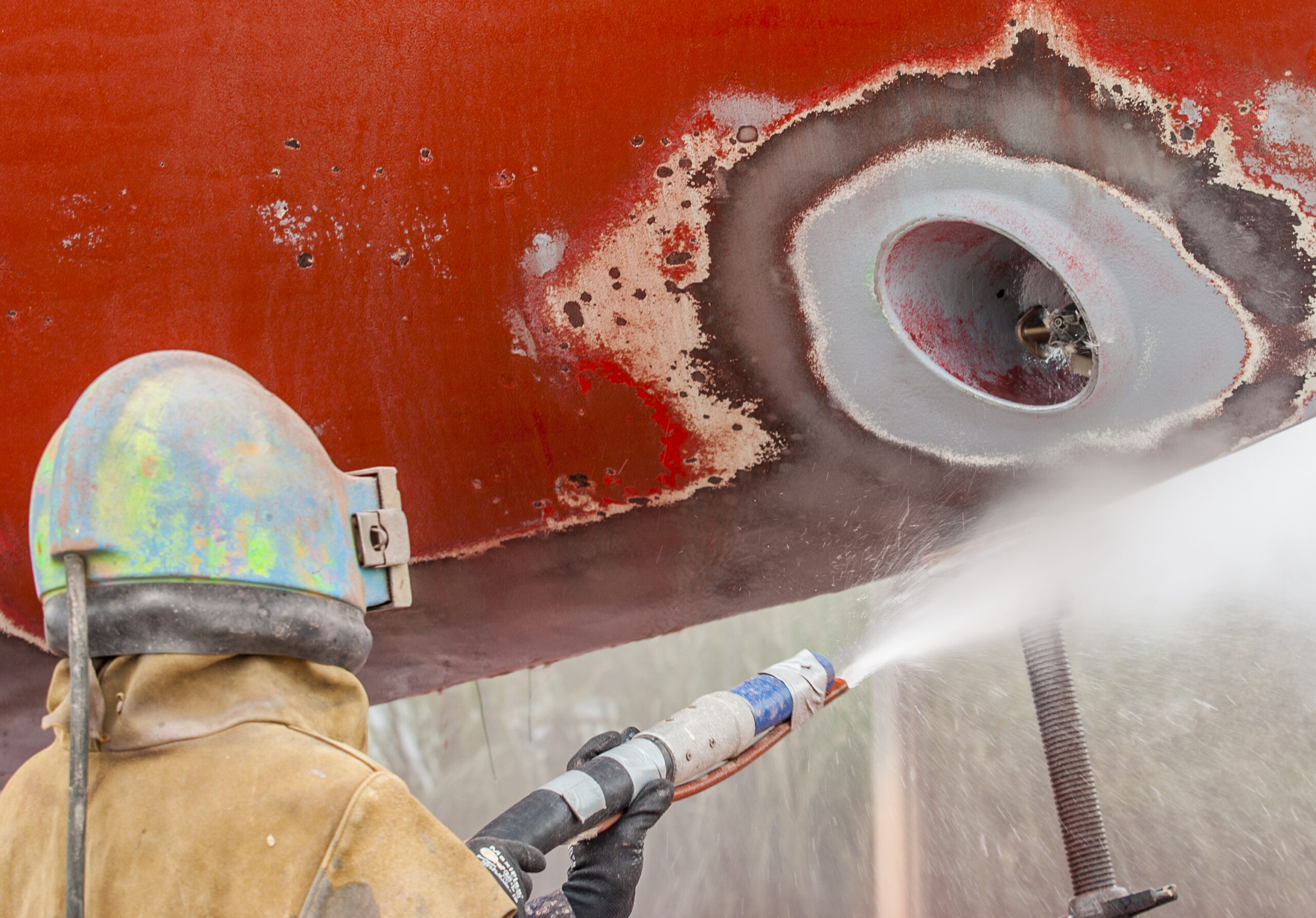
- Shot-blasting followed by the application of zinc-rich primers protects steel surfaces from further corrosion.
- Grouting of foundation voids can correct settlement issues and stabilize the structure.
- Replacement of damaged structural members restores the silo’s original load-bearing capacity.
Matching the repair technique precisely to the identified damage mode ensures a durable and effective restoration outcome.
When Are Emergency Silo Repair Services Necessary?
Emergency repair services become essential under the following critical circumstances:
- When structural defects present an immediate risk of collapse.
- If active leaks threaten the quality of stored materials or pose an environmental hazard.
- When safety devices, such as ladders or platforms, fail inspection and create an unsafe condition.
- In cases of severe corrosion that compromises load-bearing structural elements.
Engaging specialized emergency repair teams who can mobilize rapidly is crucial for safeguarding operations and preventing extensive, costly downtime.
Consistent silo inspections are the bedrock of a robust safety and maintenance strategy. By thoroughly understanding the various inspection types, regulatory mandates, common failure points, and effective post-inspection practices, operators can proactively manage risks, optimize expenditures, and significantly extend the service life of their silos. Implementing these guidelines ensures that every inspection yields actionable intelligence and fosters a culture of continuous improvement in both structural integrity and operational safety.