Industrial Tank Coatings and Chemical Tank Linings: Your Guide to Storage Tank Corrosion Defense
Industrial tank coatings and chemical tank linings are advanced barrier systems designed to shield your storage assets from corrosion, chemical assault, and physical wear. They’re crucial for maintaining structural integrity and ensuring process purity. This guide dives into how these protective systems work, compares key materials like epoxy, vinyl ester, novolac, polyurea, and geomembranes, and helps you match selection criteria to specific chemical classes and operating conditions. Many operators grapple with leaks, unexpected downtime, and regulatory headaches when containment systems falter. Specifying the correct coating or lining is your best defense against these hazards, slashing lifecycle costs and ensuring compliance with standards like API and NSF. You’ll gain clarity on the definitions and distinctions between coatings and liners, explore comparative chemical resistance data, understand lifecycle and cost impacts, master application and inspection best practices, navigate industry-specific needs, and discover the advantages of 100% solids systems for modern maintenance windows. We’ll use precise terms like ‘tank coatings and liners,’ ‘corrosion-resistant tank linings,’ ‘epoxy vs polyurethane tank coating,’ and ‘API 652 tank lining requirements’ to guide your technical decisions. Grasping these fundamentals will empower engineers and maintenance managers to select materials that maximize service life and minimize operational disruptions.
What Exactly Are Industrial Tank Coatings and Chemical Tank Linings?
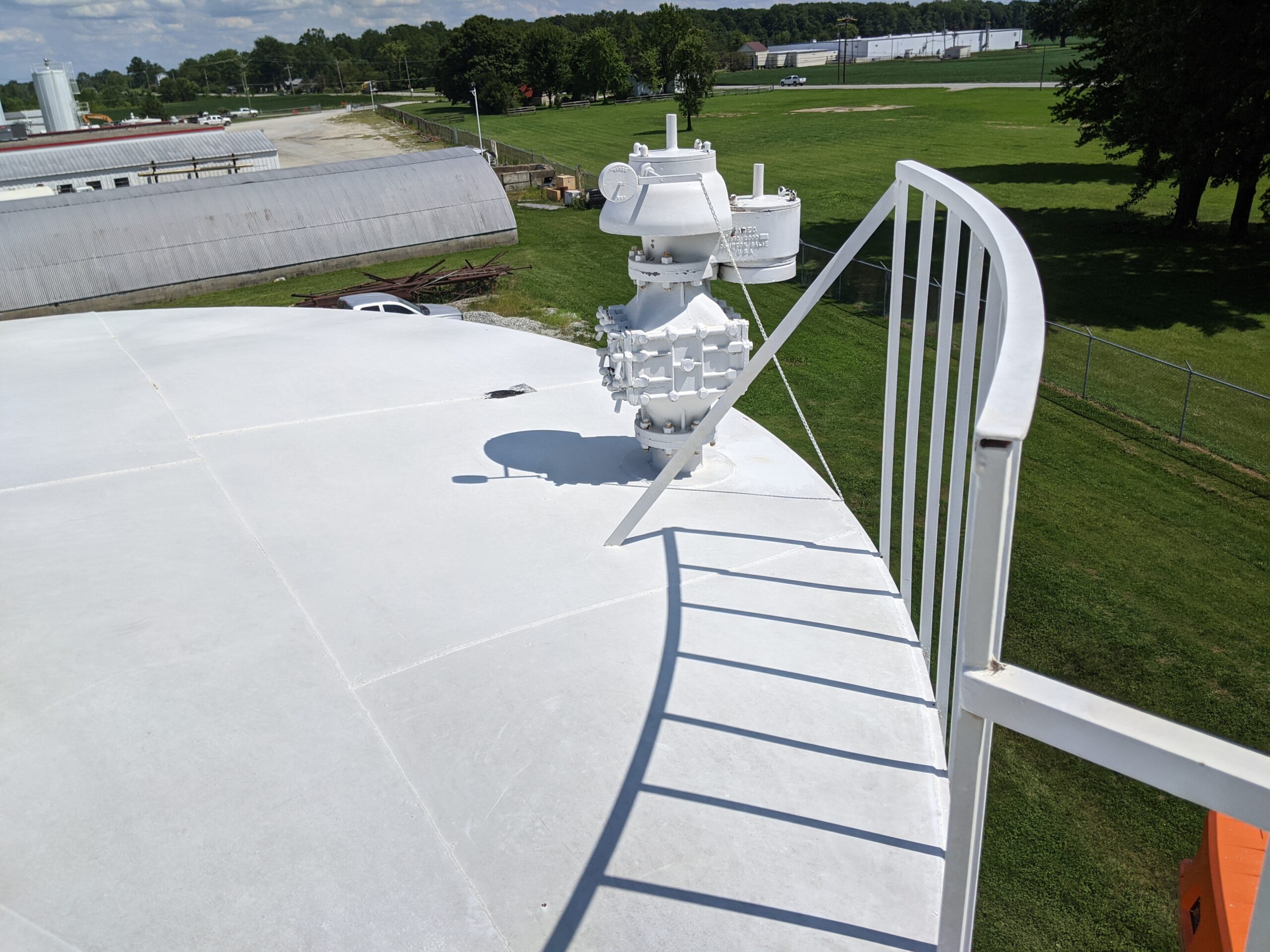
Industrial tank coatings are applied film-forming systems that bond to substrates, creating a protective shield against corrosion and chemical penetration. Chemical tank linings, on the other hand, are typically thicker applied systems or pre-fabricated membranes engineered for containing aggressive media. Both systems function by combining robust adhesion, impermeability, and chemical inertness to prevent substrate exposure and electrochemical degradation. The immediate payoff is extended asset life and a significant reduction in repair frequency, ultimately lowering the total cost of ownership for your storage and process tanks. Below, we’ll clarify the distinctions and list common materials used in each approach to help you choose between on-site coatings and engineered liners for your specific service conditions.
What’s the Difference Between a Tank Coating and a Tank Liner?
A tank coating is essentially a bonded polymeric film—think epoxy or polyurethane—applied in multiple layers to a meticulously prepared substrate. Its purpose is to provide corrosion and abrasion resistance. A tank liner, conversely, is a distinct barrier, either applied or pre-fabricated, such as an HDPE geomembrane, rubber sheet, or FRP panel, designed to form a continuous containment layer. Coatings generally demand intimate adhesion to a well-prepared surface and allow for patch repairs. Liners can accommodate some substrate irregularities but typically require mechanical attachment or seam welding and might necessitate complete replacement rather than in-place patching. Coatings usually offer thinner film builds and a lower initial material cost. Liners, however, can provide rapid installation options for certain geometries and are often preferred for highly aggressive chemistries that would degrade coating polymers. Your choice hinges on chemical compatibility, substrate condition, installation access, and your long-term maintenance strategy. This decision naturally leads to a review of common materials and their respective trade-offs.
Which Materials Are Commonly Used for Tank Coatings and Linings?
The roster of common materials includes epoxy tank coatings, vinyl ester linings, novolac epoxy, polyurea coatings, 100% solids systems, HDPE geomembrane liners, rubber linings, FRP linings, and cementitious coatings specifically for concrete tanks. Each material class brings its own set of strengths: epoxy excel in adhesion and mechanical strength; vinyl esters offer excellent resistance to many acids; novolacs provide superior chemical tolerance at elevated temperatures; polyureas boast rapid cure times and impressive abrasion resistance; and geomembranes deliver inert containment for solvents and organics. Material selection demands a careful evaluation of chemical resistance, temperature tolerance, flexibility, and substrate compatibility to perfectly match your operating service conditions. These options set the stage for a detailed chemical resistance comparison to guide your specification process.
How Do Tank Coatings Effectively Protect Against Corrosion and Chemical Damage?
Tank coatings act as an impermeable barrier, effectively isolating the substrate from corrosive media. This isolation limits the transport of oxygen and ions, which are the primary drivers of electrochemical corrosion. Chemical resistance is a function of the polymer chemistry itself—specifically, its crosslink density, aromatic content, and filler selection. Abrasion resistance, meanwhile, depends on the film’s toughness and surface hardness. Crucially, proper surface preparation and primer selection are paramount for maximizing adhesion and ensuring long-term performance, as the coating system’s integrity hinges on a cohesive bond to the substrate. Inadequate preparation is a fast track to premature failure. With this understanding of the underlying mechanisms, material comparisons focused on chemical classes and operating windows become the next critical step.
Which Tank Lining Materials Deliver the Best Chemical and Corrosion Resistance?
Pinpointing the optimal lining material involves meticulously mapping the stored chemical, its concentration, operating temperature, and mechanical stresses against candidate materials. The ideal choice strikes a balance between resistance, service life, and ease of installation. Below, you’ll find material profiles and a practical chemical resistance matrix designed to help engineers effectively pair chemistries with lining options, thereby avoiding common mismatches that prematurely shorten asset life. This section also includes a concise EAV table summarizing performance against representative chemical classes for quick decision support.
Different lining materials exhibit distinct performance characteristics across common chemical classes and operating conditions.
| Coating/Liner | Chemical/Condition | Expected Resistance/Performance |
|---|---|---|
| Epoxy coatings | Neutral salts, moderate alkalies, low solvents | Excellent adhesion and abrasion resistance; limited long-term solvent resistance |
| Vinyl ester linings | Concentrated acids, oxidizers, low-organic solvents | Superior acid and bleach resistance; outstanding chemical inertness at typical temperatures |
| Novolac epoxy | Concentrated acids, high-temperature exposures | Exceptional resistance to aggressive acids and elevated temperatures; higher cost and specialized handling required |
This matrix clearly illustrates that vinyl ester often surpasses generic epoxy in strong acid service, while novolac epoxy is reserved for the most demanding, high-temperature chemistries. The table clarifies selection priorities and prepares your team to verify specific chemical resistance data sheets before finalizing your specification.
What Are the Key Properties and Benefits of Epoxy Tank Coatings?
Epoxy tank coatings are thermosetting polymers highly valued for their exceptional adhesion, robust mechanical strength, and excellent abrasion resistance across a wide range of industrial applications. Epoxy forms densely cross-linked films that effectively resist permeation by aqueous corrosives and provide a durable foundation for topcoats. Hybrid formulations, such as epoxy novolac, further extend their chemical tolerance. However, limitations include variable solvent resistance and reduced performance under sustained high temperatures. Therefore, designers must carefully match the specific epoxy chemistry to the chemical class and operating temperature. Understanding the performance nuances of different epoxy variants naturally leads to comparing them with vinyl ester and novolac systems for more aggressive environments.
How Do Vinyl Ester Linings Perform in Aggressive Chemical Environments?
Vinyl ester linings offer superior resistance to a broad spectrum of acids, caustics, and oxidizers. This enhanced performance stems from their unique ester backbone and styrenic crosslinking, which impart excellent chemical inertness and low permeability. They typically cure into a hard, tough film capable of tolerating cyclic thermal stresses better than standard epoxy, making them a popular choice for chemical processing tanks and waste acid storage. Installation demands skilled applicators to ensure full cure and seamless coverage. Repairs usually involve grinding and patching with compatible vinyl ester paste. Given their robust resistance profile, vinyl ester often becomes the go-to choice for concentrated acid service where standard epoxy would quickly degrade.
When Are Novolac Coatings the Ideal Choice for Extreme Chemical Exposure?
Novolac epoxy are characterized by their highly aromatic, phenolic-rich resin structure, which provides outstanding resistance to concentrated acids, phenolics, and high-temperature chemical exposure when compared to standard epoxy systems. Their dense molecular structure significantly limits the penetration of solvents and acids, positioning novolac products as the material of choice for highly aggressive process streams and elevated-temperature storage applications. Novolac systems typically come with a higher price tag and require specialized handling and meticulous cure control, so they are specified only when service conditions unequivocally justify their premium performance. Where extreme chemical resistance is a non-negotiable requirement, novolac coatings effectively minimize the risk of catastrophic failure and reduce long-term remediation costs.
How Do Industrial Tank Coatings Extend Asset Life and Slash Operational Costs?
Protective coatings and linings are instrumental in extending asset life by preventing substrate degradation, minimizing leak risks, and enabling planned maintenance over costly emergency repairs. A quantified understanding of service-life ranges and maintenance intervals allows owners to accurately calculate total cost of ownership and strategically prioritize refurbishment investments. Below, you’ll find an EAV-style table comparing various protective systems based on their expected service life and maintenance frequency, aiding in ROI assessment. This comparison is designed to support procurement and budget planning for long-term asset integrity.
Protective systems vary significantly in their lifecycle attributes, which materially impact maintenance scheduling and capital planning.
| Protective System | Attribute | Value |
|---|---|---|
| Standard epoxy coating | Typical service life | 5–10 years under moderate exposure |
| Vinyl ester lining | Maintenance interval | Re-inspect every 3–5 years; patch as needed |
| 100% solids high-build | Lifecycle cost delta | Lower long-term TCO due to reduced recoating frequency |
This table clearly demonstrates that higher-performance systems generally offer longer service life and lower lifecycle costs, even with a higher initial material or installation expense. Quantifying these differences is key to effectively comparing upfront costs against prolonged uptime and reduced intervention frequency.
What Is the Typical Service Life of Tank Coatings and Linings?
The typical service life can vary dramatically depending on the material used, the operating environment, and the maintenance practices employed. Conventional epoxy often last between 5 to 10 years in mild to moderate service conditions. Vinyl ester and novolac systems can extend beyond 10 to 20 years in aggressive environments, while geomembrane liners may serve for 15 to 30 years, contingent on mechanical protection. Factors that can shorten service life include inadequate surface preparation, thermal cycling, concentrated chemical attack, and mechanical abrasion from solids handling. Predictive maintenance—supported by periodic inspections and prompt patching—can significantly extend the practical service life and minimize unexpected downtime. With these lifecycle ranges in mind, managers can effectively plan cost-effective inspection schedules to preserve asset integrity.
How Do Coatings Minimize Downtime and Maintenance Needs?
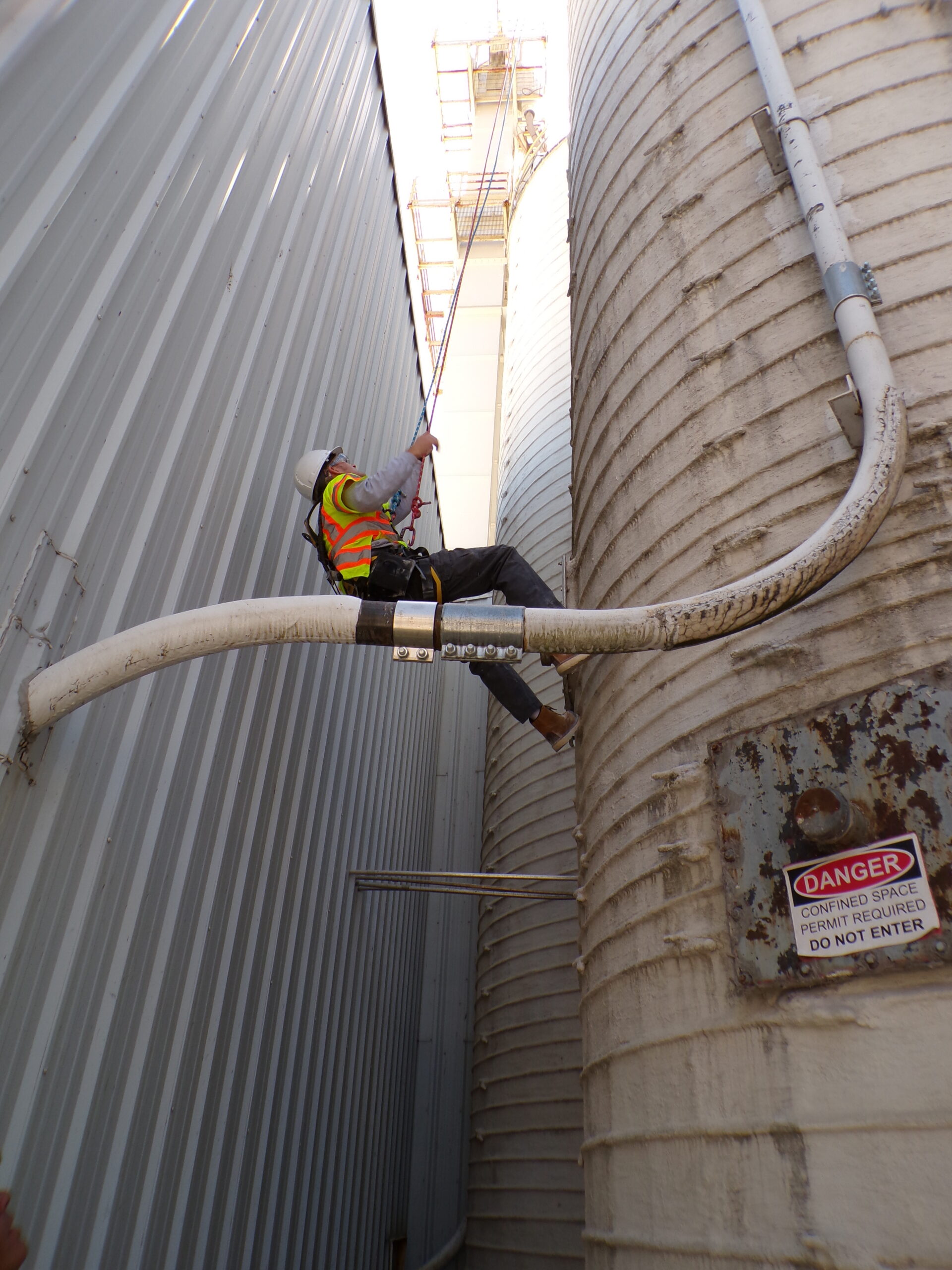
Coatings significantly reduce downtime by preventing progressive corrosion that would otherwise necessitate lengthy structural repairs or even tank replacement. Fast-curing materials, such as certain polyureas and 100% solids systems, enable a rapid return to service after maintenance activities. By lowering the frequency of repairs through durable barrier performance, coatings also reduce personnel exposure and the need for confined-space entries, thereby enhancing safety and economic efficiency. Modular lining approaches and targeted patching further minimize the scope of interventions, allowing for staged maintenance during planned outages. Understanding these operational benefits is crucial for making informed specification decisions that prioritize uptime and maintenance efficiency.
What Role Does Corrosion Protection Play in Maintaining Asset Integrity?
Corrosion protection is fundamental to preserving structural integrity, preventing product contamination, avoiding environmental releases, and ensuring regulatory compliance by minimizing leak incidents. Tanks protected by robust coatings maintain predictable mechanical properties and avoid stress concentrations caused by pitting, which mitigates failure modes and the associated costs of emergency repairs. Numerous case studies consistently demonstrate that proactive coating programs lead to reduced unplanned downtime and lower environmental remediation expenses. Recognizing corrosion control as a core asset management strategy frames coatings and linings not as expenses, but as critical investments in operational continuity and safety, naturally leading us to the next topic: how to effectively apply and maintain these vital systems.
What Are the Best Application Methods and Maintenance Practices for Tank Coatings?
Selecting the appropriate application method—whether spray, roller, brush, trowel, or prefabricated liner installation—depends on several factors, including tank size, accessibility, desired finish, and the specific coating chemistry chosen. Best practices always begin with meticulous surface preparation, strict adherence to industry cleanliness and profile standards, controlled application conditions, and well-defined inspection and repair protocols. The table below maps various application methods to their suitability and core requirements, helping teams select an approach that effectively balances speed, quality, and safety. After reviewing the characteristics of each method, we’ll delve into surface prep standards, inspection checklists, and essential safety and environmental controls.
The choice of application method significantly influences coating performance, the quality of the finish, and the overall project duration.
| Application Method | Suitability | Recommended Use-Cases |
|---|---|---|
| Spray (airless) | Large tanks, high production rates | Fast, uniform film build for exterior and interior vertical surfaces |
| Roller/brush | Small areas, detailed work | Repairs, seams, and confined spaces with minimal overspray |
| Trowel/hand-applied | Thick cementitious or mortar linings | Concrete tank recoating and patching applications |
This table clarifies that spray methods are ideal for large-scale work, while rollers and brushes remain indispensable for repairs and intricate geometries. Trowel systems are well-suited for cementitious and heavy-build repairs. With the method selection framed, specific application and maintenance guidance will support durable outcomes.
How Are Tank Coatings Applied: Spray, Roller, or Brush?
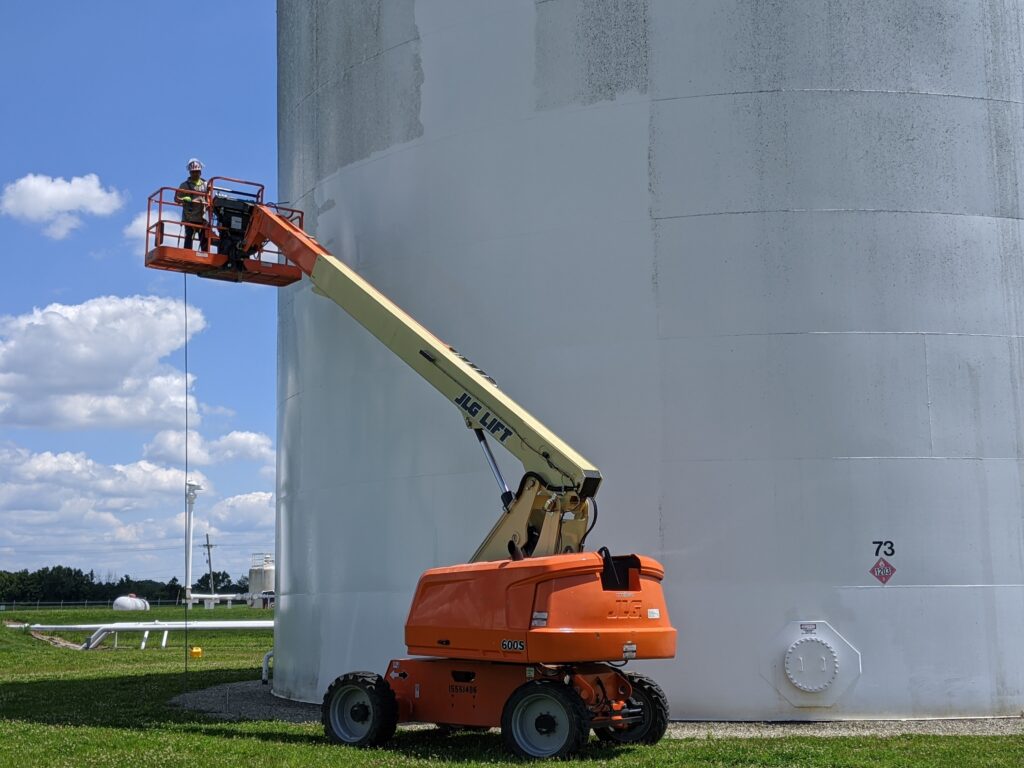
Spray application, particularly airless spray, offers rapid coverage and consistent film thickness for large tanks. However, it necessitates careful controls for overspray, ventilation, and substrate temperature. Roller and brush methods, while slower, allow for precise application in confined spaces and simplify small repairs, often being used after spray passes to refine the surface finish. Equipment selection must be matched to the coating’s rheology and pot life; high-build 100% solids and polyurea systems may require plural-component pumps and heated lines. Choosing the correct method minimizes defects and facilitates subsequent inspection, which we will address next.
What Are the Best Surface Preparation Practices for Tank Linings?
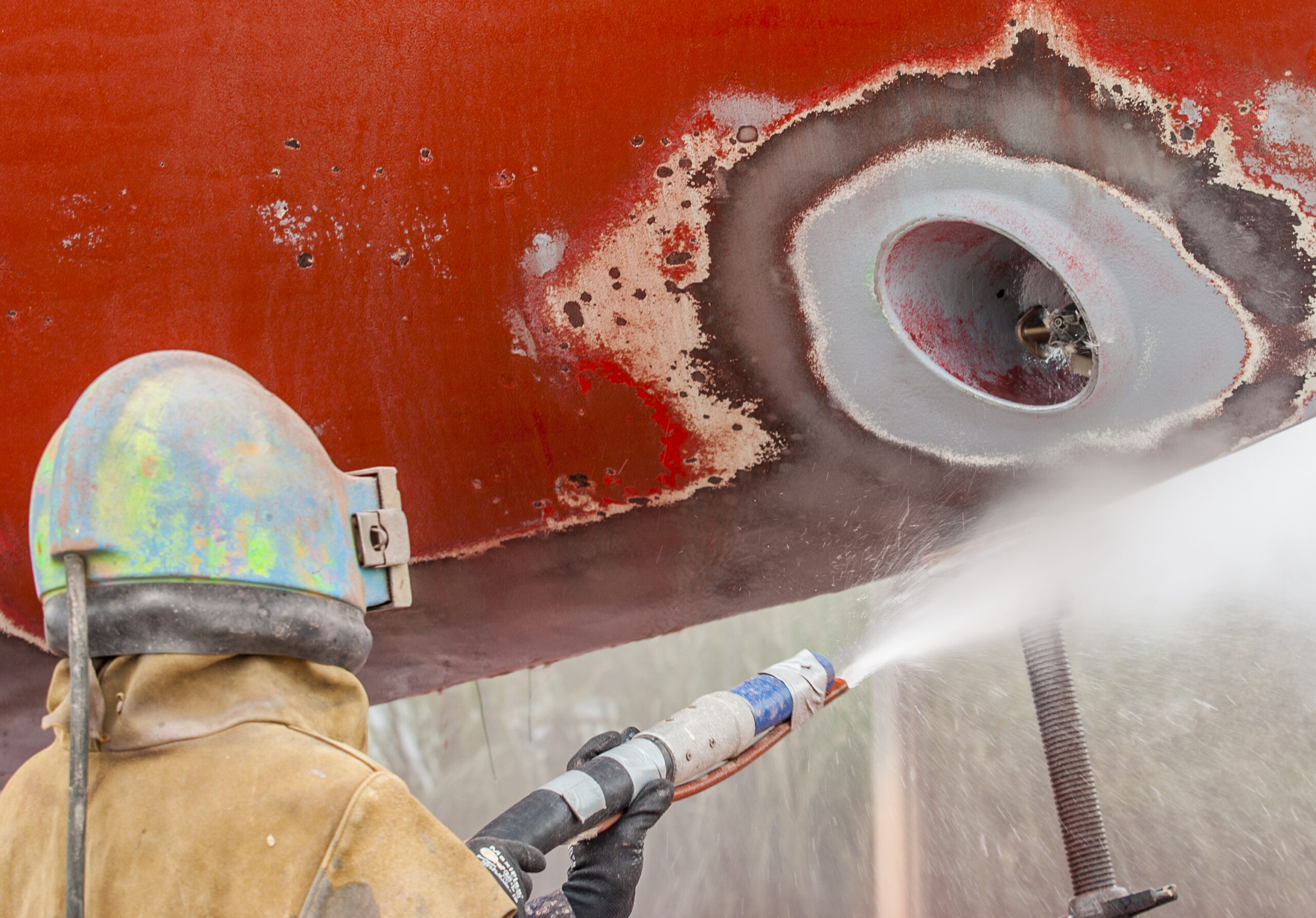
Surface preparation must achieve the specified cleanliness and profile—typically blast cleaning to a near-white or commercial standard, with soluble salt removal as required—to guarantee adhesion and prevent delamination. Strict control over moisture, surface temperature, and contaminants is absolutely critical, as trapped salts or dampness can accelerate failure even with high-performance coatings. Measurement tools, such as profile gauges and chloride test kits, are essential for verifying surface readiness before application and should be meticulously documented in quality records. Proper preparation stands as the single most important step in securing long-term performance and directly informs subsequent inspection and repair protocols.
How Should Tank Coatings and Linings Be Inspected and Repaired?
Inspections should follow a clearly defined schedule that integrates visual checks, thickness measurements, adhesion testing, and targeted non-destructive testing (NDT) where appropriate. The frequency of these inspections will depend on the severity of the service environment and the materials used. Repair decisions typically follow a straightforward process: minor coating holidays can be patched after localized preparation, while extensive degradation may necessitate a full recoat or relining. It is crucial to maintain consistent records of all inspection findings, repairs performed, and materials utilized to track trends and accurately predict future maintenance windows. Implementing these systematic inspection routines significantly reduces the likelihood of sudden failures and prepares teams for safe and effective repair execution.
What Safety and Environmental Considerations Are Important During Application?
The application of tank coatings necessitates strict adherence to confined-space entry procedures, the use of appropriate personal protective equipment (PPE), effective ventilation control, and monitoring of VOC emissions, especially when solvent-borne systems are employed. 100% solids systems reduce VOC concerns but still require robust PPE to protect against chemical exposure. Waste handling protocols for contaminated abrasives, rinse water, and removed coating residues must comply with all regional regulations and be designed to minimize environmental impact. It is essential to establish clear emergency response plans for accidental spills and ensure that all applicators and inspectors receive fit-for-purpose training. Prioritizing safety and environmental controls not only protects personnel but also simplifies regulatory compliance throughout coating projects.
Which Industries Benefit Most from Specialized Tank Coatings and Linings?
Specialized coatings and linings are engineered to meet the unique service demands across a variety of sectors, including oil & gas, chemical processing, wastewater treatment, potable water storage, mining, food & beverage, and marine applications. This is achieved by precisely matching material properties to specific operational risks. Industry-specific drivers often include hydrocarbon compatibility, containment of aggressive chemicals, resistance to sulfide-rich wastewater exposure, sanitary requirements for potable water, and durability against abrasion from slurry handling. Below, we map typical coating selections to industry needs and include a checklist for qualifying chemical processing linings; this will help engineers align material choices with regulatory and operational constraints.
Industries exhibit distinct critical performance drivers and compliance obligations for tank protection.
- Oil and gas storage demands coatings that resist hydrocarbon permeation and external corrosion, coupled with robust inspection regimes to manage environmental exposure risks.
- Chemical processing requires certified chemical resistance data, thorough compatibility testing, and meticulous attention to concentration and temperature when specifying linings.
- Wastewater tanks need exceptional resistance to hydrogen sulfide, biological activity, and abrasion from sludge handling, necessitating durable, easily inspectable systems.
These mappings provide clarity on typical choices and guide readers toward specific selection criteria relevant for each sector.
How Are Tank Coatings Used in Oil and Gas Storage and Pipelines?
Within the oil and gas sector, external coatings are vital for protecting carbon steel tanks from atmospheric corrosion and salt spray. Internal coatings and linings serve the dual purpose of preventing product contamination and controlling corrosion from water bottoms or crude oil contaminants. Pipeline protection frequently combines external coatings with cathodic protection systems, while internal linings are employed to mitigate product compatibility issues and reduce fouling. Inspection regimes in this industry place a strong emphasis on periodic integrity assessments and compatibility checks that align with established pipeline and tank maintenance standards. These operational constraints significantly influence material selection and the required inspection frequency.
What Are the Requirements for Chemical Processing Tank Linings?
Chemical processing applications demand rigorous compatibility testing against formulated process streams, considering expected concentrations and temperatures. This often involves accelerated laboratory immersion tests and consultation of vendor chemical resistance charts. Key selection criteria include resistance to corrosion, solvent permeation, thermal stability, and ease of repair. Procurement processes should mandate the provision of material safety and data sheets to formally document suitability. Operational parameters such as agitation, the presence of slurry solids, and cyclic exposures must be carefully considered during specification to prevent premature failure. A systematic qualification checklist is essential for robust lining selection and mitigating downstream risks.
How Do Wastewater Treatment Tanks Benefit from Protective Coatings?
Wastewater environments subject substrates to aggressive conditions, including hydrogen sulfide, biological activity, and abrasive solids. This necessitates coatings with both chemical and abrasion resistance, such as novolac-modified epoxy, specialized polyureas, or cementitious linings. Protective systems effectively reduce corrosion rates in clarifiers, digesters, and sludge tanks, while also enabling predictable maintenance intervals and safer confined-space operations. Coatings also contribute to odor control and sanitary outcomes by limiting substrate degradation that can lead to secondary contamination. Properly selected systems, therefore, significantly enhance reliability and reduce lifecycle costs in wastewater treatment facilities.
What Standards Apply to Potable Water Tank Linings?
Potable water tank linings must strictly adhere to sanitary and material safety standards, such as NSF 61 (or its equivalent). This ensures that coatings do not leach harmful contaminants into drinking water and that they can withstand routine cleaning and disinfectant exposure. Material choices for potable water service prioritize chemistries with low extractables and validated testing for long-term leach resistance. Installation and inspection processes must meticulously document the traceability of materials and application conditions to support public health compliance. Ensuring the use of certified lining systems is paramount for protecting water quality and avoiding costly rework or regulatory issues.
What Are the Key Differences Between Tank Liners and Tank Coatings?
Liners and coatings primarily differ in their installation approach, adaptability to substrate conditions, repair strategies, and their respective chemical and abrasion resistance profiles. Liners often provide immediate, continuous barrier performance and can be selected for absolute chemical inertness. Coatings, conversely, form bonded protective films that are generally easier to repair in place. This section offers a side-by-side decision checklist and clarifies scenarios where one approach demonstrably outperforms the other across various operational factors.
A concise comparison helps teams decide between a liner and a coating based on project constraints and performance priorities.
- Installation complexity varies: liners may require prefabrication and seam welding, while coatings necessitate controlled preparation and multiple application passes.
- Adaptability: coatings conform to complex geometries on sound substrates; liners can bridge minor defects but require careful anchoring.
- Long-term performance: liners can offer absolute impermeability for aggressive organics; high-performance coatings often provide superior abrasion resistance.
These points frame the subsequent detailed comparisons of installation, adaptability, and resistance characteristics.
How Do Installation Methods Differ Between Liners and Coatings?
Installation timelines for liners typically encompass prefabrication, on-site joining, and anchoring, which can be faster for certain geometries but may involve heavy handling and seam welding. Coatings, conversely, require extensive surface preparation and multiple coats with specific cure times between passes. The equipment and environmental controls also differ significantly: liners require seam welders and membrane handling protocols, whereas coatings necessitate blast equipment, spraying rigs, and climate-controlled conditions for certain chemistries. Common pitfalls include inadequate anchoring for liners and insufficient surface cleanliness for coatings, both of which can compromise performance. Understanding these contrasts is crucial for realistic project planning and scheduling.
How Do Liners and Coatings Compare in Chemical and Abrasion Resistance?
Liners, such as HDPE geomembranes, provide exceptional inertness to many solvents and organics but can be vulnerable to mechanical puncture without adequate protection. Coatings, like novolac epoxy and polyureas, offer superior abrasion resistance and structural adhesion. Services involving significant abrasion often favor tough polymeric coatings or sacrificial overlays, whereas absolute containment of aggressive solvents typically points towards geomembrane liners. Consulting a technical chemical resistance matrix—like the EAV table presented earlier—is highly recommended to guide final selection for specific chemical classes. With these comparisons in mind, teams can effectively weigh resistance trade-offs against installation and maintenance realities.