
Birmingham AL’s Premier Industrial Tank Cleaning & Inspection
Keeping your industrial tanks in top shape with expert cleaning and thorough inspections is crucial for asset longevity, environmental protection, and meeting all regulatory demands right here in Birmingham, AL. This guide delves into the specifics of industrial tank cleaning, including best practices for cleaning and inspecting various types of tanks, such as ASTs, USTs, and chemical tanks. Ignoring tank maintenance puts your operations at risk from safety hazards, contamination, and costly downtime. Proactive cleaning, advanced non-destructive examination (NDE), and meticulous inspections are your best defense against leaks, preserve product integrity, and minimize regulatory exposure. You’ll discover the ins and outs of wet, dry, chemical, and robotic cleaning methods and get a clear roadmap to EPA and OSHA compliance. We also cover what to look for in local Birmingham service providers, including how certified inspectors and skilled cleaning crews fit into a robust tank maintenance strategy.
What Are Industrial Tank Cleaning Services and Why Are They Essential?
Industrial tank cleaning services are systematic processes designed to purge tanks of accumulated residues, sludges, and contaminants. This restores tank capacity, prevents cross-contamination, and combats corrosion. These services integrate inspection, mechanical or chemical cleaning, sampling, and responsible waste management to ensure your tanks are operationally ready and fully documented for compliance. The biggest win? A significantly reduced risk of failure. Proper cleaning stops product contamination in its tracks, curbs emissions, and allows for precise inspection of critical tank components like the shell, roof, and bottom. Knowing which tanks need attention and how different residues require unique approaches is key to selecting the right cleaning method and preparing for essential inspections.
Which Types of Industrial Tanks Demand Regular Cleaning?
A broad spectrum of tanks requires periodic cleaning. This includes chemical tanks, fuel tanks, wastewater tanks, and septic systems, as well as aboveground storage tanks (ASTs) and underground storage tanks (USTs). Common culprits for contamination range from thick sludges and polymerized chemicals to fuel sediments, biological solids, and oily emulsions – each demanding specific cleaning techniques and waste handling protocols. We serve diverse industries, including chemical processing, petroleum terminals, wastewater treatment, and food processing, and the unique demands of each sector guide our selection of wet, dry, or solvent-based methods. Understanding your contaminant profile and operational constraints is vital for scheduling cleaning and implementing necessary safety measures before any confined space entry.
How Does Chemical Tank Cleaning Stand Apart from Other Methods?
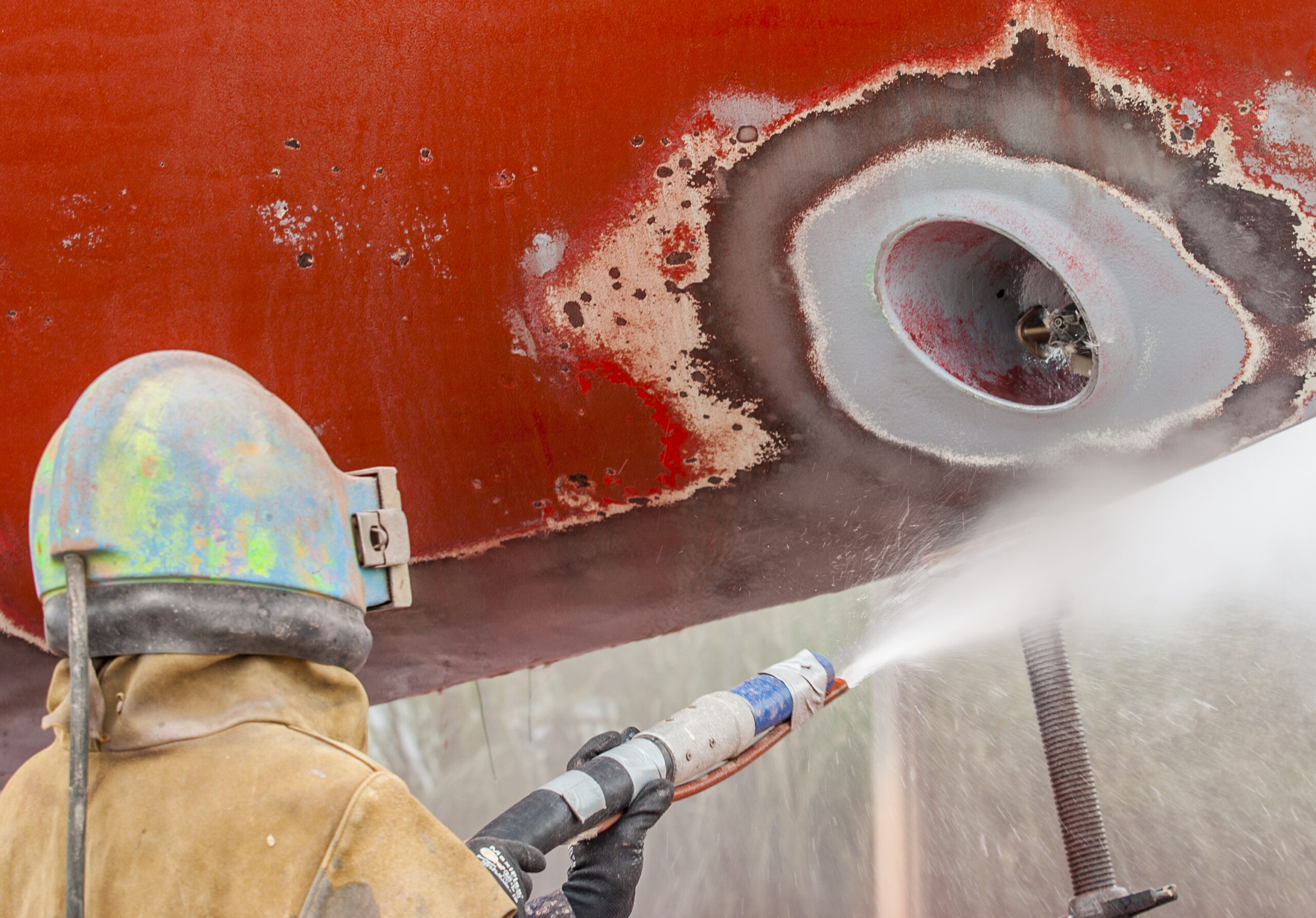
Chemical tank cleaning employs specialized solvents or neutralizing agents to break down residues that mechanical scraping or high-pressure water can’t effectively tackle. This method demands meticulous integration of neutralization and waste treatment steps. The process hinges on precise solvent chemistry and controlled reaction times, often necessitating robust ventilation, containment, and specialized personal protective equipment in compliance with OSHA confined-space regulations. Chemical cleaning is particularly potent for stubborn polymerized residues or scale, and invaluable when water use would generate problematic wastewater streams. However, it does introduce greater complexity in waste handling and regulatory oversight. Choosing chemical methods requires careful consideration of material compatibility, disposal pathways, and how neutralization will be thoroughly documented for environmental compliance.
What Are the Environmental and Safety Wins of Consistent Tank Cleaning?
Regular tank cleaning significantly lowers environmental risks by removing residues that could lead to leaks, fugitive emissions, or soil and water contamination. It also dramatically enhances safety for workers entering confined spaces, as degraded tanks present heightened hazards. Proactive cleaning slows down corrosion rates and minimizes the need for emergency interventions, which are typically more resource-intensive and environmentally damaging than planned maintenance. Scheduled cleaning also ensures more accurate sampling and inspection results, leading to timely preventative repairs instead of costly reactive replacements. These combined environmental and safety benefits create a virtuous cycle: cleaner tanks mean safer inspections and fewer regulatory headaches.
What Tank Inspection Services Are Available Locally in Birmingham, AL?
In Birmingham, you can typically find comprehensive services including AST and UST inspections, a full suite of testing (UT, MFL, liquid penetrant, vacuum box), leak detection, and integrity assessments performed by highly qualified technicians. These services often bundle equipment rental, certified inspectors, and waste-handling coordination, allowing facilities to meet both operational and regulatory goals without needing extensive in-house capabilities. When vetting providers, confirm they possess the necessary NDE tools, adhere to strict confined-space procedures, and maintain documentation practices that align with federal EPA and OSHA mandates. Understanding the typical local service offerings will clarify your selection criteria and prepare you for vendor engagement and scheduling.
How Do AST and UST Inspections Differ?
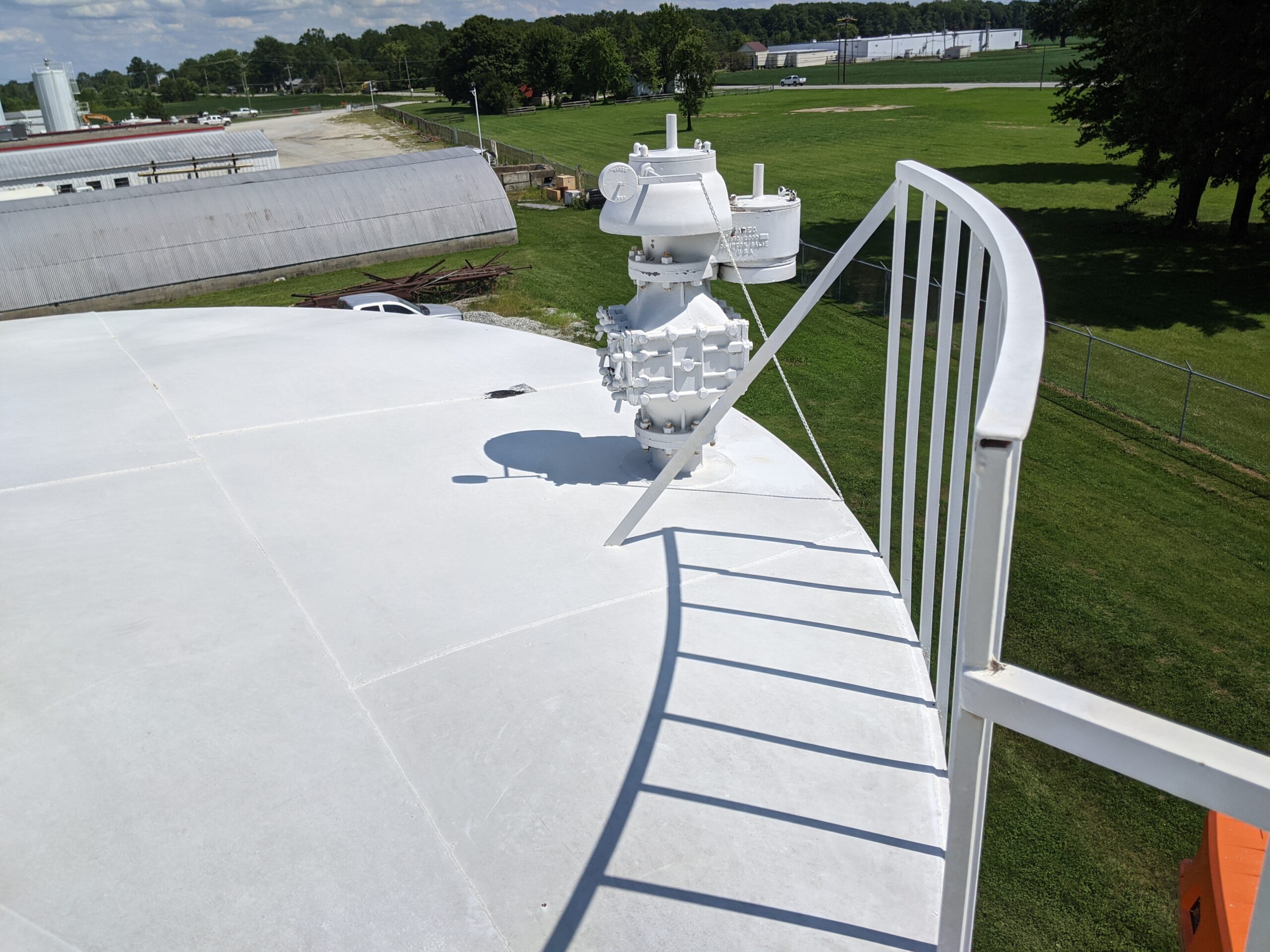
AST inspections primarily focus on external structural integrity, the condition of the roof and shell, and aboveground corrosion. UST inspections, conversely, prioritize leak detection, soil corrosion monitoring, and cathodic protection assessment, as the underground environment accelerates different failure modes. A key difference lies in access: ASTs are generally accessible for internal inspection using confined-space procedures, while USTs often require specialized leak-detection technologies and may involve excavation or external monitoring. Regulatory emphasis also diverges: UST rules concentrate on preventing subsurface releases and protecting groundwater, whereas AST oversight often centers on structural soundness and spill containment. Recognizing these distinctions helps operators select appropriate inspection scopes and tools.
How Do Birmingham’s Local Regulations Align with EPA and OSHA Standards?
Birmingham’s local practices generally adopt federal frameworks – EPA’s SPCC and UST regulations, along with OSHA’s confined-space and hazard communication standards – as foundational requirements. State and municipal authorities may introduce additional permitting, reporting, or site-specific controls. Operators should align their EPA SPCC plans for oil-handling tanks and UST notification requirements with Alabama-specific permitting touchpoints and verify municipal stormwater or discharge conditions when planning cleaning and waste management. Practical compliance steps include maintaining written SPCC or UST records, strictly following OSHA permit-required confined-space procedures, and meticulously documenting inspection and waste disposal manifests. Confirming local requirements directly with state agencies ensures a comprehensive compliance program and minimizes the risk of gaps during audits.
Once you understand the local service landscape and regulatory alignment, you can effectively evaluate Birmingham vendors for their certified NDE capabilities and robust documented confined-space programs to support your required inspections and cleaning work.
Which Chemical Tank Cleaning Techniques Offer the Best Effectiveness and Environmental Friendliness?
Achieving both effective and environmentally sound chemical tank cleaning involves a strategic selection of techniques coupled with a strong focus on waste minimization. Methods like wet hydro-jetting, dry mechanical removal, solvent-based chemical cleaning, and automated robotic cleaning each present unique trade-offs in terms of efficacy and environmental impact. Wet methods (high-pressure water) can be highly efficient but generate wastewater that requires treatment. Dry mechanical approaches minimize liquid waste but can increase airborne particulates. Robotic and automated systems often significantly reduce the need for confined-space entry and decrease water and chemical consumption, thereby enhancing safety and sustainability metrics. Evaluating these techniques based on contaminant type and tank material helps operators prioritize options that meet both cleaning objectives and environmental goals.
What Are the Advantages of Automated Robotic Cleaning Systems?
Automated robotic cleaning systems dramatically reduce the need for confined-space entries by remotely accessing internal tank surfaces to remove residues. This significantly enhances worker safety and speeds up project turnaround times. Robotic systems also ensure consistent cleaning quality across all tank components – roof, shell, and bottom – and often use less water and fewer chemicals through precise, targeted action, thereby reducing downstream wastewater treatment demands. While constraints include initial capital investment, specific access geometry requirements, and the need for trained operators, the substantial safety and environmental gains often outweigh these limitations, especially for complex or hazardous services. Considering robotic options naturally leads to evaluating qualified vendors who can provide both the equipment and the necessary waste-handling solutions.
When exploring automated cleaning, facilities should always verify that vendors can integrate robust waste capture and treatment systems to maintain environmental compliance.
How Do Wet and Dry Cleaning Methods Compare for Chemical Tanks?
Wet cleaning, frequently employing hydro-jetting with or without solvents, excels at dissolving and flushing residues but generates wastewater that requires proper treatment. Dry mechanical cleaning, on the other hand, significantly reduces liquid waste and is ideal for situations where water could create hazardous byproducts. Wet methods typically perform better on tenacious chemical films and biofouling, while dry methods minimize downstream effluent volume but produce solid waste that needs careful segregation and disposal. Operational constraints – such as tank lining compatibility, product compatibility, and available downtime windows – are critical in determining practicality, and the safety controls differ substantially between the two, particularly concerning vapor and splash hazards. Aligning the chosen method with the specific residue chemistry and available waste-handling infrastructure is paramount for sustainable cleaning outcomes.
What Sustainable Practices Are Employed in Modern Tank Cleaning?
Sustainable tank cleaning practices encompass the use of biodegradable cleaning agents, implementation of closed-loop recovery and filtration systems to recycle washwater, and meticulous waste segregation for recycling recovered product and ensuring the safe disposal of hazardous fractions. Employing filtration and solids separation technologies can reclaim valuable product and substantially reduce disposal volumes. Furthermore, low-water robotic methods can drastically cut fresh water consumption compared to traditional hydro-jetting. Quantifying these benefits – such as percentage reductions in wastewater volume or recovered product yields – helps justify investments in sustainable approaches to stakeholders. These practices not only minimize environmental footprint but often lead to reduced long-term disposal costs and a lighter regulatory burden.
Qualified vendors are increasingly offering integrated waste-handling solutions alongside cleaning services to deliver comprehensive sustainable outcomes. Facilities should prioritize engaging providers capable of product recovery and recycling.
How Often Should Industrial Tanks Be Cleaned and Inspected?
The frequency of cleaning and inspection is dictated by tank type, product characteristics, turnover rates, and historical condition. While recommended ranges vary, the guiding principle is always condition-based assessment. Routine monitoring and periodic NDE measurements inform when to escalate from simple visual checks to internal inspections or cleaning events. Implementing preventative cadences significantly reduces the likelihood of unexpected failures and typically proves more cost-effective than emergency remediation and the fines associated with environmental releases. The table below provides recommended frequency ranges and the rationale for each tank type, offering a practical guide for operators building a defensible inspection plan.
| Tank Type | Influencing Factors | Recommended Frequency (range) | Rationale |
|---|---|---|---|
| Aboveground storage tanks (AST) | Product corrosivity, age, throughput | Visual: annually; internal inspection: 3–10 years | Condition-based intervals driven by NDE findings |
| Underground storage tanks (UST) | Soil corrosivity, leak-monitoring capability | Monitoring: continuous; internal/excavation: as triggered | Prevent subsurface releases; rely on leak detection |
| Chemical process tanks | Residue chemistry, turnover, contamination risk | Clean/inspect: 1–5 years or on product changeover | High-risk chemistries and changeovers require shorter intervals |
This table serves as a valuable tool for operators to prioritize inspections based on risk and establish a practical baseline for scheduling and budget planning.
What Factors Influence Cleaning Frequency for Fuel and Chemical Tanks?
The cleaning frequency for fuel and chemical tanks is significantly influenced by product stability, turnover rate, the potential for sedimentation, corrosion history, and any regulatory or contractual requirements, such as product quality specifications. High-throughput tanks that cycle product rapidly may require less frequent cleaning for sediment buildup but more frequent surveillance for particulate contamination. Conversely, tanks storing reactive chemicals can accumulate polymerized residues, necessitating more frequent cleaning interventions. Historical inspection data and NDE results are critical inputs for developing a risk-based schedule, allowing operators to transition from fixed intervals to condition-based programs. A decision checklist that carefully weighs these factors supports defensible maintenance planning.
What Are the Risks of Neglecting Regular Tank Maintenance?
Failing to maintain your tanks significantly elevates the risk of structural failures, product contamination, regulatory fines, and expensive emergency remediation efforts that can disrupt operations and damage your reputation. Unchecked corrosion can lead to leaks or catastrophic releases. Degraded internal conditions complicate NDE and repair processes, often extending downtime and increasing repair costs. Environmental fines and cleanup obligations resulting from releases to soil or groundwater can be severe, and health and safety incidents can lead to significant liability and workforce impacts. Therefore, investing in regular cleaning and inspection is a critical risk-management strategy that preserves asset value and ensures operational continuity.
What Are the Regulatory Requirements for Tank Cleaning and Inspection in Birmingham, AL?
The regulatory landscape governing tank maintenance includes federal EPA programs like SPCC (for oil-handling facilities) and UST rules, alongside OSHA standards for confined-space entry and worker protection. Alabama state and local authorities often add specific permitting and reporting nuances. Key practical steps for compliance include maintaining written SPCC or UST plans, meticulously documenting inspection and cleaning records, and strictly adhering to OSHA permit-required confined-space procedures. Operators should ensure their inspection documentation, repair records, and waste manifests align with regulatory expectations to minimize audit risks. Mapping federal requirements to Alabama-specific touchpoints is essential for creating a cohesive compliance program for tank cleaning in Birmingham, AL.
How Do EPA and State Regulations Impact Tank Maintenance?
EPA programs such as SPCC and UST rules mandate specific spill prevention, containment, and recordkeeping measures that directly influence how operators plan cleaning, storage, and waste disposal activities. These regulations may trigger permit requirements or necessitate notification for certain operations. Operators must maintain comprehensive documentation demonstrating adherence to prevention plans, scheduled inspections, and any corrective actions taken following the detection of leaks or overfills. State agencies may impose additional layers of regulation, such as groundwater protection rules or local discharge permits, which can affect waste handling from cleaning operations. A thorough understanding of these layered requirements helps facilities design cleaning programs that satisfy both federal and Alabama-specific obligations.
What OSHA Safety Standards Apply to Tank Cleaning Operations?
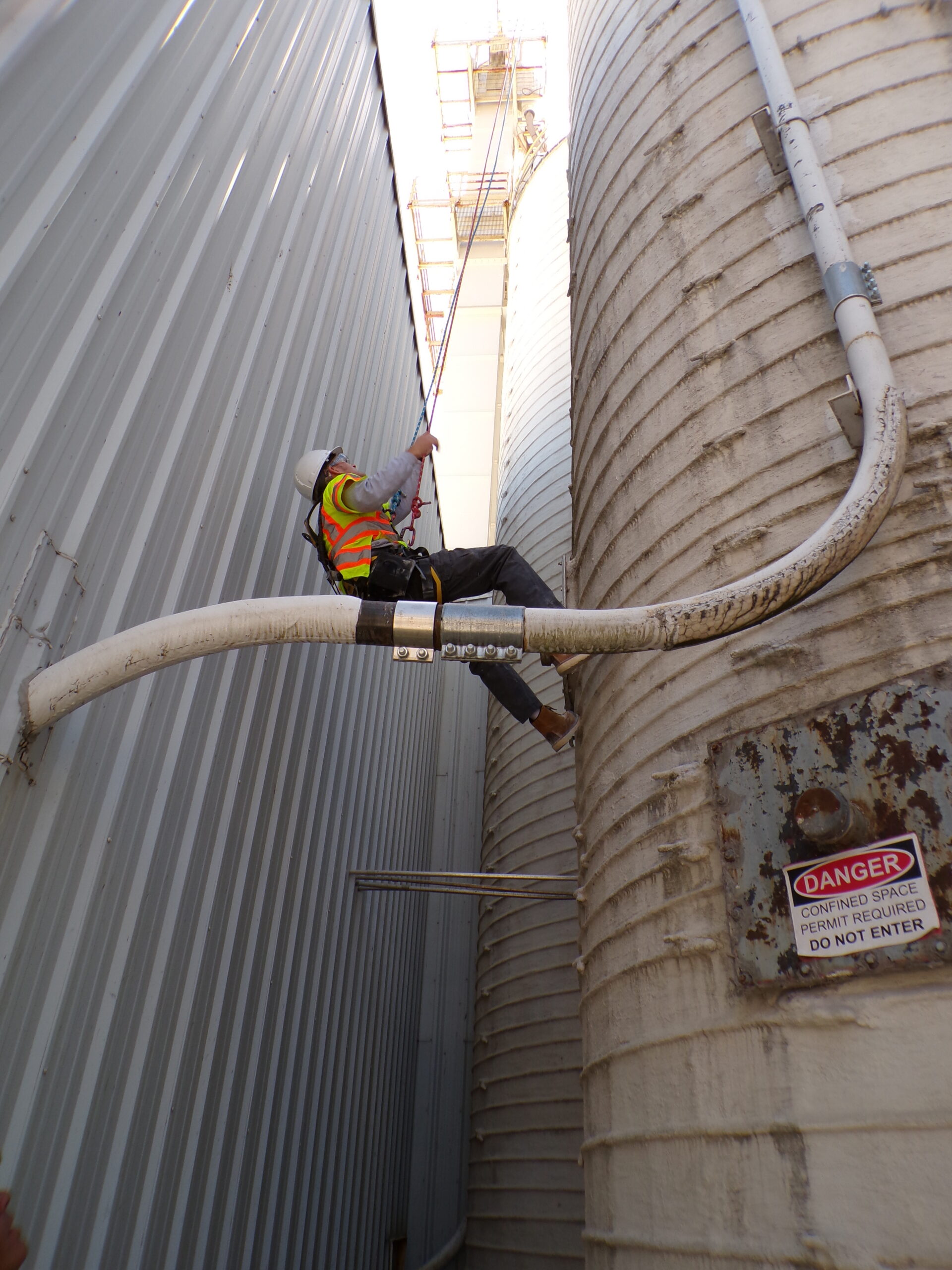
OSHA standards directly relevant to tank cleaning operations include those governing permit-required confined-space entry, respiratory protection, hazard communication, and personal protective equipment (PPE). These standards mandate air monitoring, written entry procedures, adequately trained personnel, and comprehensive rescue planning. Employers are required to implement control measures such as effective ventilation, continuous atmospheric monitoring for oxygen levels, flammable gases, and toxic vapors, and ensure workers receive thorough training in confined-space protocols and emergency response procedures. Documenting all training and entry permits is crucial for demonstrating compliance and minimizing worker risks during cleaning and inspection activities. Integrating these safety controls into the inspection planning process helps reduce delays and ensures safety during NDE and cleaning tasks.
How Can Businesses Benefit from Professional Tank Cleaning and Inspection Services in Birmingham, AL?
Engaging professional tank cleaning and inspection services delivers tangible benefits, including enhanced operational uptime, significantly reduced environmental risk, and meticulously documented compliance. Outsourcing specialized NDE and waste-handling functions also minimizes internal exposure and reduces capital expenditure. Certified teams bring invaluable experience with API 653 tank inspections and industrial tank cleaning services, ensuring that inspections are thorough and cleaning is performed in strict accordance with environmental and safety standards. When selecting a service provider, businesses should carefully compare scopes of work, confirm NDE capabilities, and evaluate waste-handling procedures to ensure all obligations under EPA and OSHA are fully met. Summarizing these key decision factors helps businesses translate their technical needs into effective procurement criteria for local services.
What Are the Cost Factors for Industrial Tank Cleaning and Inspections?
The overall cost is influenced by several key factors: tank size, its contents, the complexity of access, any hazardous classifications, the required breadth of NDE, and waste disposal logistics. Difficult access or the presence of hazardous residues will naturally increase labor and safety control expenses. Additional cost drivers include the required duration of the operational outage, the necessity for confinement and ventilation systems, and any corrective repairs identified during the inspection that extend the project scope. When comparing quotes, always request a detailed scope of work, a clear list of included NDE methods, waste-handling fees, and the specific documentation deliverables to avoid unexpected charges. Understanding these components enables more accurate budgeting and the selection of a provider that effectively balances cost, safety, and compliance.
- Tank characteristics: Size, material, and contents determine the baseline effort required.
- Access and safety requirements: Confined-space protocols and ventilation systems add to the cost.
- Inspection scope: The types of NDE employed and the depth of reporting significantly impact pricing.
- Waste handling: Disposal, neutralization, and manifest preparation contribute to the total cost.
This checklist clarifies what to expect in proposals and which line items require careful comparison.
How Do Case Studies Demonstrate Successful Tank Maintenance Projects?
Case studies are structured to clearly present the problem, the approach taken, the technologies utilized, the achieved outcomes, and the key lessons learned. This format effectively conveys measurable benefits such as reduced downtime, lower leakage rates, or significant volumes of reclaimed product. Example metrics often include the percentage reduction in wastewater generated, the number of downtime days avoided, or extended remaining life estimates derived from successive API 653 inspections. Presenting anonymized case metrics helps stakeholders evaluate the trade-offs and return on investment (ROI) for professional services, and standardized templates facilitate consistent reporting across projects. Clear, quantifiable outcomes demonstrate how specific technical choices—such as the implementation of robotic cleaning or the combination of multiple NDE modalities—translate into tangible operational and environmental gains.
What Should You Look for When Choosing a Local Tank Cleaning Service Provider?
Selecting the right provider involves verifying certifications, assessing NDE equipment availability, reviewing documented safety programs, confirming insurance coverage, checking references, and evaluating experience with relevant tank types, such as chemical tank cleaning or septic tank cleaning. It’s crucial to confirm that prospective vendors strictly adhere to OSHA confined-space requirements, can provide inspection expertise or coordinate effectively with certified inspectors, and possess well-defined plans for responsible waste handling and manifest documentation. Red flags include vague scopes of work, a lack of documented safety procedures, or missing waste disposal plans. Always insist on written procedures and verifiable references to confirm capability. A clear vetting checklist empowers confident procurement aligned with your operational and compliance needs.
- Must-have: A documented confined-space program and proven NDE capability.
- Operational: A detailed equipment list, a comprehensive waste-handling plan, and strong outage coordination skills.
- Commercial: Adequate insurance, solid references, and a detailed written scope of work.
When engaging local services in Birmingham, AL, consider reputable regional providers and confirm their ability to support tank inspections and industrial or septic tank cleaning services as required.
Note on local availability: Certified inspection and NDE services, alongside professional tank cleaning, are readily available in the Birmingham market. Examples of local service providers include Genesis Environmental Solutions, Meeks Environmental Services, Asimpa Clean, Wayne Pickle Septic Tank and Plumbing, and Alabama Pumper LLC. These local vendors can serve as excellent starting points when sourcing professional tank cleaning and inspection resources. Facilities should always verify each provider’s certifications, NDE equipment, and waste-handling approaches before engagement.
This integration of local business information highlights how qualified local providers can expertly execute complex projects while operators maintain essential oversight and compliance documentation.