Assessing Your Cleaning Needs: Comprehensive Guide to Commercial Cleaning Assessment and Quality Control
Determining and quantifying facility cleanliness starts with a commercial cleaning assessment that defines existing protocols, identifies performance gaps, and enhances hygiene standards through systematic evaluation. Facility managers and business owners rely on targeted cleaning audits to improve occupant safety, ensure regulatory compliance, and optimize cleaning efficiency. In this guide, you will discover what a cleaning assessment involves, the step-by-step audit process, essential hygiene checklist components, methods for evaluating janitorial performance, industry-specific compliance requirements, technology-driven quality control tools, and criteria for choosing the right cleaning partner. MidAmerica Service Solutions provides expert Cleaning Audit and Assessment Services designed to deliver data-driven insights, actionable recommendations, and lasting improvements in facility cleanliness.
What Is a Commercial Cleaning Assessment and Why Is It Important?
A commercial cleaning assessment is a structured evaluation of a facility’s housekeeping procedures that measures hygiene effectiveness, safety compliance, and operational efficiency. By examining cleaning frequency, methods, and materials, this assessment identifies areas for improvement and reduces health risks. For example, a retail center that implemented a bi-weekly audit saw surface contamination rates drop by 40 percent, boosting customer confidence and staff well-being. Defining this concept lays the groundwork for exploring its core elements in detail.
What Does a Cleaning Audit Involve?
A cleaning audit involves inspecting defined areas against established standards, sampling for microbial presence, and verifying that cleaning procedures align with documented protocols.
- Visual inspections confirm surface cleanliness and adherence to checklists.
- Microbial swabs measure hygiene efficacy on high-touch zones.
- Documentation reviews compare actual practices with standard operating procedures.
This combination of methods provides a holistic view of cleaning performance and sets the stage for understanding how assessments improve safety and compliance.
How Does Assessing Cleaning Needs Improve Hygiene and Safety?
Assessing cleaning needs enhances hygiene by identifying untreated surfaces and overlooked zones, which reduces microbial load and infection risks. Regular audits uncover procedural lapses—such as incorrect disinfectant dwell times—that can compromise occupant health, and corrective actions promote consistent sanitation. This focus on safety paves the way to quantifying benefits and cost savings through targeted hygiene improvements.
What Are the Key Benefits of Regular Cleaning Assessments?
Introducing a regular cleaning assessment delivers three primary advantages:
- Enhanced Health Outcomes – Reduced microbial contamination lowers illness rates and absenteeism.
- Cost Efficiency Gains – Identifying inefficient processes enables resource optimization and labor savings.
- Regulatory Assurance – Documented audits prove compliance with industry regulations and accreditation requirements.
These benefits reinforce why continuous evaluation is essential before examining regulatory compliance support.
How Does a Cleaning Assessment Support Regulatory Compliance?
A cleaning assessment ensures facilities meet local and industry-specific standards—such as NHS guidelines or ISO 14644 for cleanrooms—by mapping actual practices to benchmark criteria. This process generates audit reports that demonstrate adherence, which can prevent penalties and maintain licensing. With compliance verified, facility managers can confidently allocate resources toward ongoing quality control measures.
How to Conduct a Facility Cleaning Audit: Step-by-Step Process and Best Practices
A facility cleaning audit is a methodical procedure combining defined standards, detailed checklists, and performance measurement to improve housekeeping quality. Conducting this audit promotes consistent cleaning efficacy, reduces safety hazards, and provides clear improvement pathways. For instance, using a tiered checklist in a corporate office led to a 25 percent reduction in missed high-touch spots within two audit cycles. Understanding this framework guides the subsequent steps in defining scope, checklist creation, inspection methods, and action planning.
How Do You Define Cleaning Standards and Audit Scope?
Defining cleaning standards involves selecting benchmarks—such as surface cleanliness levels, disinfectant contact times, and frequency of service—that match the facility’s usage and risk profile. Establish the audit scope by identifying zones (restrooms, break rooms, production lines), specifying performance thresholds, and aligning standards with regulatory documents. Clear scope definition ensures targeted inspections and measurable results, guiding the creation of an effective audit checklist.
What Should Be Included in a Cleaning Audit Checklist?
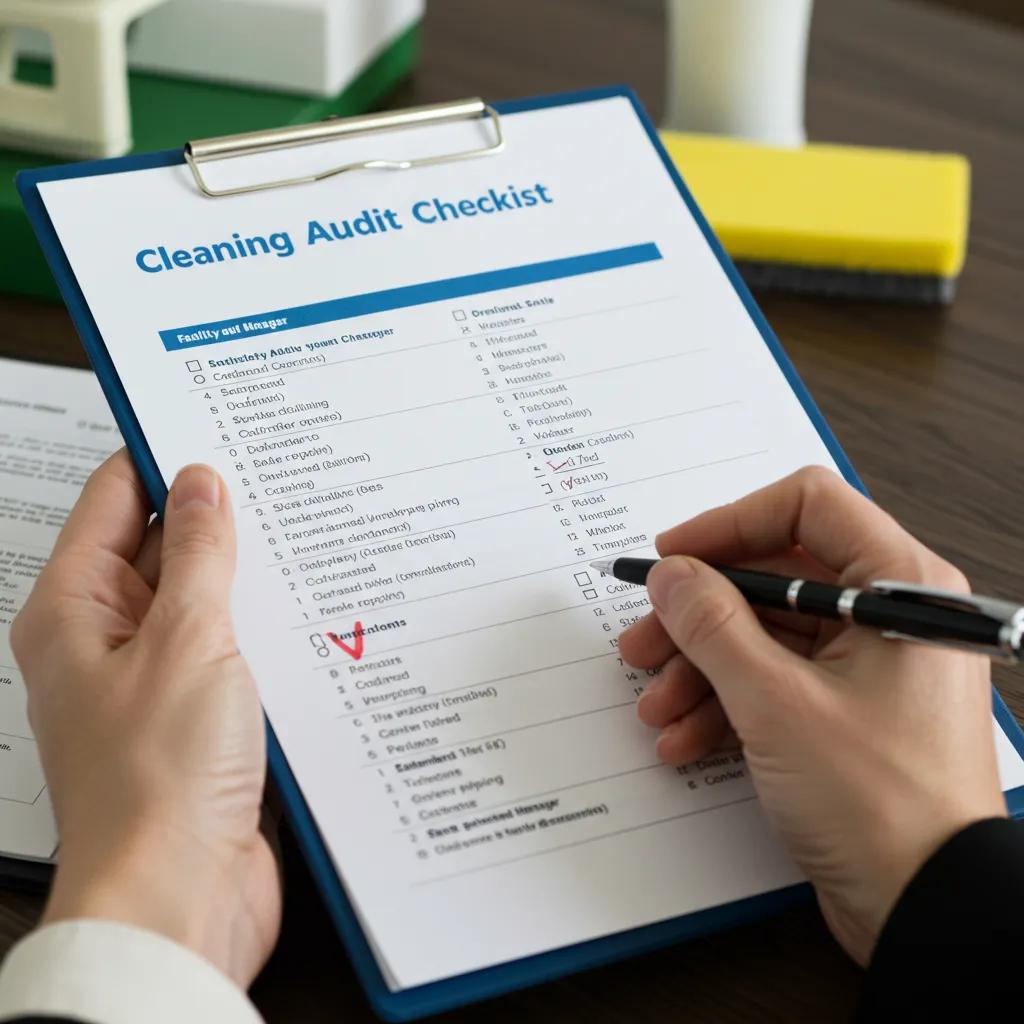
The cleaning audit checklist must cover critical areas, tasks, frequencies, and acceptable criteria to provide an objective inspection framework.
- Surface Category Identification – List high-touch, low-touch, and specialty surfaces.
- Task Frequency – Specify daily, weekly, and monthly cleaning cycles.
- Performance Criteria – Define acceptable residue levels and visual standards.
- Verification Methods – Include visual inspection, ATP testing, and swab sampling points.
This comprehensive checklist ensures consistent audits and facilitates clear reporting of findings before detailing inspection methodologies.
How Are Cleaning Audits Performed: Walkthroughs, Visual Inspections, and Sampling?
| Inspection Method | Focus Area | Outcome |
|---|---|---|
| Walkthrough | Overall facility flow | Identifies procedural gaps in routines |
| Visual Inspection | Surface cleanliness | Verifies absence of visible residues |
| Sampling (ATP/Swabs) | Microbial and organic residues | Measures hygiene efficacy quantitatively |
Integrating these methods provides a multi-layered evaluation of cleaning quality and informs corrective actions.
How Do You Document Findings and Develop an Action Plan?
Document audit findings by recording observations, test results, and deviations from standards in a structured report. Using a table schema for audit results—listing locations, deficiencies, and required corrective actions—ensures clarity. An action plan assigns responsibilities, sets deadlines, and tracks remediation progress, which drives continuous improvement and facilitates follow-up audits.
What Are the Essential Components of a Hygiene Audit Checklist?
A hygiene audit checklist defines inspection criteria, sampling points, and performance thresholds to verify sanitation standards in commercial facilities. By listing required tasks, frequency, and acceptable limits, it ensures consistency and repeatability of audits. For example, a hospitality venue using this checklist saw a 30 percent decrease in customer complaints related to cleanliness. With these components in focus, we can examine specific hygiene standards crucial for facility safety.
Which Hygiene Standards Are Critical for Commercial Facilities?
Key hygiene standards include microbial reduction targets for restrooms and food service areas, slip-resistance requirements in wet zones, and proper chemical dilution ratios for disinfectants. Adhering to British Institute of Cleaning Science benchmarks or local health code thresholds ensures occupant safety and reduces liability. Clear definitions of these standards support effective checklist development.
How to Assess High-Traffic and High-Risk Areas Effectively?
High-traffic zones require focused inspection to prevent contamination spread.
- Identify Peak Usage Times – Schedule audits during or immediately after peak occupancy.
- Prioritize High-Touch Surfaces – Include door handles, lift buttons, and communal equipment.
- Use Rapid ATP Testing – Validate cleaning efficacy on-site within minutes.
Focusing on these areas ensures critical risk points are maintained at required hygiene levels and prepares for selecting quality control tools.
What Tools and Metrics Are Used for Cleaning Quality Control?
| Tool | Metric | Impact |
|---|---|---|
| ATP Bioluminescence Meter | Relative Light Units (RLU) | Quantifies organic residue on surfaces |
| Digital Audit App | Completion Percentage | Tracks task fulfillment in real time |
| Microscopic Swab Analysis | Colony-forming Units (CFU) | Measures microbial load post-cleaning |
Implementing these tools enhances accountability and promotes data-driven cleaning performance before considering audit frequency.
How Often Should Hygiene Audits Be Conducted?
Hygiene audit frequency should reflect risk and traffic levels: restrooms and kitchens merit weekly reviews, office areas monthly assessments, and full facility audits quarterly. Higher-risk environments, such as food processing or healthcare spaces, may require daily spot checks and monthly comprehensive hygiene audits. Aligning audit frequency with risk profiles sustains consistent standards and supports ongoing quality control.
How to Evaluate Janitorial Service Performance for Optimal Cleaning Quality
Evaluating janitorial performance entails measuring service delivery against defined KPIs, feedback mechanisms, and inspection scores to ensure cleaning services meet organizational standards. This evaluation improves contractor accountability, enhances staff training, and drives quality improvements. For example, linking audit scores to performance reviews led to a 15 percent boost in cleaning efficiency at a corporate campus. Understanding performance metrics then guides effective complaint management and inspection systems.
What Key Performance Indicators (KPIs) Measure Janitorial Effectiveness?
Effective KPIs for janitorial services include:
- Inspection Pass Rate – Percentage of areas meeting quality criteria on first audit.
- Response Time – Interval between issue reporting and resolution.
- Task Completion Rate – Proportion of scheduled tasks performed on time.
Tracking these metrics incentivizes high performance and drives staff accountability before integrating feedback systems.
How Does Complaint Management and Feedback Improve Service?
An organized complaint management system captures user concerns, categorizes issues, and triggers follow-up audits to resolve problems promptly. Aggregating feedback data highlights recurring issues—such as missed spots or late service—prompting targeted training and process adjustments. This responsive approach enhances user satisfaction and informs continuous service refinement.
Why Is Staff Training Important for Janitorial Quality?
Staff training aligns cleaning personnel with audit standards, chemical safety protocols, and equipment usage best practices. Comprehensive induction and periodic refresher courses ensure adherence to evolving hygiene guidelines and reduce performance variability. Empowered and knowledgeable teams deliver consistent cleaning quality, strengthening overall facility hygiene.
How Are Regular Inspections and Scoring Systems Implemented?
Regular inspections use a scoring system—such as a 1–5 rating scale per checklist item—to quantify cleaning quality and identify trends over time. Inspectors complete digital forms that automatically calculate average scores and generate performance dashboards. This scoring system provides transparent monitoring, incentivizes continuous improvement, and links directly to service contracts.
What Are Industry-Specific Cleaning Audit Checklists and Compliance Requirements?
Industry-specific audit checklists tailor inspection criteria to unique facility needs, ensuring compliance with sector regulations and best practices. By focusing on manufacturing, healthcare, food processing, or cleanroom environments, these checklists drive targeted hygiene protocols. For instance, implementing a GMP-based audit in a pharmaceutical plant reduced contamination events by 20 percent. With these industry nuances in mind, we can explore each sector’s specialized requirements.
What Are the Unique Cleaning Needs of Manufacturing Facilities?
Manufacturing environments demand regular removal of dust, oil residues, and particulate matter to prevent equipment malfunction and product contamination. Checklists include conveyor belt cleaning, machine guard sanitation, and floor spill management. Adhering to ISO 45001 safety standards ensures both operational efficiency and worker protection.
How Do Healthcare Cleaning Audits Meet NHS and HIQA Standards?
Healthcare audits align cleaning protocols with NHS guidance on infection prevention and HIQA regulations for clinical environments. Checklists cover bay-to-bay disinfection, terminal cleaning of patient rooms, and sterilization of medical equipment. Compliance documentation supports accreditation and minimizes healthcare-associated infections.
What Are Food Processing Plant Hygiene Audit Protocols?
Food processing audits follow HACCP principles and local food safety regulations to control biological, chemical, and physical hazards. Checklists specify allergen segregation, equipment CIP cycles, and temperature control monitoring. Rigorous sampling and record-keeping demonstrate compliance with food safety authorities.
How Are Cleanroom Cleaning Protocols Aligned with ISO 14644?
Cleanroom audits use ISO 14644 classifications to define particulate limits, air change rates, and surface cleaning frequencies. Checklists include gowning procedures, HEPA filter maintenance, and particle count verification. Meeting these protocols ensures controlled environments for sensitive manufacturing and research activities.
How Can Technology Enhance Cleaning Assessments and Quality Control?
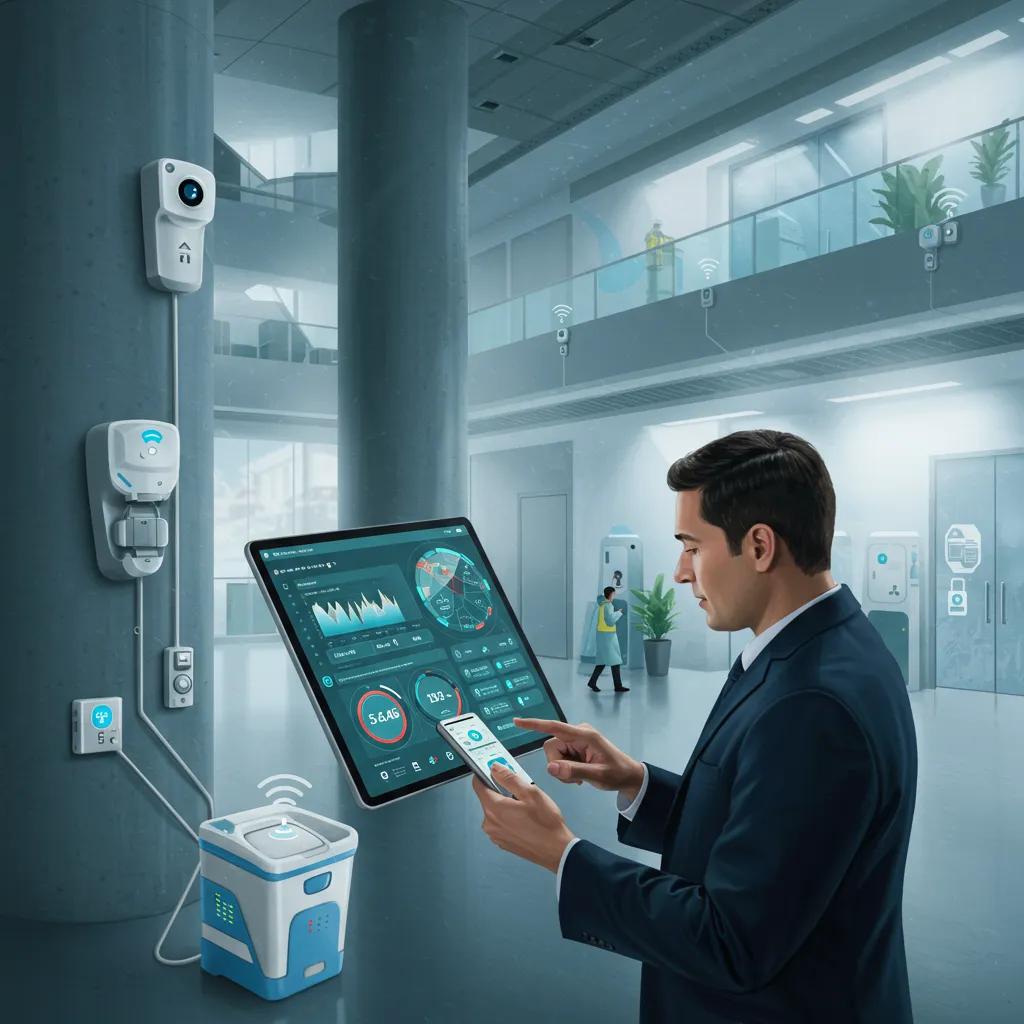
Integrating technology into cleaning assessments elevates audit accuracy, real-time monitoring, and data analytics—enabling actionable insights and continuous performance optimization. Digital audit platforms improve checklist consistency, IoT sensors deliver live cleanliness metrics, and analytics dashboards visualize trends for informed decision-making. Leveraging these innovations establishes a foundation for smarter facility management and predictive cleaning strategies.
What Cleaning Audit Software and Mobile Apps Are Available?
Leading digital solutions offer audit modules, mobile data capture, and automated reporting.
- AuditPro Mobile provides offline checklist completion and photo evidence.
- CleanTrack integrates task scheduling with performance dashboards.
- HygieneSmart syncs with IoT devices for live contamination alerts.
These applications streamline audit workflows and enhance accountability before exploring real-time monitoring technologies.
How Does IoT Enable Real-Time Cleaning Monitoring?
IoT sensors installed in restrooms and high-touch zones detect usage patterns, moisture levels, and microbial indicators, transmitting data to a central platform. Facility managers receive instant alerts when cleanliness thresholds are breached, enabling prompt cleaning interventions. Real-time monitoring promotes proactive hygiene management and reduces reactive cleaning costs.
What Is ATP Testing and How Does It Measure Cleaning Efficacy?
ATP (adenosine triphosphate) testing quantifies residual organic material by measuring light output in relative light units (RLU) following a swab. Lower RLU readings indicate higher cleaning efficacy. Deploying ATP meters during audits provides immediate feedback on sanitation performance and guides corrective actions.
How Do Data Analytics Improve Cleaning Performance?
Data analytics aggregate audit scores, ATP results, and complaint logs to identify trends, high-risk areas, and seasonality patterns. Visual dashboards highlight recurring deficiencies and project resource needs, enabling data-driven schedule adjustments. Analytics-backed decisions drive continuous improvement and maximize cleaning ROI.
How to Choose the Right Cleaning Partner for Your Facility Needs?
Selecting a cleaning partner involves evaluating expertise, service capabilities, sustainability credentials, and communication processes to ensure alignment with facility goals. A qualified provider delivers consistent audit reports, invests in staff training, and integrates technology for quality assurance. By asking the right questions and assessing credentials, organizations secure reliable cleaning services that support long-term facility hygiene and operational success.
What Questions Should You Ask Potential Cleaning Providers?
Before engaging a cleaning partner, confirm:
- What industry standards do you follow? – Verify regulatory and best-practice alignment.
- Can you share sample audit reports? – Assess reporting clarity and actionable insights.
- What training programs do staff undergo? – Ensure ongoing skill development.
- How do you integrate technology? – Evaluate digital tools for quality control.
These questions reveal service depth and drive informed partner selection.
Why Is Experience and Specialization Important in Cleaning Services?
Providers with sector-specific expertise understand unique contamination risks, regulatory demands, and cleaning protocols—minimizing onboarding time and maximizing performance. Specialized teams deliver tailored audit checklists and corrective action plans, ensuring efficient, compliant cleaning operations from day one.
How Do Green Cleaning Credentials Impact Your Cleaning Assessment?
Eco-friendly certifications—such as FSC chemical approvals or ISO 14001 environmental management—demonstrate a commitment to sustainable practices. Green credentials ensure cleaning products and methods reduce environmental impact, support occupant health, and align with corporate sustainability objectives.
What Communication and Reporting Capabilities Should You Expect?
Transparent communication channels, regular audit debriefs, and digital report access are fundamental to service transparency. Providers should offer online dashboards, mobile notifications, and scheduled review meetings to discuss findings, action plan progress, and emerging facility needs. This level of engagement fosters trust and sustained cleaning excellence.
Contact MidAmerica Service Solutions to schedule a comprehensive cleaning audit and discover how data-driven assessments can transform your facility’s hygiene, compliance, and operational efficiency.
Occupant well-being and regulatory compliance hinge on systematic cleaning assessments, actionable insights, and reliable service partnerships. Applying the strategies outlined in this guide ensures your facility meets exacting cleanliness benchmarks, reduces health risks, and maintains a professional image. Continuous audits, technology integration, and transparent reporting forge a path to optimal cleaning quality and sustained operational success.