Industrial Painting Contractors: Comprehensive Industrial Coating Solutions and Specialized Services
Industrial painting contractors specialize in protective coating systems that extend asset life, prevent corrosion, and meet strict regulatory and safety requirements across manufacturing, energy, food, and infrastructure sectors. This article explains who industrial painting contractors are, the full scope of industrial coating services they provide, how coating systems are selected and applied, and the compliance and safety frameworks that govern work in 2025. Many facility managers face recurring corrosion, frequent rework, or unplanned downtime because coatings were mismatched to operating conditions or surface preparation was inadequate; this guide offers practical, specification-level guidance to reduce those risks. You will learn core services and specialized offerings, a technical comparison of epoxy, urethane, zinc-rich and intumescent systems, a step-by-step process workflow with quality checkpoints, and industry-specific recommendations for manufacturing, oil & gas, and food processing environments. Throughout, the article uses semantic insights—coating properties, surface-prep meronyms, and standards like AMPP and SSPC—to help you make evidence-based procurement and QA decisions. Read on for concrete tables, checklists, and actionable steps to evaluate contractors and write stronger specifications.
What Are Mid America Service Solutions’ Core Industrial Painting Services?
Mid America Service Solutions delivers protective coatings and surface treatment services to extend service life and control corrosion; combining specification development, surface preparation, coating application, and inspection to meet performance targets. This integrated approach ensures that the selected coating chemistry, substrate preparation, and inspection regime align with operational requirements, which reduces failures and lifecycle costs. Contractors operate as technical service providers and often support clients with site surveys, specification writing, and post-installation maintenance plans that become part of asset management programs. Understanding this role clarifies why selecting the right contractor matters for both immediate performance and long-term total cost of ownership.
What Industrial Painting and Coating Services Do Contractors Provide?
Industrial painting contractors typically provide a portfolio of services tailored to substrate type and exposure conditions, including floors, tanks, structural steel, and specialized equipment linings. These services start with a site survey and specification, and proceed through surface preparation, priming, topcoats, and final QA documentation. Common deliverables include project specifications, dry film thickness (DFT) targets, inspection reports, and maintenance schedules. The next section explains why surface preparation is the most critical factor influencing coating performance and how contractors verify readiness before application.
- Core service categories commonly include surface preparation, abrasive blasting, primer and topcoat application, tank and vessel lining, and industrial floor systems.
- Contractors also provide specification writing, on-site testing, and long-term maintenance programs to support lifecycle planning.
- Typical project documentation delivered by contractors includes inspection logs, DFT records, and warranty or maintenance recommendations.
These service categories form the backbone of a project plan and feed directly into surface-preparation protocols discussed next.
How Do Industrial Painting Contractors Ensure Surface Preparation and Quality?
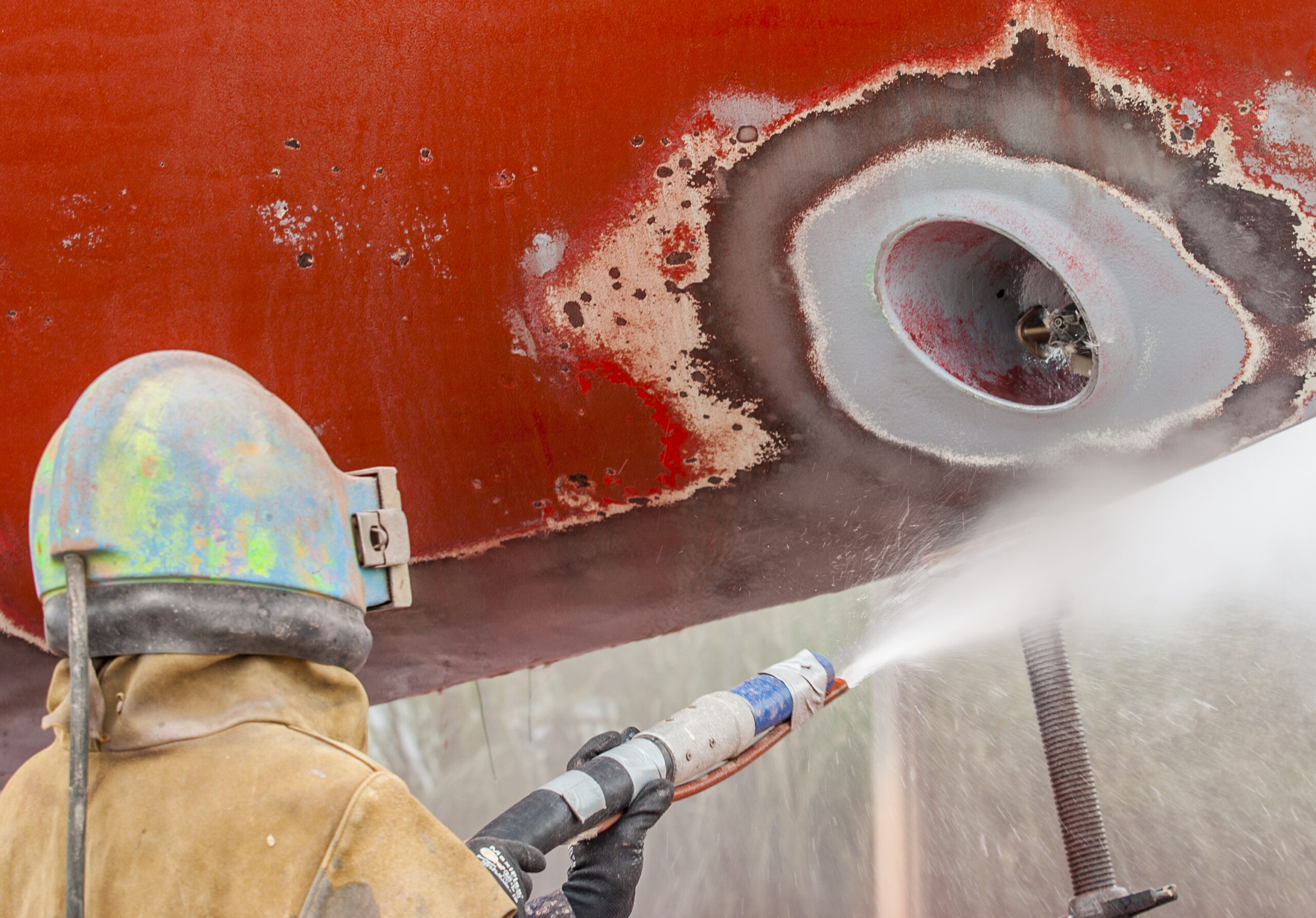
Surface preparation is the meronym of successful coating systems: cleaning, profile creation, and contamination removal are performed to assure adhesion and long-term performance. Contractors use methods such as pressure washing, solvent cleaning, and abrasive blasting to reach the specified ISO/SSPC surface cleanliness and profile; they then verify conditions with visual comparison standards, profile gauges, and soluble salt tests. Adhesion testing and holiday detection are performed both pre- and post-application to confirm the substrate and coating meet the specification. Proper preparation lowers corrosion risk and reduces the frequency of recoat cycles, which directly impacts lifecycle costs and operational reliability.
What Specialized Industrial Painting Services Are Available?
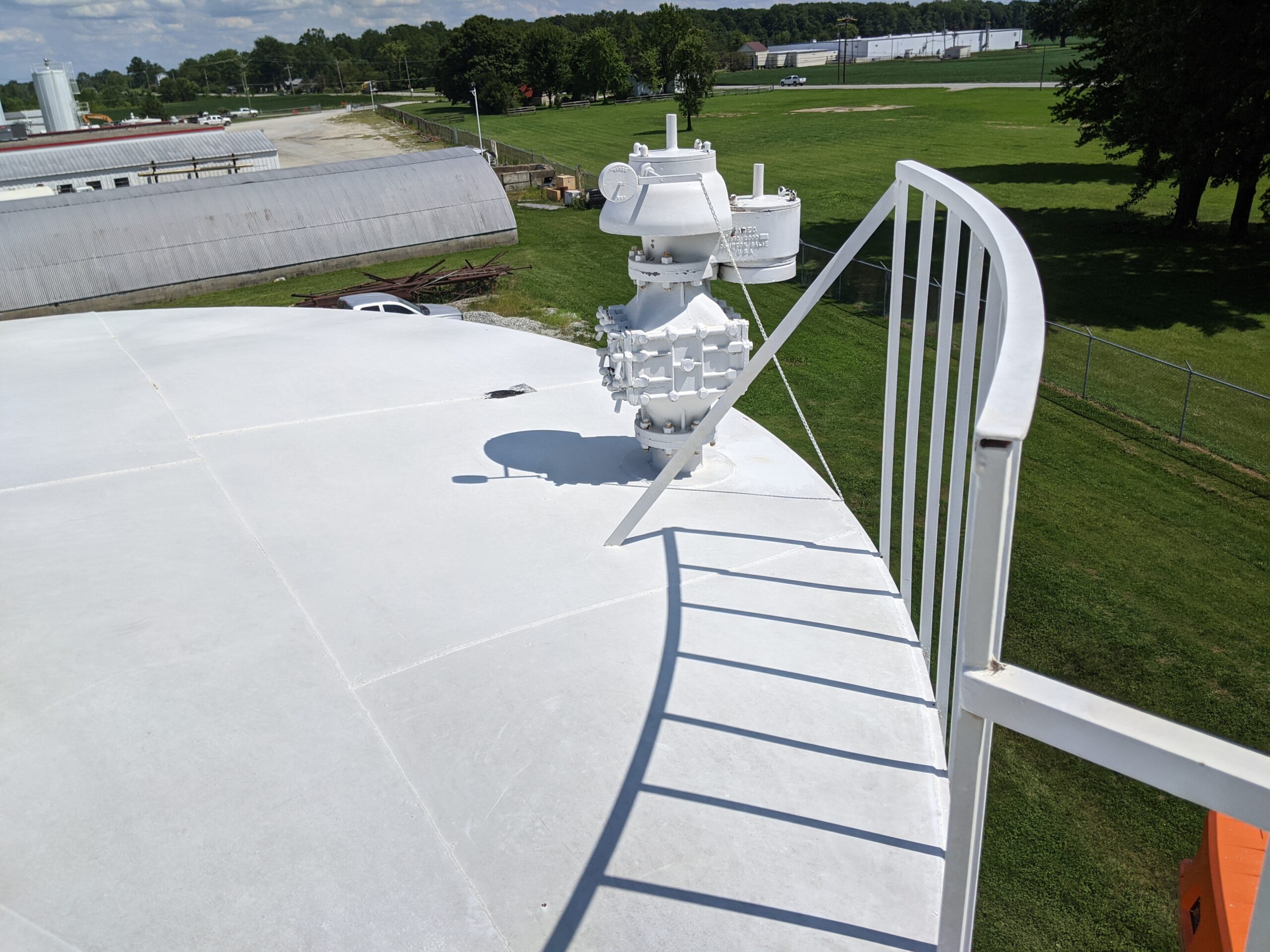
Specialized services include intumescent fireproofing for structural steel, chemical-resistant linings for secondary containment, food-grade hygienic coatings, and marine-grade systems for atmospheric and splash-zone exposure. Each specialized system requires tailored application methods, curing regimes, and documentation to satisfy regulatory or industry-specific standards. Contractors offering these services typically maintain specialized equipment and trained applicators, and they document compliance with relevant standards and client performance tests. The following section classifies the major coating families and their best-fit applications to help match system choice to environment.
What Types of Protective Industrial Coatings Are Used in Commercial and Industrial Settings?
Protective coatings fall into distinct families—epoxy, urethane (polyurethane), zinc-rich primers, intumescent fireproofing, and waterborne/low-VOC systems—each providing specific mechanisms of protection such as barrier resistance, sacrificial corrosion control, or fire insulation. Matching a coating’s primary attributes to exposure (chemical, abrasion, UV, temperature) reduces failure modes and informs proper specification.
How Do Epoxy and Urethane Coatings Protect Industrial Surfaces?
Epoxy coatings protect substrates primarily through barrier formation and strong chemical adhesion, creating a continuous film that resists solvents, oils, and abrasion. Two-part epoxies cure via crosslinking reactions that yield high dry film thickness and long-term chemical resistance, making them ideal for floors and containment systems. Urethane topcoats offer greater UV stability and flexibility, so they are often specified as a topcoat over epoxies for exterior durability. Understanding these mechanisms helps specifiers combine primer/topcoat systems to balance chemical resistance and environmental resilience.
What Are Zinc-Rich and Intumescent Coatings Used For?
Zinc-rich primers function as sacrificial anodes on steel—zinc corrodes preferentially to protect the steel substrate—making them a primary corrosion-control measure for new structural steel. Intumescent coatings, by contrast, expand under heat to form an insulating char layer, delaying temperature rise in steel and meeting passive fire-protection requirements in many building and industrial applications. Both systems are typically specified with performance targets (e.g., hours of fire resistance, millivolt criteria for zinc) and require strict thickness and application-control documentation. Selecting between them depends on whether corrosion control or fire rating is the dominant requirement.
Zinc-Rich Coatings: Sacrificial and Barrier Protection Mechanisms
The findings indicate that the protective mechanism of zinc-rich coatings may not be a simple sequential process of sacrificial action followed by barrier action. Instead, an iterative interplay between these two mechanisms appears to be present. While at very short timescales, prior to the deposition of zinc corrosion products within a scratch, sacrificial action is the sole protective mechanism, once corrosion products begin to form, a conjunction of both protective actions occurs, with one mechanism dominating intermittently.
Why Are Low-VOC and Eco-Friendly Coatings Important?
Low-VOC and waterborne coatings address both regulatory drivers and worker health concerns by reducing solvent emissions and potential hazardous waste. Recent trends in 2025 show increased adoption of waterborne formulations in indoor and urban environments where EPA and state VOC limits constrain solvent-based options. While some waterborne systems may require different surface-prep or longer cure windows, their improved environmental profile often outweighs trade-offs for indoor or populated-site applications. Choosing an eco-friendly option requires balancing performance needs—chemical resistance, abrasion—with regulatory compliance and site safety.
How Does the Industrial Painting Process Work from Start to Finish?
A robust industrial painting process begins with inspection and specification, continues through controlled surface preparation and application, and concludes with curing, inspection, and documented handover; this lifecycle ensures performance and traceability. The process sequence aligns coating chemistry, environmental controls, and QA methods to meet desired service life outcomes. Clear process checkpoints reduce surprises and provide measurable acceptance criteria for each phase, which is essential for procurement and warranty activation. The table below breaks down each process step with typical methods and QA outcomes.
A step-by-step workflow clarifies responsibilities and quality gates for owners and contractors.
| Process Step | Typical Methods / Tools | Outcome / QA Check |
|---|---|---|
| Assessment & Specification | Site survey, exposure analysis, specification writing | Written spec with DFT, surface profile, and materials list |
| Surface Preparation | Pressure washing, abrasive blasting, chemical cleaning | Profile gauge, soluble salt test, visual cleanliness |
| Priming | Zinc-rich primers or epoxy primers | Adhesion test and initial DFT measurement |
| Topcoat Application | Airless spray, plural systems, brush/roll for touch-up | Final DFT sweep and visual uniformity check |
| Curing & Inspection | Ambient control, heat curing if required | Holiday detection, adhesion testing, inspection report |
This process table demonstrates how each phase produces measurable QA outputs that tie to acceptance criteria and warranty. The following subsections describe key surface-prep steps, application methods, and QC practices.
What Are the Key Steps in Surface Preparation for Industrial Painting?
Surface preparation removes contaminants and creates a profile for adhesion; it is essential because coatings adhere to substrate topology and cleanliness rather than to contaminants. Typical steps include degreasing, mechanical or abrasive blasting to an ISO/SSPC cleanliness level, and verification through profile gauges and soluble salt testing. Contractors also monitor ambient conditions—temperature, humidity, dew point—to avoid condensation and adhesion failures during application. Proper surface preparation reduces coating failure risk and extends intervals between maintenance recoats.
Which Application Methods Do Contractors Use?
Contractors use several application methods—airless spray for thick, fast coatings; plural-component spray for two-part chemistries; HVLP and conventional spray for smaller work; and brush/roll for touch-up and edges. Electrostatic application is used for specific equipment coating to improve transfer efficiency and reduce overspray. Selection balances transfer efficiency, achievable film thickness, environmental containment, and worker safety controls. The next section details how these methods are verified through inspection and testing.
How Is Quality Control Maintained During and After Coating?
Quality control combines in-process tests and final acceptance inspections: DFT measurements, holiday testing, adhesion tests, and photographic documentation are routine. Inspectors follow documented procedures tied to the project specification and record results in inspection reports that owners can audit. Routine maintenance plans with scheduled inspections help detect coating degradation early and plan recoating work to avoid emergency repairs. Consistent QC documentation is the backbone of warranty claims and lifecycle cost tracking.
What Safety and Compliance Standards Govern Industrial Painting Contractors?
Industrial painting projects operate within frameworks set by OSHA for worker safety, EPA for environmental controls (including VOC management), and consensus bodies like NACE/AMPP and SSPC for coating and inspection standards. Compliance requires permit management, hazardous waste handling, and documented training and PPE programs. Contractors who integrate regulatory requirements into project planning reduce risk and improve predictability for owners. The following subsections provide specifics on regulatory impacts, PPE, and hazardous material handling.
How Do OSHA and EPA Regulations Impact Industrial Painting?
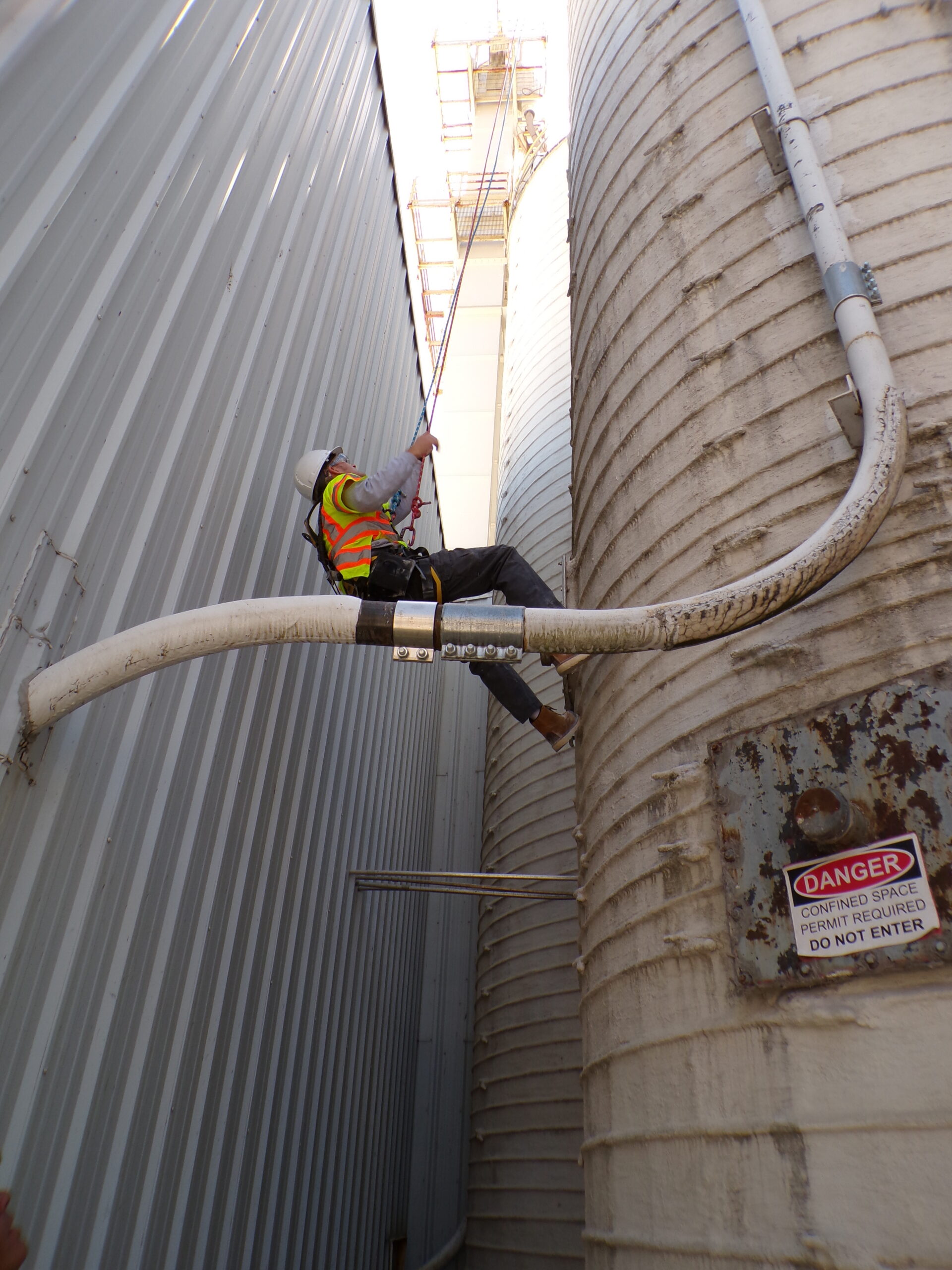
OSHA standards govern worker exposure limits, respiratory protection, confined-space entry, and fall protection—requiring site-specific safety plans and training. EPA rules address emissions, VOC limits, and hazardous waste disposal, which influence coating choices, containment, and on-site handling of wastes and solvents. Contractors must incorporate these requirements into specifications and methodologies to avoid citations and ensure environmental compliance. Effective planning aligns coating chemistry and application methods with regulatory constraints.
How Are Lead Abatement and Hazardous Material Handling Managed?
Lead, asbestos, and other hazardous materials require pre-work testing, containment, licensed abatement procedures, and controlled disposal. Contractors follow regulated abatement workflows: testing, notification, containment, removal by licensed personnel, and waste transport under regulatory manifesting. Documentation of testing and disposal is essential for owner records and regulatory compliance. Testing before work prevents scope creep and protects workers and building occupants from unanticipated hazards.
What Are the Benefits of Hiring Professional Industrial Painting Contractors?
Professional contractors bring technical specification expertise, controlled application methods, and QA regimes that together increase asset life, reduce maintenance costs, and minimize operational disruption. They match coating chemistries to exposure, manage environmental and safety controls, and provide the inspection documentation necessary for warranties and lifecycle planning. For owners, the right contractor reduces total cost of ownership through fewer failures, fewer shutdowns, and predictable maintenance windows. The following subsection quantifies how coatings deliver durability and how contractor services reduce downtime and meet industry-specific needs.
How Do Industrial Coatings Improve Durability and Corrosion Resistance?
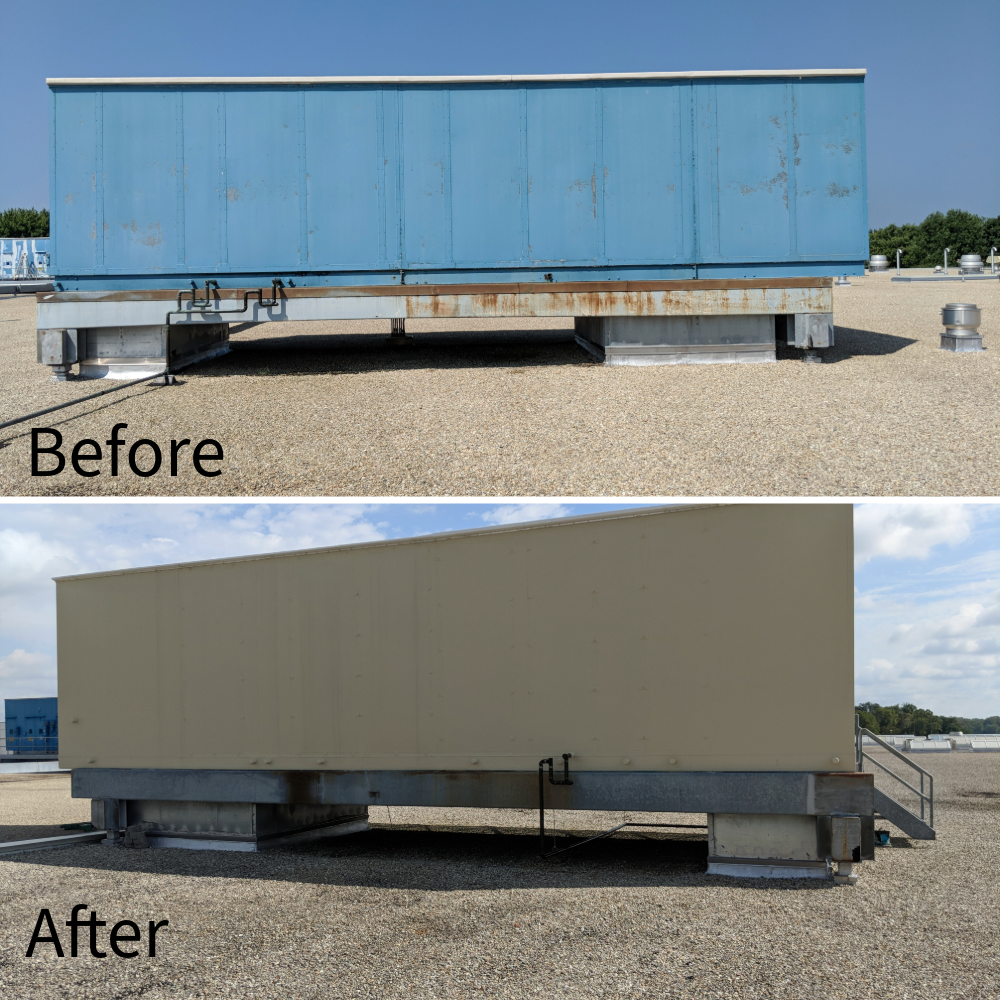
Coatings protect substrates by forming a barrier, using sacrificial primers, and selecting chemistries resistant to the specific chemical or abrasive exposures in service. Properly specified systems can reduce corrosion rates dramatically and extend intervals between costly repairs. Routine monitoring of dry film thickness, adhesion, and holiday detection informs predictive maintenance and delivers measurable lifecycle improvements. Owners who track these metrics can quantify MRO savings and justify upfront investment in higher-performing systems.
In What Ways Do Professional Services Minimize Operational Downtime?
Professional contractors use staging, fast-curing materials, and phased application to keep production running while work proceeds. Strategies include working off-hours, isolating zones, and selecting rapid-cure coatings that meet performance targets with reduced cure windows. Coordination with plant operations and clear work sequencing reduces lost production time and allows predictable scheduling. Minimizing downtime through these tactics directly improves the owner’s operational availability and short-term return on maintenance spending.
How Do Customized Coating Solutions Meet Specific Industry Needs?
Customized solutions are developed by aligning client requirements—chemical exposure, temperature, hygiene standards—with laboratory or field testing and performance specifications. For food and pharmaceutical clients, hygienic, non-leaching, and cleanable coatings are specified to meet sanitary standards. For high-temperature or chemical plants, high-temperature and chemical-resistant formulations are selected and validated. Tailored specifications and performance testing provide assurance that the chosen system will meet the client’s operational and regulatory objectives.
For owners seeking contractor engagement, consider requesting a specification review and a site assessment to validate proposed systems and schedules before award—this step reduces misalignment and clarifies warranty triggers.
Which Industries Rely on Commercial Industrial Painting and Coating Solutions?
Multiple industries depend on coating systems to protect assets and ensure compliance: manufacturing and warehousing require durable floors and racking protection; oil, gas, and chemical sectors need high-corrosion systems and specialized pipe and tank linings; food, automotive, and aerospace industries specify hygiene, surface finish, and lightweight protective systems. Each industry has specific performance attributes—chemical resistance, abrasion resistance, UV stability—that guide coating selection. The following H3s drill into industry-specific needs and recommended systems.
What Are the Painting Needs of Manufacturing and Warehousing Facilities?
Manufacturing and warehousing prioritize floor durability, marking, anti-slip surfaces, and protection of racking and structural elements. Epoxy and epoxy-urethane hybrid floor systems provide chemical and abrasion resistance while allowing slip-resistant aggregates for safety. Interior coating choices also consider low-VOC requirements and ease of cleaning to support housekeeping and throughput. These systems reduce downtime and maintenance costs while improving worker safety and operational clarity.
How Are Oil, Gas, and Chemical Plants Protected by Industrial Coatings?
Oil, gas, and chemical facilities require high-corrosion and chemical-resistant coatings, specialized tank linings, and robust inspection regimes to manage corrosive exposures and hazardous inventories. Systems often include zinc-rich primers, high-build epoxies, and specialized linings designed for specific chemical contacts; coatings are paired with scheduled inspections to detect degradation early. Regulatory and safety documentation is critical in these environments to support safe operation and inspection cycles.
What Specialized Coatings Are Used in Food, Automotive, and Aerospace Industries?
Food-industry coatings emphasize hygienic surfaces, non-contaminating chemistries, and cleanability; automotive coatings focus on chemical resistance and durable finishes; aerospace coatings require lightweight, high-performance finishes with strict adhesion and curing controls. Each sector enforces compliance requirements—food safety standards, emissions and finish quality, or aerospace finish tolerances—that dictate formulation and application methods. Selecting suppliers familiar with industry-specific testing and certifications is essential to meet operational and regulatory expectations.
What Are Common Questions About Industrial Painting Contractors?
Owners frequently ask about cost drivers, recoat intervals, effective techniques, and how to choose contractors; clear answers help procurement and lifecycle planning. Below are concise, practical responses that can be used during vendor evaluation and project scoping. The cost subsection contains a table to frame typical drivers and ballpark estimation approaches without supplying vendor-specific quotes.
How Often Should Industrial Facilities Be Repainted or Recoated?
Recoat intervals depend on coating family, exposure, and wear—some industrial floor systems last 7–15 years under heavy traffic, while exterior structural coatings may require touch-up every 3–7 years depending on environment. Scheduled inspections—annual visual checks and periodic thickness/holiday testing—detect recoat triggers such as adhesion loss or significant DFT reduction. Owners should build inspection schedules into maintenance plans to avoid reactive repairs and plan budgets over multi-year cycles.
What Are the Most Effective Techniques for Industrial Painting?
Effective techniques align methods with coating chemistry and site constraints: abrasive blasting for profile creation, airless or plural-component spray for thick two-part systems, electrostatic for small parts, and roller/brush for touch-up. Containment and ventilation strategies reduce environmental and worker exposure while improving finish quality. Selection of technique should be driven by specification requirements and validated in mock-ups when possible to confirm substrate preparation and application parameters.
- Abrasive Blasting: Produces the profile needed for adhesion.
- Airless / Plural Spray: Delivers consistent DFT for two-part systems.
- Electrostatic Application: Improves transfer efficiency for parts and equipment.
These methods, when coupled with containment and environmental controls, deliver predictable results and reduce rework.
How Can You Choose the Right Industrial Painting Contractor?
Selecting the right contractor requires evaluating certifications (e.g., adherence to NACE/AMPP and SSPC practices), documented QA/QC processes, insurance and safety programs, on-site testing capabilities, and references for similar projects. Ask for sample specifications, inspection reports, and documented mock-up results. Request a site assessment, a detailed line-item proposal, and a proposed QA plan with acceptance criteria. Finally, require documented record-keeping and warranty terms to ensure accountability.
For owners ready to engage, next steps include requesting a site assessment, asking bidders for specification-compliant proposals, and requesting inspection and maintenance documentation as part of procurement packages.