Your Ultimate Guide to Grain Bin & Silo Cleaning: Ensuring Safety and Peak Efficiency
Leftover grain and dust in your storage structures aren’t just unsightly; they compromise your grain’s quality, invite contamination, and create serious safety risks. This guide is packed with practical advice on grain bin and silo cleaning techniques designed to protect your harvest’s value, keep your operations running smoothly, and meet all safety standards. You’ll discover why regular cleaning is non-negotiable, explore the latest cleaning technologies, master OSHA-compliant safety practices, learn how to tackle pests and mold, get up to speed on maintenance and inspection essentials, and find out how to pick the best professional cleaning partner. By the time you’re done, you’ll have the knowledge to boost your storage efficiency and maintain top-notch grain quality, season after season.
Why Keeping Your Grain Bins Clean is Crucial for Quality and Safety
Cleaning your grain bins means getting rid of leftover kernels, dust, and debris. This keeps your storage hygienic, stops spoilage in its tracks, and breaks the cycle of pests and moisture buildup.
Regular grain bin cleaning is vital for preserving grain quality and preventing spoilage. By removing residual kernels, dust, and debris, you disrupt the conditions that allow pests and moisture to thrive, ultimately protecting your stored grain.
This process clears out hidden pockets of grain and fine particles where mold and insects love to hide. It also neutralizes explosive dust layers and restores your bin’s full capacity for more efficient operations. Taking care of these risks means protecting both your product and your people.
How Does Grain Bin Cleaning Keep Mold, Pests, and Contamination at Bay?
Consistently removing leftover organic material cuts off the food source for mold and insects, ensuring your grain stays safe to eat and sell.
- It dislodges damp residues that fuel mold growth.
- It exposes hidden spots where pests gather, stopping infestations before they start.
- It clears away dust that can carry harmful contaminants like aflatoxins.
Keeping contamination out is key to safe storage, and the financial upsides of these preventative steps are significant.
What Are the Financial Perks of Regular Grain Bin and Silo Cleaning?
Consistent cleaning means less spoilage and more sellable grain, directly boosting your profits and cutting down on disposal expenses.
| Benefit | Impact on Your Operations | Typical Return on Investment |
|---|---|---|
| Less Spoilage | Minimizes grain loss due to mold | 5–10% more marketable grain |
| No More Blockages | Recovers full storage capacity | Up to 15% increased throughput |
| Fewer Pest Control Costs | Reduces need for fumigation | 20–30% lower treatment expenses |
| Lower Dust Explosion Risk | Prevents costly shutdowns and liability | Priceless safety value |
These financial advantages make a strong case for investing in professional services, which naturally leads to how cleaning boosts efficiency and capacity.
How Does Cleaning Make Your Operations More Efficient and Increase Storage Capacity?
A thorough cleaning gets rid of buildup, giving you back valuable bin space and preventing frustrating partial unloads caused by bridging.
- It clears out blockages, ensuring smooth filling and unloading.
- It cuts down on the time spent on manual cleanouts.
- It improves airflow through your aeration systems for better drying.
Maximizing your throughput with unobstructed storage sets the stage for exploring advanced silo cleaning technologies.
Top Grain Silo Cleaning Methods and Technologies for the Job
The best silo cleaning approaches combine non-entry techniques with specialized gear to deliver maximum safety and effectiveness.
Here’s a look at leading technologies, how they work, and the main advantage each offers:
| Cleaning Method | How It Works | Key Advantage |
|---|---|---|
| Bin Whipping | A powerful whip tool breaks up stubborn buildup. | Removes compacted grain without anyone entering the bin. |
| Industrial Vacuuming | Heavy-duty vacuums suck up dust and debris. | Significantly reduces the risk of dust explosions. |
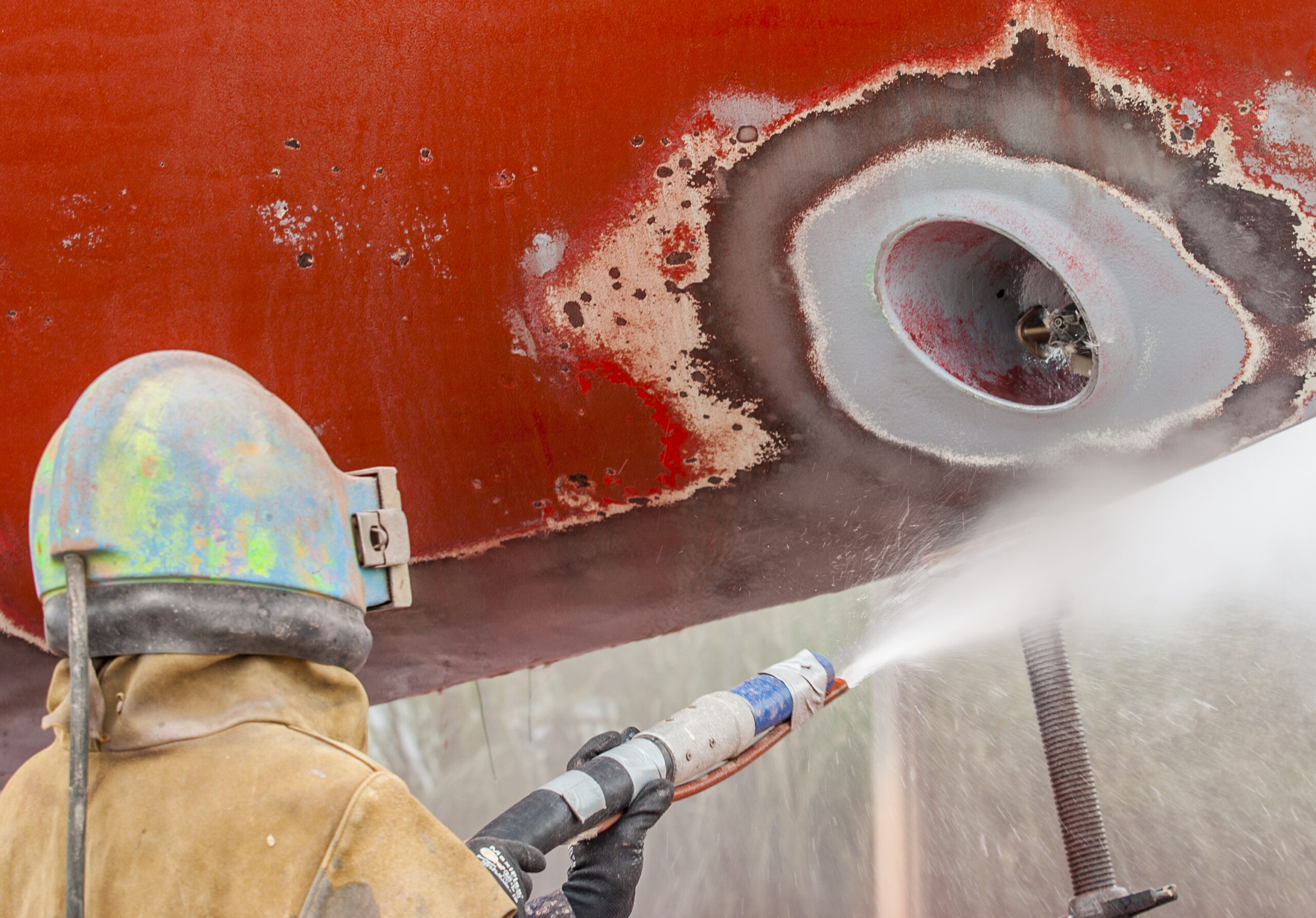
| Hydroblasting | High-pressure water jets blast away residue. | Provides a deep clean of internal surfaces. |
| Dry Ice Blasting | CO₂ pellets turn to gas on contact, lifting grime. | A chemical-free, non-abrasive cleaning solution. |
Now that we’ve compared these methods, let’s dive into when and why each is the right choice.
How Bin Whipping Works and When to Use It
Bin whipping uses a long, flexible hydraulic tool that vibrates against the bin walls, knocking loose stubborn grain without anyone needing to go inside.
- It’s perfect for compacted buildup, especially near hopper outlets.
- It breaks up bridging issues without the dangers of confined space entry.
- It can be operated from ground level, reducing fall risks.
Bin whipping is a proven technique for clearing hardened materials and tackling common problems like buildup, plugging, bridging, and ratholing in grain bins and silos. This method relies on remotely operated hydraulic tools to break apart compacted material.
This mechanical approach works hand-in-hand with vacuuming, which further helps manage dust.
What Makes Industrial Vacuuming Great for Grain Storage Cleaning?
Industrial vacuuming employs powerful suction to remove fine dust and loose debris, cutting down on airborne particles during the cleaning process.
- It lowers the risk of creating combustible dust clouds.
- It captures allergens and contaminants for safe disposal.
- It complements bin whipping by cleaning up residual fine particles.
After tackling dust, let’s compare two advanced blasting techniques for a deeper clean.
Hydroblasting vs. Dry Ice Blasting for Grain Silo Cleaning: A Comparison
A side-by-side look reveals the strengths and weaknesses of each method regarding pressure, waste, and surface impact.
| Feature | Hydroblasting | Dry Ice Blasting |
|---|---|---|
| Operating Pressure | Up to 20,000 psi for tough deposits | 80–120 psi for gentle cleaning |
| Waste Produced | Creates wastewater that needs filtering | No liquid waste; pellets sublimate into gas |
| Effect on Surfaces | Can wear down thin metal over time | Non-abrasive; protects coatings |
| Cleaning Speed | Quickly removes buildup in seconds | Slower but safer for delicate areas |
Understanding these differences helps you choose the best method based on your silo’s material and your site’s environmental needs.
When Should You Consider Bin Drilling or Acoustic Cleaning?
Bin drilling and acoustic cleaning use targeted holes or sound waves to break up grain bridges in hard-to-reach spots.
- Drilling can create an opening in completely blocked hoppers for controlled unloading.
- Acoustic pulses can loosen tightly packed grain in upper sections.
- These are best for deep, compacted blockages that bin whipping can’t reach.
Moving from cleaning methods, ensuring safety during all procedures is paramount, especially under OSHA guidelines.
Ensuring Grain Bin Safety with OSHA-Compliant Procedures
Following OSHA-compliant safety procedures creates a controlled environment that prevents hazards associated with confined spaces and dust during grain bin cleaning.
OSHA’s Grain Handling Facilities Standard outlines requirements for preventing fires, grain dust explosions, and hazards when entering bins, silos, and tanks. It also covers dangers related to unexpected equipment energy release.
What Are the Essential Confined Space Entry Rules for Grain Bin Cleaning?
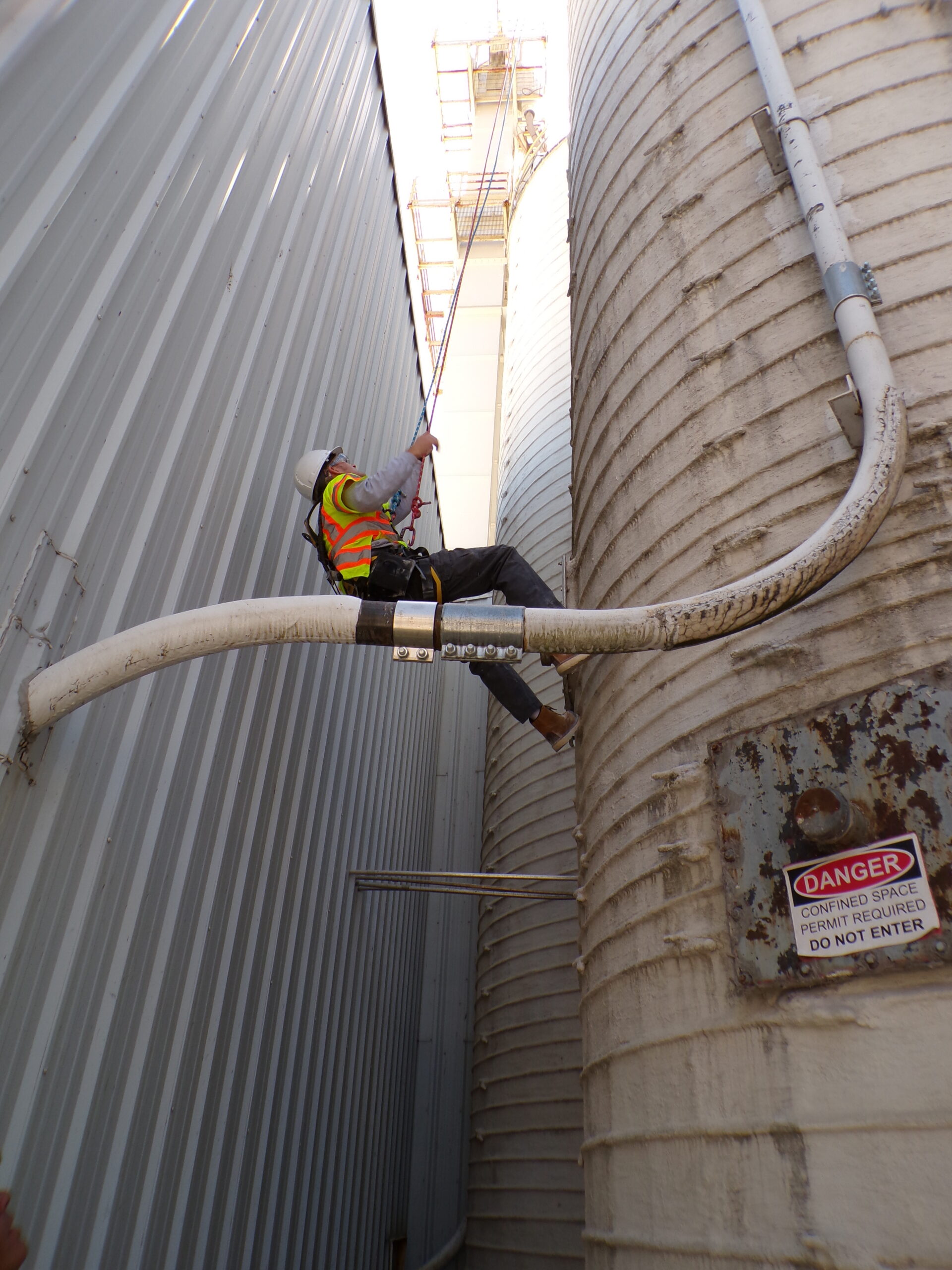
A permit-required confined space protocol means you must test and continuously monitor the atmosphere before anyone enters.
- Get an entry permit only after confirming oxygen, flammable gas, and toxic levels are safe.
- Assign an attendant to stay outside the bin, maintaining direct voice or visual contact.
- Use lifelines and retrieval systems to safely pull entrants out in emergencies.
These steps highlight the critical importance of lockout/tagout for any maintenance work.
Why Is Lockout/Tagout Absolutely Critical During Grain Bin Maintenance?
Lockout/tagout procedures guarantee that all power and movement sources are shut off and secured before cleaning or repairs begin, preventing accidental equipment startup.
- It safely locks out augers, conveyors, and gravity gates to prevent movement.
- Tags clearly indicate who locked out the equipment and maintain accountability.
- It protects workers from serious mechanical injuries and entrapment.
Proper isolation is the first step toward safely using personal protective equipment.
What Personal Protective Equipment (PPE) Do You Need for Grain Bin Cleaning?
The right PPE shields workers from airborne particles, falls, and noise hazards encountered during cleaning operations.
- NIOSH-approved respirators to protect against dust and allergens.
- Hard hats and safety glasses to guard against falling debris.
- Harnesses and lanyards for fall protection during work at heights.
- Hearing protection to guard against loud noises from high-pressure systems.
Ensuring your team is properly equipped leads us to the importance of pre-entry atmospheric testing.
How Do You Conduct Atmospheric Testing to Prevent Hazards?
Atmospheric testing uses multi-gas detectors to confirm safe oxygen levels and the absence of flammable or toxic gases.
- Test the air at different depths inside the bin before and during entry.
- Record all readings and ensure they stay within OSHA limits.
- Regularly calibrate your detectors according to the manufacturer’s instructions.
Once the air is confirmed safe, you need to have emergency procedures ready to go.
What Emergency and Rescue Plans Should Be in Place?
A well-documented rescue plan, complete with trained personnel and retrieval gear, ensures a swift response if someone becomes entrapped.
- Designate a rescue team specifically trained for grain entrapment situations.
- Keep retrieval tripods and winches readily accessible near entry points.
- Conduct regular drills to practice responding to common confined space emergencies.
With safety protocols firmly in place, let’s look at how pest and mold control can further protect your stored grain.
Managing Pests and Mold in Your Grain Storage Facilities
An integrated pest management strategy combines good sanitation, careful monitoring, and targeted treatments to keep your grain in top condition and prevent mold outbreaks.
You can apply grain protectants to bulk grain as it’s stored to offer protection for about a season. Fumigation is another effective and relatively inexpensive option, though moving grain can be costly and time-consuming.
Common tactics include regular checks, smart aeration management, and specific treatments designed to disrupt pest life cycles and control moisture levels.
Maintaining a clean environment naturally leads to identifying the usual suspects when it comes to pests.
What Pests Are Common in Grain Bins and How Do You Spot Them?
Pests like weevils, grain beetles, and moth larvae feed on kernels, lowering quality and multiplying quickly in warm, damp conditions.
- Use a magnifier to examine grain samples for insect fragments.
- Set up pheromone traps to catch adult moths or beetles.
- Look for frass (insect droppings) and small holes in the kernels.
Identifying these pests helps you choose the most effective control methods.
Which Pest Control Methods Work Best for Grain Storage?
Targeted treatments can eliminate insect populations without harming the grain or your equipment.
- Controlled aeration cycles lower temperatures and humidity to levels that pests can’t survive.
- Fumigation with phosphine gas penetrates deep into the grain to kill all insects.
- Applying insecticides to bin walls can prevent pests from returning.
Effective pest management goes hand-in-hand with preventing mold.
How Can You Prevent and Fix Mold Growth in Grain Silos?
Preventing mold comes down to controlling moisture and keeping temperatures even, while remediation involves removing any contaminated grain.
- Use aeration fans to keep moisture levels below 14% for most grains.
- Check seals and foundation cracks to stop water from getting in.
- Remove moldy grain and treat affected areas with approved fungicides.
Keeping your storage environment dry sets the stage for best practices in structural inspections.
Best Practices for Grain Silo Maintenance and Structural Inspections
Regular checks of your silo’s structure help you catch rust, leaks, and wear and tear that could compromise its integrity and storage conditions.
Consistent cleaning and maintenance of grain silos are essential for keeping them in good shape and preventing accidents. Always empty the silo completely and ensure workers are using proper protective gear before starting any maintenance.
How Do You Check for Rust, Corrosion, and Leaks in Your Silo’s Structure?
A thorough inspection involves visual checks and metal thickness testing to catch early signs of damage.
- Inspect weld joints, fasteners, and seams for pitting or flaking.
- Use ultrasonic gauges to measure wall thickness at various points.
- Look for any signs of blistering or peeling on interior coatings, which can indicate moisture issues.
Catching these problems early helps extend your silo’s life and ensures safe operations.
Why Are Foundation and Seal Inspections So Important for Grain Silos?
Cracks in the foundation and failing seals can let water seep in, leading to mold growth and weakening the silo’s support structure.
- Examine the foundation around the perimeter for settlement cracks, especially after heavy rain.
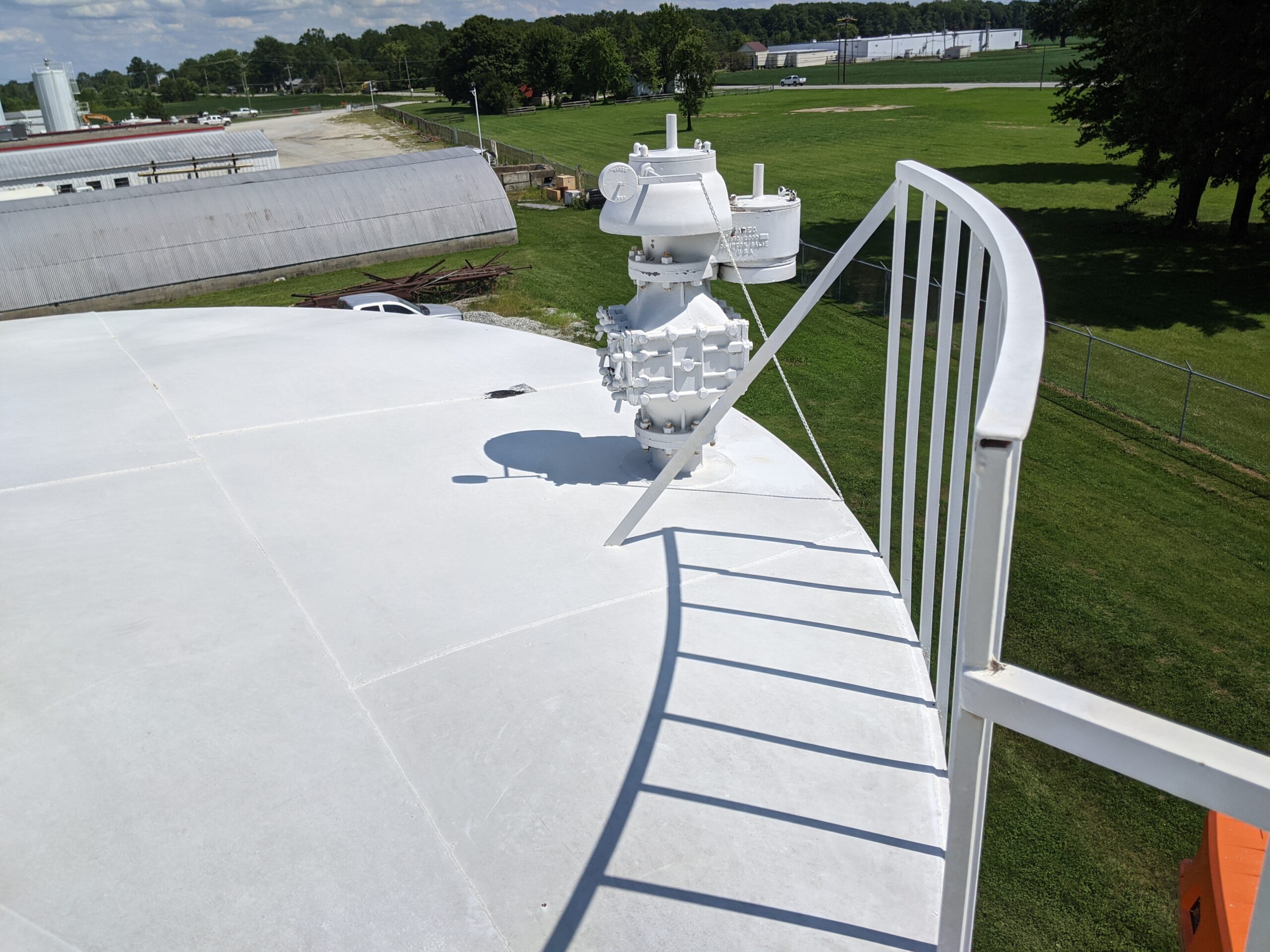
- Check the seals on the roof and access hatches to ensure they’re intact under pressure.
- Repair any damaged seals immediately to prevent moisture leaks.
A solid foundation and reliable seals are key to maintaining a dry, contamination-free environment.
How Should You Maintain Aeration Systems and Fans?
A well-maintained aeration system keeps grain temperature and moisture levels consistent, slowing down spoilage and pest activity.
- Clean dust from intake screens and fan blades at the start of each season.
- Lubricate bearings and check electrical connections for any signs of wear.
- Calibrate temperature sensors to ensure accurate readings.
Proper upkeep of your airflow systems supports the use of drone inspections for areas below.
What Role Do Drone-Assisted Inspections Play in Grain Silo Maintenance?
Drones equipped with high-resolution cameras and thermal sensors can safely inspect silo exteriors and roofs, identifying corrosion, deformation, or unusual heat signatures.
- Capture detailed images without needing personnel to climb.
- Pinpoint hot spots that might indicate insect or mold activity within the grain.
- Document conditions for your records and to track changes over time.
These advanced inspection methods further strengthen the argument for professional cleaning services.
Key Advantages of Hiring Professional Grain Bin and Silo Cleaning Services
Outsourcing your cleaning to experts ensures consistent quality, adherence to regulations, and minimal disruption to your operations.
- Gain access to certified safety protocols and teams trained for confined spaces.
- Benefit from industrial-grade equipment that outperforms standard tools.
- Receive comprehensive documentation that supports food-safety audits.
These benefits lead to better results for your grain quality and overall productivity.
How Does Professional Cleaning Maximize Grain Quality and Market Value?
Professionals remove microscopic contaminants and prevent cross-contamination, preserving your grain’s original quality grades.
- They eliminate hidden kernels that can ferment and create off-odors.
- They ensure uniform moisture distribution for optimal storage conditions.
- They provide reports that verify your grain meets market-grade specifications.
Higher grain value directly translates to a stronger bottom line and opens the door to cost savings.
How Does Professional Cleaning Reduce Downtime and Operational Costs?
Experienced crews can complete cleaning and inspections more quickly and safely than in-house teams, reducing periods of inactivity.
- Services can be scheduled during planned empty periods to avoid harvest delays.
- Non-entry methods eliminate the time needed for permit acquisition.
- Combining cleaning with minor repairs prevents multiple shutdowns.
Streamlined operations cut labor costs and help maintain revenue during busy seasons.
How Does Regular Cleaning Extend the Lifespan of Your Grain Storage Equipment?
By removing corrosive dust and moisture, professional cleaning prevents metal fatigue and wear on your silo’s structure.
- Protective coatings are maintained by eliminating abrasive dust layers.
- Stress on loading and unloading equipment is reduced by ensuring smooth grain flow.
- Minor damage can be identified and fixed proactively before it worsens.
Longer equipment life means lower long-term capital expenses and sustained facility value.
How Do Professional Services Ensure You Meet Safety and Food Regulations?
Certified providers follow OSHA confined space rules and FDA/FSMA guidelines, providing compliant records and safety plans.
- They conduct atmospheric and surface testing according to regulatory standards.
- They document lockout/tagout, PPE use, and rescue plans for every job.
- They validate cleaning effectiveness with residue swab tests and lab reports.
Staying compliant protects your workforce and ensures the integrity of your product.
How to Choose the Right Grain Bin Cleaning Service Provider
Selecting a qualified provider involves assessing their expertise, equipment, safety certifications, and communication practices.
Key factors include the range of services offered, their ability to respond to emergencies, and clear pricing based on your storage capacity.
What Expertise and Equipment Should a Professional Grain Bin Cleaning Company Have?
A top-tier provider uses specialized bin whips, vacuum systems, and non-abrasive blasting tools, operated by highly trained technicians.
- Proven experience with various cleaning techniques for different silo materials.
- In-house safety officers certified in confined space entry procedures.
- Access to mobile systems for filtration and wastewater management.
The right capabilities ensure they can handle any cleaning challenge.
How Crucial Are OSHA Compliance and Safety Certifications When Choosing a Service?
OSHA compliance and current safety certifications demonstrate a provider’s commitment to managing risks and following industry best practices.
- Verification of training records for all team members.
- Up-to-date confined space rescue equipment and regular drills.
- Documented accident prevention programs and adequate insurance coverage.
Prioritizing certified partners reduces your liability and increases project reliability.
What Questions Should You Ask Before Hiring a Grain Bin Cleaning Service?
Understanding a provider’s methods and contingency plans helps avoid surprises and ensures they meet your specific needs.
- How do you confirm atmospheric and surface safety before entry?
- Which cleaning technologies do you recommend for my specific silo type?
- What is your emergency rescue plan and how quickly can you respond?
- Can you provide references from facilities similar to mine?
Setting clear expectations leads to a smoother working relationship and the best possible results.
Frequently Asked Questions About Grain Bin and Silo Cleaning
Operators often have questions about how often to clean and inspect, safety measures, preventing contamination, and the equipment needed for effective cleaning.
Addressing these common questions upfront helps you plan proactive maintenance schedules and allocate resources wisely.
How Often Should Grain Bins and Silos Be Cleaned and Inspected?
Grain bins and silos benefit from an annual cleaning, ideally after they’ve been completely emptied and before the next harvest begins. This removes residues and allows for a thorough structural integrity check.
What Are the Safest Methods for Cleaning Grain Silos?
Non-entry techniques like bin whipping, high-capacity vacuuming, hydroblasting, and dry ice blasting significantly reduce worker exposure to confined space and dust hazards while ensuring a thorough clean.
How Can You Prevent Mold and Pest Problems in Grain Storage?
Keep moisture below 14% using aeration, seal all entry points to prevent water intrusion, regularly monitor temperatures, and apply targeted insect control measures at the first sign of an infestation.
What Equipment Is Commonly Used in Grain Bin Cleaning Services?
Specialized equipment includes extendable hydraulic whips, industrial vacuum trucks with HEPA filtration, high-pressure washers or dry ice blasting units, and atmospheric gas detectors to ensure safety.
Removing residue is the cornerstone of safe, efficient grain storage and must be combined with ongoing inspections and maintenance. Partnering with a professional cleaning service ensures you meet regulations, optimize grain quality, and extend the life of your equipment. By implementing the methods and protocols outlined here, you can protect your grain assets, minimize losses, and achieve consistent returns season after season.