Proven Grain Bin & Silo Cleaning Methods for Safety & Peak Efficiency
Each year, overlooked grain in storage bins and silos leads to millions in losses from spoilage and safety incidents for producers. This guide provides practical protocols and expert advice on grain bin and silo cleaning to boost safety, preserve crop quality, and optimize your operations. You’ll gain insights into fundamental definitions and hazards, detailed safe cleaning procedures, crucial equipment selection, cost considerations and ROI, spoilage prevention tactics, cutting-edge non-entry technologies, and strategies for mitigating dust explosions. By adopting these best practices for grain storage upkeep, you can guard against entrapment, manage mold effectively, and avoid costly operational interruptions while staying compliant with regulations.
What Exactly Are Grain Bin and Silo Cleaning?
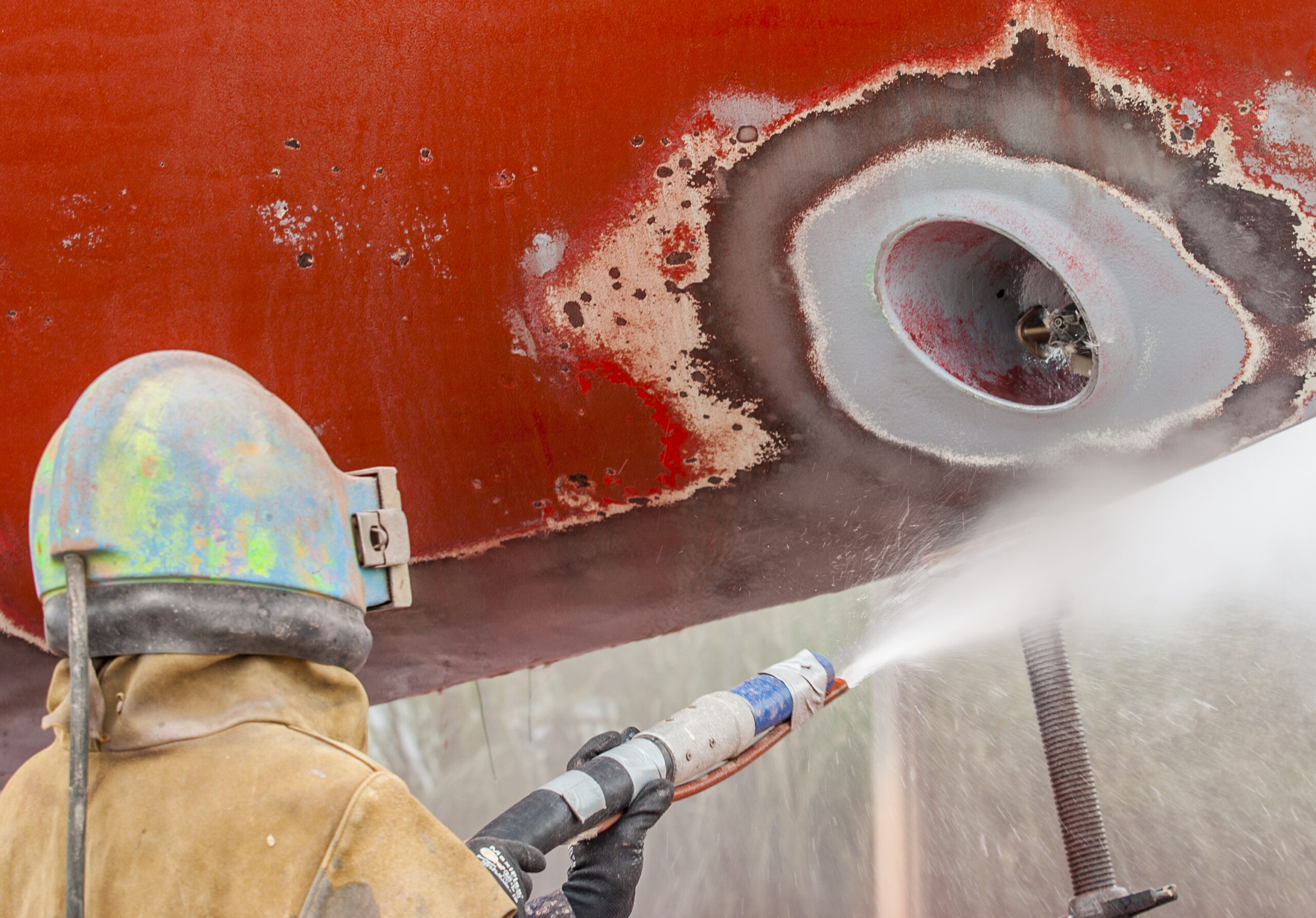
Grain bin and silo cleaning involves meticulously removing leftover grain, dust, mold, and other residues from storage structures. The goal is to prevent spoilage and ensure safe access for operations. This process blends mechanical removal with targeted disinfection to safeguard both grain quality and the well-being of your team. For instance, utilizing high-capacity vacuum systems significantly reduces the need for manual entry, thereby minimizing the risks associated with confined spaces.
How Do Grain Bin Cleaning and Silo Cleaning Differ?
| Storage Structure | Capacity Range | Ideal Cleaning Schedule |
|---|---|---|
| Grain Bin | 5,000 – 30,000 bushels | Annually, prior to the harvest season |
| Grain Silo | 30,000 – 500,000 bushels | Annually or between different grain lots |
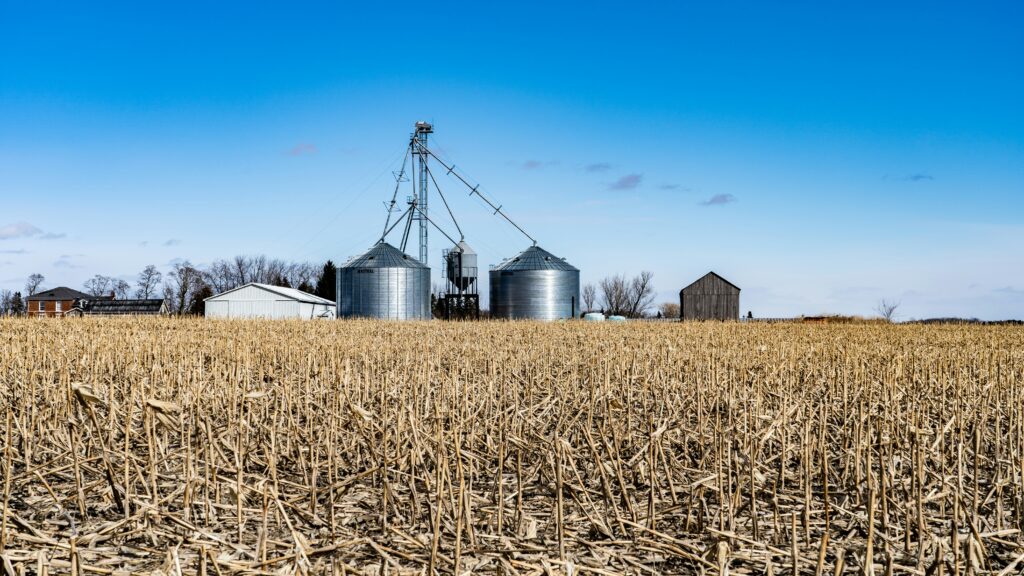
Grain bin cleaning typically focuses on smaller, on-farm storage units that allow for manual access. In contrast, grain silo cleaning addresses larger commercial facilities that require specialized lifting equipment and remote operational tools. Understanding these distinctions is key to implementing tailored safety and efficiency measures.
Why Is Consistent Grain Bin and Silo Cleaning Crucial?
Regular cleaning is vital for preventing moisture accumulation, deterring pest infestations, inhibiting mold growth, and promoting uniform aeration. Clearing out debris enhances airflow and eliminates hot spots that can degrade grain quality. Furthermore, consistent maintenance extends the lifespan of your equipment by removing abrasive particles that accelerate wear and tear.
What Are the Common Dangers in Grain Bin and Silo Cleaning Operations?
Before any team enters a grain storage unit for cleaning, it’s imperative to recognize these potentially fatal hazards:
- Grain entrapment, which can quickly lead to full engulfment and suffocation
- Dust explosions, ignited by suspended combustible particles
- Hazardous atmospheres created by fermentation gases like carbon dioxide and nitrogen
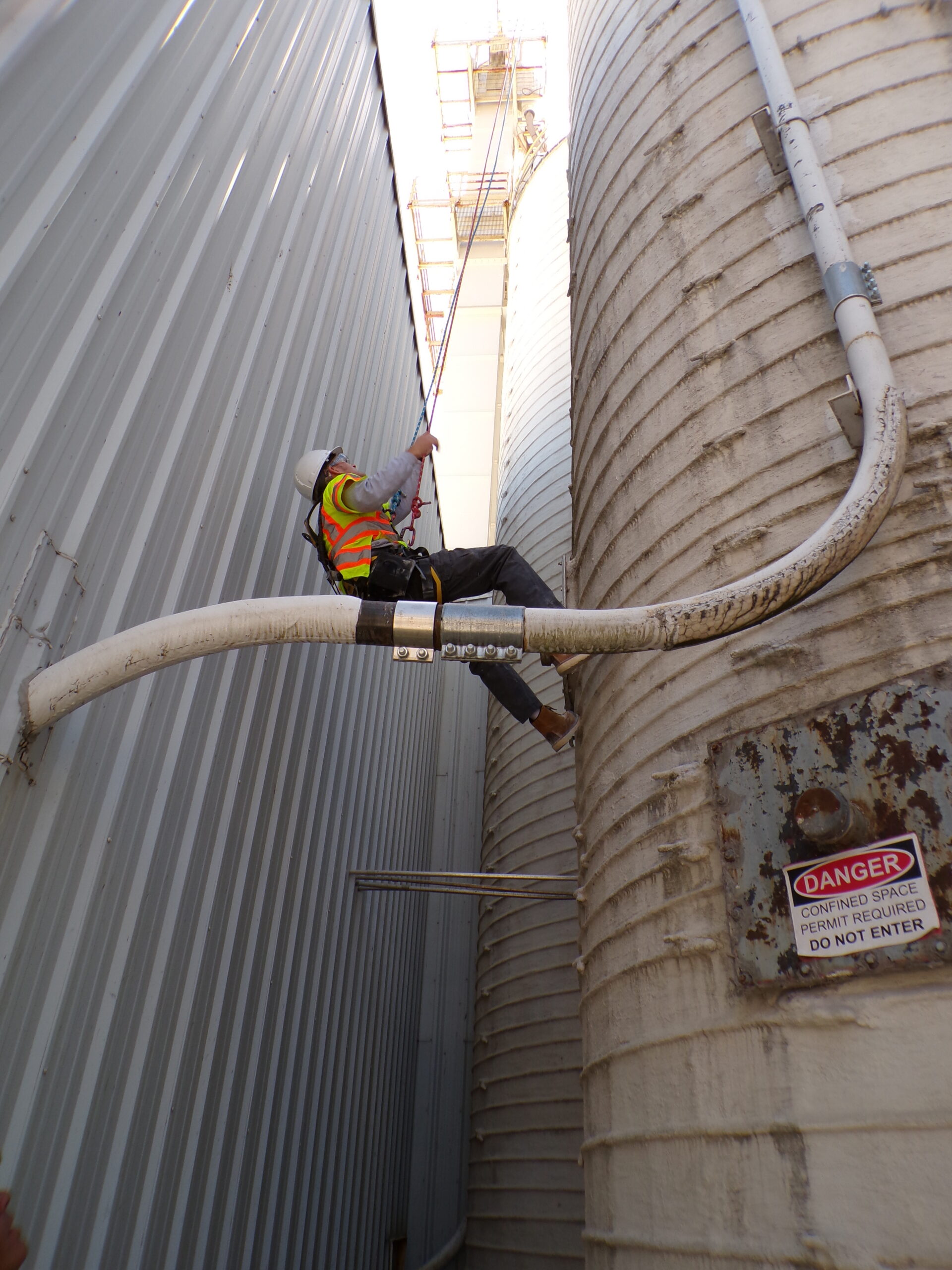
- Falls from elevated positions when working on ladders or bin roofs
Effectively mitigating these risks through proper controls is paramount for safeguarding both personnel and the quality of your stored grain. A thorough understanding of these dangers directly informs the safe cleaning protocols detailed in the subsequent section.
How to Safely Clean a Grain Bin: Step-by-Step Procedures and Safety Protocols
Safe grain bin cleaning hinges on a combination of diligent hazard identification and clearly defined protocols designed to protect workers and the stored grain. Implementing strict confined space procedures alongside mechanical removal methods significantly enhances safety compliance and preserves grain quality.
What Are the Primary Hazards to Watch Out For During Grain Bin Cleaning?
Key dangers include the risk of grain engulfment, dust-related explosions, oxygen-deficient atmospheres, entanglement with machinery, and slips or falls. Each of these hazards necessitates specific control measures—such as lockout-tagout procedures and adequate ventilation—to prevent injuries and maintain a secure working environment.
Which Personal Protective Equipment (PPE) Is Mandatory for Grain Bin Cleaning?
Appropriate PPE is essential for preventing exposure to dust, falls, and toxic gases. Your crew must be equipped with:
- A full-body safety harness and a secure lifeline
- A NIOSH-approved respirator or a robust dust-mask system
- A multi-gas detector for continuous monitoring of oxygen and toxic gas levels
- A safety helmet complete with a face shield and hearing protection
- Chemical-resistant gloves and protective clothing
This comprehensive PPE ensemble is crucial for safe confined space entry and ensures compliance with atmospheric testing requirements.
What Are the Best Practices for Pre-Entry Planning and Atmospheric Testing?
Prior to commencing any entry, it’s vital to establish a formal written permit system, ensure the bin is adequately ventilated using forced-air blowers, and conduct thorough testing for oxygen levels, flammable gases, and toxic substances. Develop a detailed rescue plan with trained personnel and maintain constant communication throughout the operation. This meticulous pre-entry preparation is key to preventing confined space incidents and ensuring a swift, effective emergency response if required.
What Essential Equipment and Tools Are Used for Efficient Grain Bin and Silo Cleaning?
Specialized tools are indispensable for expediting residue removal, minimizing manual entry, and enhancing worker safety. Selecting the appropriate equipment is fundamental to achieving thorough cleaning and maintaining operational uptime.
How Do Grain Vacuums Boost Cleaning Efficiency and Safety?
Grain vacuums utilize high-power suction to efficiently remove dust, debris, and spoiled kernels, significantly reducing the need for personnel to enter confined spaces. Their HEPA-grade filtration systems effectively capture even the finest particles, thereby minimizing combustible dust hazards.
- Portable vacuum units offer rapid deployment and positioning within bin interiors
- Filtered exhaust systems effectively contain airborne contaminants
- Nozzles operated remotely can reach beneath ledges, eliminating the need for manual digging
By automating the debris removal process, vacuums dramatically improve both the speed and safety of bin cleaning operations
What Are Bin Whips and How Do They Aid in Non-Entry Cleaning?
Bin whips are specialized tools equipped with hydraulic or pneumatic arms and rotating cables. They are designed to break up compacted grain bridges and address rat-holing from outside the storage structure. Their dynamic agitation action eliminates the necessity for human entry, thereby reducing the risk of engulfment and accelerating material flow towards vacuum inlets.
Which Safety Equipment Is Crucial for Confined Space Entry?
Below is a detailed specification table outlining the core safety devices essential for bin and silo cleaning:
| Device | Primary Function | Performance Benefit |
|---|---|---|
| Safety Harness | Fall arrest and secure positioning | Prevents falls during entry or inspection activities |
| Lifeline | Establishes a secure connection to the exterior | Facilitates rapid rescue in emergency situations |
| Multi-Gas Detector | Monitors O₂, CO, H₂S, LEL (Lower Explosive Limit) | Provides timely alerts to hazardous atmospheric conditions |
| Ventilation Blower | Ensures forced-air circulation | Displaces toxic gases and effectively controls dust levels |
Integrating this vital safety equipment with robust procedural controls completes a fully compliant confined space entry program.
How to Select the Right Grain Cleaning Equipment for Your Specific Needs?
Carefully assess factors such as bin height and diameter, the severity of spoilage or residue buildup, available power sources, and mobility requirements. Evaluate potential equipment based on:
- Cleaning capacity relative to the total bin volume
- Compatibility with your existing power infrastructure
- Ease of transportation and on-site setup
- Maintenance demands and filter replacement schedules
- Availability of vendor support and comprehensive training
Choosing tools that align with your facility’s scale and available resources is key to achieving optimal cleaning performance.
How Much Does Grain Bin and Grain Silo Cleaning Cost? Factors and Estimates Explained
The cost of cleaning services can fluctuate based on the size of the structure, the extent of residue, the complexity of access, and the urgency of the service required. Understanding these variables will help producers budget more accurately and maximize their return on investment.
What Factors Influence the Cost of Grain Bin Cleaning?
Several key factors contribute to the overall pricing:
- The capacity and specific geometry of the bin or silo
- The degree of spoilage or the severity of grain bridging
- Accessibility challenges and site logistics
- The type of equipment utilized (e.g., vacuum, whip, manual tools)
- Whether the service is an emergency response or scheduled maintenance
Identifying these cost drivers allows for more precise budgeting for your grain storage maintenance needs.
What Is the Return on Investment (ROI) of Professional Grain Bin Cleaning Services?
Engaging professional cleaning services leads to tangible benefits, including improved grain quality, reduced product loss, and extended bin service life. Typical ROI advantages include:
- A reduction in spoilage-related costs ranging from 10% to 20%
- Faster turnaround times post-harvest, leading to improved cash flow
- Lower repair expenses by preventing the buildup of corrosive residues
- Enhanced regulatory compliance, thereby avoiding potential fines and operational shutdowns
These financial gains often surpass the initial cleaning investment within a single storage season.
How to Prevent Grain Spoilage and Maintain Grain Quality After Cleaning?
Post-cleaning care is absolutely essential for sustaining grain integrity and preventing recurring losses. Implementing effective moisture control, diligent monitoring, and proactive pest management strategies will preserve the value of your crop.
What Causes Grain Spoilage in Storage Bins and Silos?
The primary drivers of grain spoilage include:
- Elevated moisture levels, stemming from residual grain or structural leaks
- Temperature fluctuations that can lead to condensation
- Infestations by insects and activity from rodents
- The proliferation of mold and subsequent mycotoxin production
Which Best Practices Help Prevent Mold and Mycotoxin Contamination?
Maintaining optimal storage conditions requires adherence to the following practices:
- Regularly aerate the grain to ensure consistent temperature and humidity levels
- Install humidity sensors for real-time monitoring of environmental conditions
- Apply approved fumigants or natural repellents as needed
- Schedule cleaning intervals strategically before and after periods of high risk
Strictly following these steps is crucial for controlling mold growth and safeguarding food safety standards.
How Does Regular Inspection Contribute to Grain Quality Preservation?
Conducting systematic inspections of bin seals, structural integrity, temperature monitoring systems, and performing sample testing allows for the early detection of potential spoilage issues. Implementing timely interventions—such as targeted cleanup efforts or aeration adjustments—can prevent minor problems from escalating into significant losses.
What Are Advanced Non-Entry Grain Silo Cleaning Methods and Technologies?
Innovative non-entry cleaning approaches are revolutionizing residue removal by eliminating the need for human access, thereby dramatically reducing confined space risks and operational downtime.
How Do Non-Entry Cleaning Methods Minimize Confined Space Risks?
By deploying sophisticated remote tools and robotics, non-entry cleaning effectively eliminates direct human exposure to hazardous environments. Automated systems are capable of breaking up crusted grain and vacuuming debris while operators remain safely positioned outside the structure, effectively preventing engulfment and toxic atmosphere incidents.
What Specialized Equipment Facilitates Non-Entry Grain Bin Cleaning?
Popular and effective non-entry cleaning devices include:
- Remote-controlled bin whips featuring extended reach capabilities
- Robotic sweeper platforms designed for efficient granular material removal
- High-pressure air pulse systems engineered to dislodge stubborn debris
- Automated vacuum booms that can extend across the entire bin floor
These advanced technologies enable rapid, safe cleaning without compromising the thoroughness of the operation.
What Are the Safety Advantages of Employing Advanced Cleaning Technologies?
A direct correlation exists between reduced human entry and a lower incidence of accidents and regulatory violations. Automated systems offer faster clean-out cycles, enhance compliance by maintaining continuous environmental monitoring, and can lead to reduced insurance premiums through documented risk mitigation efforts.
How to Prevent Grain Dust Explosions and Ensure Safety in Grain Storage Facilities?
Effective dust explosion prevention requires a multi-faceted approach, integrating meticulous housekeeping, robust engineering controls, and comprehensive employee training to avert catastrophic events within bins and silos.
What Causes Grain Dust Explosions in Bins and Silos?
Explosive incidents occur when fine dust particles accumulate on surfaces and become suspended in the air, encountering an ignition source. Common ignition sources include:
- Static electricity discharge from equipment
- Friction-induced sparks generated in conveyors or augers
- Overheating bearings or motors
- Sparks from welding or cutting operations
Which Safety Measures Effectively Mitigate Dust Explosion Risks?
Implementing the following controls is crucial for mitigating risks:
- Conducting routine housekeeping to meticulously remove settled dust
- Installing effective dust collection and ventilation systems
- Ensuring proper grounding and bonding of all metal structures
- Equipping facilities with explosion relief vents and suppression systems
These measures significantly reduce both the likelihood and the potential severity of dust-related events.
How to Implement a Comprehensive Grain Dust Explosion Prevention Plan?
A well-structured plan should encompass the following key elements:
- Conduct a thorough facility dust hazard analysis
- Provide comprehensive training to employees on dust control procedures and hot work protocols
- Establish and adhere to regular maintenance and cleaning schedules
- Continuously monitor airborne dust levels and equipment operating conditions
- Regularly review and update procedures in response to any incidents or changes in regulations
This systematic methodology fosters a strong safety culture and ensures ongoing alignment with industry standards and regulatory requirements.
Grain bin and silo cleaning are indispensable practices for preserving the quality of your grain and safeguarding your workforce from the inherent hazards of confined spaces. Implementing rigorous safety protocols and utilizing advanced equipment not only enhances operational efficiency but also minimizes risks and maximizes the return on your storage investments. Consistent maintenance, combined with strategic deployment of non-entry technologies and robust explosion mitigation measures, cultivates a resilient and compliant grain storage operation. Ultimately, investing in professional cleaning services and state-of-the-art tools translates to long-term savings and sustainable crop preservation.